Living abroad · Turkey
Medicine in Turkey: insurance, Acibadem clinics and prices
Updated: June 2026·9 min read·Expert reviewed
Terms and costs verified: June 2026
Contents
Türkiye is one of the top 10 countries for medical tourism. People come here for dental treatment, plastic surgery and transplants - from Europe, the Middle East, and the CIS. The reason is simple: the quality is comparable to European, and prices are 2-4 times lower. But if you are moving to Turkey, it is important to understand how the healthcare system works from the inside. Government hospitals are overwhelmed. Without insurance, a private clinic will hurt your pocket. But with the right policy, you get access to modern Acibadem and Memorial clinics - at the level of European standards. In this article we will look at how the state insurance SGK works, how much a private policy costs, which clinics to choose and how much treatment without insurance costs. The figures are current for 2026.
How the healthcare system works in Turkey
Turkish medicine is divided into two levels: public and private. They work in parallel and have almost no overlap in quality.
Public hospitals (devlet hastanesi) are financed through the SGK system - this is an analogue of compulsory medical insurance. Citizens of the country and some foreigners with residence permits go there. The lines are long, the equipment varies from modern to outdated. In large cities the level is higher than in the provinces.
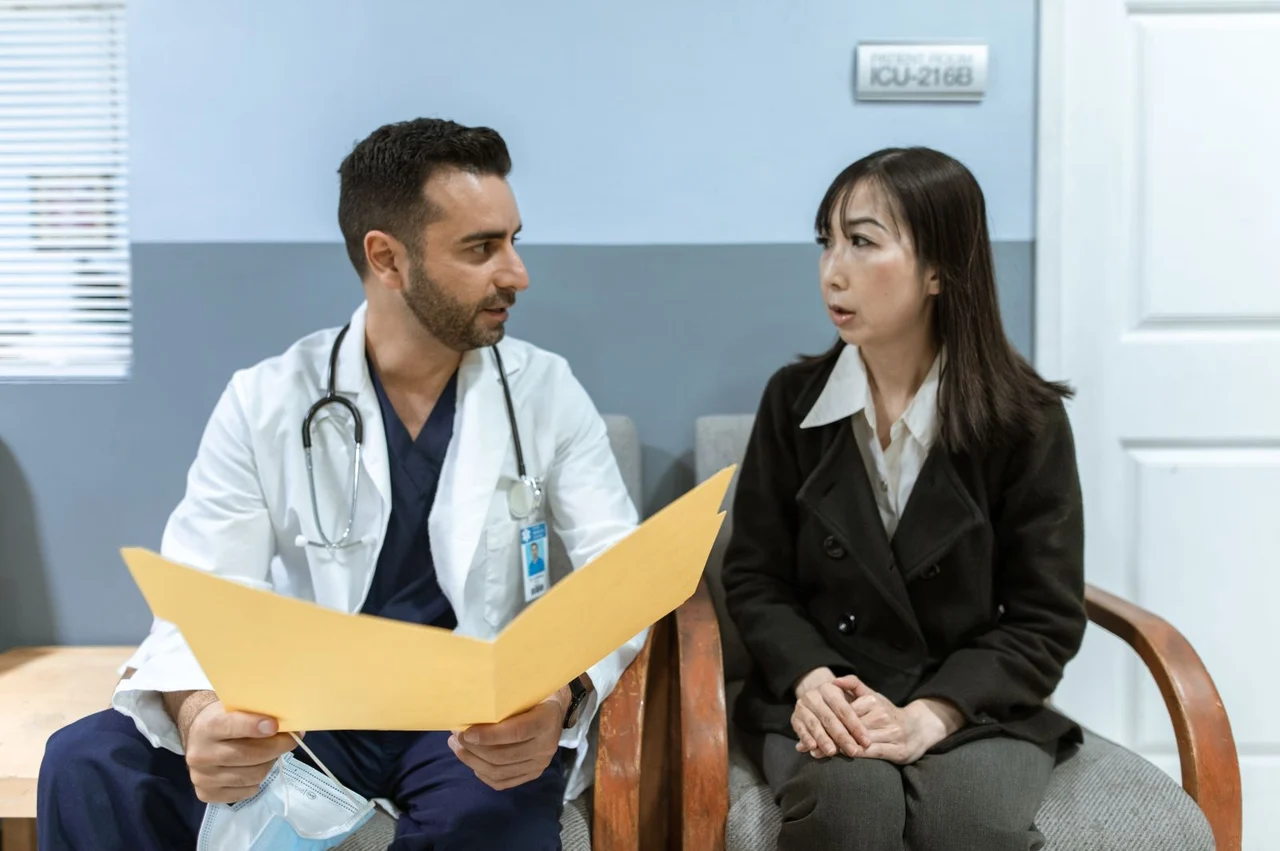
Private clinics are a completely different story. Modern equipment, English staff, service. Acibadem and Memorial are included in international ratings. There are no queues - sign up for tomorrow or the day after tomorrow. You can pay by card, including a foreign one.
The family doctor (aile hekimi) is the first link in the state system. They are attached to it at the place of registration. Admission is free for SGK holders. Foreigners without insurance pay separately.
SGK: state insurance for foreigners
SGK (Sosyal Guvenlik Kurumu) is a state social insurance system. This is the basis of medical coverage in Turkey.
Turkish citizens are connected to SGK automatically. Foreigners can gain access in several cases. The first is through the employer: if you work for a Turkish company, the SGK contributions are paid by the employer. The second is voluntary connection: you can pay the fees yourself if you have a long-term residence permit. The third is international agreements: Türkiye has agreements with a number of CIS countries on the mutual recognition of insurance rights.
What SGK gives to a foreigner: an appointment with a family doctor, treatment in public hospitals, medicines at a reduced price. Restriction - private clinics of the Acibadem and Memorial SGK network do not accept or partially accept.
Voluntary contribution to SGK is about 800-1,200 liras per month (approximately $25-40 at the 2026 exchange rate). It's cheap, but coverage is limited to the public sector.
Private insurance: what to choose for a foreigner
For most foreigners living in Turkey, private health insurance is the best solution. It gives access to the best clinics and removes the language barrier.
The largest insurers in the Turkish market are Anadolu Sigorta, Allianz, Axa, Mapfre and Aksigorta. International companies Cigna and AXA PPP work directly with expats.
| Insurer | Approximate price/month | Coating |
|---|---|---|
| Anadolu Sigorta (basic) | $100-130 | Private clinics, outpatient clinic |
| Allianz (standard) | $130-180 | Acibadem, Memorial, hospital |
| AXA (extended) | $170-220 | Full coverage + dentistry |
| Cigna (international) | $200-300 | World coverage + evacuation |
The price depends on age, franchise and the set of included services. Dentistry and planned childbirth often come as a separate package. It is better to take out insurance before obtaining a residence permit - after 60 years, some companies refuse or sharply raise the price.
An important nuance: when applying for a long-term residence permit in Turkey, having health insurance is a prerequisite. This is not a recommendation, but a legal requirement.
The best private clinics in Turkey
The private sector in Turkey is concentrated in large cities. Istanbul, Ankara, Antalya, Izmir - world-class clinics operate here.
Acibadem - Turkey's largest private network. More than 20 hospitals across the country. International accreditation JCI. Treatment of oncology, cardiology, transplantology. Separate sections for foreigners with translators. Website - acibadem.com.tr.
Memorial - the second largest network. Strong in neurosurgery and urology. Clinics in Istanbul, Antalya, Diyarbakir. Actively works with medical tourists.
American Hospital (Istanbul) - active since 1920, partner of Johns Hopkins. Treatment according to American standards. The staff speaks English, there is a Russian-speaking coordinator as well.
Florence Nightingale (Istanbul) - specializes in cardiology and oncology. Part of the Sisli Florence Nightingale group.
Koç University Hospital - at one of the best universities in the country. Medical research and high-tech treatment.
Medstar Antalya and Akdeniz University Hospital are popular clinics in Antalya - a good choice for those who live on the coast.
Prices for medicine in Turkey 2026
The cost of medical services depends on whether you go to a public or private clinic and whether you have insurance.
| Service | State | Private (no insurance) |
|---|---|---|
| Appointment with a therapist | $5-10 (with SGK - free) | $40-80 |
| Appointment with a specialist | $10-20 | $60-120 |
| Blood test (general) | $5-8 | $20-40 |
| Ultrasound | $15-30 | $50-100 |
| MRI | $40-80 | $150-300 |
| Dentistry (filling) | $15-30 | $50-120 |
| Dentistry (implant) | No | $400-700 |
| Childbirth (normal) | $200-500 | $2 000-3 000 |
| Childbirth (caesarean) | $300-600 | $3 000-4 000 |
| Appendicitis (surgery) | $500-800 | $2 000-4 000 |
| Ambulance (112) | for free | for free |
Medicines in pharmacies are cheap. Generics - $2-10 per pack. Branded drugs - $10-50. Many things that require a doctor's prescription in Russia or the EU are sold over the counter here.
Dentistry is a different story. Türkiye has become the European leader in dental tourism. An implant for $500-700 versus $1,500-2,000 in Germany - the difference is huge. The quality in certified clinics meets European standards.
We will find the right basis for residency in Turkey
We calculate the budget and timing for your family and list the documents you need.
Medical tourism: why Türkiye is in the top
Türkiye ranks 6th in the world in medical tourism. In 2024, more than 1.5 million foreign patients visited the country. The main areas are dentistry, plastic surgery, ophthalmology, transplantology and oncology.
The main advantages for medical tourists: prices are 2-4 times lower than Western Europe, short wait times (registration for an operation takes a few days), qualified surgeons with international experience and language support (clinics hire coordinators in Arabic, Russian, German).
Plastic surgery is especially developed in Istanbul. Rhinoplasty - $2,000-4,000 versus $8,000-12,000 in the UK. Liposuction - $1,500-3,000. Hair transplant - $1,500-3,500 (a procedure performed by thousands of European men every year).
Organ transplantation - Acibadem and Memorial are among the world top in terms of the number of successful operations. Kidney transplantation - $20,000-35,000, liver - $30,000-50,000. This is a third of the European price.
If you are planning treatment, but are not moving yet, you can come with a medical visa. It is issued through the consulate if there is an invitation from the clinic.
What to do after moving
The first thing you should do after receiving a residence permit is a basic medical check-up. This will help you choose a clinic, get insurance and make sure you are healthy.
Standard check-up in a private clinic: general blood test, biochemistry, ECG, ultrasound of the abdominal organs, fluorography. The cost of the package is $100-200 depending on the set. Acibadem has ready-made Check-Up programs for different ages.
Vaccinations. Türkiye requires a number of vaccinations for children upon entry to school. Vaccinations are not required for adult foreigners, but it is recommended to update your calendar - especially for hepatitis A, B and tetanus.
Dentistry. The prices are so attractive that many people moving undergo a full dental examination in the first months. This is reasonable: getting an X-ray panorama and treatment plan costs $30-50.
Psychologist and psychotherapist. Finding a Russian-speaking specialist in Istanbul and Antalya is not difficult. Online appointment - $50-80 per session. Offline in Turkey - $60-100.
How to choose a clinic and check a doctor
A key indicator of the quality of a private clinic in Turkey is JCI (Joint Commission International) accreditation. This is an international standard that confirms the level of security and service. Acibadem, Memorial, American Hospital all have JCI.
How to check a doctor. In Turkey, the register of doctors is maintained by the Turkish Medical Association (TTB - Türk Tabipleri Birligi). You can check the license on the website ttb.org.tr. For foreigners, it is more convenient to look at the doctor’s profile on the clinic’s website - education, specialization and years of practice are indicated there.
Patient coordinator. Large clinics have a patient coordinator - a person who speaks Russian or English and accompanies you from appointment to discharge. It’s convenient: you don’t need to know medical Turkish. Ask for a coordinator when registering.
How to read a bill. In Turkey, it is customary to receive an itemized invoice (fatura). Always require it - this is protection against double exposure. If you have insurance, the clinic itself sends an invoice to the insurer. You only pay the deductible.
Emergency help. The ambulance number is 112. It works in Turkish and partly in English. In Istanbul, an ambulance arrives in 8-15 minutes. In the provinces it takes longer. Private ambulances (for example, from Acibadem) are faster, but paid.
“Foreigners are often surprised at how well private healthcare is in Turkey. Acibadem clinics are not a provincial story, they are truly international. JCI accreditation, latest generation equipment, doctors with practice in Europe and the USA. At the same time, the price of a visit to a specialist is $50-80. In Germany, for the same money you will get to see a therapist at best. For clients who are considering moving to Istanbul or Antalya, I always recommend one thing: take out private insurance before obtaining a residence permit, as long as there are no restrictions on age and chronic diseases. Anadolu Sigorta and Allianz are reliable options with a wide network of partner clinics. Dentistry is worth mentioning separately - it is a real magnet for Europeans. Implant for $500 instead of $2,000 in London. And the quality is no worse. I have seen people come to Turkey solely for dentistry, and then stay to live. One piece of advice in case of an emergency: save your clinic coordinator's number in your phone from day one. In times of crisis, this will save time and nerves. The 112 system works, but the language barrier under stress is a real problem.”
Public hospitals: reality without embellishment
Public hospitals in Turkey are free for SGK holders. But they have serious limitations that you should know about in advance.
Queues. In large public hospitals in Istanbul, you can wait 2-4 hours for a specialist. Online registration through the MHRS system (mhrs.gov.tr) helps, but not always. The application is available in Turkish.
Language. The doctors speak Turkish. There are no translators. If you don't know the language, take an assistant with you or use Google Translate. In emergency situations, staff will usually find a way to explain themselves.
Equipment. University and regional hospitals have modern equipment. In small district hospitals it is worse. MRI and complex diagnostics may require referral to the city's central hospital.
Recommendations. For routine visits and non-urgent matters, public hospitals are fine if you speak Turkish and have SGK. For urgent or complex treatment - a private clinic with good insurance.
Medicine in different cities of Turkey
The level of medicine in Turkey depends on the city. The larger, the better the infrastructure.
Istanbul - the medical capital of the country. Here are the main offices of Acibadem and Memorial, American Hospital, and specialized oncology centers. Finding a doctor of any specialization is not a problem. There are about 10-15 international clinics with Russian-speaking staff in the city.
Ankara - a capital with strong university medicine. Hacettepe University Hospital and Ankara University Hospital are among the top government institutions in the country. The private sector is developed, but less than in Istanbul.
Antalya - popular among emigrants from the CIS. Medstar Antalya, Liv Hospital Antalya, Akdeniz University Hospital. The level is good. There are Russian-speaking coordinators in almost every major clinic.
Izmir - third largest city. The private sector is developed. Yesil Vadi Hospital and Kent Hastanesi are popular choices for expats.
Bodrum and Alanya - small resort towns. There are private clinics, but specialized treatment is only in Antalya or Istanbul. To live with chronic diseases, it is better to choose a large city.
Insurance when obtaining a residence permit
Medical insurance is a mandatory condition when applying for a long-term residence permit in Turkey (ikinci konut, short-term residence permit for real estate, financial residence permit). Without a policy, documents will not be accepted.
Requirements for the policy: it must cover the entire duration of the residence permit, be issued by a Turkish insurance company or an international company with a license in Turkey, and cover inpatient treatment.
The easiest way is to buy an Anadolu Sigorta or Allianz policy directly at the branch or online. The cost for a standard annual residence permit is $800-1,500 per year, depending on age.
An important point: some insurers refuse to apply to foreigners over 60-65 years old. If you are older, look for company in advance. Cigna Global and AXA International accept clients up to 80 years of age, but the price is higher.
Read more about the conditions for obtaining a residence permit and Turkish citizenship on the program page: Turkish citizenship by investment.
Bottom line: should you trust Turkish medicine?
Private healthcare in Turkey is one of the best options in the region. In terms of price-quality ratio, it surpasses most countries in Eastern Europe and is comparable to Western ones - at half the price.
To live comfortably in Turkey you need three things. The first is private health insurance from $100-200 per month. It opens access to Acibadem and Memorial clinics and removes the language barrier. The second is a basic check-up in the first months after moving. The third is the understanding that public hospitals operate in Turkish and have queues.
Dentistry is a separate plus of the country. Prices are 2-3 times lower than European ones with comparable quality. Many emigrants from the CIS come specifically for dental treatment.
Ambulance 112 operates free of charge for everyone - citizens and foreigners. This is an important guarantee in an emergency situation.
If you are considering moving to Turkey or obtaining citizenship by investment, find out more about the program: Turkish citizenship.
We will find the right basis for residency in Turkey
We calculate the budget and timing for your family and list the documents you need.
Comparison: Türkiye vs Russia vs Europe
For readers moving from Europe or the CIS, context is important: how does Turkish medicine compare with what they are used to?
| Parameter | Türkiye (private) | Russia (Moscow) | Germany |
|---|---|---|---|
| Visit to a therapist | $40-80 | $30-60 | $80-120 |
| MRI | $150-300 | $80-200 | $300-600 |
| Dental implant | $400-700 | $600-1 000 | $1 500-2 500 |
| Childbirth | $2 000-4 000 | $3 000-8 000 | $5 000-10 000 |
| Insurance/month | $100-200 | $50-150 | $300-500 |
| Waiting for a specialist | 1-3 days | 1-7 days | 2-8 weeks |
The conclusion is obvious: Türkiye is 2-4 times cheaper than Germany with a shorter wait. Compared to private clinics in Moscow or Warsaw, the prices are similar, but the level is higher and the waiting times are shorter.
Taxes and medicine: what you need to know
For those who earn income in Turkey, SGK contributions are included in the employment contract - the employer pays them automatically. This is approximately 20-25% of the salary (employee - 14%, employer - 11-12%).
Self-employed people and freelancers can voluntarily join SGK and pay their own dues. Amount - from 800 to 3,000 liras per month, depending on the declared income. With a minimum contribution, the coverage is basic.
Foreigners who live in Turkey for more than 183 days a year become tax residents. Medical expenses and insurance are not tax deductible for individuals - this is important to consider when planning your budget.
Companies employing foreign employees are required to pay SGK contributions for them in the same way as for Turkish citizens. This gives the employee access to government medicine on a general basis.
Emergency situations: what to do
Ambulance in Turkey - number 112. The call is free. They accept calls in Turkish; in large cities there are operators with basic English.
What is important to tell the dispatcher: your location (address or GPS coordinates), what happened (accident, chest pain, loss of consciousness), how many people were injured.
If you are going in an ambulance to a public hospital, take your passport or residence permit card with you. Without documents you will be accepted in an emergency, but registration will take longer.
Private ambulance Acibadem operates in Istanbul, Ankara, Izmir. The number is on the clinic website. The cost of the call is $100-200. But they will take you to a specific hospital of your choice.
Pharmacies (eczane) in Turkey are open from 9:00 to 21:00. The duty pharmacy (nobet eczanesi) is open 24 hours a day - its address is posted on the door of any closed pharmacy.
Frequently asked
Questions people ask before deciding
01Do you need insurance to obtain a residence permit in Turkey?
Yes, medical insurance is required when applying for a long-term residence permit. The policy must cover the entire duration of the residence permit and be issued by a company licensed in Turkey.
02Can a foreigner use the SGK system?
Yes, but with restrictions. Foreigners can receive SGK through an employer or voluntarily join if they have a long-term residence permit. Voluntary contribution is about $25-40 per month, coverage is limited to public hospitals.
03How much does private health insurance cost in Turkey?
A standard policy from Turkish insurers is $100-200 per month. International companies (Cigna, AXA) - $200-300. The price depends on age, included services and deductible.
04Do Acibadem clinics accept foreigners without insurance?
Yes, they do. You can pay directly. Appointment with a specialist - $60-120, MRI - $150-300. Expensive, but high quality. Payment by card, including foreign.
05How to call an ambulance in Turkey?
Number 112, free. Works for everyone - citizens and foreigners. Give the address or GPS coordinates. In Istanbul, an ambulance takes 8-15 minutes, in the provinces it takes longer.
06Are there Russian-speaking doctors in Turkey?
Yes, especially in Istanbul and Antalya. Large clinics have patient coordinators who speak Russian. There are also private clinics aimed at the CIS audience.
07How much does childbirth cost in Turkey?
In a public hospital - $200-600. In a private clinic - $2,000-4,000 for a normal birth, $3,000-4,000 for a cesarean section. The price includes a stay of 2-3 days.
08How good is dentistry in Turkey?
Very good and 2-3 times cheaper than European ones. Implant - $400-700, filling - $50-120. Türkiye is one of the world's top dental tourism destinations. The main thing is to choose a certified clinic.
09How to check a doctor's license in Turkey?
Through the register of the Turkish Medical Association on the website ttb.org.tr. You can also look at the profile on the clinic’s website - they indicate education, specialization and work experience.
10What to do if you get sick in the province, far from a large city?
Contact your local public hospital or private clinic in the city. In serious cases, they will be stabilized and sent to the regional center. For planned treatment, go to Antalya, Izmir or Istanbul.
11Does insurance cover chronic disease treatment?
Depends on the policy. Many basic policies exclude chronic illness or require a waiting period of 6-12 months. When applying for insurance, be sure to check this point. International policies from Cigna and AXA are usually more flexible.
12Is it possible to undergo medical tourism in Turkey while living there permanently?
Yes. Many expats specifically undergo elective surgeries in Turkey, taking advantage of the low prices. Plastic surgery, dentistry, ophthalmology (laser vision correction from $500-800 for both eyes) - everything is available without queues.
About the author
Related materials
What to read next
 ArticleTurkish citizenship by investment in 2026: complete guide
 ComparisonCaribbean or Turkey: Citizenship for Contribution or Real Estate in 2026
 AnalysisWhat is due diligence and why the Caribbean is rejecting applications
Personal programme selection is conducted by Anna Kovalevskaya, Head of Legal, BRIDGES.
Moving to Turkey: what to settle first
Housing, schooling, healthcare, accounts and taxes - the order and what takes longest.