Living abroad · Turkey
Climate in Turkey by region and month: a guide for those moving

Updated: June 2026·8 min read·Expert reviewed
Terms and costs verified: June 2026

Contents
Türkiye is one of the few countries where you can move from a subtropical paradise to harsh mountains in one day. There are seven climate zones. The beach in Antalya, foggy Istanbul, rainy Trabzon and frosty Ankara - this is all one country. When thinking about moving, climate is the first question. It determines everything: how you will feel, whether you need a car, what the children should wear, how much to pay for heating. This guide breaks down each region . No advertising. With real numbers. So that you choose a place where you will feel good - and not be disappointed in six months.
Seven climate zones: general map
Türkiye is a country of climatic contrasts. Its area is comparable to France and Germany together. Therefore, the weather on the west coast and in the east differs dramatically.
The seven zones of Turkey: Mediterranean, Aegean, Marmara (Istanbul), Black Sea, Central Anatolian, Eastern Anatolian and South-Eastern. Each is a separate climate world.
For those moving, one thing is important: the choice of region determines the quality of life no less than the choice of apartment. Therefore, study the climate in advance - preferably by spending at least one winter in the region.
Mediterranean: Antalya and Bodrum
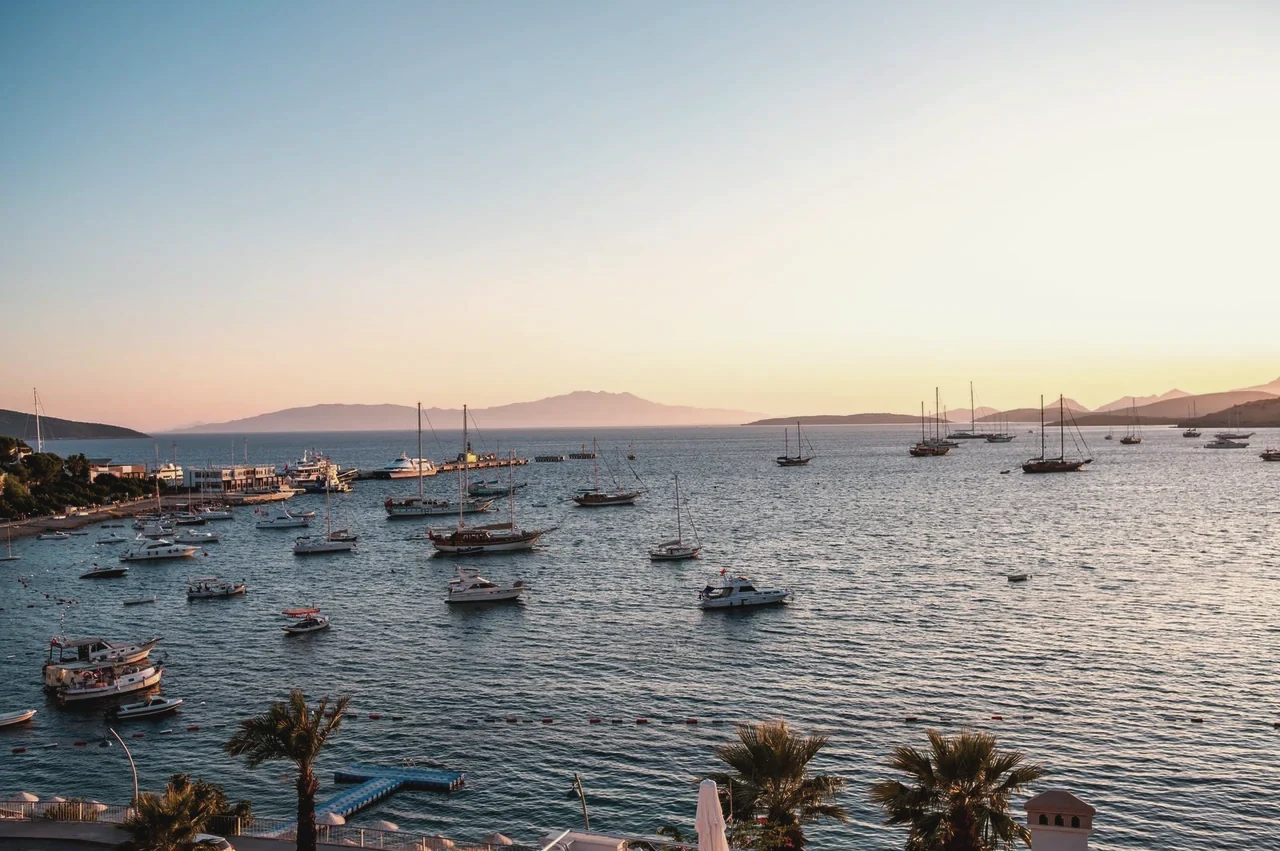
This is the best climate for permanent residence. Antalya, Bodrum, Alanya, Marmaris - most emigrants from the CIS live here. And not by chance.
Summer is long and hot: from June to September the temperature stays at +35-40°C. The humidity is low, the heat is easier to bear than in Moscow at +30°C. There is almost no rain in summer - this is a classic Mediterranean climate.
Winter is mild: December-February gives +10-15°C. Snow is rare, falling once every few years. There is rain, but not prolonged. In February the gardens are already blooming.
Swimming season is from April to November. The sea warms up to +28°C in summer and remains warm (+20-22°C) in October.
| Month | Air temperature | Sea temperature | Precipitation |
|---|---|---|---|
| January | +10-14°C | +17°C | average |
| April | +18-22°C | +20°C | rare |
| July | +35-40°C | +28°C | No |
| October | +25-28°C | +24°C | rare |
| December | +12-16°C | +18°C | moderate |
Minus: in summer it is very hot for children and the elderly. From July to August it is better to stay at home from 12 to 16 hours. Air conditioning is a necessity, not a luxury.
Aegean Coast: Izmir and Cesme
The Aegean region is similar to the Mediterranean, but a little softer. Izmir is Turkey's third city, with good infrastructure and a large expat community.
Summer: +32-36°C, wind from the sea softens the heat. Winter: +8-13°C, rains in December-January. Swimming season: May-October.
Izmir attracts those who want city life by the sea. Housing prices are lower than in Istanbul, the climate is better. International school, good hospitals, direct flights to Europe.
Cesme and Alacati are resort areas for those who work remotely. In winter it is quiet and inexpensive, in summer it is noisy and expensive.
Istanbul: temperate climate with surprises
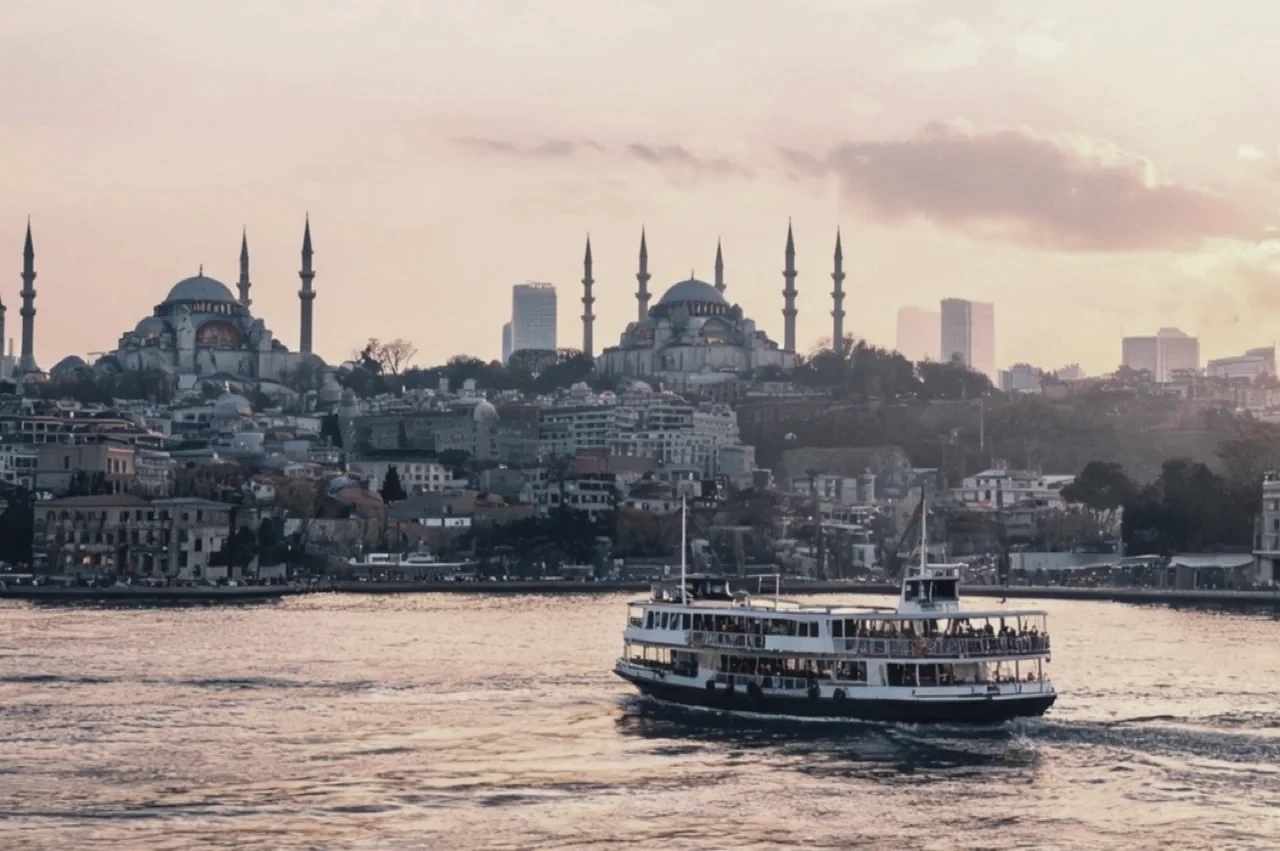
Istanbul stands on the border of two seas and two continents. The climate is moderate - but with character.
Summer: +27-32°C, high humidity. There are also rains in the summer - short but strong. The stuffiness in July-August is felt more acutely than in the south at the same temperature.
Winter: +3-8°C. Snow falls once every year or two, but when it does, the city stands up. The roads are not cleaned, transport does not work. Russians have a hard time getting used to this.
Rains - from October to March. Gray days, fog, slush. This is the most difficult time for those who followed the sun.
| Month | Average temperature | Precipitation (mm) | Sunny days |
|---|---|---|---|
| January | +5°C | 100 | 5-6 |
| April | +14°C | 50 | 14 |
| July | +28°C | 20 | 25 |
| October | +17°C | 70 | 12 |
| December | +7°C | 110 | 4-5 |
Spring (April-May) and autumn (September-October) are the best times in Istanbul. Warm, sunny, without heat and without winter dampness.
Black Sea coast: Trabzon and Rize
The Black Sea coast is the wettest region of Turkey. Trabzon, Rize, Giresun - tea and hazelnuts grow here. Because it rains a lot.
Summer: +24-28°C, humidity 80-90%. Winter: +5-10°C, rains almost every day. There is snow in the mountains already in November. There are less than 100 sunny days a year.
The Black Sea region is rarely chosen for relocation. But it has its advantages: cheap housing, green nature, fresh seafood, a more relaxed way of life. If you are not afraid of rain, this is a quiet and inexpensive place.
Important: there is no beach holiday here. Black Sea beaches are pebble, the water is colder (+20-22°C in July), there is less infrastructure.
Central Anatolia: Ankara
Ankara is the capital of the country and the second largest city. The climate is sharply continental. This is not a resort.
Summer is hot and dry: +35-38°C in July. Winter is cold: -5 to -10°C in January, snow remains for several weeks. Spring and autumn are short.
Humidity is low. Therefore, both heat and frost are tolerable. But if you went to Turkey for a mild winter, Ankara will disappoint.
Ankara's plus: reasonable housing prices, good infrastructure, fewer tourists. Minus: the climate is far from a Mediterranean paradise.
Eastern Turkey: harsh winters
Erzurum, Kars, Van are eastern provinces with a continental climate. Winter is real here: -20-30°C, snow from November to April.
Summer is short and pleasant: +25-30°C, dry. The nature is impressive - mountains, lakes, ancient fortresses.
Emigrants practically do not live here. The infrastructure is weaker, the language of communication is Turkish without English, the climate is harsh. But it’s cheap: rental housing is 3-5 times lower than in Istanbul.
The best climate for living: comparison of regions
The choice of region depends on your lifestyle. Here's a fair comparison.
| Region | Summer | Winter | Who is it suitable for? |
|---|---|---|---|
| Antalya / Alanya | +35-40°C, dry | +10-15°C, soft | Pensioners, families, downshifters |
| Bodrum / Marmaris | +33-38°C, wind | +8-13°C, rains | Remote workers, yachting |
| Izmir | +32-36°C | +8-13°C | Families, business, expats |
| Istanbul | +27-32°C, humid | +3-8°C, rain/snow | Business, youth, career |
| Trabzon | +24-28°C, humid | +5-10°C, rains | Non-standard choice |
| Ankara | +35-38°C, dry | -5 to -10°C, snow | Civil servants |
| East | +25-30°C | -20-30°C | Adventure, budget |
If you want warm winters and mild summers, choose the Mediterranean or Aegean coast. For business activity with a city rhythm - Istanbul. For budget living in silence - the Black Sea region.
We will find the right basis for residency in Turkey
We calculate the budget and timing for your family and list the documents you need.
Weather by month: when to move
The best month to move to the south of Turkey is September or October. The heat is subsiding, the sea is still warm, rental prices are falling.
March-April is a second good option. Nature is blooming, there are no tourists, you can calmly look around.
July-August is the worst time to move. The heat is exhausting, housing prices are at their peak, tourists are everywhere. If you arrived during this period, do not draw conclusions about the country, wait until September.
For Istanbul, the best moving period is May or September. April is still rainy, October is already grey, but these two months are perfect.
Climate and health: what is important to know
Doctors consider the Mediterranean climate to be one of the most beneficial. Sunshine all year round reduces the risk of depression, joint pain decreases in dry air, and respiratory problems improve for many.
But there are nuances. The summer heat in Antalya (+40°C) is difficult for heart patients and children under 3 years old. Air conditioning is a must, but a sudden change from +40 outside to +20 indoors is a common cause of colds.
Allergy sufferers, please note: in spring (March-April) there is active flowering in Turkey. Especially on the coast - olives, citruses, cereals. If you have hay fever, check the flowering season in the selected region.
The humid climate of the Black Sea region is contraindicated for rheumatism and pulmonary diseases. Central Anatolia, with its dry continental climate, on the contrary, is better for such cases.
Practice: how to check the climate before moving
The most common mistake is to come for a week in the summer, fall in love with the sea and rent an apartment. And then face gray November in Istanbul or 40-degree heat without air conditioning.
The rule is simple: spend at least one “bad” season in the region. For the south this is summer (July-August). For Istanbul it is winter (December-February).
Useful sources for checking your climate: Numbeo - Turkish climate gives ratings from real residents. The website meteoblue.com shows weather archives for any city for 30 years.
Another way is to talk to those who already live in the selected city. In Antalya and Istanbul there are Russian-speaking communities on Telegram, where people talk about the disadvantages.
And one more thing: the climate on the coast and 20 km from it may differ. The mountains near Analya provide coolness. The Asian side of Istanbul is slightly warmer than the European ones.
“Türkiye is often sold as a “warm country”. This is true - but only for part of the territory. When a client says “I want to go to Turkey,” the first question I ask is: which one? Antalya and Ankara are two different climatic worlds in one country. The Mediterranean coast does provide mild winters and long summers. But in summer +40°C is not a resort, it is a test. Especially for those who are used to +25°C counting as a hot day. The most comfortable months in the south are from October to May. That's 7-8 months of great weather. You need to be able to wait out the remaining 3-4 months at home with air conditioning or go to the mountains. Istanbul is a different story. The climate there is temperate, but winters are gray and damp. Snow paralyzes the entire city once a year. People who followed the sun are disappointed in winter. Therefore, my advice is always the same: come to the chosen city during its “bad” season. If you feel comfortable, then you have found your place.”
Climate for families with children
For families with school-aged children, the best choice is Antalya or Izmir. Mild winters allow you to walk all year round. Children do not get sick as often as in cold climates.
In summer, it is important to organize your routine correctly. From 12 to 17 hours the heat is too strong for active games outside. It's good if there is a pool or the sea nearby.
For children under 2 years old: be careful during the summer in Antalya. +40°C is a serious load. In the hot months, pediatricians recommend going to mountainous areas (Kemer, Beydaglari) at an altitude of 700-1000 m - it is 8-10 degrees cooler there.
Istanbul with children has convenient infrastructure, but winter (rain, slush, sometimes snow) is worse than in the south. If your children are small and you want an active life outside, the south is preferable.
Moving to Turkey: status and documents
We chose the climate - now about the legal side. For long-term residence in Turkey you need a residence permit (residence permit).
The most popular option for the CIS audience is a residence permit through the purchase of real estate or investment. The minimum threshold for citizenship by investment is $400,000 in real estate with a 3 year hold.
More information about citizenship and residence permit programs is on the page Turkish citizenship by investment. There are also current conditions, deadlines and what is included in the process.
Tax residency occurs when you reside for more than 183 days a year. Türkiye does not tax income earned abroad unless it is remitted into the country. This is important for those who work remotely or earn income in Russia or Europe.
Infrastructure in different climatic zones
Climate and infrastructure often go hand in hand in Turkey. Tourist regions are better developed.
Antalya: excellent roads, international airport, large shopping centers, private clinics with Russian-speaking staff, international schools. The best infrastructure for emigrants from the CIS.
Istanbul: a metropolis with metro, buses, ferries. Everything is there - but the traffic jams are catastrophic. It takes 2 hours to drive from one end of the city to the other.
Izmir: more compact than Istanbul, good metro, pleasant pace of life. Less traffic jams, more European spirit.
Trabzon and east: infrastructure is weaker. There are no international schools, there are few private clinics, and English-language service is rare. This is important to consider for families with children.
Comparison with Russia: what to prepare for
The main climate shock in Antalya is not the heat, but the absence of winter. This sounds like a plus, but psychologically the brain does not understand where the “beginning of the year” is. Many describe the first winter without snow as strangely disorienting.
Summer heat +40°C is subjectively worse than Moscow +30°C due to the duration: in Moscow the heat lasts for weeks, in Antalya - 4 months in a row. The air conditioning works 24 hours a day.
Istanbul winter is reminiscent of St. Petersburg: +5°C, gray sky, rain. But without -20°C and without organized snow removal. If you lived in Moscow, Istanbul in winter will seem familiar, but without winter infrastructure.
Summer daylight hours in Antalya: 14-15 hours. The sun rises at 5:30 and sets at 20:00. This is invigorating and pleasing - especially after a grey northern February.
We will send a document checklist for your case
Leave your details: we will put together documents and timelines for your family.
Bottom line: how to choose a region by climate
A few simple questions will help you decide.
Is a warm winter important to you? Choose the Mediterranean or the Aegean coast. Antalya and Izmir give +10-15°C in January.
Do you want city life with a career? Istanbul is the only choice. The climate will have to be taken for granted.
Do you work remotely and want silence? Bodrum or Cesme in the off-season - budget and comfortable.
Do you have problems with your joints or lungs? The dry climate of Antalya or Central Anatolia is better than the humid Black Sea region.
Are you with children and appreciate nature? Izmir - balance of climate, infrastructure and prices.
And most importantly: do not make a decision remotely. Come and live for a month in different seasons. Climate is something you feel with your skin, and not something you read in articles.
Frequently asked
Questions people ask before deciding
01Where is the mildest climate in Turkey?
On the Mediterranean coast - in Antalya, Alanya, Bodrum. Winter there is +10-15°C, summer is dry and hot. The swimming season lasts from April to November.
02What is the climate in Istanbul in winter?
Moderate, but not warm: +3-8°C, rain, sometimes snow. Snow falls once every 1-2 years and paralyzes the city - the roads are not cleaned. There are many gray days from October to March.
03Is it hot in Turkey in summer?
It is very hot in the south and center. Antalya: +35-40°C from June to September. Istanbul: +27-32°C. Black Sea coast: +24-28°C. Humidity in the south is low, the heat is easier to bear.
04When is the best time to move to Turkey?
The best time to move to the south is September-October. The heat is subsiding, prices are falling, there are no tourists. For Istanbul - May or September.
05Is there snow in Turkey?
Yes, but not everywhere. In the mountains of the east - from November to April. In Ankara there is snow for several weeks in winter. On the Mediterranean coast, snow is rare, occurring once every few years.
06Is Turkey's climate suitable for children?
The southern coast is good for children: mild winters, long summers. In summer, the heat of +40°C requires a regime - walk only in the morning and evening. For children under 2 years old, it is better to go to mountainous areas in July-August.
07How many months can you swim in the sea in Turkey?
In the Mediterranean - from April to November, this is 8 months. On the Aegean coast - from May to October. On the Black Sea - June-August, the water is colder.
08How does the climate of Antalya differ from Istanbul?
Antalya - Mediterranean climate: mild winters (+10-15°C), hot dry summers (+35-40°C). Istanbul - moderate: winter +3-8°C with rain and snow, summer +27-32°C with humidity.
09Which region of Turkey is the wettest?
Black Sea coast - Trabzon and Rize. Rains almost every day, humidity 80-90%, about 2000 mm of precipitation per year. This is the greenest, but also the rainiest region.
10Do you need air conditioning in Turkey?
In the south and in Istanbul - a must. In summer it is impossible to live without air conditioning in an apartment. When renting, make sure there is one in every room, not just the bedroom.
11How to move to Turkey officially?
For long-term residence you need a residence permit. You can get it through the purchase of real estate, investment or business. For details, visit the Turkish citizenship page on the BRIDGES GLOBAL website.
12Does Turkey's climate affect health?
The Mediterranean climate is beneficial for diseases of the joints, respiratory system and a tendency to depression. Dry air and plenty of sun are a plus for most. The humid Black Sea region is worse for rheumatism.
About the author
Related materials
What to read next
 ArticleTurkish citizenship by investment in 2026: complete guide
 ComparisonCaribbean or Turkey: Citizenship for Contribution or Real Estate in 2026
 AnalysisWhat is due diligence and why the Caribbean is rejecting applications
Personal programme selection is conducted by Anna Kovalevskaya, Head of Legal, BRIDGES.
Moving to Turkey: what to settle first
Housing, schooling, healthcare, accounts and taxes - the order and what takes longest.
