Living abroad · Bulgaria
Best Districts and Cities in Bulgaria for Foreigners to Live
Updated: June 2026·12 min read·Expert reviewed
Terms and costs verified: June 2026
Contents
Bulgaria attracts foreigners with low prices, sea, and mountains. However, the country is diverse: quiet Veliko Tarnovo and bustling central Varna offer completely different lifestyles. District choice matters. It determines rental costs, commute times, and your social circle. This guide reviews major cities and best districts within each. For each district—prices, atmosphere, and ideal residents. At the end—a list of districts to avoid.
How to Choose a District in Bulgaria
Bulgaria is a small country, but residential location significantly impacts quality of life. Sofia—work and business connections. Varna—sea and warm climate. Plovdiv—culture and low prices. Bansko—mountains and international community.
Within each city, differences exist. One district costs twice as much as a neighboring one. One is quiet and green; another is noisy with dense construction. We examine each in detail.
If you are interested in relocating through EU citizenship via Bulgarian heritage, explore the program on the Bulgarian Citizenship.
We will send a document checklist for your case
Leave your details: we will put together documents and timelines for your family.
Sofia: General Overview
Sofia is the capital and largest city in the country. It concentrates business, IT companies, universities, and embassies. Infrastructure is the best in the country: metro, airport with direct flights to Europe.
Population approximately 1.3 million people. Average 1BR rent in 2026—550-900 EUR depending on district. This is expensive by Bulgarian standards but inexpensive by Western European standards.
For a foreigner in Sofia, choosing a district immediately is important: the center and Lozenets differ significantly from Mladost and residential neighborhoods.
Lozenets—Elite District of Sofia
Lozenets is Sofia's most prestigious residential district. Home to diplomats, top managers, and wealthy Bulgarians. Quiet streets, green courtyards, adjacent to South Park.
Many embassies and international company offices. Good restaurants, cafes, private kindergartens. Safe at any time of day.
Ideal for: Families with children, foreign specialists, those who value quiet and safety.
Rental Prices:
Drawbacks: Expensive. Limited parking. Heavy traffic on main streets during the day.
Izgrev and Vitosha—Quiet and Green
Izgrev is a calm residential district next to Lozenets. Low-rise construction, private homes, and small residential complexes. Abundant greenery, less traffic. Prices slightly lower than Lozenets.
Vitosha district is located at the foot of the mountain of the same name. Main advantage—direct access to nature from home. Hiking trails begin 10-15 minutes' walk away. Skiing slopes nearby in winter.
Izgrev Suitability: Couples and families who value quiet. Freelancers and remote workers.
Who Vitosha is suitable for: Active lifestyle enthusiasts, retirees, those who run in the mornings or ski in winter.
Rental in Izgrev: 1BR - 500-750 EUR, 2BR - 750-1200 EUR. In Vitosha: 1BR - 450-700 EUR, 2BR - 700-1100 EUR.
Mladost and center: for families and budget-conscious renters
Mladost is a large residential district in eastern Sofia. Typical prefab housing development. Metro available - Line M2 runs through Mladost 1, 3, 4. Many shops, shopping centers, kindergartens.
Infrastructure is decent, but the atmosphere is more of a working-class neighborhood. Plenty of green spaces: Druzhba Park is nearby.
Who it's for: Families with children on a limited budget, students, those working in the eastern part of the city.
Prices: 1BR - 350-500 EUR, 2BR - 500-750 EUR, 3BR - 700-1000 EUR. Among the most affordable prices in the city with metro access.
Sofia Center - an option for those who want to be in the heart of the city. But rental prices are higher than Lozenets, and noise and parking chaos deter families with children.
Varna: sea, expats and business
Varna is the third largest city in the country and the main seaside resort. Population doubles in summer, quiet and budget-friendly in winter. The highest concentration of foreigners living here permanently: British, Germans, Russians, Ukrainians.
Climate is milder than in Sofia. Hot summers (28-35 degrees), short winter. Airport with seasonal flights to Europe. According to Numbeo, the cost of living in Varna is 15-20% lower than in Sofia.
Chayka - best Varna district for expats
Chayka is the northern district of Varna right by the sea. The largest concentration of foreigners in the country lives here. English speech in cafes is the norm. Several restaurants with international cuisine, international kindergartens.
Modern residential complexes with guarded territory. 5-10 minutes walk to the beach. 15-20 minutes drive to Varna center.
Who it's for: Expats, families with children, retirees from Europe and CIS countries, remote workers.
Rental prices:
| Type | Season (May-Sept) | Off-season (Oct-Apr) |
|---|---|---|
| 1BR | 500-800 EUR | 350-550 EUR |
| 2BR | 800-1200 EUR | 550-850 EUR |
| 3BR | 1200-2000 EUR | 800-1300 EUR |
Drawbacks: Crowded and noisy in summer. Prices fluctuate seasonally. Many establishments close in winter.
Vinitsa and Vladislavovo: alternatives in Varna
Vinitsa is a quiet residential district north of center. Fewer tourists, more local families. Good infrastructure: schools, clinics, supermarkets.
Prices in Vinitsa: 1BR - 300-450 EUR, 2BR - 450-650 EUR. About 20% cheaper than Chayka.
Vladislavovo is the most budget option in Varna. Prefab houses, market, affordable shops. Few foreigners.
Prices in Vladislavovo: 1BR - 200-320 EUR, 2BR - 320-480 EUR.
Vinitsa is suitable for: Families with children, those seeking peaceful life without tourist noise.
Vladislavovo is suitable for: Students, those who came for a short stay with minimal budget.
Plovdiv: culture, history and affordable prices
Plovdiv is the second largest city in the country. European Capital of Culture 2019. Beautiful Old Town, developed cultural life, cafes and galleries. At the same time - some of the most affordable prices among major Bulgarian cities.
Old Town: Historic center on hills. Cobblestone streets, Renaissance architecture. Popular among tourists and creative people. Rental 1BR - 450-700 EUR.
Karshiyaka: Quiet residential district. Mixed housing development. Many schools and kindergartens. Suitable for families. Rental 1BR - 300-480 EUR.
Trakiya: Plovdiv's largest residential district. Prefab houses, markets. Rental 1BR - 200-320 EUR - among the lowest prices in major Bulgarian cities.
Who it's for: Creative people and freelancers, families with moderate budget, those who value cultural environment and don't want to pay capital city prices.
"Bulgaria remains one of the most underrated countries for relocation in Europe. Most often people ask about Varna and Bansko - but when we start analyzing details, many families settle on Plovdiv. The combination of price, infrastructure and cultural environment there is very strong. It's important to understand: choosing a district is not just a budget question. It's a lifestyle question. A young entrepreneur in Bansko and a family with two children in Lozenets - these are different countries within one country. That's why we always start with the question: what does your typical day look like? The answer immediately narrows the list to 2-3 options. And one more thing: if a client has Bulgarian roots, choosing a place of residence often becomes part of a broader strategy - obtaining an EU passport and freedom of movement throughout the European Union."
Bansko: mountain resort with international spirit
Bansko is a small mountain town in the southwest of the country. International-level ski resort. In summer - hiking and cycling routes. Disproportionately many foreigners here: British, Germans, Poles, Russian speakers.
Free and relaxed atmosphere: cafes with laptops, digital nomad clubs. At the same time - some of the lowest housing prices in this guide.
Best for: Digital nomads and remote workers, mountain enthusiasts, European retirees.
| Housing type | Low season | Ski season |
|---|---|---|
| Studio | 150-250 EUR | 300-600 EUR |
| 1BR apartment | 200-400 EUR | 400-800 EUR |
| 2BR apartment | 350-600 EUR | 600-1200 EUR |
Drawbacks: Life comes to a standstill off-season. No employment opportunities for hired workers. A car is necessary. Sofia is 2 hours away by bus.
Black Sea Coast: Sveti Vlas and Sozopol
South of Varna are located small coastal towns. They are popular among foreigners who want to live by the sea without city hustle.
Sveti Vlas - a small resort village between Nesebar and Sunny Beach. Many modern apartment complexes with swimming pools. A significant portion of residents are foreigners on permanent residence. 1BR rental - EUR 250-450 in low season, EUR 500-900 in summer.
Sozopol - an ancient fishing town with a beautiful Old Town on a peninsula. More authentic, fewer tourist complexes. In winter there are almost no tourists - you can rent a decent apartment for EUR 200-350. In summer prices increase 2-3 times.
Best for: Retirees and rentiers, remote workers, families who want to live by the sea affordably.
Veliko Tarnovo: History and Tranquility
Veliko Tarnovo - the historical capital of medieval Bulgaria. A picturesque town on hills above the Yantra River. Tsarevets Fortress, ancient churches, cozy cafes in the old town.
Population of approximately 60,000 people. A student city - home to a major university. Fewer foreigners than in Varna or Bansko, but a significant number of freelancers and retirees.
Prices are among the lowest in the country. 1BR rental - EUR 180-300, 2BR - EUR 280-450. Groceries and cafe food are cheaper than the Bulgarian average.
Best for: History enthusiasts, freelancers on a limited budget, retirees.
Drawbacks: Small job market, mountainous terrain, nearest airport in Sofia (3 hours away).
Cost of living by district: comparison table
We compare actual expenses in different districts. Prices are current as of 2026.
| Expense category | Lozenets (Sofia) | Chayka (Varna) | Bansko | Thrace (Plovdiv) |
|---|---|---|---|---|
| 1BR rental | 600-900 EUR | 400-600 EUR | 200-400 EUR | 200-320 EUR |
| 2BR rental | 900-1400 EUR | 600-900 EUR | 350-600 EUR | 320-480 EUR |
| 3BR rental | 1400-2200 EUR | 800-1300 EUR | 600-1200 EUR | 480-700 EUR |
| Groceries (1 person/month) | 200-280 EUR | 180-250 EUR | 150-220 EUR | 150-210 EUR |
| Milk 1 liter | 1.2-1.5 EUR | 1.1-1.4 EUR | 1.1-1.4 EUR | 1.0-1.3 EUR |
| Bread (500 g) | 0.6-1.0 EUR | 0.6-1.0 EUR | 0.6-1.0 EUR | 0.5-0.9 EUR |
| Cafe lunch (1 person) | 8-15 EUR | 7-13 EUR | 6-12 EUR | 5-10 EUR |
| Transport (subscription) | 20-25 EUR | 18-22 EUR | None (car) | 15-20 EUR |
| Utilities (1BR, winter) | 80-150 EUR | 70-130 EUR | 60-120 EUR | 60-110 EUR |
| Internet (100 Mbps) | 10-15 EUR | 10-15 EUR | 10-15 EUR | 8-12 EUR |
| Insurance (adult) | 30-80 EUR | 30-80 EUR | 30-80 EUR | 25-70 EUR |
| Private kindergarten | 300-600 EUR | 250-500 EUR | 200-400 EUR | 200-400 EUR |
| Car (insurance/year) | 200-400 EUR | 200-400 EUR | 200-400 EUR | 180-350 EUR |
Bulgaria is overall 40-60% cheaper than Western Europe in terms of cost of living.
We will find the right basis for residency in Bulgaria
We calculate the budget and timing for your family and list the documents you need.
Districts to avoid
section: not all districts are equally comfortable for foreigners.
Fakulteta and Filipovci (Sofia) - districts with high levels of social tension. Not recommended for families and single women. Agents sometimes offer cheap apartments there - this is a trap.
Stolipinovo (Plovdiv) - Bulgaria's largest Roma district. Infrastructure is underdeveloped; safety levels are below city average.
Vladislavovo (Varna) - not dangerous, but uncomfortable. Noisy, many markets, chaotic traffic. Suitable for temporary residence; for permanent residence, choose another district.
General rule: before signing a lease, walk around the district in the evening on a weekday. This will give you a true sense of the atmosphere.
How to check a district before moving
Several practical steps that will save you stress.
Step 1. Come for reconnaissance. Best approach - spend 2-3 weeks in the city, rent temporary accommodation, and explore different districts independently. Bulgaria is small: you can travel from Varna to Plovdiv by bus in 3 hours.
Step 2. Check transport accessibility. For Sofia this is critical: is there metro nearby or will you be stuck in traffic. For Bansko and coastal cities you need a car - public transport is rare.
Step 3. Research the rental market. Websites imot.bg and bazar.bg are the main platforms. Prices there are realistic. Agent commissions are usually 1 month's rent.
Step 4. Connect with the local community. Facebook has expat groups in each city. Members will share current conditions.
Step 5. Clarify legal status. For long-term residence you need a residence permit. If you have Bulgarian roots, EU citizenship is possible - more details on the page Bulgaria citizenship program.
Residence permit and documents for residence
A third-country citizen requires a residence permit for long-term residence in Bulgaria. This is mandatory for legal residence longer than 90 days per half-year.
Main grounds for residence permit: employment, business ownership, studies, pension income, or property ownership.
Separate path - Bulgarian citizenship by descent. If you have Bulgarian roots, you can apply for a Bulgarian EU passport. After the 2026 reform, the process became more transparent: applications are submitted directly to the Ministry of Justice. Processing time - approximately 9 months. Citizenship gives the right to live and work throughout the EU without restrictions.
Program details and conditions - see the page Bulgaria citizenship.
Frequently asked
Questions people ask before deciding
01Which District in Bulgaria is Best for a Family with Children?
Lozenets in Sofia and Chayka in Varna are top options. Lozenets has good private schools and kindergartens, and is safe. Chayka has many expat families, English is heard everywhere. For a budget option - Karshiyaka in Plovdiv.
02Where in Bulgaria is Housing the Most Affordable?
The most affordable prices are in Thrace (Plovdiv) and Veliko Tarnovo: 1BR from 180-250 EUR per month. Bansko outside the ski season is also very cheap. Vladislavovo in Varna is inexpensive, but has a specific atmosphere.
03Is It Worth Living in Bansko Year-Round?
It depends on lifestyle. For remote workers and mountain lovers - excellent: inexpensive, international environment, nature. For employed workers - problematic: little work, the town shuts down off-season. A car is mandatory.
04How Safe Is It to Live in Bulgaria?
Generally safe. According to the Global Peace Index, Bulgaria is in the middle of the list of European countries. Lozenets, Chayka, Vinitsa, Karshiyaka are quiet neighborhoods. Fakulteta in Sofia and Stolipinovo in Plovdiv are best avoided.
05Is a Car Necessary in Bulgaria?
In Sofia and Plovdiv - not necessary, there is public transport. In Bansko, Sveti Vlas, Veliko Tarnovo - necessary. In Varna - convenient to have one, but you can manage with taxis and buses.
06How to Find an Apartment in Bulgaria Without a Mediator?
Main platforms: imot.bg and bazar.bg. There are listings from both agencies and private owners. In Facebook expat groups, rentals are often offered directly. Agency commission is usually equal to one month's rent.
07Can a Foreigner Buy an Apartment in Bulgaria?
EU citizens can buy without restrictions. Citizens of third countries - through a legal entity (Bulgarian company). After obtaining a residence permit or citizenship, there are no restrictions.
08How to Obtain a Residence Permit in Bulgaria?
Grounds: employment, business, education, retirement income, real estate ownership. For third-country citizens, a document package is required. Alternative - citizenship through Bulgarian descent: an EU passport without the need to permanently reside in the country.
09Where in Bulgaria Are There the Most Foreigners?
Most expats are in Chayka (Varna), Bansko, and Lozenets (Sofia). On the Black Sea coast there are many British and German retirees. Russian speakers are numerous in Varna, Burgas, and Sveti Vlas.
10How Does Climate Affect the Choice of Residence?
Varna and the coast - mild winter, hot summer. Sofia - more extreme temperature fluctuations, snow in winter. Bansko - mountain climate, cold winters, cool summer. Plovdiv - hotter than Sofia in summer, milder in winter.
11Which Bulgarian City Is Best for Retirees?
Sveti Vlas and Sozopol - sea, quiet, low prices off-season. Veliko Tarnovo - beautiful, historic, inexpensive. Bansko in winter - for active people who love skiing. Vinitsa in Varna - a quiet neighborhood with good infrastructure.
12Does Bulgarian Citizenship Give the Right to Live in Other EU Countries?
Yes. A Bulgarian passport is an EU passport. Its holder has the right to live and work in any European Union country without a visa and work permit. More details - on the Bulgarian citizenship program page.
About the author
Related materials
What to read next
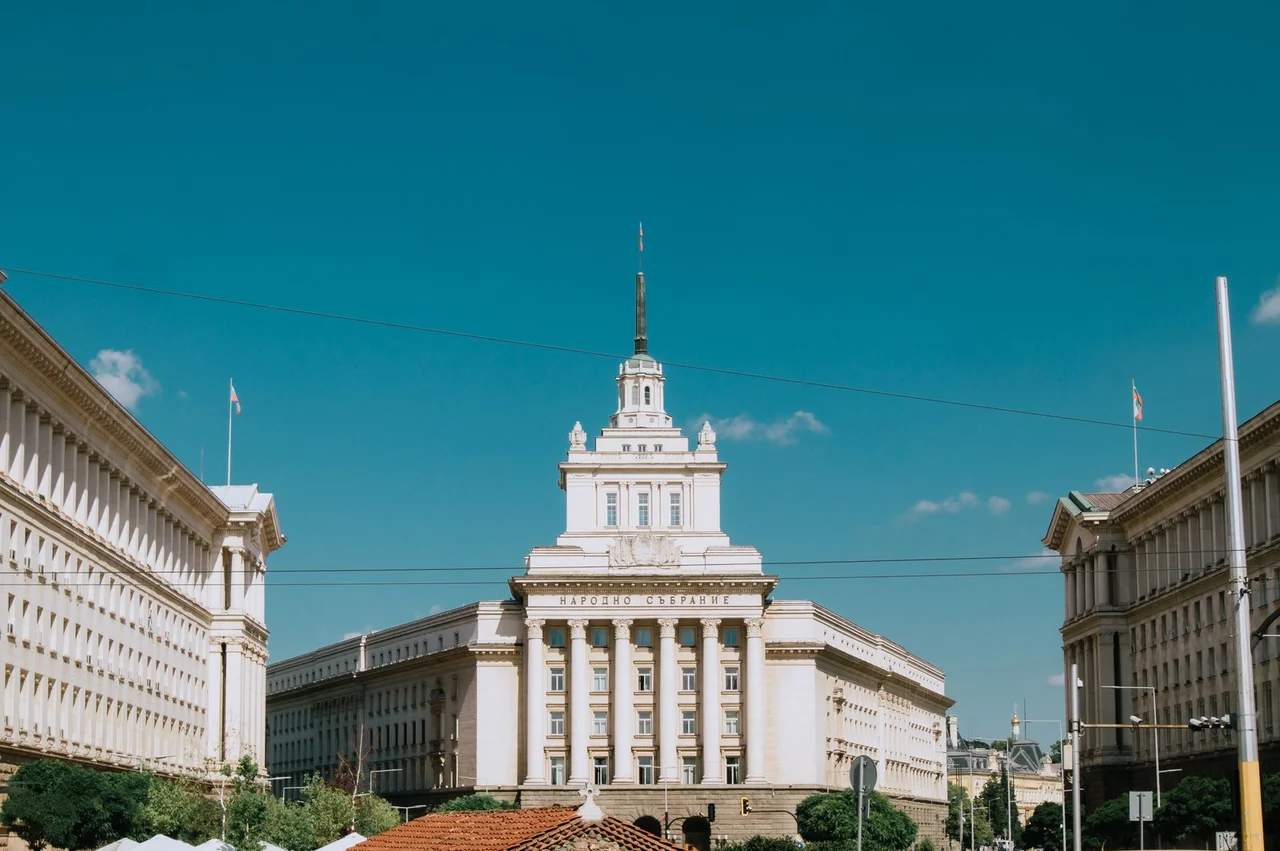 ArticleBulgarian citizenship through investment in 2026: why the program was cancelled and what works instead
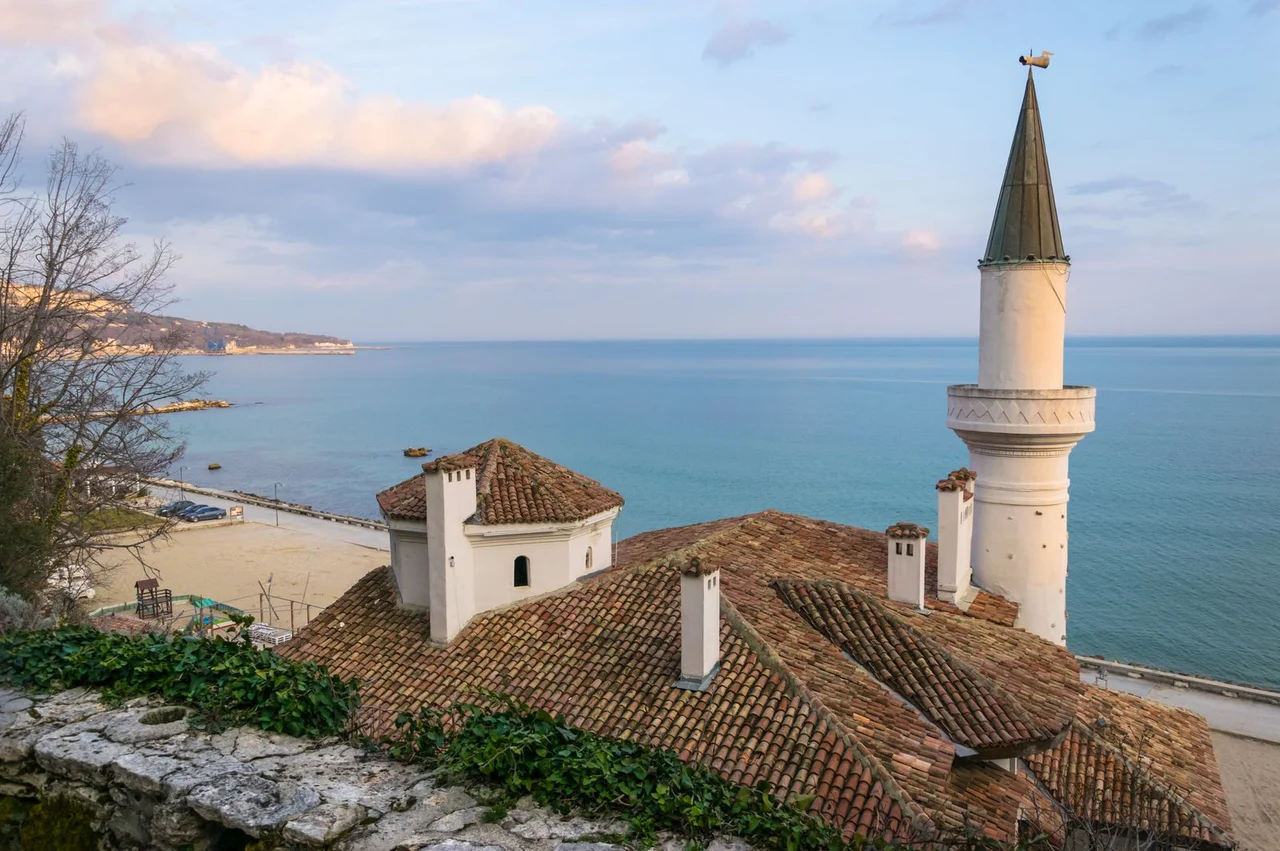 ComparisonCitizenship of Bulgaria or Romania: what to choose for an EU passport
 AnalysisWhat is due diligence and why the Caribbean is rejecting applications
Personal programme selection is conducted by Anna Kovalevskaya, Head of Legal, BRIDGES.
Moving to Bulgaria: what to settle first
Housing, schooling, healthcare, accounts and taxes - the order and what takes longest.