Citizenship · Sierra Leone
Flag of Sierra Leone: meaning of colors, history and coat of arms

Updated: June 2026·9 min read·Expert reviewed
Terms and costs verified: June 2026
Contents
The flag of Sierra Leone is one of the most laconic in West Africa: three even horizontal stripes of green, white and blue. Behind this simplicity stands an entire country - the forested mountains that give the state its name, the oceanic harbor of Freetown and the idea of unity for which the former British colony met in 1961. In this analysis, we will calmly and in detail explain what the flag of Sierra Leone means, where its colors come from, how the coat of arms with a lion is associated with the flag, and what the Lion Mountains have to do with it. And at the same time, we will show why this small country today comes to the attention of those who are thinking about a second passport.
What does the Sierra Leone flag look like?
The flag of Sierra Leone is a horizontal tricolor of three stripes of equal height. There is a green stripe at the top, a white stripe in the middle, and a blue stripe at the bottom. There are no emblems, stars or inscriptions on the panel: the colors speak for themselves.
The official aspect ratio of the flag is 2:3 (height to width). This means that the flag is slightly elongated horizontally - a classic proportion for most national flags of the world.
The simplicity here is not accidental. As the country emerged from British rule, it needed a recognizable and neutral symbol that would unite different peoples and regions, rather than highlighting differences. Three calm stripes solved this problem: the flag is easy to draw, easy to recognize and impossible to confuse with the colonial past.
What does the Sierra Leone flag mean: the meaning of the colors
The main question that is asked about this flag is: what does the Sierra Leone flag mean and why green, white and blue were chosen. The meaning of the Sierra Leone flag rests on three ideas - land, harmony and sea.
Green - this is agriculture, the country's natural resources and its mountains. We are talking about the same Lion Mountains (Lion Mountains), from which the very name of the state comes. Green is the color of fertile land, forests and the agrarian basis of the economy.
White symbolizes unity and justice. This wish for peace and harmony between the different communities of the young country is an idea that is especially important for a state that has just gained independence.
Blue refers to the natural harbor of Freetown - one of the largest natural bays in the world - and to the Atlantic Ocean, on the shores of which the country lies. Blue is also read as hope for Sierra Leone's contribution to peace and cooperation through this sea harbour.
Colors of the flag and coat of arms: table of meanings
To make it easy to remember the meanings of the colors of the Sierra Leone flag, we will collect them in one table. The key elements of the coat of arms have also been added here - this makes it more clearly visible that the flag and the coat of arms speak the same language of symbols.
| Element | What does it mean |
|---|---|
| Green stripe | Agriculture, Natural Resources, Mountains (Lion Mountains) |
| White stripe | Unity and justice, harmony between communities |
| Blue stripe | Freetown Natural Harbor and Atlantic Ocean, Hope |
| Lion on the coat of arms | Country name - Lion Mountains |
| Jagged edge of shield | Silhouette of a mountain range over Freetown |
| Three torches | Peace, dignity, enlightenment and progress |
| Wavy lines | The sea and the country's connection with the ocean |
The colors of the coat of arms - green, white and blue - formed the basis of the flag: first the coat of arms appeared, and the panel took its palette.
History of the flag: how it appeared in 1961
The modern flag of Sierra Leone was adopted in 1961, the year the country gained independence from Great Britain. The banner was first raised at midnight on April 27, 1961, when Sierra Leone officially became an independent state.
Before this, the British Blue Ensign with the colonial emblem of Sierra Leone flew over the country - a typical symbol of an overseas possession. With the advent of independence, it was abandoned: the new country needed its own, unique sign.
An interesting point: first the coat of arms was developed for Sierra Leone, and only then the flag. The heraldic part was handled by the Chamber of Arms in London (College of Arms) together with local representatives in the run-up to independence. The main colors of the coat of arms - green, white and blue - were transferred to the flag, so the banner and the coat of arms look like a single ensemble.
Since 1961, the flag has never been seriously changed - and today it looks exactly the same as on the birthday of the independent state.
Lion Mountains: why is the country called that?
To understand the green stripe and the lion coat of arms, it is worth knowing where the name Sierra Leone itself comes from. It is directly connected to the mountains above the future Freetown.
In 1462, the Portuguese navigator Pedro de Sintra mapped the forested ridge above the harbor there and named it Serra Leoa - in Portuguese “Lion Mountains” (or “Lion Mountain”). According to one version, the outline of the ridge resembled a lying lion, according to another, the rumble of thunder over the mountains sounded like a lion's roar.
The Venetian spelling gradually evolved into the familiar Sierra Leone. So a natural detail - the Lion Mountains - became the name of an entire country. That is why the state emblem depicts a lion, and the green color of the flag refers to these very mountains.
We will map your route to Sierra Leone citizenship
We review your family, source of funds and timing and tell you which route fits.
Coat of arms of Sierra Leone: lion, torches and sea
The coat of arms of Sierra Leone was approved in 1960, on the eve of independence, and is closely related to the flag - both in meaning and in colors. If the flag tells the country with three stripes, then the coat of arms unfolds the same story in detail.
In the center of the coat of arms is a shield. It features a lion under a jagged edge: the lion is a direct reference to the country's name (Lion Mountains), and the jagged line represents the silhouette of the mountains themselves above Freetown. At the top of the shield are three torches (according to other interpretations, lamps), which symbolize peace and dignity, as well as enlightenment and progress.
At the bottom of the shield there are wavy lines - this is the sea and the country’s connection with the Atlantic. The shield is supported by two lions, and on top are palm trees, hinting at the agricultural wealth of the land. Under the shield is a motto ribbon with the national motto of the country.
So the coat of arms of Sierra Leone collects in one image everything that the flag conveys in color: mountains, unity, nature and the ocean.
What flags can be confused with
The horizontal tricolor is a common design, so the Sierra Leone flag at first glance resembles several others. But it is difficult to confuse him with a close look.
There is almost nowhere to find a similar color scheme (green-white-blue) with the same three stripes - it is the combination and order of colors that make the Sierra Leone flag recognizable. More often, green and white in tricolors are adjacent to red or yellow, as in many West African countries.
The key differences of the Sierra Leone flag: smooth horizontal stripes (rather than vertical), the complete absence of any emblems on the panel and a calm natural palette without bright contrasts. If you see clean green, white and blue stripes from top to bottom, this is almost certainly Sierra Leone.
Some interesting facts about the flag
There are a lot of interesting details around this flag that rarely find their way into school textbooks.
Firstly, the flag is essentially secondary in relation to the coat of arms: first the coat of arms symbols were invented, and only then the banner was made from its colors. This is an infrequent order - it usually happens the other way around.
Secondly, the blue stripe is a rare case where the color is dedicated not to the abstract “sky” or “freedom”, but to a specific geographical feature: the natural harbor of Freetown. This bay is one of the largest natural harbors in the world, and the country is rightly proud of it.
Thirdly, the green and the lion on the coat of arms are two sides of the same idea. The mountains gave the country its name, and the flag and coat of arms together carefully preserve the memory of this name, which was born more than five centuries ago.
“Country interest in the flag almost always leads a person to a more serious question - what this country can practically give. When it comes to Sierra Leone, I always advise keeping two things in mind. First: the citizenship by investment program here is young, and you need to treat it soberly - this is not a mature island passport with visa-free travel around half the world, but rather a quick and relatively inexpensive second document with access to the West African market through ECOWAS. Second: for applicants from Russia and the CIS, the key is not the amounts, but compliance - confirmation of the source of funds and careful work within the law, without any schemes to circumvent sanctions. If these two conditions are met and the goal matches the program's capabilities, Sierra Leone may be a meaningful choice. But the decision should always be made after a calm analysis of your particular situation - depending on the budget, family composition and goals for the coming years.”
Sierra Leone: briefly about the country behind the flag
It's easier to understand a flag if you think of the country it symbolizes. Sierra Leone is a country in West Africa, on the Atlantic coast, between Guinea and Liberia. The capital is Freetown, the same one whose harbor boasts a blue stripe flag.
It is a former British colony that gained independence in 1961, so the official language is English. The population is approximately 8-9 million people. The country is famous for its natural resources: diamonds, bauxite, rutile and gold - all of which are behind the green color of the flag.
Sierra Leone has gone through difficult years - civil war and the Ebola epidemic - but today it is a peaceful, developing state. We talk in more detail about the geography and structure of the country in a separate article about Sierra Leone as a state, and about the capital - in the review Freetown.
From Flag to Passport: Citizenship of Sierra Leone
The flag and coat of arms are the face of the state, and the passport is its practical continuation. In recent years, Sierra Leone has become of interest not only to regional experts, but also to those considering a second citizenship.
You can become a citizen both on general grounds and through investment. We discuss the basic rules and ways of naturalization in the material about Citizenship of Sierra Leone. The country allows dual citizenship, which is an important plus for many applicants from the CIS.
It is also worth mentioning that Sierra Leone is a member of ECOWAS, the economic community of West African countries. This gives you freedom to travel, live and work in around 15 countries in the region - a real advantage for those doing or planning to do business in Africa.
Citizenship by investment: GO-FOR-GOLD program
The fastest way to a passport is through investment. Sierra Leone has its own citizenship by investment program called GO-FOR-GOLD, starting around 2024. The program is young, and this is worth taking into account: let’s be, it is still gaining maturity, and the passport is still more modest in strength than the catalog of island programs.
There are two main ways. The first is an investment in gold: approximately from 1 kg of gold (approximately $148,000). The second is naturalization through a fee or contribution: approximately from $100,000. Registration is possible remotely, without mandatory residence, but with mandatory due diligence and the source of funds. It is important to clarify the current thresholds for 2026 and the conditions for a family - they may change.
A detailed analysis of the ways, amounts and requirements is in the material about Sierra Leonean citizenship by investment. A full description of the program and its conditions is collected on our Sierra Leone citizenship program page.
If you want to understand whether this option is right for you and calculate the budget for your situation - leave a request for a consultation. We will calmly break down the pros and cons and help you compare with other programs.
For applicants from Russia and the CIS
For citizens of Russia and other CIS countries, Sierra Leone may be a working option for second citizenship - but strictly within the legal framework, without any attempts to circumvent sanctions. This is a fundamental point.
In practice, this means enhanced compliance: careful verification of the source of funds and the origin of capital. You should prepare documents in advance and carefully.
Separately, let us recall the obligation of a Russian citizen to notify the authorized body of the presence of a second citizenship or residence permit within a specified period of time - this is a legal requirement, and it is important to comply with it. And one more thing: Sierra Leonean citizenship itself does not automatically make you a tax resident - tax residency is determined by where you actually live.
Where is the flag used and flag day?
The national flag of Sierra Leone is flown over government buildings, diplomatic missions, and during public holidays and sporting events. The main day when the flag is everywhere is April 27, Independence Day: it was on this date in 1961 that the flag was raised for the first time.
Like most countries, the flag has rules for handling: it is not lowered to the ground, it is not used in a damaged state, and it is raised during daylight hours or with illumination. On days of mourning, the flag is lowered - this is a sign of grief.
For travelers and those planning to associate themselves with the country, the flag is the first thing that greets you at Freetown airport and on government documents. Recognizing its three stripes means taking the first step towards getting to know the country.
BRIDGES GLOBAL expert commentary
The flag and coat of arms are the ceremonial side of the state, but behind them there are always very practical issues: passport, taxes, investment security. Below is our specialist’s view of how the romance of symbols and real solutions for Sierra Leone relate.
We at BRIDGES GLOBAL have been supporting such projects since 2004 and always start with a assessment of whether the program is suitable for a particular person, and not with selling an idea. If you have questions about second citizenship in Sierra Leone - write to us, we will analyze your situation calmly and step by step.
We will send a document checklist for your case
Leave your details: we will put together documents and timelines for your family.
Briefly: what does the flag say?
The flag of Sierra Leone is a calm story of the country in three stripes. Green is about the earth, mountains and natural resources. White is about unity and justice. Blue is about Freetown harbor and the Atlantic.
There is a big story behind the simple geometry: a name born in 1462 from the “Lion Mountains”, a coat of arms with a lion approved on the eve of independence, and the flag itself, raised at midnight on April 27, 1961. All these symbols speak about one thing - about a young state that protects its nature and strives for harmony.
And for those looking at Sierra Leone practically, the country now offers both a second passport and access to the West African market through ECOWAS. The flag is a good entry point into this topic.
Frequently asked
Questions people ask before deciding
01What does the Sierra Leone flag mean?
The flag of Sierra Leone consists of three horizontal stripes. Green means agriculture, natural resources and mountains (Lion Mountains). White - unity and justice. Blue - Freetown's natural harbor and the Atlantic Ocean, as well as hope.
02What are the colors of the Sierra Leone flag?
Three colors: green on top, white in the middle and blue on the bottom. This is a calm natural palette without bright contrasts and without any emblems on the panel.
03When was the Sierra Leone flag adopted?
The flag was adopted in 1961, the year of independence from Great Britain. It was first raised at midnight on April 27, 1961, the moment the independent state was born.
04What does the green color on the flag mean?
Green symbolizes agriculture, the country's natural resources and its mountains - the same Lion Mountains (Lion Mountains) from which the name Sierra Leone comes.
05What does the blue stripe symbolize?
The blue color references Freetown's natural harbor - one of the world's largest natural bays - and the Atlantic Ocean. It is also read as hope for the country's contribution to peace and cooperation.
06What is depicted on the coat of arms of Sierra Leone?
The coat of arms features a shield with a lion under a jagged edge (silhouette of mountains), three torches as a symbol of peace, dignity and progress, and below the wavy lines of the sea. The shield is supported by two lions, with palm trees on top.
07Why is there a lion on the coat of arms of Sierra Leone?
Leo is associated with the name of the country. In 1462, the Portuguese Pedro de Sintra named the mountains above the future Freetown Serra Leoa - "Lion Mountains". So the natural detail became the name of the state, and the lion became a symbol on the coat of arms.
08Why is the country called Sierra Leone?
The name comes from the Portuguese Serra Leoa - “Lion Mountains”. According to one version, the outline of the ridge resembled a lion, according to another, the rumble of thunder over the mountains sounded like a lion's roar. The Venetian spelling became Sierra Leone.
09What is the aspect ratio of the Sierra Leone flag?
The official aspect ratio is 2:3 (height to width). This is the standard proportion for most national flags of the world.
10Has the flag of Sierra Leone changed since independence?
No, the flag has not changed significantly since 1961. Today it looks the same as the day the country became independent - three equal stripes of green, white and blue.
11What flag can the Sierra Leone flag be confused with?
The combination of green, white and blue horizontal stripes is rare, so it is difficult to confuse it. The flag is distinguished by smooth horizontal stripes, the absence of emblems and a calm natural color scheme.
12Is it possible to obtain Sierra Leonean citizenship by investment?
Yes. The country has a GO-FOR-GOLD program (approximately from 2024): investment in gold from 1 kg (about $148,000) or naturalization through a contribution of approximately $100,000, remotely and with verification of the source of funds. Please check the conditions for 2026 during your consultation.
Transparency
How this material was prepared
- Author
- Andres Ferreira, head of Investment Advisory, BRIDGES
- Terms and costs last verified
- June 2026
- Sources
- official government authorities of the relevant country and state publications
- Methodology
- government minimum requirements are stated separately from due diligence charges, state fees, legal and banking costs
Sources and methodology
Figures, terms and timelines are checked against official sources as of June 2026. Link availability verified in August 2026. Third-party blogs and agent websites are not used as a source of programme terms.
- [1]State House, Republic of Sierra LeoneOfficial government publicationswww.statehouse.gov.sl
Methodology: tables and charts state government minimum investment requirements; due diligence charges, state fees, legal, banking and other costs are calculated separately and are not included in the minimum thresholds.
About the author
Related materials
What to read next
 ComparisonAntigua and Barbuda or Grenada: Family Passport for Large Families in 2026
 AnalysisWhat is due diligence and why the Caribbean is rejecting applications
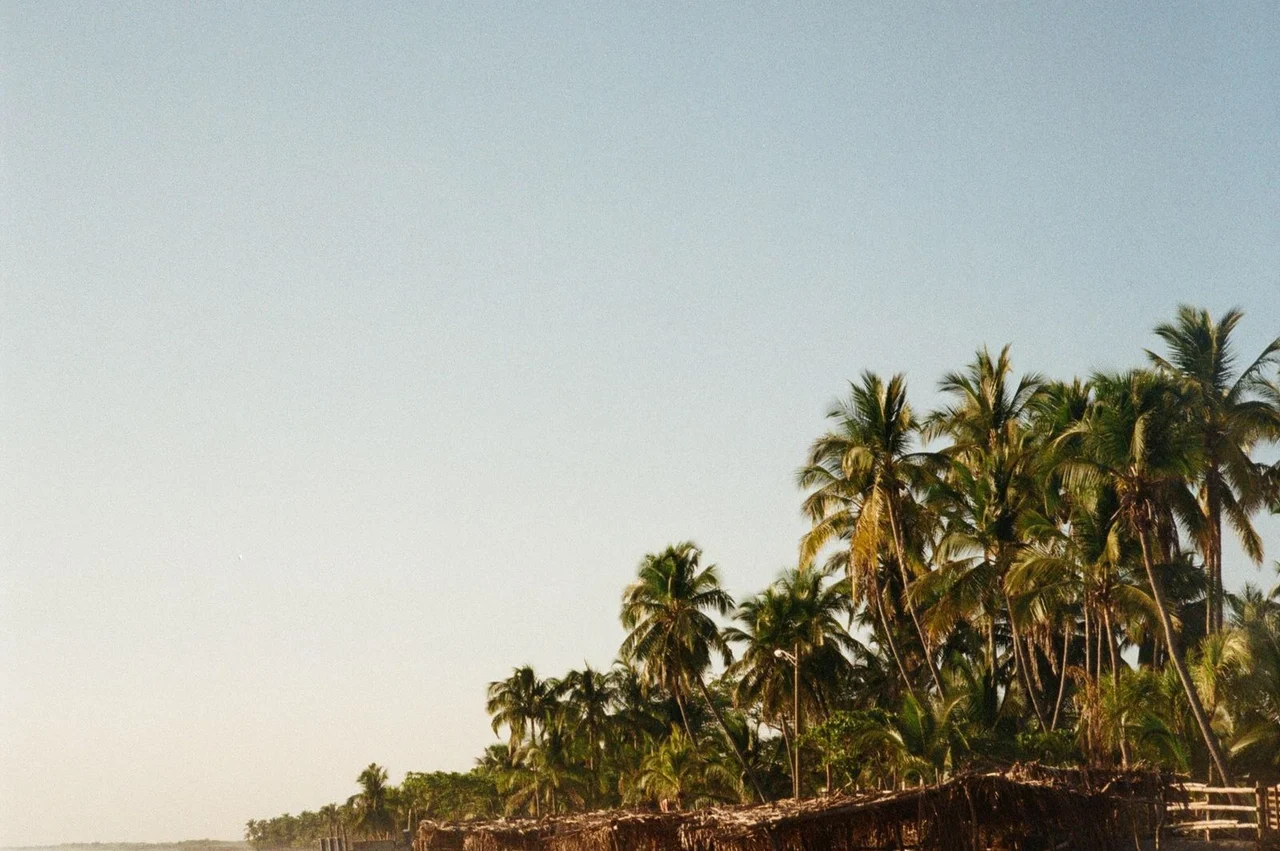 ArticleCapital of Sierra Leone: Freetown - What It Is Known For and What to See
Personal programme selection is conducted by Anna Kovalevskaya, Head of Legal, BRIDGES.
Citizenship of Sierra Leone: preparation checklist
Documents prepared in advance, source of funds checks and where applications usually fail.
