We check where and when the marriage was registered and whether the document is recognised in the country needed.
Updated 19.08.2026
Citizenship and residency · Family Aftercare
Bringing family members intoa status already obtained
We check the right of a spouse, children, parents and other permitted family members and support the arrangement of citizenship, residency, permanent residence or another applicable status.
BRIDGES GLOBAL supports family changes after the main applicant has obtained citizenship or a residence permit. If a marriage was entered into after the status was arranged, a child was born, parents have to be arranged or another family member was not part of the original application, we check the rules of the particular country and settle the legal route that applies.
If bringing them directly into the existing status is not possible, we analyse a separate ground on which the relative can obtain the corresponding status.
Spouses · Children · Parents · The family after the status is obtained
Who is being arranged
The main scenarios
Choose who is concerned and we will put it into the check. Each category has its own rules and its own set of evidence.
Citizenship by investment
Family members after citizenship by investment has been obtained
Note: the rules on dependants in the original application do not carry over automatically to the procedure after citizenship is obtained. The procedure, the fees and the requirements of each country are confirmed separately as at the date of the enquiry.
The categories of spouse, children, adult children and parents are checked against the current rules of the particular programme and its authorised agent.
A spouse
A marriage after citizenship or residency was obtained
If the marriage was entered into after the main applicant obtained the status, the spouse is usually not “added” to a finished file: a separate procedure applies, and sometimes a requirement as to the length of the marriage.
An apostille or consular legalisation and a translation of the certificate.
The programme’s requirements as to a spouse: the length of the marriage, residence, the financial conditions.
Filing under the applicable procedure — separately or within a family matter.
Obtaining the decision and the spouse’s documents.
Children
Children after the status is obtained
Registering the birth, the civil documents, then citizenship or residency and the first passport. We have a separate page for that situation with the full procedure.
Documents for a newborn →We check the age at the date of filing and today, the date the parent obtained the status, the family link, financial dependency, study, marital status and the rules of the particular programme. If inclusion is not possible, we look for a separate family or residency route.
An adult child does not count as a dependant automatically. We check the age, study, financial dependency, marital status, residence and any special grounds the rules provide for.
Parents
Arranging a status for parents
The commonest question after a status is obtained — and the least clear-cut: far from every programme allows a category of parents, and the conditions as to age and dependency differ. We check that before the work starts.
What we check for parents
- Whether the parent category is permitted by the programme or law
- The parent’s age at filing
- Financial dependency on the main applicant
- Joint residence where required
- Own income or pension
- Medical insurance
- Documentary proof of the family link
- Where the application is filed and the parent’s presence
- Whether a separate basis is needed instead of inclusion
- Onward rights: residence, permanent residence or citizenship
If parents cannot be brought into the existing status, we check the other grounds available for their lawful residence — the work ends with a solution, not a refusal.
Residency and permanent residence
Family members after residency or permanent residence is obtained
Residency statuses have mechanisms of their own: family reunification, dependent residency or a separate ground. Which applies depends on the country and on the category of the main status.
A separate procedure for a resident’s spouse and children.
A status based on the link with the main applicant.
Where the relative obtains the status in their own right.
If the family has already built up the period of residence.
If they cannot be included
When bringing them directly into the existing status is not possible
“The programme does not allow it” is not a result. If the category is not provided for, we check the other lawful grounds for the relative.
A separate procedure for a resident’s or citizen’s family member
Status based on the link to the main applicant
Where the relative has their own income
See →A separate investment programme for the relative
See →An independent basis for residence
Where the family has a provable ancestral line
See →Kinship
Evidencing the family link
Every procedure turns on documents: in some places a certificate is enough, in others a whole chain. We obtain and prepare the documents ourselves — no separate service is needed.
We obtain a duplicate in the country of issue.
More →We search the archives for the record and rebuild the evidence.
More →Different spellings of a name or dates — we analyse how to evidence and correct them.
More →We take the document through the form of recognition and a certified translation.
More →If the standard documents are not enough, we analyse the alternative evidence and the possibility of establishing kinship administratively or by a court in the jurisdiction concerned. A positive outcome of such a procedure is not guaranteed in advance.
Prepare the documents of kinship →Descent
Relatives and citizenship by descent
If the line of descent has already been evidenced for one family member, that does not mean an automatic result for the others — but the file assembled often becomes a source of documents and evidence for other relatives.
Check the family line →A map of the family
One project instead of five separate applications
When several relatives have to be arranged, we run them as one family matter: one calendar, one set of documents and one coordinator.
- The main applicant
- The status is obtained
- The spouse
- The right has to be checked
- A child
- The route is settled
- A child (newborn)
- The procedure for newborns
- The mother
- A check on dependency
- The father
- A check on a separate ground
An example of the structure of a family matter: the statuses are illustrative and show the logic of the work rather than a particular case.
The process
Family arrangements turnkey
- 01Existing status review
What exactly was granted, when and under which programme
- 02Relative eligibility review
Whether the category is permitted and which conditions apply
- 03Kinship documents
Retrieval, restoration, apostille and translation
- 04Choosing the procedure
Inclusion in the case, a separate application or another basis
- 05Filing and support
Filing, responses to requests and deadline control
- 06Receiving the status
The relative’s documents and an update to the family file
The file
The Family Status File
All the family’s documents are gathered into one file — the same one is used at the next renewal or on filing for permanent residence or citizenship.
- 01The main applicant’s passport and status documents
- 02Citizenship certificate or residence card
- 03Marriage certificate
- 04Children’s birth certificates
- 05Parents’ documents
- 06Dependency evidence
- 07Apostille or legalisation
- 08Translations and certifications
- 09Applications and forms
- 10Decisions and issued documents
The composition depends on the country, the programme and the category of the relative.
The cost
What the cost depends on
There is no single price for “adding a relative”: the estimate is built from items and depends on the country and the composition of the family.
The duties and fees of the country’s authorities.
The payments to the programme or the authorised agent, where they apply.
Obtaining them, the apostille, legalisation and translation.
Checking the right, the preparation and the filing, dealing with requests.
A family matter is quoted as a whole rather than per application.
Travel, courier and organisational costs, where they are needed.
The quote is individual: once the right and the family composition are checked we send an itemised estimate.
The team
Who runs the family matters
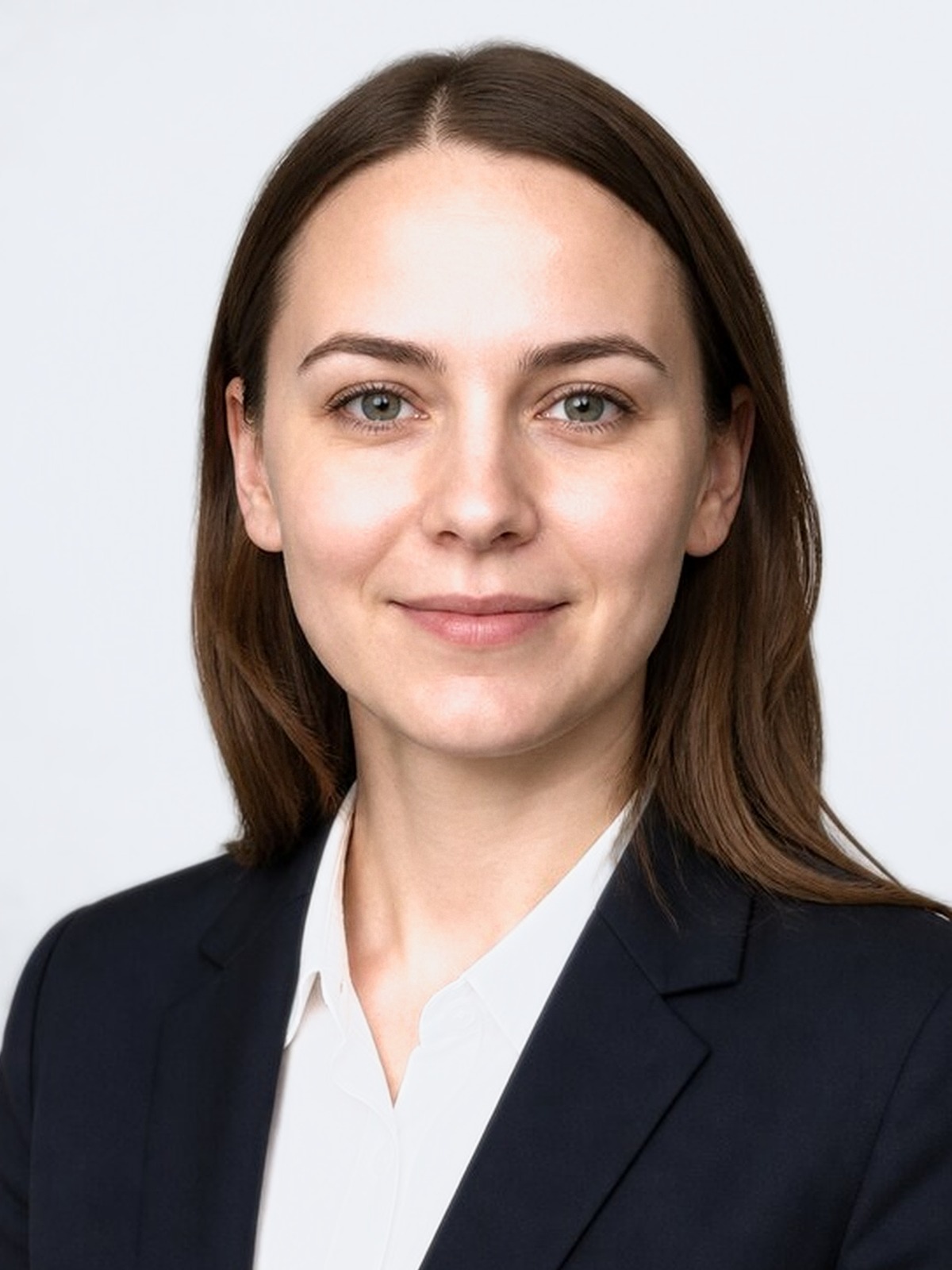
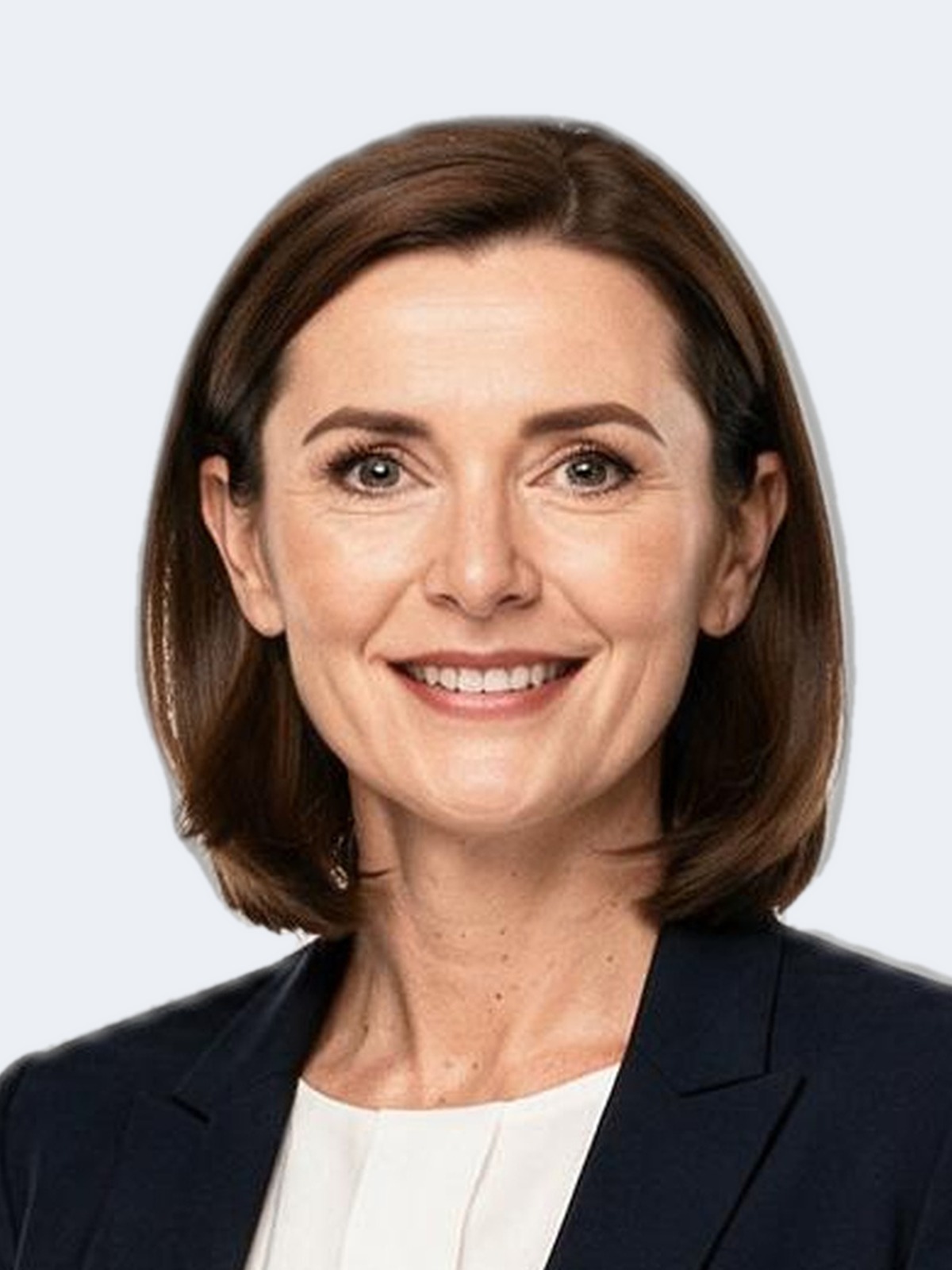
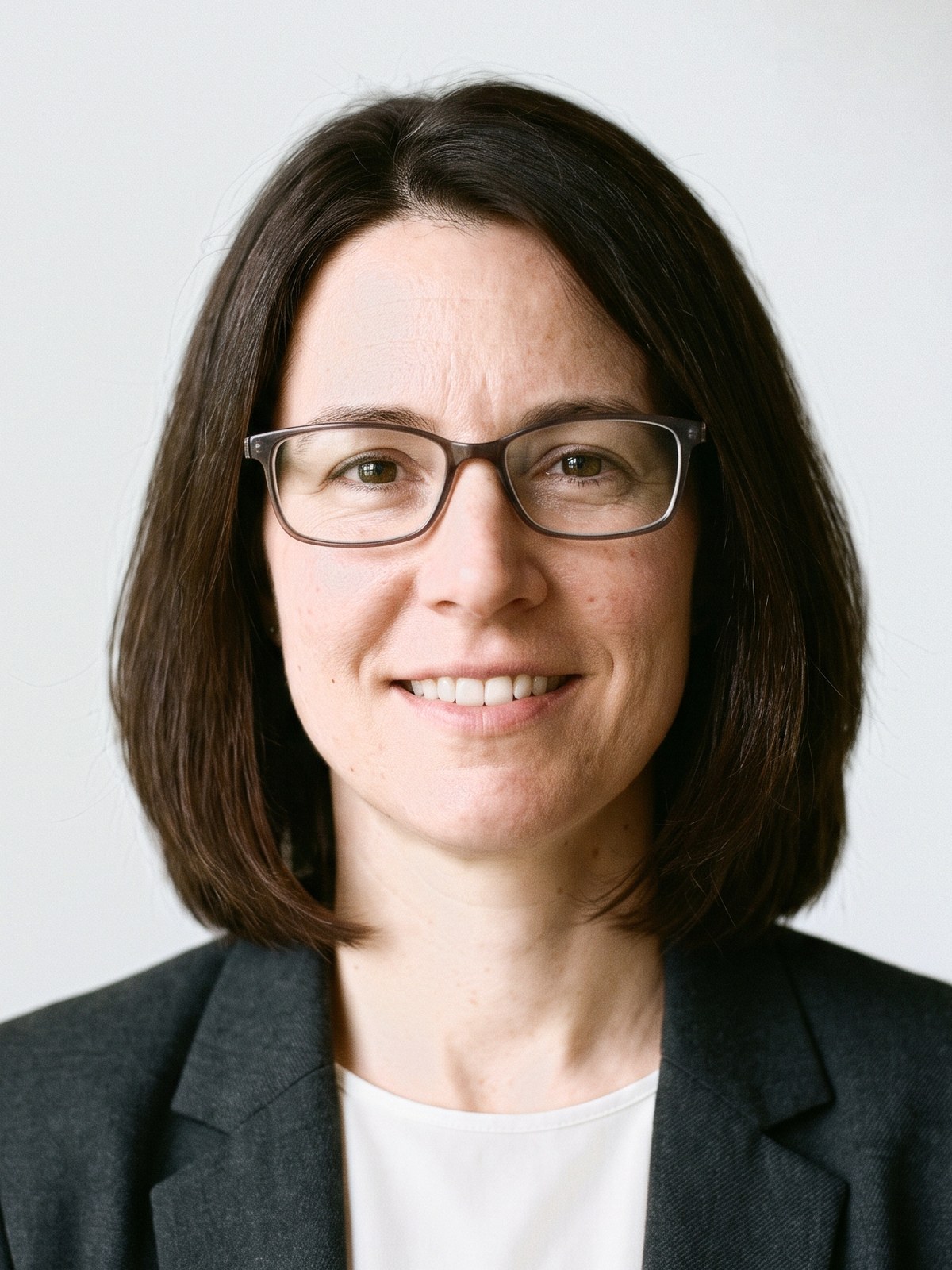
Questions and answers
Questions about arranging family members
As a rule no: once the main applicant has become a citizen, a separate procedure usually applies to the spouse — registration, naturalisation or another mechanism the country’s law provides for. We check what exactly applies and run that procedure.
Not necessarily. The conditions for dependants at the first filing and the procedure for arranging a relative after the status is obtained are different things. For each country we check the current procedure, the fees and the requirements as at the date of the enquiry.
It depends on the programme and the country: a category of parents is not provided for everywhere, and where it exists there are requirements as to age, financial dependency, residence and insurance. If inclusion is impossible, we check a separate ground for their lawful residence.
First the registration of the birth and the civil documents, then the procedure for the child to obtain the status or citizenship and the first passport. The time to notify the authorities is limited, so the documents are prepared in parallel.
Often yes, but much depends on the child’s age now and at the date of the first filing and on the programme’s rules. We check each case separately and, if inclusion is no longer possible, look for a route of their own.
Not automatically. Usually the age, full-time study, financial dependency, marital status and living with the parents are checked. The set of criteria differs from country to country.
We obtain duplicate certificates in the country of issue; if the record is old or the archive has not survived, we run an archive search and gather alternative evidence. Where needed we analyse the possibility of establishing kinship administratively or by a court.
It is a frequent situation in international families. We prepare evidence that the documents relate to the same people and, where needed, arrange for the record to be corrected.
Yes, and it is more convenient: a family matter is run as one project with one calendar and one set of documents rather than as several independent applications.
There is no single price: the estimate depends on the country, the programme, the category of the relative and the number of applicants. Once the right is checked we send an itemised quote — the government fees, the documents and the support separately.
From a few weeks to a few months depending on the country and the procedure. What usually takes longest is not the application but obtaining and legalising the documents of kinship — which is why we start with those.
No: the decision is taken by the country’s competent authority. What we answer for is checking the right correctly, choosing the applicable procedure, the completeness of the evidence and supporting the matter to a decision.
Check a family memberChoose a relative