Updated 20.08.2026
REAL ESTATE · INTERNATIONAL STRUCTURING
Buying propertythrough a company
In international real estate transactions the purchase of the asset itself is only one part of the project. The second, defining part is building a legally sound, tax-substantiated and durable international ownership architecture.
BRIDGES GLOBAL designs bespoke ownership structures, prepares legal documentation, guides bank compliance, provides tax administration and plans the exit from assets across the entire investment life cycle.
- SPV
- Holding
- Trust
- Foundation
- Family Office
- Fund
- 01OWNERSHIP ARCHITECTURE
- 02TAX & LEGAL MEMORANDUM
- 03SPV / HOLDCO DOCUMENTS
- 04TRUST DEED / CHARTER
- 05SHAREHOLDERS’ AGREEMENT
- 06SOURCE OF FUNDS FILE
- 07BANK ACCOUNT OPENING
- 08SPA & ESCROW
- 09TITLE REGISTRATION
- 10EXIT STRATEGY
ONE PROJECT · THREE JURISDICTIONS · FULL LIFE CYCLE
Ownership map
5 base architectures compared
Before moving to the legal and tax analysis, let us establish how property rights, control bodies, cash flows and asset disposal work under the different ownership models.
| Direct ownership | Local SPV | Holding + SPV | Family Foundation | Trust Structure | |
|---|---|---|---|---|---|
| Legal owner of the property | Individual | Local SPV | Local SPV | Local SPV | Local SPV |
| Control and management | The owner personally | Shareholder / managing director of the SPV | Board of directors of HoldCo / UBO | Foundation Council / Protector | Trustee under the Trust Deed / Protector |
| Where the rental income flows | Personal account of the individual | Corporate account of the SPV | Corporate account of the SPV — corporate account of HoldCo | SPV account — HoldCo — distributions to beneficiaries under the Regulations | SPV account — HoldCo — distributions by the Trustee to beneficiaries |
| Asset disposal mechanics (Exit) | Direct sale of the property (Asset Sale) | Sale of the property (Asset Sale) or of the SPV shares (Share Sale) | Sale of SPV shares or HoldCo shares | Sale of HoldCo shares or of the property at SPV level | Sale of the property at SPV level or of the underlying HoldCo shares |
Approach
The fundamental approach: no universal solutions
A common belief among private investors says: "Buying property through a company is always better than buying as an individual". From a professional legal and tax standpoint this statement is incomplete.
Registering the property directly in the name of an individual is, in a number of scenarios, the most rational, economically justified and transparent solution. In other situations an attempt to acquire a large asset or build an international portfolio in a personal name leads to a higher tax burden, disclosure of personal data to third parties, complicated succession procedures and restrictions in raising bank financing.
One and the same asset — a villa in Spain, a commercial building in the UK or an apartment in Dubai — may be held by:
- An individual directly
- A local operating company
- A foreign entity
- A dedicated single-asset legal structure (SPV)
- A multi-tier holding
- A family foundation (Private / Family Foundation)
- A trust structure (Trust)
- A regulated or unregulated investment fund
The optimal ownership model is designed at the intersection of three factors:
- The law of the country where the property is located: Property taxes, transfer rules, regulation of foreign investors.
- Tax residence and domicile of the ultimate beneficial owner (UBO): CFC rules, information exchange, reporting and taxation of income.
- Purpose of ownership: Personal residence, rental income, development, capital preservation, future disposal.
BRIDGES GLOBAL designs international real estate ownership architecture and provides its full legal, tax and operational support.
Who it is for
Client categories and the scale of the task
The ownership architecture is selected based on the nature of the assets, the personal tax status and the investment objectives. No single scheme fits both the purchase of a single apartment and an international portfolio of commercial buildings.
- Private investors: Acquisition of premium residences, villas and apartments. The task is correct titling of the right of use, limiting public visibility of personal data in registers where the law allows it, and streamlining succession formalities.
- Business owners: Integrating real estate into family offices, trusts or holdings. The task is consolidated management and separation of operating and investment risks.
- Commercial real estate investors: Purchase of retail space, office centres and warehouse complexes. The task is administering rental income taxation, depreciation allowances and bank financing.
- Co-investors and syndicates: Buying assets in partnership. The task is the legal allocation of shares, voting rights, further funding obligations and exit terms through a shareholders agreement (SHA).
- Developers: Launching construction projects where each phase is ring-fenced in its own SPV to separate financial and construction obligations.

Base models
Base ownership models: a comparative legal analysis
Direct personal ownership
What it is
A form of titling where the individual is entered directly in the state real estate register as the title holder.
Why it may be needed
Used when buying residential property for personal living, and when participating in government investment programmes (residence or citizenship by investment) where the law strictly requires the title to be held by an individual.
Risks and limitations
- No confidentiality: The owner’s name appears in open land registers (in jurisdictions with public access).
- Enforcement against the asset: Personal obligations, legal claims or bankruptcy of the individual can directly affect the property.
- Succession procedures (Probate): On the owner’s death the inheritance procedure is governed by the laws and courts of the country where the property is located, which can take a long time and trigger local inheritance / estate tax.
- Forced heirship: Civil law countries may apply mandatory rules granting certain heirs an indefeasible share regardless of the will.
What it means for the property owner
Direct ownership offers minimal upfront costs and no company maintenance expenses. However, it leaves the asset exposed to the owner’s personal risks and complicates inheritance.
Local company (Local SPV)
What it is
Titling the property to a legal entity registered in the same jurisdiction where the asset is located. For example: UBO — a Spanish company (SL) — a property in Spain.
Why it may be needed
To run a commercial activity (letting), account for operating expenses, raise local bank financing and preserve the option of selling the asset by transferring the company’s shares.
Risks and limitations
- Administrative costs: Annual payments for the registered address, local directors, bookkeeping and filing of accounts.
- Corporate taxes: The company’s income is subject to local corporate income tax. Distributions to a non-resident individual may attract withholding tax.
- Substance requirements: Tax authorities may require evidence of the company’s actual presence in the country of registration.
What it means for the property owner
A local company creates an ownership vehicle that local authorities and banks understand, and allows expense accounting. In return there are recurring administration costs and the duty to comply with local corporate law.
Foreign company
What it is
A scheme where property in one country is owned by a legal entity registered in another jurisdiction. For example: UBO — a UAE company — a property in Greece.
- UBO
- 100% of sharesUAE company
- TitleProperty in Greece
Why it may be needed
To consolidate assets in a single holding centre or to use the benefits of double tax treaties (DTTs) where they apply.
Risks and limitations
- Restrictions on direct ownership: Some countries restrict or prohibit direct ownership of strategic assets or housing by foreign companies from certain jurisdictions.
- Special tax regimes: Anti-avoidance rules (EU Unshell Directive / ATAD) may lead to higher taxation of "passive" foreign structures.
- Public registers of overseas entities: Dedicated registers (for example, the UK Register of Overseas Entities) require disclosure of the foreign company’s UBO under threat of fines and blocked property transactions.
What it means for the property owner
Using a foreign company requires deep analysis of the laws of both states. A wrong choice of jurisdiction can lead to double taxation and refusals to register title.
SPV
SPV (Special Purpose Vehicle): a dedicated single-asset company
An SPV (Special Purpose Vehicle) is a legal entity created for one specific purpose: holding a particular property or delivering a single development project.
- Investor / Holding
- 100% of sharesSPV (Company)
- Legal titleReal estate asset
Why it may be needed
- Risk ring-fencing: Claims from tenants, utility providers or contractors attach to the assets of that particular SPV without touching other group companies or the owner’s personal wealth.
- Accounting transparency: The SPV’s balance sheet reflects the income and expenses of that specific asset.
- Raising finance: It is easier for banks to assess risk and lend against a company with no unrelated operating history.
Risks and limitations
Ring-fencing through an SPV is not absolute. There are legal mechanisms through which liability can reach beyond the SPV:
- Personal / parent guarantees: Banks often require the owner or the parent company to guarantee the SPV’s obligations.
- Cross-collateralisation and cross-default: Loan covenants may link a default of one SPV to the obligations of other group structures.
- Veil piercing and directors’ liability: Where deliberate insolvency, commingling of personal and corporate funds or unlawful acts of directors are established, a court may hold the controlling persons liable.
What it means for the property owner
An SPV separates a specific asset from other business and group assets. The degree of separation, however, depends on the financing structure, guarantees given, applicable law and the actual quality of corporate governance.
Holding
Holding structures (Holding + SPV)
A two-tier or multi-tier model where a parent holding company (HoldCo) owns 100% of the shares in one or several operating SPVs that directly hold the real estate.
- Ultimate beneficial owner / Family
- 100%Holding company
- SPV Greece · SPV Spain · SPV UAE
- SPV Greece
- Villa (Athens)
- SPV Spain
- Mall (Barcelona)
- SPV UAE
- Apartments (Dubai)
- Why it may be needed: For centralised management of a multi-country portfolio, redistribution of rental proceeds between projects and accumulation of liquidity at holding level.
- Risks and limitations: A more complex structure raises administration costs. It requires compliance with the tax law of several jurisdictions, the CFC rules of the beneficiary’s country of residence and proof of substance at every level.
- What it means for the property owner: A holding consolidates the management of an international property portfolio. The final tax and legal effect depends on the interaction of the legal systems of all the states involved.
Applied scenarios
Applied scenarios for using companies
Rental business and investment holding
When the property is let, the company acquires the status of an operating business.
- Expense accounting: Gross rental income is reduced by documented expenses connected with running the asset: maintenance, repairs, insurance, brokerage fees, legal services, interest on dedicated loans.
- Depreciation allowances: Whether the building (excluding land value) can be depreciated depends on the tax accounting rules of the specific country. Depreciation reduces current taxable profit but lowers the book value of the asset, which may increase capital gains tax on a later direct sale.
Partner co-investment and the Shareholders’ Agreement (SHA)
When several partners buy an asset together, direct titling to individuals creates a decision deadlock risk. Buying through an SPV allows the partners’ rights to be regulated in detail through a Shareholders’ Agreement (SHA).
The SHA fixes the following mechanisms:
- Capital Calls: The procedure for further funding of the project and the consequences of a partner’s failure to contribute.
- Reserved Matters: The list of decisions requiring a qualified majority or 100% of votes (sale of the asset, pledge, raising loans).
- Deadlock Provisions: Resolution of corporate deadlocks (Dutch Auction, Texas Shootout).
- Exit Clauses: Drag-Along (the right to force the minority to sell together with the majority) and Tag-Along (the minority’s right to join the sale on the same terms).
Raising bank financing
In commercial real estate financing banks assess the debt service coverage ratio (DSCR) and the loan-to-value ratio (LTV).
Depending on the deal structure, a standard security package may include:
- A mortgage over the property
- A pledge of the SPV’s shares
- Assignment of leases / rents
- A pledge of the SPV’s bank accounts
- Corporate or personal guarantees (Sponsor Support / Personal Guarantees)

Deal mechanics
Asset Deal vs Share Deal: a comparative audit
When property held by a company is sold or acquired, two fundamentally different mechanisms apply.
Asset Deal — sale of the property itself
- The seller (SPV) transfers the property right to the buyer
- The buyer pays for the asset
- The transfer of title is registered in the land register
Share Deal — sale of the company’s shares
- The seller (UBO) transfers the SPV shares to the buyer
- The buyer pays for the shares
- The SPV keeps the title: the asset stays on the company
| Comparison parameter | Asset Deal | Share Deal |
|---|---|---|
| Subject of the transaction | The property itself | Shares of the legal entity (SPV) |
| Registration of the transfer | In the land register of the property country | In the shareholder / commercial register |
| Tax qualification | Transfer tax / stamp duty and capital gains tax for the seller | Sale of corporate rights. Indirect Transfer and Property-Rich Entity Rules may apply |
| Existing contracts | Require re-execution or counterparty consents | Remain in force automatically at SPV level |
| Legal and tax risks | The buyer acquires a clean asset | The buyer takes over the company’s entire legal and tax history |
| Scope of due diligence | Property audit (Property DD) | Property audit plus full corporate audit (Property + Corporate DD) |
It is commonly assumed that selling SPV shares (Share Deal) avoids property transfer tax. However, many jurisdictions and tax treaties apply Indirect Transfer Rules and Property-Rich Entity Rules. Where the value of a company’s assets derives predominantly, directly or indirectly, from real estate, the sale of its shares falls under special tax treatment.
In a Share Deal the buyer assumes all historical tax liabilities, potential litigation and hidden debts of the company, which calls for protection mechanisms: warranties and indemnities, escrow accounts, retention of part of the price, or W&I insurance.
Sequence of steps
Why the structure must be designed before any payments are made
A common mistake is buying the asset in a personal name intending to "transfer it to my company later".
A subsequent transfer of the asset from the individual to a company is treated by tax authorities as a separate sale and purchase at market value. It triggers:
- A second payment of transfer tax / stamp duty
- Capital gains tax for the individual if the market value of the asset has grown
- Notarial and registration fees
- A repeat AML/KYC review and the lender bank’s consent
The optimal moment to fix the ownership structure is before an unconditional obligation to buy arises and before any payments that may affect the tax qualification of the deal.
Trust
Trust structures in real estate
A trust is a fiduciary legal relationship in which the settlor transfers assets to the control of a trustee. The trustee holds and manages those assets under the terms of the trust deed and the applicable trust law in the interests of the beneficiaries.
- Settlor
- Trustee acting as trustee
- 100% of sharesHolding Company
- 100% of sharesProperty SPV
- TitleReal Estate Asset
Why it may be needed: To ensure continuity of ownership across generations, centralised distribution of income among family members and protection of capital from fragmentation.
Risks and limitations
- Creditor protection is not absolute: The protective effect depends on the type of trust (revocable / irrevocable, discretionary), the timing of the transfer, the scope of powers reserved by the settlor (Reserved Powers) and insolvency law (Insolvency / Fraudulent Conveyance / Clawback Rules). If assets were settled after obligations arose or to defeat creditors, the transfer can be challenged in court.
- Sham trust: If the settlor keeps full de facto control over the assets and the trustee’s actions, a court may declare the trust a sham and enforce against its assets.
- Taxation: In some jurisdictions the settlement of assets into trust or distributions to beneficiaries are taxable events in their own right (inheritance tax, gift tax, income tax).
What it means for the property owner: A trust enables long-term family wealth governance and reduces dependence on probate. Its creation, however, requires a complete surrender of direct personal control over the assets in favour of the trustee.
Family foundation
Private and family foundations
A private foundation is a self-standing legal entity with its own legal personality but without shareholders or members. It is created to manage assets in the interests of designated persons (the family).
The instrument is codified and used in Liechtenstein, Panama and the UAE (DIFC / ADGM Foundations).
- Why it may be needed: To unite the family’s assets (real estate, business, investment portfolios) under a single management with a transparent succession mechanism, without resorting to common law trust constructs.
- Risks and limitations: The foundation is governed by its Council strictly under the Charter and the Regulations. Excessive control by the Founder may lead to the structure being challenged by the tax authorities of the founder’s home country under CFC rules.
- What it means for the property owner: A family foundation combines the corporate form with trust-like functions. It ensures continuity of property ownership but requires regular spending on the Foundation Council and reporting compliance.
Comparison
Comparative expert matrix of structures
| Criterion | Individual | Local SPV | Holding + SPV | Trust Structure | Family Foundation |
|---|---|---|---|---|---|
| Direct owner of the asset | Individual | Local SPV | Local SPV | Local SPV | Local SPV |
| Legal personality | Yes | Yes | Yes | No (fiduciary relationship) | Yes (separate legal personality) |
| Entry in the land register | Name of the individual | Name of the SPV | Name of the SPV | Name of the SPV | Name of the SPV |
| Change of control on succession | Probate / court proceedings | Transfer of SPV shares by will / law | Transfer of HoldCo shares | Out of court (under the Trust Deed) | Out of court (under the Foundation Regulations) |
| Exposure to personal claims | Direct enforcement | Depends on rights over the SPV shares | Depends on rights over the HoldCo shares | Depends on the trust type, Reserved Powers and Clawback Rules | Depends on the Founder’s powers and insolvency law |
| Administration costs | Minimal | Medium | High | High | High |
Collective projects
Investment funds for collective projects
For large development projects or commercial portfolios funded by third-party investors, ordinary SPVs are not enough. Fund vehicles are used instead:
- Regulated and semi-regulated investment funds: For example, the RAIF (Reserved Alternative Investment Fund) in Luxembourg, the PIF (Private Investor Fund) in Cyprus or dedicated fund forms in the UAE (ADGM/DIFC).
- Infrastructure participants: Depending on the jurisdiction and investor category, a fund may require a licensed manager (AIFM), a custodian / depositary bank, an independent administrator and an auditor.
The fund form provides transparent accounting of investor interests and a defined procedure for issuing and redeeming shares or units, but carries significant regulatory and operating costs.
Co-investors
Managing co-investor risk: the Shareholders’ Agreement (SHA)
When several partners buy an asset through an SPV, executing a Shareholders’ Agreement (SHA) is a mandatory legal mechanism.
The SHA sets out in detail:
- Capital Calls: The procedure for further funding, covering cash gaps and diluting a partner who declines to participate in a capital increase.
- Dividend Policy: The terms and frequency of distributing rental profit.
- Reserved Matters: Matters requiring a qualified majority or 100% of votes (sale of the asset, pledge, change of activity).
- Exit Mechanisms: Drag-Along (the right to force the minority to sell together with the majority) and Tag-Along (the minority’s right to join the sale on the same terms).
Family Office
Family Office: consolidated portfolio management
For families with substantial international capital, real estate forms part of a single investment ecosystem managed by a family office.
- ManagementFamily office
- 100% of sharesTrust / Foundation
- Family Holding
- Monaco residence (Personal use) · Dubai apartments (Rental / SPV) · UK commercial property (Rental flow)
The family office provides consolidated reporting, account administration, bank compliance and preparation of the structure for generational change.

Taxes
The complete tax architecture of property ownership
Tax obligations accompany the asset at each of the six stages of its life cycle.
- Transfer Tax · Stamp Duty · VAT1. Purchase
- Property Tax · Corp. Income Tax · VAT on Rent2. Holding
- Benefit in Kind · Deemed Income3. Use
- Capital Gains · Indirect Transfer · Property-Rich4. Sale
- Dividends WHT · Interest WHT · DTT Rules5. Profit repatriation
- Inheritance Tax · Estate Tax · Gift Tax6. Succession
Stage 1. Purchase (Acquisition)
- Transfer Tax / Stamp Duty: Tax on the transfer of title and stamp duties.
- VAT: Whether input VAT on commercial property can be credited or refunded depends on the nature of the economic activity, the company’s VAT registration and the intended use of the asset.
Stage 2. Holding and letting (Holding & Operations)
- Annual Property Tax: The annual local property tax.
- Corporate Income Tax (CIT): Tax on the company’s rental profit (net of documented expenses and subject to depreciation rules).
Stage 3. Free or non-market use (Benefit in Kind)
Rent-free residence of the beneficiary or family members in residential property held by an SPV is treated in most European countries as a Benefit in Kind / Deemed Distribution.
Tax authorities may assess personal income tax on the market rent of such property against the beneficiary, and corporate income tax on the uncollected income against the company.
Stage 4. Sale of the asset (Disposal / Exit)
- Capital Gains Tax (CGT): Tax on capital gains on a direct sale of the property or on the sale of shares in property-rich companies.
Stage 5. Profit repatriation
- Withholding Tax (WHT): Tax at source on dividends or interest. Access to double tax treaty (DTT) relief depends on proving beneficial ownership of the income and meeting substance requirements.
- Repayment of a shareholder loan: Repayment of the principal of a valid shareholder loan is normally free of withholding tax, but the loan itself is tested against thin capitalisation and transfer pricing rules.
Stage 6. Succession and estate transfer (Succession & Estate Tax)
An analysis of inheritance and gift taxes both in the country where the property is located (situs of property) and in the country of the beneficiary’s tax residence and domicile.
Three legal systems
The three-jurisdiction rule: the tax analysis triangle
In international structuring BRIDGES GLOBAL analyses three legal systems simultaneously.
- Country where the property is located (For example: Spain / France)
- Country of the holding / SPV (For example: UAE / Cyprus)
- Tax residence of the UBO (For example: the UK / Hungary)
- Law of the property country: Local property taxes, registration rules, restrictions on non-residents, taxation of property disposals.
- Law of the company country (SPV / HoldCo): Corporate tax rates, withholding tax, substance requirements and corporate reporting.
- Law of the UBO’s country of residence: CFC rules, automatic exchange of information (CRS), reporting of foreign assets and taxation of dividends.
Bank compliance
Source of Funds & Source of Wealth: bank compliance
Structuring is not only about registering a company — it must also carry the funds through AML/KYC monitoring from the beneficiary to the SPV and on to the seller or the notary.
- Beneficiary (UBO)
- Origin-of-funds reviewRemitting bank
- Corporate loan / equity contributionSPV corporate account
- Escrow accountSeller / Notary
- Source of Funds (SoF): Evidence of the origin of the specific amount used in the transaction (a dividend payment statement, a property sale agreement).
- Source of Wealth (SoW): Documentary evidence of how the beneficiary’s overall capital was formed over their entire career (retained business profits, sale of company stakes, inheritance).
Funding
SPV funding mechanisms
Ways of moving funds from the beneficiary into the registered SPV.
- Equity contribution: A direct increase of share capital or a contribution to the company’s assets without issuing new shares.
- Shareholder loan: Repayment of the principal is not subject to withholding tax, but the interest rate must be at arm’s length and the debt-to-equity ratio must satisfy thin capitalisation rules.
- Bank debt: Mortgage or corporate lending secured on the asset.
Succession
Succession and transfer of assets
A comparative audit of asset transfer mechanisms.
- Direct ownership: Will — court / probate — inheritance tax — heirs.
- Company (SPV): SPV shares pass under the will — heirs. The asset stays on the SPV.
- Trust / Foundation: Management continues under the Trust Deed / Regulations out of court.
Using a trust, foundation or holding reduces dependence on lengthy probate proceedings over the property itself. Taxation of the transfer of corporate rights still depends on the laws of the heirs’ domicile and residence.
Asset protection
Asset Protection
Legal capital protection (Asset Protection) is neither concealment of assets nor a way to escape existing obligations. It is pre-emptive structuring of ownership before disputes or risks arise.
- Risk segregation (Ring-fencing): Separating the operating business and the investment real estate into different legal entities.
- Corporate governance: International legal institutions protect assets from unfounded third-party claims, provided insolvency laws are respected and there are no signs of sham transactions.
Transparency
UBO registers and confidentiality
Under global transparency standards (FATF, EU AML Directives) most states have created beneficial ownership registers.
In European countries, following the CJEU rulings, unrestricted public access to UBO registers has been limited. Access is granted to competent authorities, banks and persons demonstrating a legitimate interest.
An SPV limits the direct display of the individual’s name in the public land register (where the law allows it). The obligation to fully disclose the UBO to banks, notaries, registrars and regulators remains in full.
Verification
Property Due Diligence: auditing the asset
Before an asset is bought through a company, a legal and technical review (Property DD) is carried out.
- Legal status: Title, encumbrances, third-party rights, litigation over the asset.
- Planning audit: Permits, designated use, compliance of the built structure with documentation.
- Financial and tax audit: Property taxes, utility and service obligations, lease agreements.
- Technical audit: Condition of structures and utilities, hidden defects.
Corporate Due Diligence: auditing the company in a Share Deal
Where a ready-made SPV holding the asset is acquired, Corporate Due Diligence procedures are performed:
- Review of the corporate structure, constitutional documents and absence of litigation
- Tax audit of timely filing and payment for past periods
- Verification of the absence of off-balance liabilities, pledges and guarantees given
- Warranties and indemnities and loss recovery mechanisms fixed in the share purchase agreement (SPA)
Full cycle
Support across the asset’s life cycle
BRIDGES GLOBAL supports the project at every stage of its delivery.
- Structuring
- Tax / Legal Analysis
- SPV / HoldCo / Trust
- Bank & SoF / SoW
- Property DD
- Corporate DD
- SPA
- Escrow / Notary
- Transfer of Rights
- Accounting
- Substance
- Rental Administration
- Succession
- Exit Strategy
Choosing a jurisdiction
Parameters to analyse when choosing a jurisdiction
Parameters to verify before selecting a jurisdiction.
- Consistency of the structure with the land and corporate law of the property country
- Availability and conditions of double tax treaties (DTTs)
- Substance requirements
- Banks’ readiness to service the chosen corporate form
- Proportionality of administration costs to the asset’s expected yield

Geography
Geographic audit: key jurisdictions
The scenarios below illustrate architectural concepts only. The actual structure is designed after analysing the investor’s individual tax status.
UAE (Dubai / Abu Dhabi)
- Framework: Direct ownership of Dubai real estate by foreign companies is limited to designated freehold areas and approved types of legal entities.
- Illustrative scenario: For commercial assets and portfolios, DIFC / ADGM structures (Prescribed Companies, Foundations) or companies registered in approved free zones (for example, JAFZA) are used.
Greece
- Framework: The Golden Visa programme has specific requirements as to the form of ownership.
- Illustrative scenario: For income-producing commercial property the model UBO — Holding — Greek IKE (Private Company) can be considered.
Spain
- Framework: Transfer tax (ITP/AJD), VAT (IVA) and wealth tax (Impuesto sobre el Patrimonio) at the level of the individual.
- Illustrative scenario: Spanish SL companies, and for large commercial portfolios — SOCIMI investment structures.
Cyprus
- Framework: The notional interest deduction (NID) regime, no withholding tax on dividends to non-residents and a wide DTT network.
- Illustrative scenario: Using a Cyprus company as the holding level (Cyprus HoldCo).
United Kingdom
- Framework: The annual tax on enveloped dwellings (ATED), non-resident capital gains tax (NRCGT) and mandatory registration in the UK Register of Overseas Entities.
- Illustrative scenario: For commercial assets — a UK PropCo or specialised fund structures.
Asset types
A structure for each property type
Premium residential property
Buying villas and residences requires analysis of:
- The risk of a taxable benefit in kind when the owner occupies the property
- Special taxes on corporate-held housing
- Confidentiality towards third parties
Commercial property
- VAT credit and refund conditions
- Administration of lease agreements (Triple Net Leases)
- Bank financing secured on the rental flow
Income-producing residential (short-term / long-term rent)
- Obtaining the required operating and hospitality licences
- Administration of operating expenses and depreciation accounting
- Employing service staff through the SPV
Development projects
- Segregating construction sites into separate Project SPVs
- Limiting liability towards the general contractor
- Attracting co-investors and mezzanine financing
In practice
Share Deal execution in practice
In Share Deal transactions BRIDGES GLOBAL specialists provide:
- Drafting the share purchase agreement (SPA) to international standards
- Setting up Escrow / Retention Amount mechanisms (withholding part of the price against hidden risks)
- Warranties and indemnities
- Replacing directors, secretaries and bank signatories
Accounts
The SPV’s bank account and payment infrastructure
Opening accounts for asset holding entities requires proof of the origin of capital and a detailed description of the economic substance of the structure. BRIDGES GLOBAL works with international banks and licensed financial institutions in the EU, the UAE and Switzerland.
Running the structure
Accounting, substance and annual maintenance
Annual administration of the company includes:
- Substance: Registered address, local directors and board meetings.
- Accounting and audit: Bookkeeping (IFRS / local GAAP) and filing of tax returns.
- Corporate renewal: State fees and charges for maintaining the register.
Ownership over time
Exit Planning: planning the disposal of the asset
The exit mechanism is designed at the moment of acquisition:
- Analysis of disposal via Asset Deal or Share Deal
- Assessment of the capital gains tax consequences
- Reinvesting the proceeds through the holding level
Passing property to the next generations
A family foundation or trust holding the shares of the holding company fixes the rules for using the assets, approves distribution rules for beneficiaries and prevents the family portfolio from being split when generations change.
Change of the owner’s tax residence
When the beneficiary’s tax residence changes, the structure is audited for exit tax exposure, and the applicable DTTs and CFC rules are reassessed.
Asset restructuring scenarios
If the property has already been bought in a personal name, post-structuring options include:
- Contributing the property to the SPV’s share capital (Contribution in Kind)
- Selling the asset to one’s own SPV against a shareholder loan
- Transferring the rights into a family foundation or a trust structure
An honest assessment
When creating a company is not worthwhile
Creating a company may not be worthwhile if:
- A single residential property of modest value is being bought for personal living
- The country’s law (for example, residence permit conditions) strictly requires direct personal title
- The annual administration costs exceed the potential savings from expense accounting
Common mistakes
Typical structuring mistakes
- Combining the operating business and the investment real estate in one legal entity
- Using foreign companies without regard to the property tax rules of the asset’s country
- The beneficiary living rent-free, without a lease, in a property held by the SPV
- Deal deadlines collapsing because the Source of Funds file was not prepared
- No shareholders’ agreement (SHA) in a partner investment
Calculation algorithm
A comparative model of ownership options
This model is a simulation demonstrating the calculation algorithm. Final figures are computed for the specific transaction.
Simulation parameters: a commercial asset worth €5,000,000. Planned rental income of €350,000 per year. Holding period of 5 years.
| Element of analysis | Scenario A: Individual | Scenario B: Local SPV | Scenario C: HoldCo + SPV |
|---|---|---|---|
| Taxes on purchase | Transfer Tax | Transfer Tax / VAT Recovery | Transfer Tax / VAT Recovery |
| Operating expense accounting | Limited | Full accounting | Full accounting |
| Annual administration | Minimal | Accounting / CIT | Accounting / CIT HoldCo + SPV |
| Tax on exit | CGT for the individual | CIT at SPV level or Share Sale | Share Sale / DTT analysis |
A structure is assessed not by a single tax rate but by the total cost of ownership over a 5-10 year horizon.
Choosing the instrument
Summary instrument selection matrix
The client’s task and profile determine the instrument to consider.
| Task and client profile | Instrument to consider |
|---|---|
| Personal residence (1 asset) | Individual ownership |
| Commercial asset with rental income | Local SPV (LLC) |
| Several co-investors | Local SPV + Shareholders’ Agreement (SHA) |
| International portfolio of assets | Holding + local SPVs |
| Succession and family capital | Private Foundation / Trust + HoldCo + SPVs |
| Development project | Investment Fund + Project SPVs |

How we work
Step-by-step engagement with BRIDGES GLOBAL
- Initial briefing and NDA: Confidential analysis of the objectives and asset parameters.
- Legal and tax memorandum: Structuring scenarios with cost calculations and graphic schemes.
- Setting up the structure: Incorporation of entities, trust documentation, opening bank accounts.
- Transaction support: Overseeing settlements, passing compliance and registering the rights.
Scope of services
The BRIDGES GLOBAL service package
With comprehensive structuring you receive:
- Design of a bespoke ownership architecture
- A legal and tax memorandum
- Incorporation of companies and corporate documents (SHA, Trust Deed, Charter)
- A complete Source of Funds / Source of Wealth file
- Opening of bank accounts
- Property & Corporate Due Diligence
- Legal support of the transaction and registration of title
- Handover of the structure to ongoing accounting and tax administration
Team
The professional project team
Each project is run by a group of dedicated specialists.
- International Tax Counsel: International tax adviser
- Real Estate Attorney: Local real estate lawyer
- Corporate Lawyer: Corporate law counsel
- AML & Compliance Officer: Financial monitoring specialist
- Notary & Local Agent: Licensed notary and registered agent
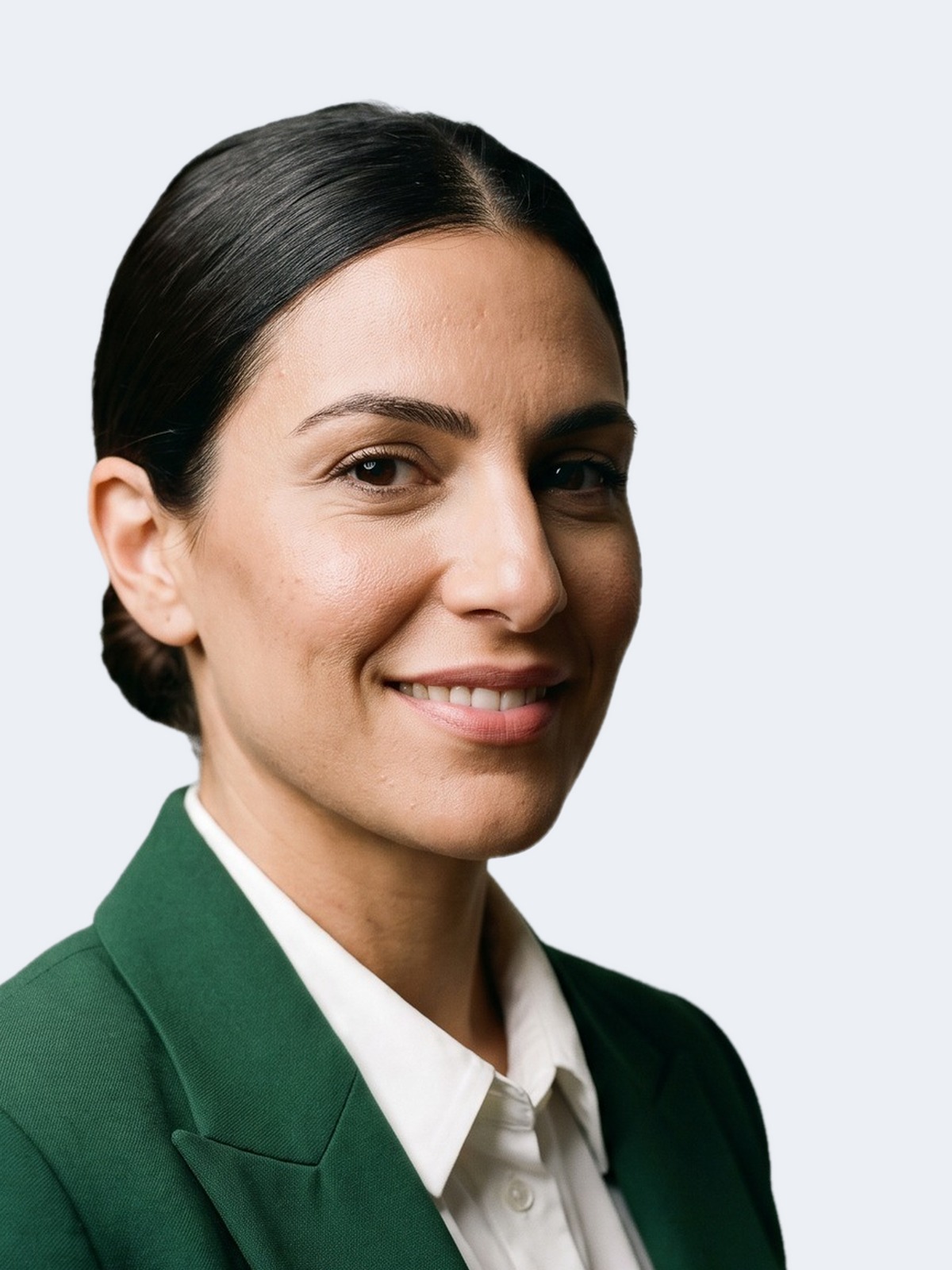 Maria StavruReal Estate AnalystAsset selection and verification, deal structure
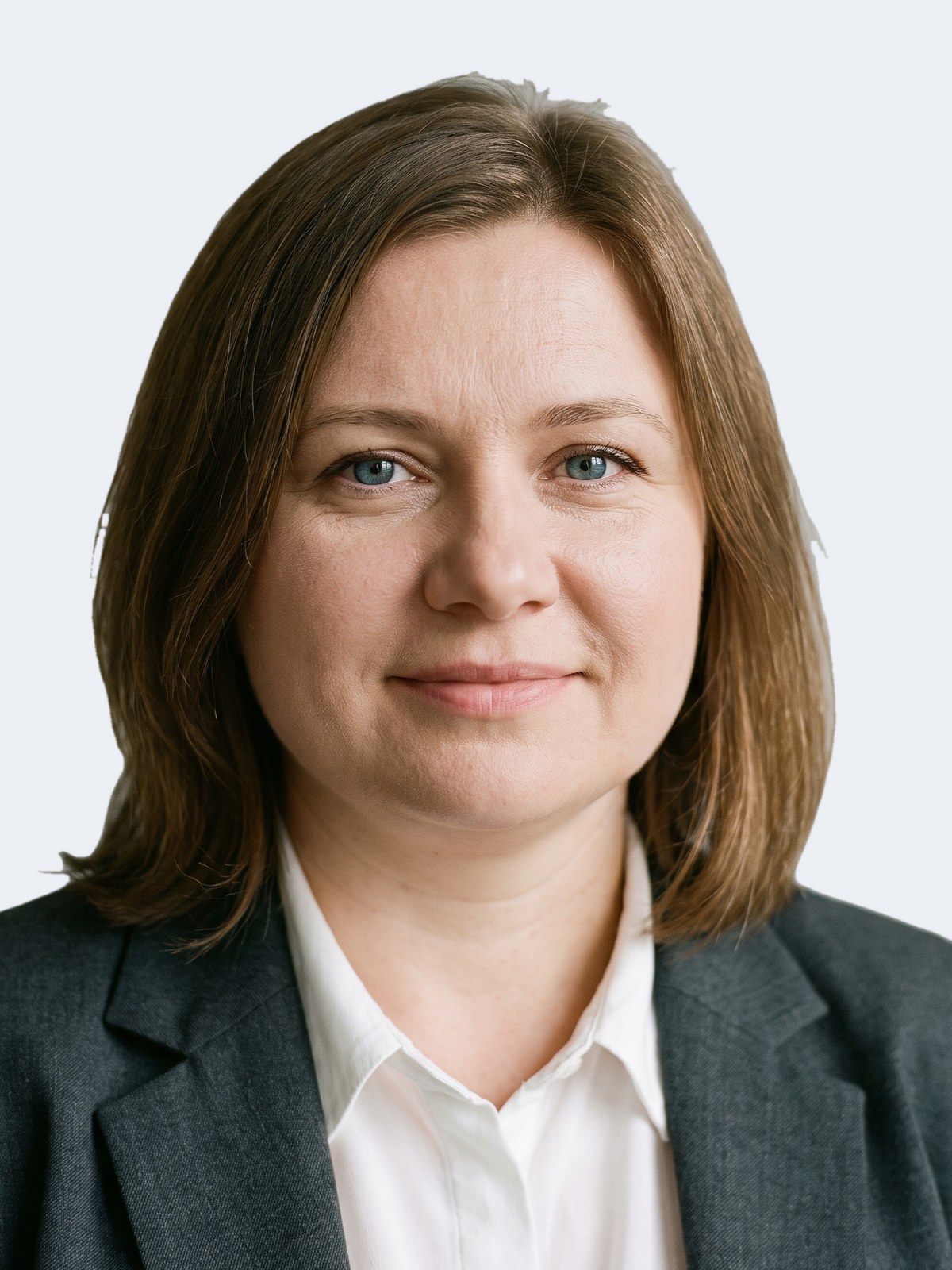 Hanna BergerTrusts and Succession AdvisorTax architecture of ownership and the three-jurisdiction analysis
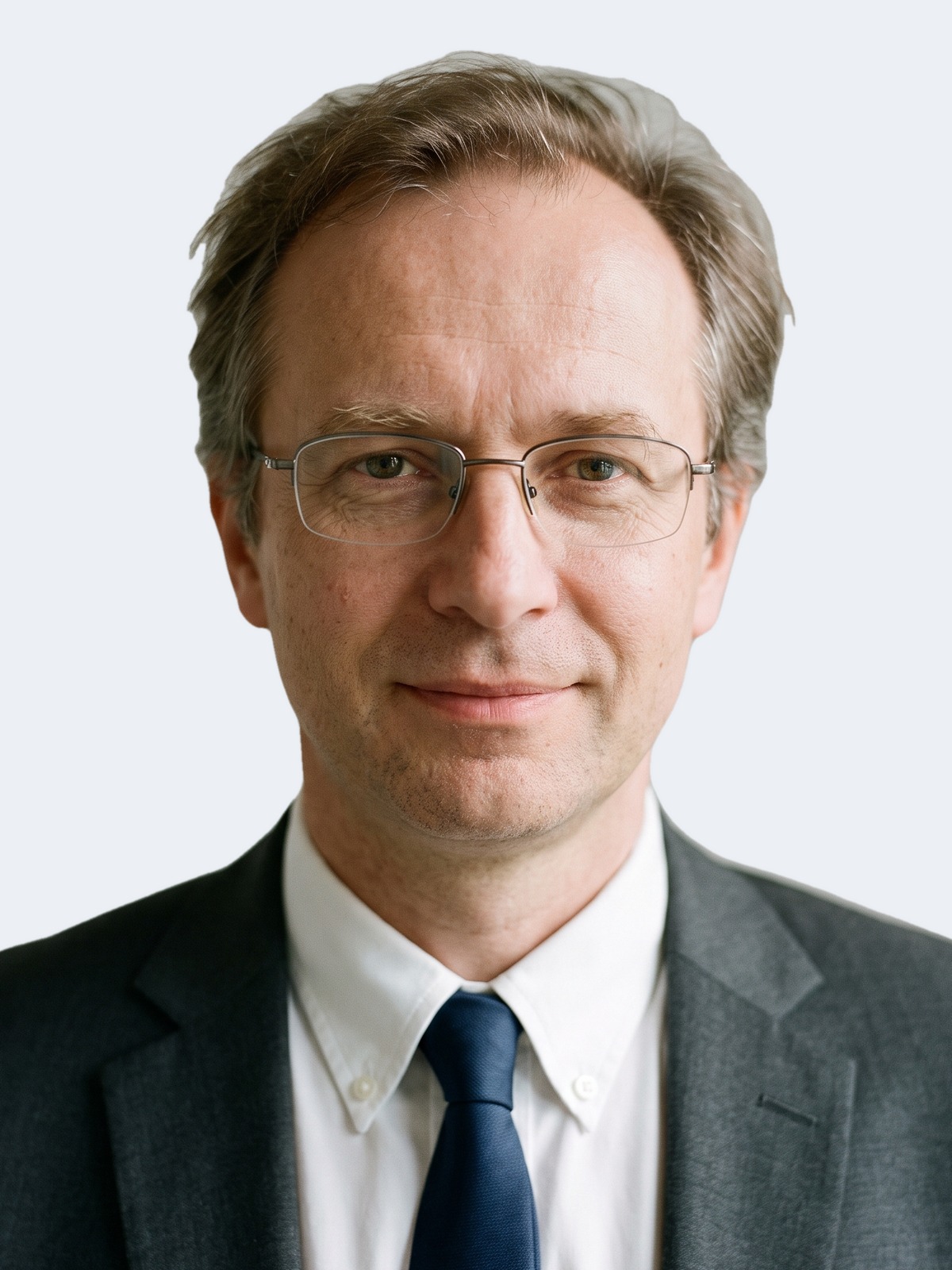 Tomas LinderCompliance and AML OfficerCoordination of registrations, banks and local agents
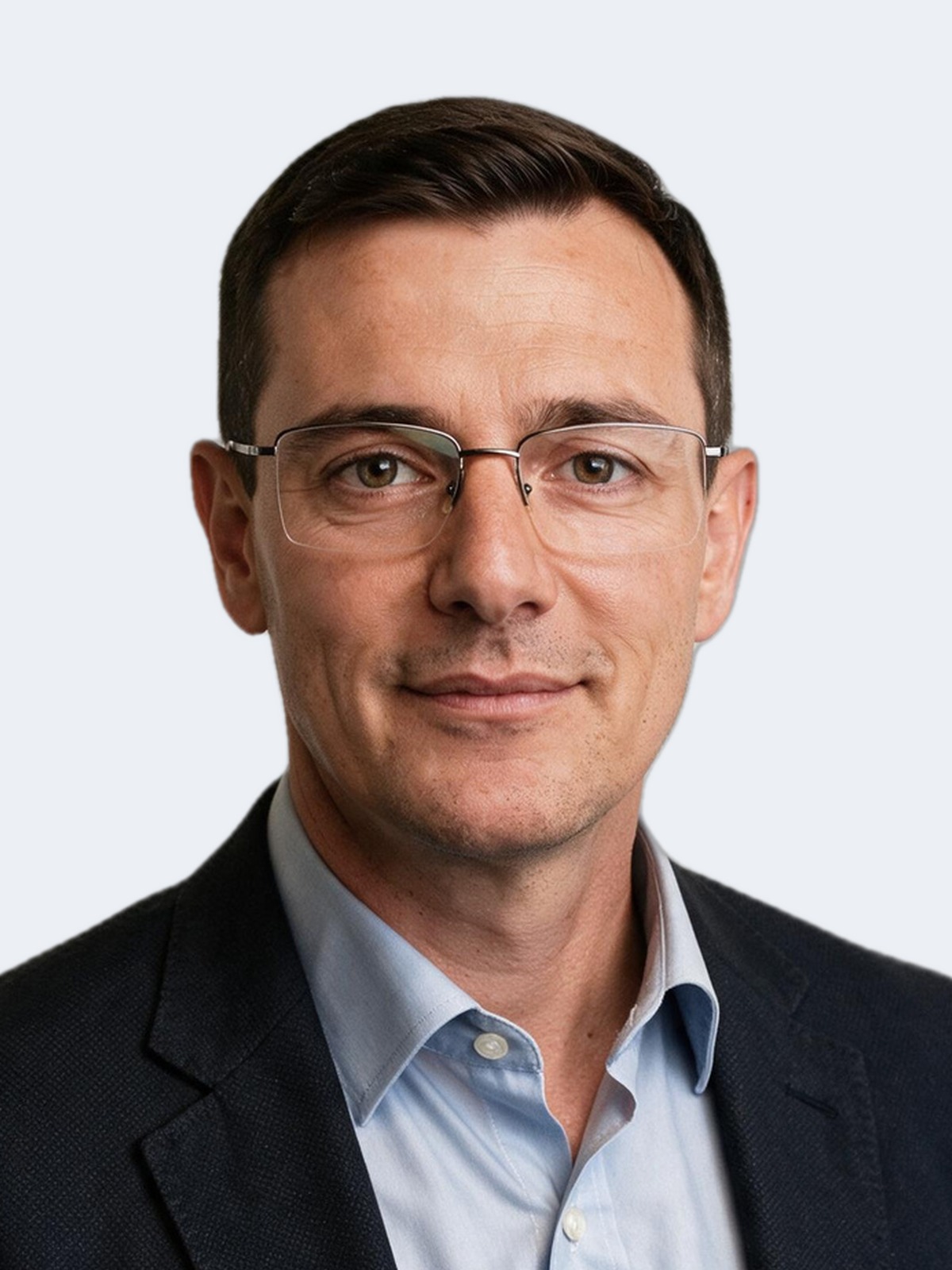 Igor VencReal Estate Managing DirectorTitle Deed and property checks
Documents
The basic document package from the client
- Passport / travel passport of the UBO and directors
- Proof of residential address (utility bill / bank statement)
- CV / professional profile of the beneficiary
- Documents confirming the source of capital (SoW)
Timeline
Indicative timeline for creating the structure
- Architecture design and memorandum: 5-10 business days
- SPV / holding incorporation: 5-15 business days
- Private foundation / trust formation: 10-20 business days
- Account opening and compliance: 15-30 business days
Average turnkey preparation time — 3 to 6 weeks.
Fees
How BRIDGES GLOBAL fees are formed
Fees are set individually and depend on:
- The number of jurisdictions and structure tiers
- The legal instruments chosen (SPV, Holding, Foundation, Trust)
- The scope of due diligence and the complexity of the Source of Funds file
The exact budget is approved after the initial analysis of the objectives and the terms of reference.
FAQ
Frequently asked questions
In many jurisdictions this is possible. However, personal use of corporate property without a lease can create tax consequences. Depending on the country, Benefit in Kind or Deemed Distribution rules may apply. The form of use is defined together with the choice of the ownership model.
An SPV (Special Purpose Vehicle) is a legal entity created for a specific purpose — for example, holding a single property — without any unrelated operating activity.
In a Share Deal the subject of the transaction is the shares of the company rather than the property itself. The buyer acquires corporate rights over the company together with its history and assets.
No. Under CRS financial institutions must identify the ultimate beneficial owner (UBO) and report the information to the tax authorities of the owner’s country of residence.
Crypto assets can be used subject to a full AML audit of the origin of the funds (Crypto SoF) and their conversion through licensed financial institutions.
A trust is a fiduciary relationship, while a family foundation is a self-standing legal entity with its own legal personality.
It depends on the law of the specific state. In some countries investment residence programmes require direct personal title.
Repayment of the principal of a valid shareholder loan is normally not taxable income. The loan itself is tested against thin capitalisation and transfer pricing rules.
Special provisions of tax law and DTTs under which the sale of shares in companies whose assets consist predominantly of real estate is taxed under rules equivalent to a direct sale of the property.
The bank reviews the documented history of how the beneficiary’s capital was formed over their entire career (dividends, sale of a business, savings).
Yes, but legally this is a new sale and purchase or a contribution in kind, with possible local tax consequences.
To meet substance requirements a qualified individual or corporate director resident in the country of incorporation may be appointed.
In structures with a trust or a family foundation, control passes out of court under pre-approved rules (Trust Deed / Regulations).
Creditors cannot directly attach the SPV’s assets for the beneficiary’s personal debts. Claims can only reach the beneficiary’s own shares in the company, and only on the basis of court decisions.
Cyprus, the UAE (DIFC, ADGM), Luxembourg and Singapore are frequently analysed as holding centres thanks to developed corporate law and wide DTT networks.
Depreciation allowances reduce the current taxable rental profit. The rules and rates are set by the tax code of the country where the property is located.
The SHA governs the relationship between co-investors, decision-making, further funding and exit terms, preventing corporate deadlocks.
Yes, commercial banks lend to SPVs against the asset and the company’s shares based on the project’s income assessment.
Registered address, bookkeeping, tax filings and payment of state fees.
BRIDGES GLOBAL designs, builds and maintains the international ownership infrastructure of the asset at every stage of its life cycle.
BRIDGES GLOBAL ecosystem
Related services of the project
- Company and SPV registration abroadAsset holding companies in 30+ jurisdictions: form, charter, directors, substance.Go to the service →
- Private foundations and trustsTrust structures and family foundations for succession and capital protection.Go to the service →
- Corporate bank accountsAccounts for SPVs and holdings with EU, UAE and Swiss banks matched to the structure.Go to the service →
- Source of Funds / Source of WealthLegal packaging of the origin of funds and wealth for bank compliance.Go to the service →
- International tax planningCoordinating the tax regimes of the three jurisdictions and applying DTTs.Go to the service →
- Legal support of real estate transactionsSPA, coordination of the parties, escrow settlements and registration of the transfer.Go to the service →