
Updated

EE-DN

The Digital Nomad Visa

An Estonian visathe nomad visa

The first nomad visa in the European Union: Estonia introduced it before anyone else. It gives up to 365 days of life in the country, and two visas in a row up to 548 days. An income of €3,960 a month over the last six months has to be evidenced.

  • The conditions are checked against the Estonian Foreign Ministry and the Police Board
  • Working since 2004
  • We run the visa, the extension and the tax questions
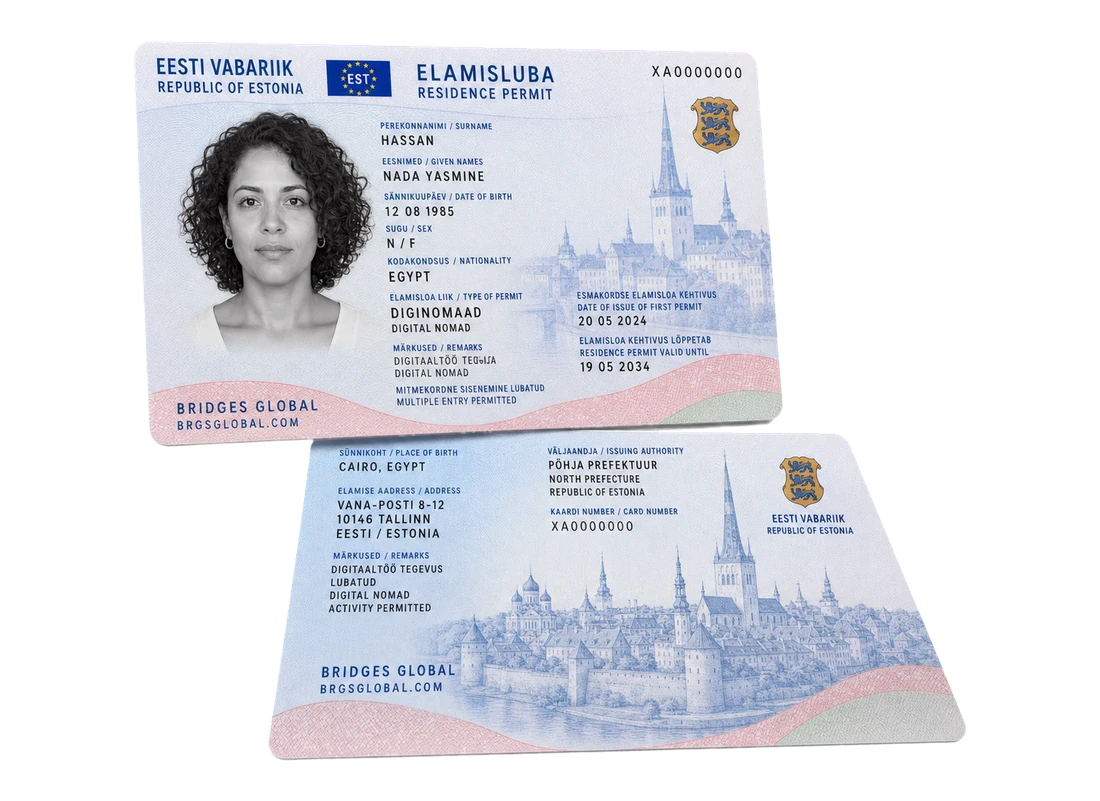
An Estonian residence card under the Digital Nomad Visa
from €3,960 a monthIncome for the applicant
Up to 548 daysOn two visas in a row
Everything onlineThe most digital state in the EU

01 / About the program

How the Estonian nomad visa works

Estonia was the first in the European Union to set remote workers apart as a separate category. This is a long-stay D visa, not a residence permit: it is designed for a year of life in the country, not for moving for good.

01

Income of €3,960 a month

The requirement is set at €132 a day. It is evidenced by documents for the six months before filing: the amount, the regularity and the sources of the receipts.

02

Up to 365 days on one visa

The visa gives the right to stay in the country for up to a year within twelve consecutive months. Two visas in a row — 548 days at most in 730 days.

03

The work is not tied to a place

You have to confirm that the duties are carried out through telecommunications technology and do not depend on where you are.

04

Three ways to file

An Estonian mission, the Police and Border Guard Board while lawfully in the country, or a VFS Global visa centre in certain countries.

02 / What you get

What the visa gives you

A year of life in the European Union

Up to 365 days in Estonia plus travel around Schengen for up to 90 days in every 180.

A digital state

Banking, taxes, registration and most services are online. Estonia has built the most developed digital administration in Europe.

The work does not change

Employment with a foreign company, your own firm abroad and freelancing with clients abroad all qualify.

A clear fee

The state fee is €120. The programme requires no further investment, deposits or contributions.

A start-up environment

Tallinn is one of Europe’s centres of technology entrepreneurship: a community, co-working spaces and events all year round.

English in the business world

In IT and services English is enough for everyday matters, and documents often come in both languages.

A preliminary assessment

Calculate the budget for your family

Set out who is applying with you. With the calculation you get the full Estonian picture: the requirements, the budget for the move, the timeline and a plan of action.

Who is applying for the visa?

Get the calculation

about a minuteno calls and no obligationsconfidential

  • The full calculation for your family composition
  • The timeline for each stage of the process
  • A plan of action: where to start
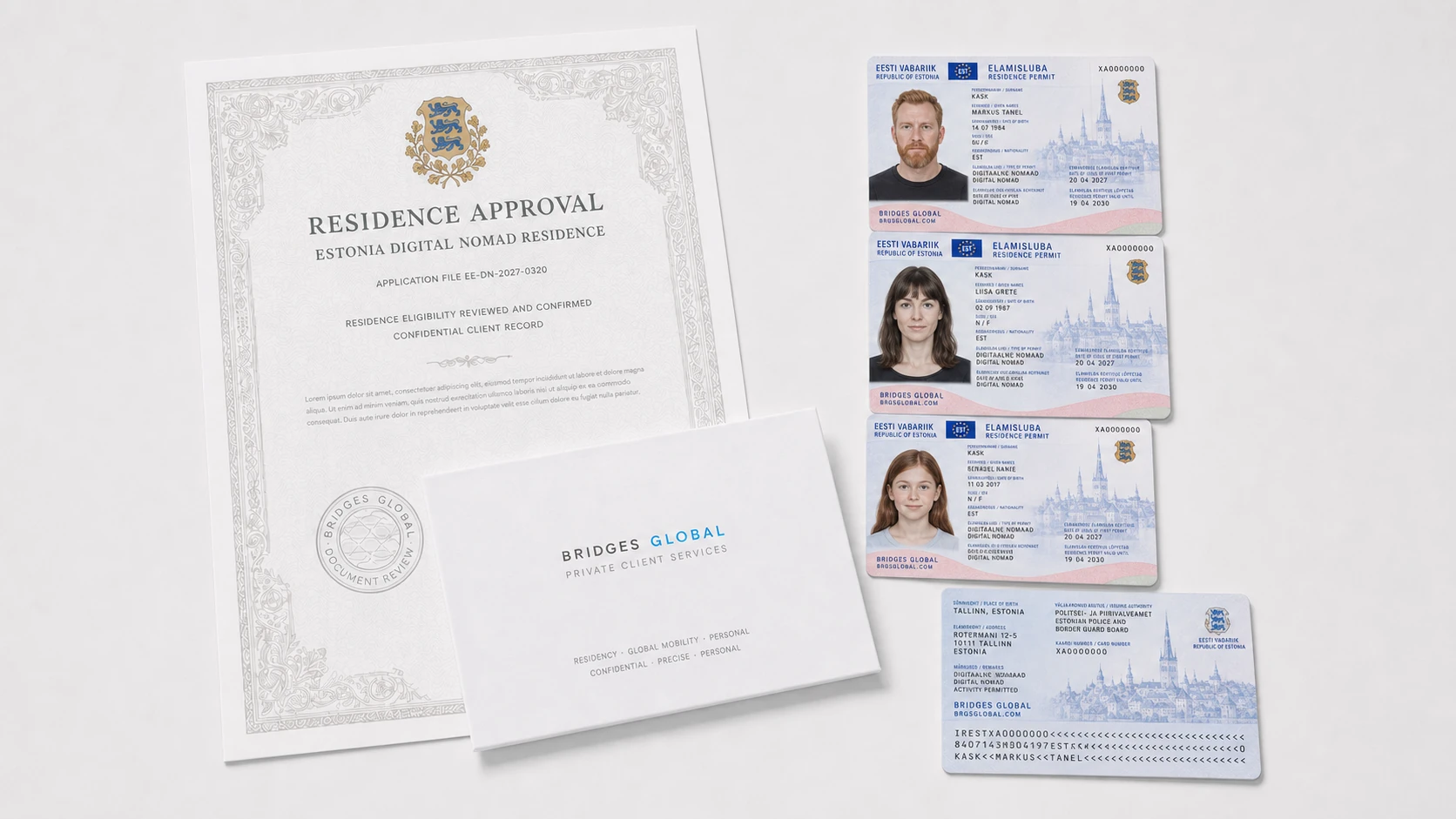
An Estonian visa and a set of digital nomad documents

03 / Why people apply

Why people arrange the Estonian nomad visa

Estonia is chosen as a quick and clear way into the European Union for a year — with no investment, no quotas and no housing requirements.

The first nomad visa in Europe

The programme has run since 2020: the practice has settled, the requirements are stable and the procedure is worked out.

No investment at all

No deposit and no property purchase: evidencing a regular income over six months is enough.

Everything is done online

After arrival almost all everyday and administrative life runs through the state’s digital services.

A year with no obligations

The visa does not require moving the centre of your vital interests: it is a way to live in Europe, not a commitment to stay.

A technology community

A dense environment of specialists and entrepreneurs — useful for those working in IT and product.

A quick procedure

The set of documents is compact and the decision is taken within the ordinary visa timelines.

04 / Travel

Where you can travel on a D visa

The D visa gives the right to live in Estonia and travel around Schengen on general terms.

Mode 01

Estonia for up to 365 days

A stay of up to a year within twelve consecutive months.

Mode 02

Schengen, 90 days in 180

Travel around the other Schengen countries — up to 90 days in every 180.

Mode 03

Work for clients abroad

The visa is issued for remote work for companies and clients outside Estonia.

Mode 04

The rest of the world on your own passport

You travel to third countries on your passport of citizenship: that is what sets the visa regime.

Sources: the Estonian Aliens Act, the regulation on sufficient means for a long-stay visa and the Schengen Borders Code (Regulation (EU) 2016/399).

05 / The composition of the application

Who can obtain the visa

The main applicant evidences the income and the nature of the work. Open a row to see the conditions.

  • Remote work for a company or clients outside Estonia
  • An income from €3,960 a month over the last six months
  • Proof that the work is independent of location
  • Medical insurance and the €120 fee
  • Files a separate visa application
  • Evidences sufficient means for their own purpose of stay
  • The term of the visa is aligned with the main applicant’s
  • Applications are filed separately for each child
  • For children aged 6-11 the fee is €60
  • Parental consents and documents on the relationship are required

06 / Cost

What income has to be evidenced

The requirement is set as a daily rate: €132 a day, that is €3,960 a month for the applicant.

Through a mission · the main route

€47,520

≈ $55,000

Evidenced The whole term of the visa

  • €3,960 a month over the last six months
  • Documents on the amount, the regularity and the sources of the income
  • Proof that the work does not depend on where you are
  • A state fee of €120

In Estonia · while lawfully in the country

€47,520

≈ $55,000

Evidenced The whole term of the visa

  • The application is filed with the Police and Border Guard Board
  • A lawful ground for being in the country at the time of filing is required
  • The set of documents is the same as at a mission
  • The documents are legalised with an apostille and translated

Through a visa centre · VFS Global

€47,520

≈ $55,000

Evidenced The whole term of the visa

  • Available in certain countries: the United States, Canada, Australia, Japan, Ukraine
  • The procedure and the requirements match filing at a mission
  • The visa centre’s service fee is payable
  • In Russia and Belarus applications for this visa are not accepted

The way of filing

The main applicant
1
Spouse
0
Minor children
0

The threshold is given under the sufficient means rates of the Estonian Foreign Ministry. On top of the income come the state fee, the insurance, the translations, the housing and the support. This is a preliminary calculation, not a decision of a state authority.

07 / Comparison

Estonia against the neighbouring nomad visas

The main difference is the format: in Estonia this is a visa for a year, not a residence permit building up a qualifying period for permanent residence.

EstoniaCroatiaGreeceSpainPortugal D8
Income requirement€3,960 a month€3,622 a month€3,500 a month€2,442 a month€3,680 a month
The format of the statusA D visaA temporary stayA visa, then residencyA residence permitA residence permit
The maximum term548 days in a row18 monthsa year, then 2 years3 years, extension 22 years, extension 3
FamilySeparate applicationsThrough reunificationIn the same applicationIn the same applicationIn the same application
The path to permanent residenceDoes not leadDoes not lead5 years5 years5 years

The thresholds are given as at the date this page was updated; the conditions for each country are set out on its own page.

Full program comparison →

10 / How it works

How the process works

STEP 1

Checking the employment and the income

We go through the structure of the income over six months and confirm that the work does not depend on where you are.

STEP 2

Choosing where to file

We settle where you file: an Estonian mission, a VFS Global visa centre or the Police Board inside the country.

STEP 3

The documents and the legalisation

We prepare the statements, the contracts and the certificates, put on the apostille and translate into English or Estonian.

STEP 4

Filing and the fee

The application is signed in person and the state fee of €120 is paid.

STEP 5

Arrival and settling in

Once the visa is issued we help with housing, the account and the state’s digital services.

STEP 6

The second visa and taxes

We plan the second visa taking the 548-days-in-730 limit into account and go through the tax consequences of the stay.

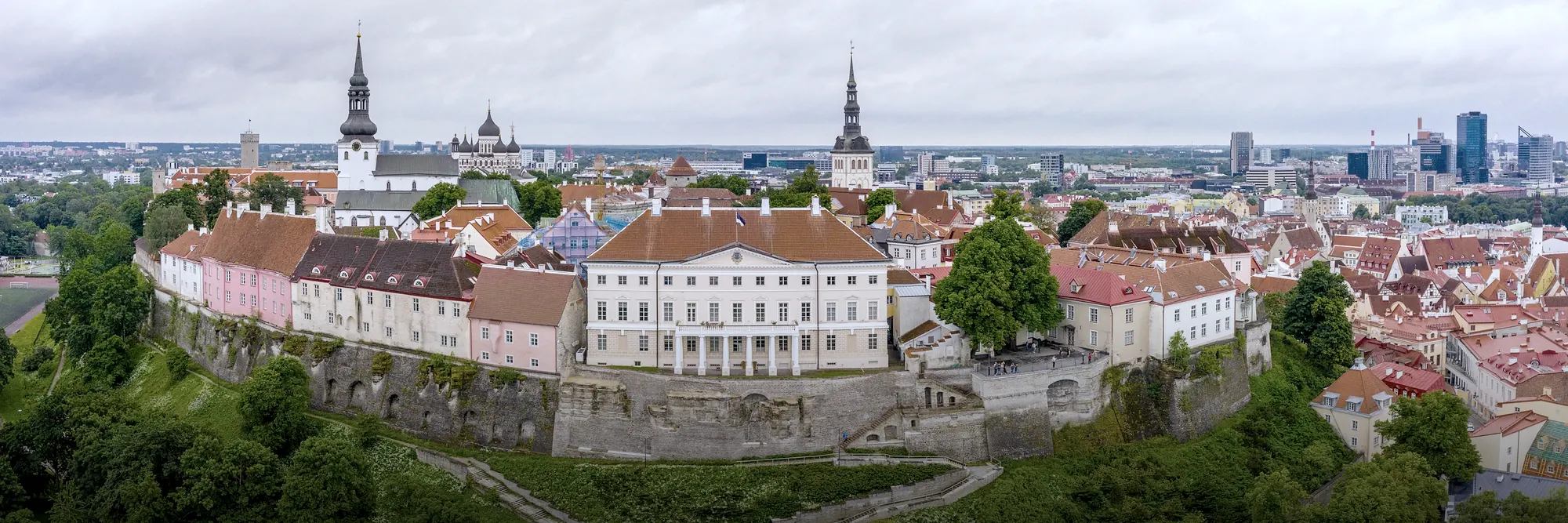
Tallinn Old Town

Europe’s first nomad visa: a year in the European Union with no investment and an administration that lives online.

EstoniaThe European Union and SchengenA D visa
Go through your situation

11 / Our role

Why people arrange the visa with us

Most refusals come down to evidencing income: the documents have to be for exactly six months and in the form the authority understands.

01

We assemble six months of income

The statements have to show the amount, the regularity and the sources of the receipts. Gaps in the receipts we go through in advance.

02

We evidence the nature of the work

Documents are needed showing that the duties are carried out remotely and are not tied to a place. The wording of the contract matters.

03

We choose where to file

In Russia and Belarus applications for this visa are not accepted. We settle an available jurisdiction for filing in advance.

04

We count the periods of stay

The limit of 548 days in 730 needs planning: we work out the calendar before the first visa is filed.

15 / Materials

Useful materials on Estonia

Materials on the nomad visa: calculating the income, the documents and the order of filing.

The main materialPresentation

The Estonian Digital Nomad Visa

The presentation gathers the essentials: the income requirements, the documents, the places of filing and the periods of stay.

Inside:

  • what income has to be evidenced and for what period
  • which documents evidence the remote nature of the work
  • where the application can be filed
  • how the 365 and 548 days of stay are counted
  • what is needed for family members
  • what tax consequences arise
  • how work with BRIDGES is organised

PDF · free · current as of August 2026

A short check: the regularity of the income over six months, the wording of the contract and an available place of filing.

The list for the applicant and each family member, the apostille and the translations included.

We calculate the income required, the budget for the move, the fees and the support.

All the materials are updated regularly by our team and are used when supporting BRIDGES clients.

16 / News

What matters to know

2026-08-12

The sufficient means rate for teleworking is €132 a day, that is €3,960 a month. The income is evidenced for the six months before filing.

2026-08-12

Digital Nomad Visa applications are not accepted in a number of places, Russia and Belarus among them: the filing is planned through an available jurisdiction.

Worth having

Download the Estonia checklist

The short document we give clients before the start: the income, the documents, the stages and the timelines.

Inside the document

  • The income required and the period of evidence
  • What evidences the remote nature of the work
  • The current conditions for 2026

We will send it after a short form - no call or obligation.

17 / Questions

Answers to common questions

The sufficient means rate for teleworking is €132 a day, that is €3,960 a month. The income is evidenced by documents for the six months before filing, showing the amount, the regularity and the sources.

The D visa gives a stay of up to 365 days within twelve consecutive months. On two visas in a row the total may not exceed 548 days in 730 days.

It is a long-stay visa, not a residence permit. It is not designed as a route to permanent residency: if permanent residence is the goal, the statuses of Portugal, Spain or Greece are worth considering.

The state fee is €120, and €60 for children aged 6-11. The insurance, the translations, the legalisation of documents and the visa centre’s service fee, where filing goes through one, are payable in addition.

At an Estonian mission, with the Police and Border Guard Board while lawfully in the country, or at a VFS Global visa centre in certain countries — the United States, Canada, Australia, Japan and Ukraine.

No. According to the official information from Work in Estonia, Digital Nomad Visa applications are not accepted in those countries. The filing is planned through an available jurisdiction.

Family members file separate visa applications and evidence sufficient means for their own purposes of stay. The terms of the visas are aligned with each other.

A foreign employer, your own company outside Estonia or clients abroad. The key condition is that the work does not depend on where you are.

It depends on the length of the stay and the centre of your vital interests. Tax residency is worked out individually: that question is gone through before filing, not after the move.

The application is considered within the ordinary visa timelines. Most of the time goes on preparing the documents: six months of statements, the apostille and the translations.

INITIAL ASSESSMENT

Tell us what outcome your family needs

We will design a solution for your case, choose the country and the right status, and take the whole process through to the result.

Or message us on WhatsApp or Telegram

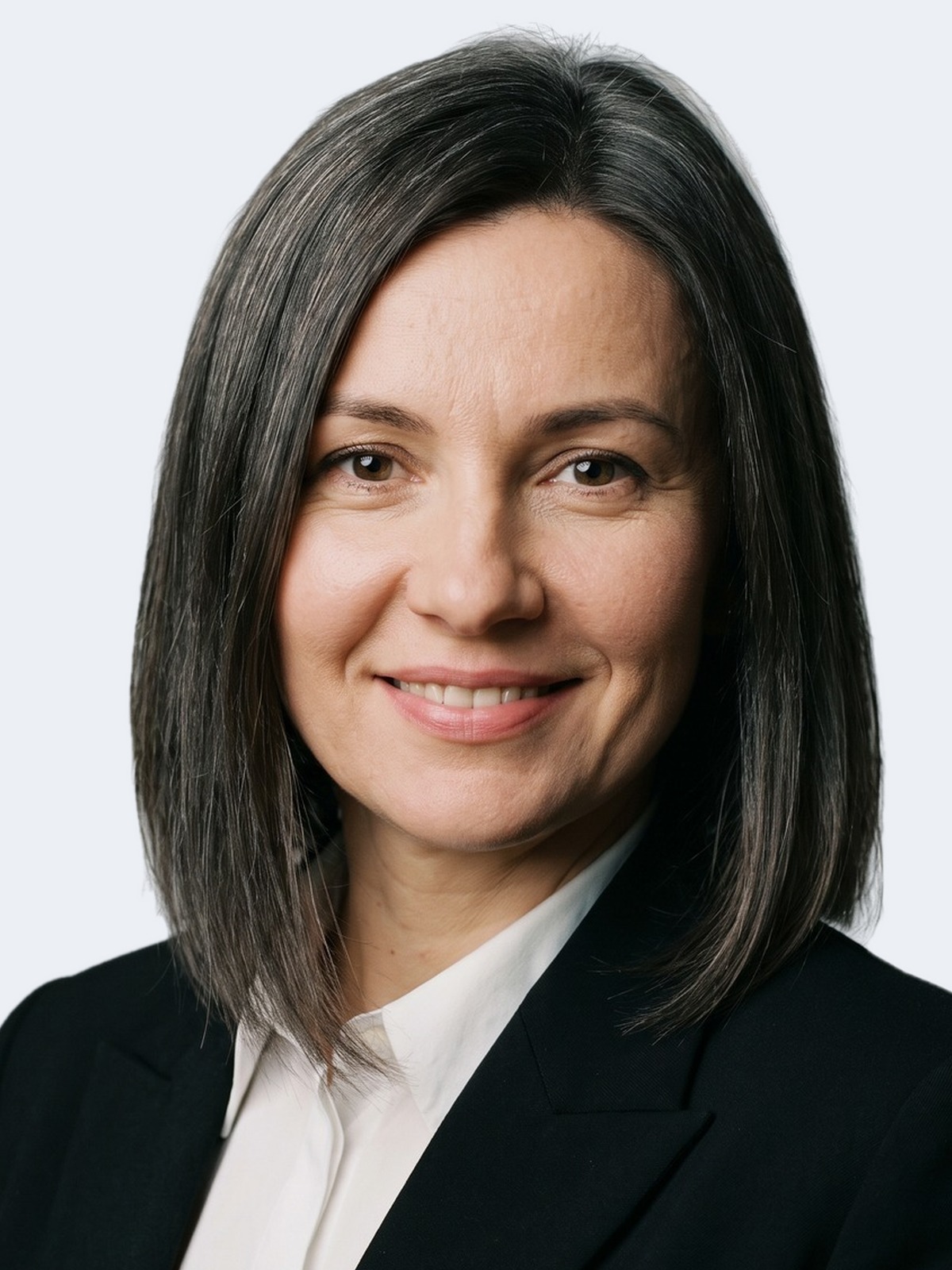
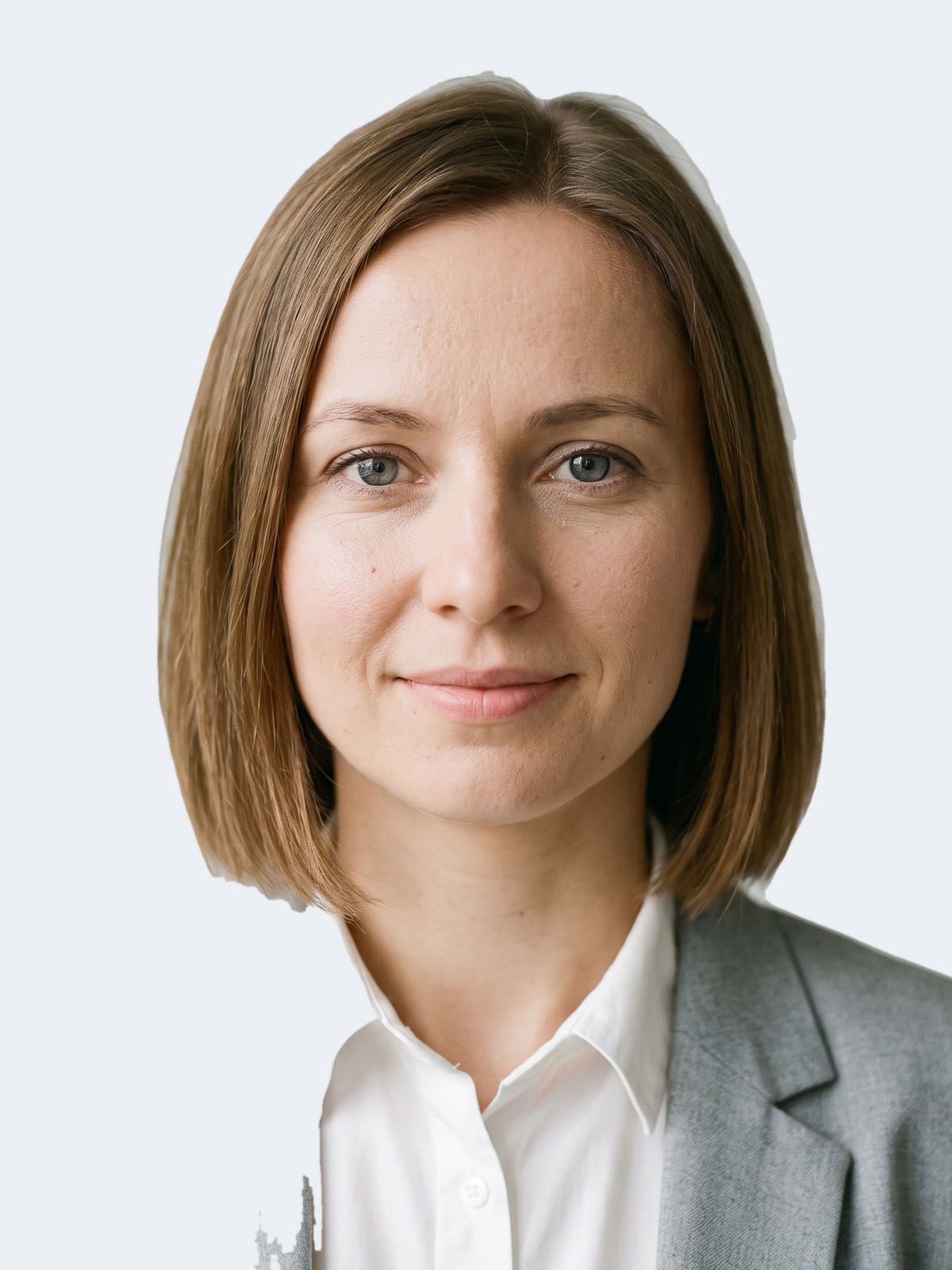
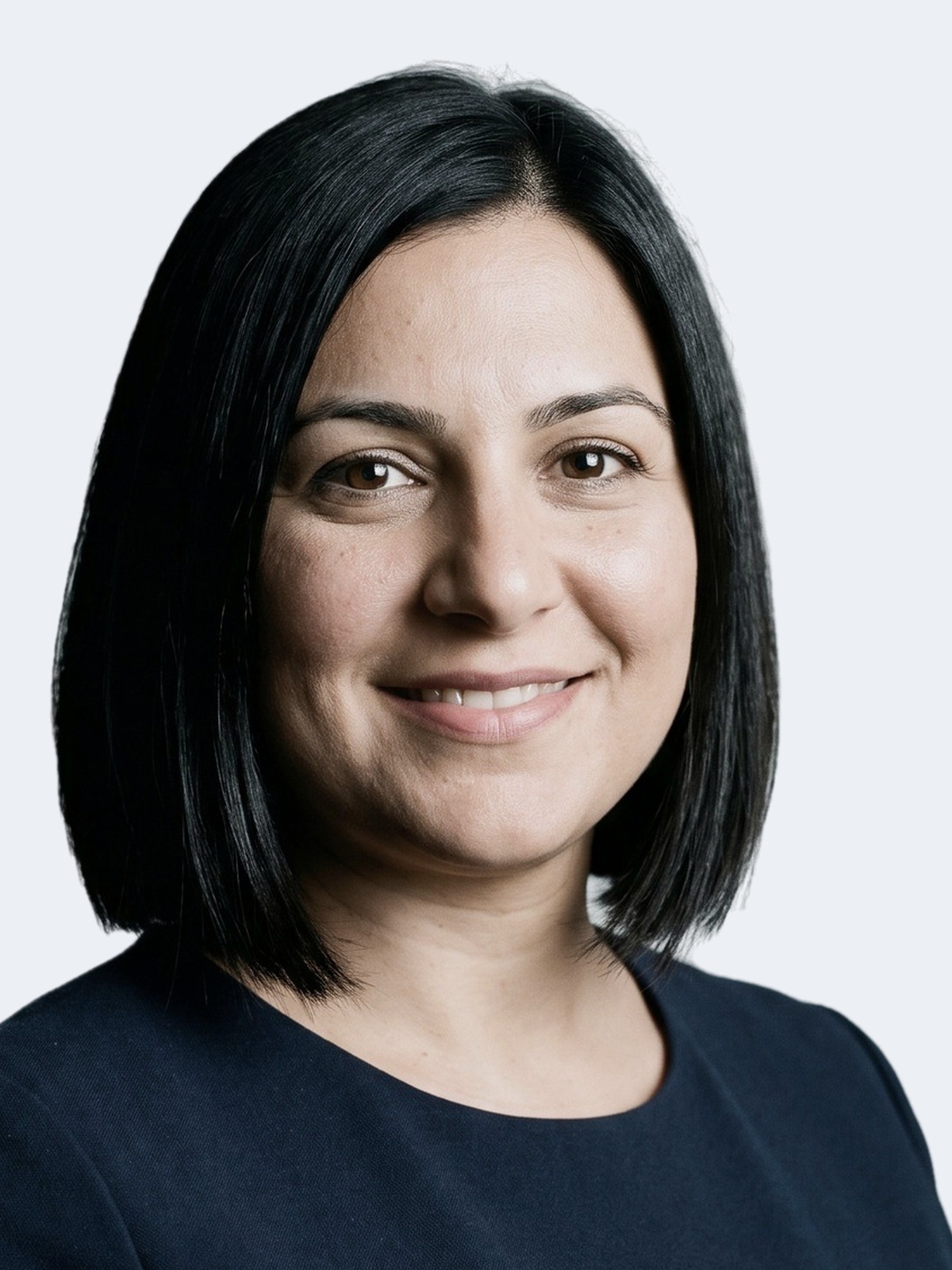
Anna Kovalevskaya, lead lawyer at BRIDGES GLOBAL
Anna KovalevskayaLead lawyer, citizenship and residency, 12 years of practice