A free PDF guide
A guide to the Golden Visas of Europe:the terms, the cost and the presence
Six programmes with a threshold from €150,000. We set out what a residence card gives and what it does not, how many days a year you will have to spend in the country, which programme actually reaches an EU passport and what the entry costs for a family.
- PDF in English
- Free of charge
- Verified on 10.08.2026
- Sent by email, WhatsApp or Telegram
Preliminary information is not a guarantee of approval. Whether a programme is open to you, and the final cost, are settled after the check on the applicant.
01 / The essentials first
What a golden visa gives — and what it does not
Half the questions here are settled before the programmes are compared: people come for a passport and buy a residence card. Those are different products, with different prices and different horizons.
- The right to live in the country
The residence card gives the right to be in the country with no limit on days and to enter Schengen without a visa. It is a status of residence, not citizenship.
- The family in one application
A spouse and minor children go into the same application. Greece, Portugal and Cyprus also allow the applicant’s parents.
- An investment, not a payment
The money goes into a fund or into property and stays your asset. Only the state fees and the service leave it.
- What the visa does not give
It gives neither an EU passport, nor the right to be employed anywhere in the Union, nor tax residence automatically — each of those is settled separately.
02 / The entry
What the entry costs for your family
Give the family and the programme — we will show the investment, the state fees for every person in the application and the service. The investment does not grow with the number of applicants; only the fees do.
03 / The three most asked for
Hungary, Greece and Portugal: how they differ
Three programmes cover most of what people ask for here. The difference is not the threshold but what you hold at the end and how much time you owe the country.
The values were checked against the official material on 10.08.2026. Only the rows for which there is no official wording are marked separately.
| Criterion | HungaryThe Guest Investor · residence for 10 years | GreeceThe Golden Visa · residence for 5 years | PortugalThe Golden Visa · a path to a passport |
|---|---|---|---|
| The investment threshold | from €250,000Hungary takes units in a property fund, Greece a property or a fund, Portugal funds only. | from €250,000 | from €500,000 |
| How long it takes | 1-2 months | 2-3 months | 4-8 months |
| What you receive | residence for 10 years | residence for 5 years | residence, renewable |
| Presence in the country | minimalHungary publishes no exact number of days; the Portuguese seven days are an average across the term of the card. | not required | about 7 days a year |
| The path to citizenshipRequires confirmation | by naturalisationA direct path to an EU passport without permanent residence is today offered only by Portugal. | by naturalisation | from 5 years, without moving |
| The family in the application | a spouse and children | a spouse, children, parents | a spouse, children, parents |
| Getting the investment backA BRIDGES estimate | after 10 yearsThe exit depends on the terms of the fund or on the property market; the programmes guarantee no return. | on the sale of the property | after 6-8 years |
- The investment threshold
- from €250,000
- from €250,000
- How long it takes
- 1-2 months
- 2-3 months
- What you receive
- residence for 10 years
- residence for 5 years
- Presence in the country
- minimal
- not required
- The path to citizenshipRequires confirmation
- by naturalisation
- by naturalisation
- The family in the application
- a spouse and children
- a spouse, children, parents
- Getting the investment backA BRIDGES estimate
- after 10 years
- on the sale of the property
Malta and Cyprus are not in the table: they grant permanent residence at once, and setting them against fixed-term residence on the same rows would mislead. Both are set out in the guide.
04 / What is in the guide
Six programmes set out on one scheme
The PDF holds a table of all six programmes, an account of each country, the path to an EU passport, the presence requirements and the tax consequences of the status.
- Six programmes on one pageThe thresholds, the timings and the status in one table
- The countries in briefWhat each programme gives and whom it suits
- The path to an EU passportWhich programmes it actually works through
- Presence in the countryHow many days each programme asks for
- Tax and riskWhat the status changes and where people go wrong most often
05 / How it runs
From the task to the residence card
The timings in the table are how long the authority takes. The preparation of the file is always added to them, and it is usually what sets the total.
- The applicant and the aim are checked
We match the task to the programme: a passport in time, a base in Europe or an indefinite status. The source of the funds is checked before filing.
- The property or the fund is chosen
We look past the threshold: the terms of exit, the fund’s charges, the liquidity of the property and how long the title takes to register.
- The file is prepared
Certificates of income, the origin of the funds, a clean record, translations and the apostille. This is where the time usually goes.
- The investment and the filing
The money goes in under the programme and the application to the authority. Then the biometrics and the wait for a decision.
- The cards are issued
Residence cards for the whole family. Then the renewals on the programme’s calendar and the tax planning.
06 / Which one for whom
Which programme suits which task
The programmes are not better or worse than one another — they are about different things. The choice starts with what you want the status for.
- You want an EU passport in time
Portugal: the only programme here where the years on the card count towards naturalisation without moving — on an average presence of about a week a year.
- You want the status quickly and cheaply
Hungary and Greece: an entry from €250,000 and a process of one to three months. Neither brings a passport any closer directly.
- You want an indefinite status with no visits
The Maltese MPRP: permanent residence at once and with no presence requirement, but the structure is made of non-returnable contributions rather than an investment.
- You want a base by the sea and a soft entry
Cyprus: permanent residence in two or three months from €300,000, and a visit once every two years is enough to keep it.
When the task is put as «the cheapest, above all», the country is almost always chosen wrongly: a cheap entry often means a status that does not answer the original need.
07 / The check
What is examined before the status is granted
The European programmes check no more gently than the Caribbean ones. Refusals come not from the sum but from an unclear history of the money.
- The source of the funds
The main part of the file. A clear chain is needed from the earnings to the account the investment leaves: contracts, tax returns, statements over the period.
- A clean record
Certificates from the country of citizenship and from the countries you have lived in for more than six months in recent years. They expire, so we gather them close to filing.
- The sanctions lists
The applicant and connected persons are checked against the international lists. A match on a namesake is cleared with explanations, but it takes time.
- The origin of the asset itself
The fund or the developer is checked too. That is why the property is chosen from the accredited list — otherwise the application stalls through no fault of yours.
The asset is checked too: the fund or the developer has to be accredited by the programme. So the property is chosen from the approved list rather than the open market.
08 / The limits, plainly
What to know before you put the money in
The field is in constant reform, and the investment is held for years. These four things are worth understanding before filing, not after.
The rules change as you goThis field lives in permanent reform.
Portugal took property out of its programme, Greece raised the thresholds by zone, Spain closed its programme. The terms are fixed on the date of the application, not on the date of the decision — which makes a slow file an expensive one.
Source: AIMA — the grounds in forceResidence is not a passportA residence card does not turn into citizenship by itself.
Naturalisation calls for a period of residence, the language and, in most countries, an actual move. The softest exception is Portugal, where the years count on a minimal presence.
Tax is a separate calculationResidence status and tax residence are different things.
You become a tax resident by living there, usually after 183 days. A card can be held for years without changing your tax position, but if a move is planned the regime is worked out before filing.
The investment cannot be pulled outThe money is held in the asset for the whole term of the programme.
Leaving early means losing the status. Funds carry management charges and a lock-up period; property carries market risk and the cost of upkeep.
09 / Your team
Who runs the case
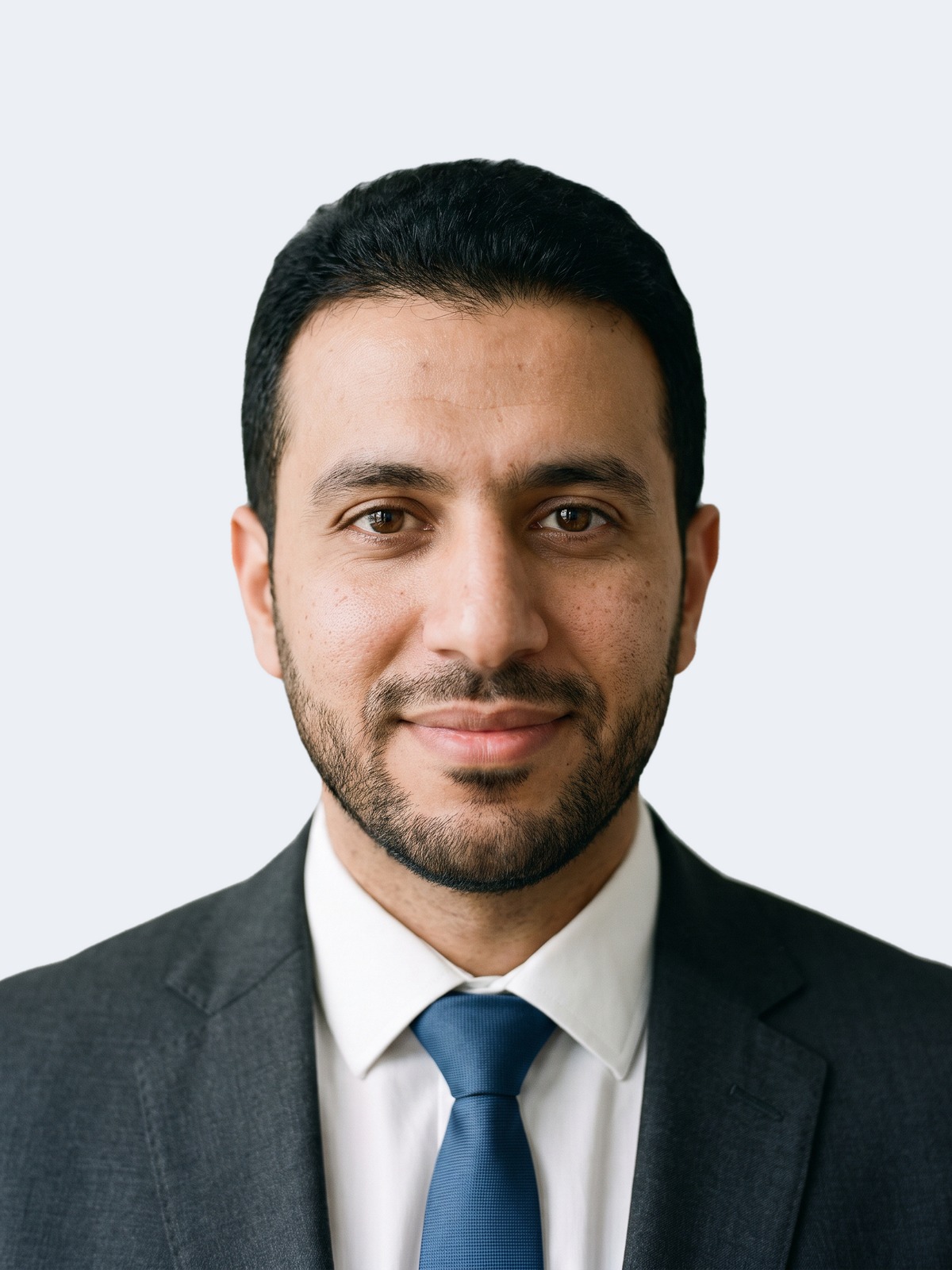
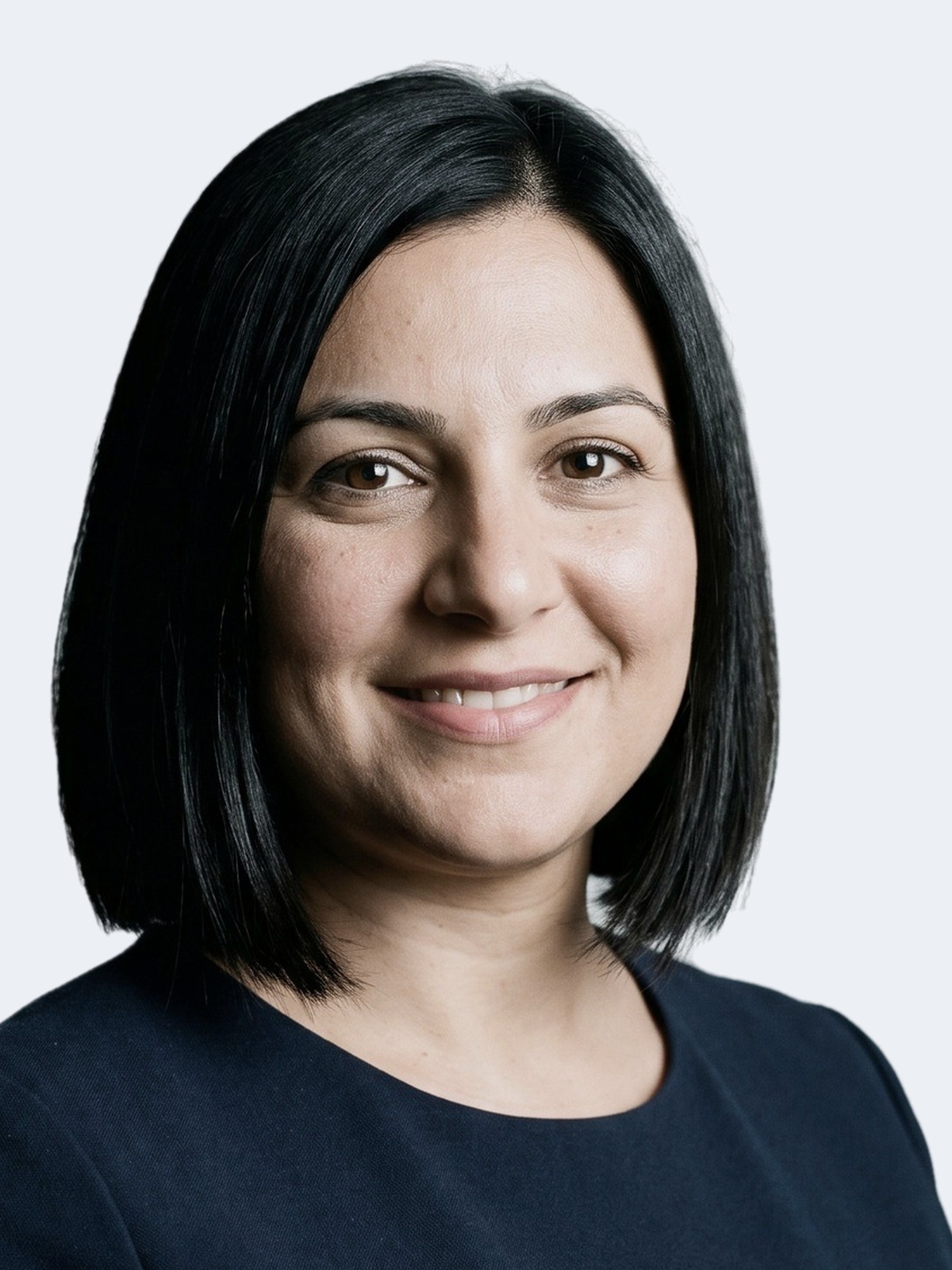
The work is led by specialists in the European programmes: choosing the fund or the property, the source-of-funds file and the work through to the card.


The editorial record
The material was prepared and checked by


- First published
- 10 August 2026
- Last updated
- 10 August 2026
- The investment thresholds checked
- 10 August 2026
- The presence requirements checked
- 10 August 2026
- The terms for the family checked
- 10 August 2026
The official sources
- The National Directorate-General for Aliens Policing of Hungary — long-term stayOrszágos Idegenrendészeti Főigazgatóság (OIF) · checked 10.08.2026The body that issues the guest-investor status. The threshold for an investment in a property fund is €250,000.
- The Ministry of Migration and Asylum of GreeceΥπουργείο Μετανάστευσης και Ασύλου · checked 10.08.2026The threshold depends on the zone and the type of property; in some regions the entry stays at €250,000.
- Investor Visa for Italy — the categories of investmentThe Ministry of Enterprises of Italy · checked 10.08.2026An innovative start-up is €250,000, a company €500,000, government bonds €2,000,000.
- Residence permit for investment — PortugalAIMA, the Agency for Integration, Migration and Asylum · checked 10.08.2026Property was taken out of the programme by the reform; the option in force is fund units from €500,000.
- Malta Permanent Residence ProgrammeResidency Malta Agency · checked 10.08.2026The status is indefinite and carries no presence requirement; the structure is made up of a lease and state contributions.
- The Ministry of the Interior of Cyprus — the Immigration PermitMinistry of Interior, the Republic of Cyprus · checked 10.08.2026Permanent residence is granted at once; keeping it requires a visit to the island at least once every two years.
10 / Question and answer
Common questions about the Golden Visas
Is a Golden Visa citizenship?
No. It is residence or permanent residence for an investment. Citizenship comes separately, by naturalisation: a period of residence, the language and usually an actual move. A direct path to a passport without moving is today offered only by Portugal — from five years on the card, on an average presence of about a week a year.
Which programme is the cheapest?
On the threshold, the Maltese MPRP, from €150,000. But there the structure is made of a lease and non-returnable state contributions, so the money does not stay an asset. Counting only the returnable part, Hungary and Greece are cheaper to enter — from €250,000, and that money is placed in a fund or in property.
Do I have to move?
In most of the programmes, no. Greece and Malta require no presence at all, Cyprus a visit once every two years, Portugal about seven days a year on average. A move is needed only if the aim is not the status itself but naturalisation in that country.
May parents be included?
Greece, Portugal and Cyprus allow the applicant’s parents in the same application, usually on evidence of financial dependence. Hungary and Italy stop at a spouse and children. Every extra person raises the state fees but not the investment threshold.
What happens to the status if the property is sold?
The status holds as long as the investment holds. Selling the property or leaving the fund before the end of the programme’s term means losing the card. So the horizon of the exit is planned in advance, along with the fund’s terms and its management charges.
Will the programmes be closed?
The field is in constant reform: Spain closed its programme, Portugal took property out, Greece raised the thresholds by zone. The terms are fixed on the date of the application, so the longer a file takes to assemble the greater the risk of meeting new rules.

Free of charge · a practical PDF
Take the guide to the Golden Visas of Europe
Inside: six programmes in one table, an account of each country, the path to an EU passport, the presence requirements, the tax consequences and the usual mistakes at the entry.
- A consultant sends the guide the way you choose — with notes on your own situation
- The data were checked against the official sources on 10.08.2026
- Your contact details are not passed to anyone else