A free PDF guide — the family in a residence application
A guide: residence for the familyand who takes the same status
In residence programmes the investment is one for the whole family and does not grow with the number of people. But the family is defined more strictly than in the passport programmes: we set out whom the same status takes in, whom you will have to arrange separately and whom you may add later.
- PDF in English
- Free of charge
- Verified on 11.08.2026
- Sent by email, WhatsApp or Telegram
The analysis shows the programmes’ terms at their published rules. Whether each person qualifies, and the final cost, are settled after the family has been checked.
01 / The essentials first
What shapes an application for a family
Four differences that make a family application for residence work unlike one for a passport.
- The investment is one for the whole family
The threshold does not grow with the number of people: €250,000 into a Hungarian fund, €300,000 into Cypriot property or €375,000 under the Maltese MPRP cover a single applicant and a family of six alike. Only the fees and the insurance grow with each person.
- The family is defined more strictly than in the citizenship programmes
No European programme accepts brothers and sisters. Parents go in only as dependants, and in Cyprus only from 55. In Türkiye parents and adult children take the status on a separate ground.
- A relative may be added later
This is the main difference from citizenship by investment: in Greece, Portugal, Italy, Hungary and the UAE new members of the family are added to the status after it has been granted. There is no second investment to make.
- A child’s status ends with their dependence
A child’s residence is tied to the parent’s status. Once the age limit is passed or the studies end, renewal goes on a ground of their own: work, study or their own investment.
02 / The family
Your family across nine residence programmes
Say who takes the status with you: the analysis shows which programmes take the family entire, whom you will have to arrange separately and what is added for each person.
9 of 9 programmes take your family entire
3 people in the applicationUnlike citizenship by investment, the threshold for a residence permit is one for the whole family and does not grow with the number of people. What matters is something else: whom the programme takes into the same status and whom you will have to arrange on a separate ground.
- Cyprus · Permanent residence under Regulation 6(2) · 2-3 months
- €300,000
- The family passes entire. Yes, by a separate application on the same investment
- €740 of administrative fees and insurance a head
- Greece · The Golden Visa · 4-6 months
- from €250,000
- The family passes entire. Yes, new members of the family may be added after the residence is granted
- €300 of insurance a head, and a state duty of €2,000
- Portugal · The Golden Visa · 6-18 months
- from €200,000
- The family passes entire. Yes, the family may be extended after the status is granted
- the investment does not move with the family
- Italy · The investor visa · 3-4 months
- from €250,000
- The family passes entire. Yes, family reunion is arranged separately
- under the flat tax, €50,000 a year for each relative
- Hungary · The guest investor visa · 4-6 months
- €250,000
- The family passes entire. Yes, the family is added to the applicant’s status
- the investment does not move with the family
- Malta · MPRP — permanent residence · 6-8 months
- from €375,000 where a home is bought
- The family passes entire. Yes, but with a separate fee for every person added
- everyone in the application goes through the due-diligence check, adult children and parents included
- Malta · GRP — the resident tax status · 3-4 months
- a home from €275,000, or a lease from €8,750 a year
- The family passes entire. Yes, while the requirements on housing and tax are met
- a minimum tax of €15,000 a year for the whole family
- The UAE · The Golden Visa · 1-2 months
- AED 2,000,000
- The family passes entire. Yes, the family takes the status on the applicant’s basis
- the investment does not move with the family
- Türkiye · Residence through property · 2-3 months
- $200,000
- The family passes entire. Only on a separate ground for each person
- the investment does not move with the family
The threshold is the programme’s own and does not include the taxes on the transaction, the fees or the service. The financial dependence of adult children and parents is proved by documents: a formal relationship is not enough in any of the programmes.
03 / Two solutions for a family
Residence or a passport: what a family should choose
Both give the whole family a status, but they are counted differently and answer different needs. Comparing them on price misleads.
The values were checked against the official material on 11.08.2026. Only the rows for which there is no official wording are marked separately.
| Criterion | Residence for a familyResidence by investment | A passport for a familyCitizenship by investment |
|---|---|---|
| How the investment is counted | One for the whole application; it does not move with the family | A base contribution plus a surcharge for everyone beyond the base family |
| Brothers and sisters | Not accepted | Accepted by Grenada, Nauru and Sierra Leone |
| Parents | Only as dependants; in some programmes only from 55 | As dependants, at a rate that follows their age |
| Adding someone later | Yes, with no second investment | No; it is a separate application and fresh fees |
| What it gives children | The right to live and study; the status is tied to the parent | Citizenship, passed on by descent |
| Presence in the country | From no days at all to an actual move — it depends on the programme | Not required in any of the programmes |
| When it is chosenA BRIDGES estimate | You want Europe, a school, banks and a prospect of naturalisation | You want a second passport and mobility without moving |
- How the investment is counted
- One for the whole application; it does not move with the family
- A base contribution plus a surcharge for everyone beyond the base family
- Brothers and sisters
- Not accepted
- Accepted by Grenada, Nauru and Sierra Leone
- Parents
- Only as dependants; in some programmes only from 55
- As dependants, at a rate that follows their age
- Adding someone later
- Yes, with no second investment
- No; it is a separate application and fresh fees
- What it gives children
- The right to live and study; the status is tied to the parent
- Citizenship, passed on by descent
- Presence in the country
- From no days at all to an actual move — it depends on the programme
- Not required in any of the programmes
- When it is chosenA BRIDGES estimate
- You want Europe, a school, banks and a prospect of naturalisation
- You want a second passport and mobility without moving
The terms are given at the programmes’ published rules on the date of checking and are refined for the particular family.
04 / What is in the guide
How the material is built
The PDF gathers the requirements of nine programmes on the family: who is included, what they prove and whom you may add later.
- The essentials firstHow an application for residence differs from one for a passport.
- Residence or a passportTwo solutions for a family in one table.
- The order of workHow an application for a whole family is assembled — from the aim to the renewal.
- The documentsWhat each person proves: the relationship, dependence, insurance.
- The limitsWho is not accepted and what ends with age.
- Your teamWho runs the case and what each specialist answers for.
05 / The order of work
How an application for a family is assembled
The aim and the family first, the country after. A programme chosen on the size of the investment often fails to answer the need the family is moving for.
- We settle the family and the aim
Who takes the status and what for: a school for the children, tax residence, freedom of movement. The aim decides the country more than the size of the investment does.
- We check that each of them qualifies
The children’s ages, the dependence of the adults, what has to be proved. This step rules out the programmes that will not take your family.
- We count what the family costs
To the threshold are added the fees, the insurance and the taxes on the transaction for every person. What is counted is the end-to-end total, not the headline threshold.
- We prepare the papers on relationship and dependence
Certificates, proof of study, evidence of support. For parents this is the longest part: what is proved is a fact, not merely a relationship.
- We file for the whole family
The application goes as one pack on the basis of the main applicant’s status. Each person gives their biometrics in person, and the dates are arranged in advance.
- We renew and plan the naturalisation
The status is renewed on the country’s rules. The right to citizenship by naturalisation opens in Hungary after 8 years and in Portugal after 10, counted on actual presence.
07 / The documents
What each person proves
The relationship is evidenced by documents, dependence by facts over a period. In adults it is the second that is examined.
- The relationship on documents
Marriage and birth certificates, apostilled and translated by a sworn translator. An unregistered marriage is accepted by no European programme.
- Financial dependence
For parents and adult children, support by the applicant is proved: regular transfers, paying for housing, study or treatment over a period, not a single certificate.
- Medical insurance for everyone
A policy is taken out for everyone in the application and renewed with the status: in Greece that is about €300 a head a year.
- Housing for the whole family
Some programmes check the size and layout of the housing: it has to match the number of people living there. The lease is taken for the term of the status.
- The source of funds
Checked in the main applicant. The money has to be traceable to the account the investment leaves, however many people are in the application.
The requirements on housing and insurance are counted for the whole family: the home has to suit the number of people living in it, and a policy is taken out for each of them.
08 / The limits
What to take into account in advance
Five limits that make family applications for residence have to be redone or split across several grounds.
Brothers and sisters go in nowhereNo European programme accepts them
Collateral kinship is not provided for in residence by investment. Such a relative takes a status of their own — through work, study or their own investment.
Parents are not accepted everywhereCyprus sets a threshold of 55; Türkiye does not include them at all
In Cyprus dependent parents are accepted from 55. Under Turkish residence (200,000 dollars into property) parents and adult children take the status on a separate ground.
A child’s status ends with their ageRenewal then goes on a ground of their own
Passing the age limit or finishing their studies means moving to a status of their own. That is planned in advance: study, work or a separate investment.
Presence is counted per personEvery person meets the requirement on days
In Portugal that is 7 days a year; in Cyprus a visit once every 2 years. A gap for one member of the family puts that person’s own renewal in question.
The tax regime is counted for the familyRelatives cost extra under the flat tax
Under the Italian flat-tax regime the main applicant pays €300,000 a year and every relative a further €50,000. For a large family that changes the calculation entirely.
09 / Your team
Who goes through your family
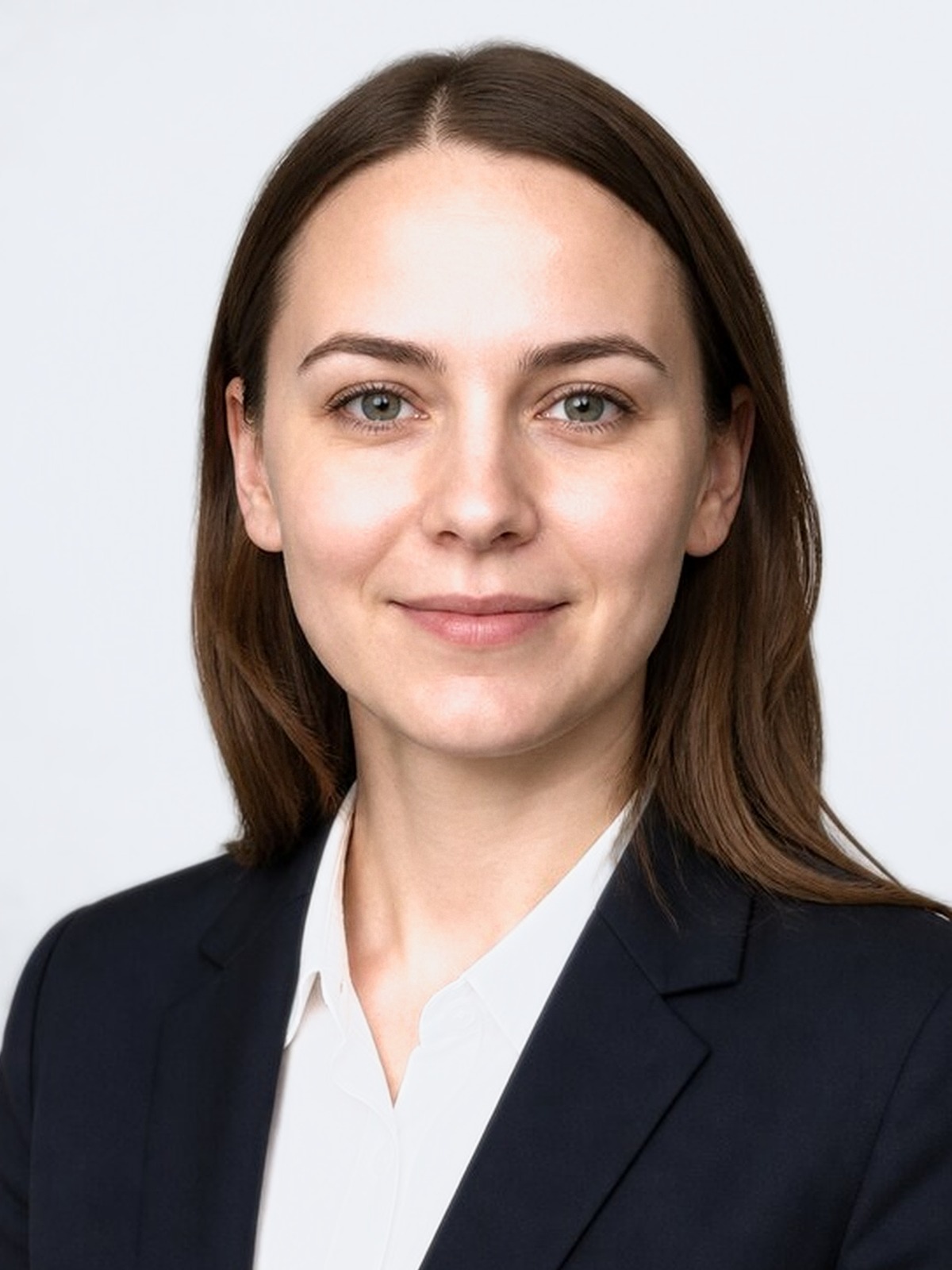
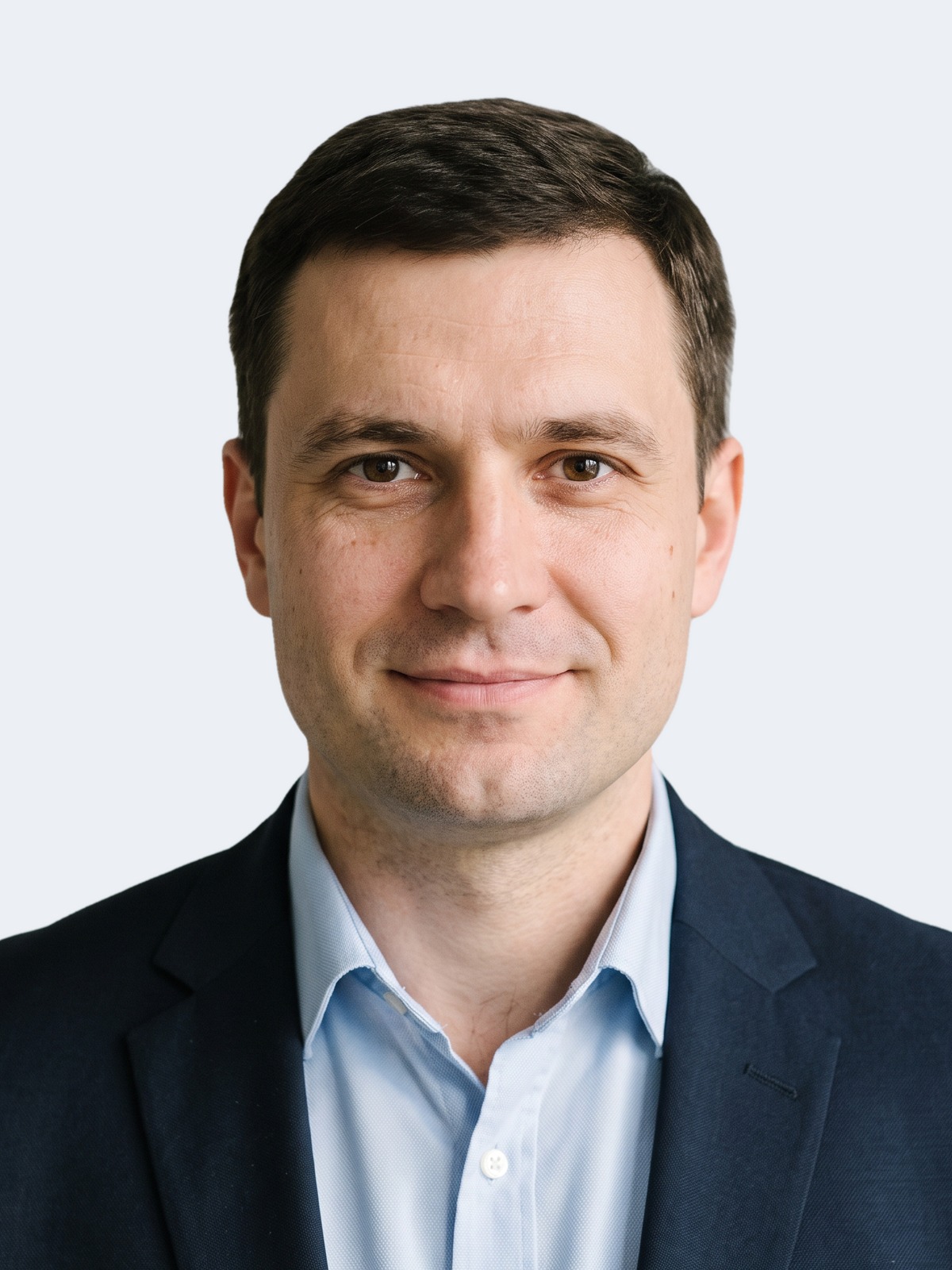
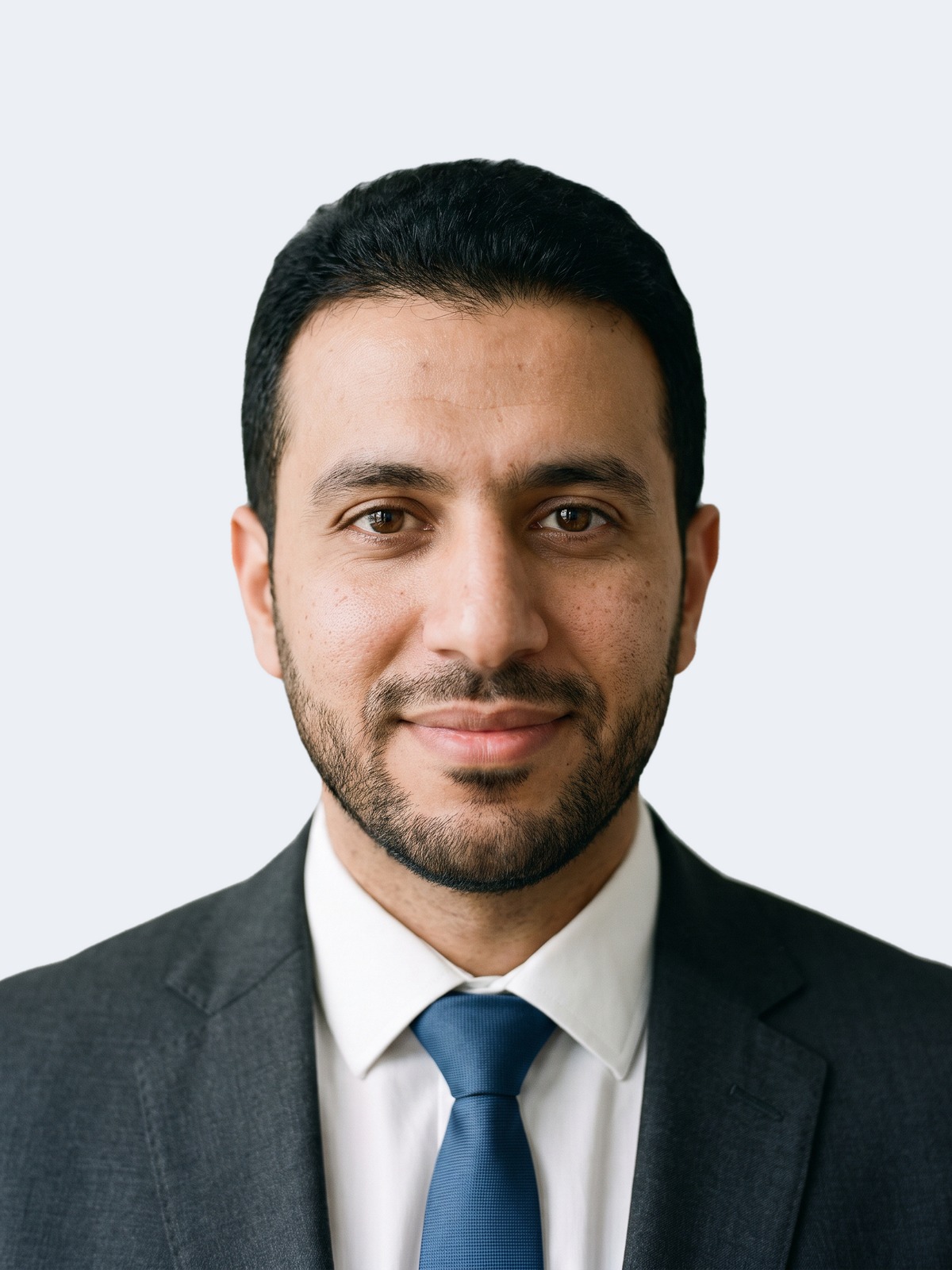
A family application is run by the specialists who deal with these programmes.

The editorial record
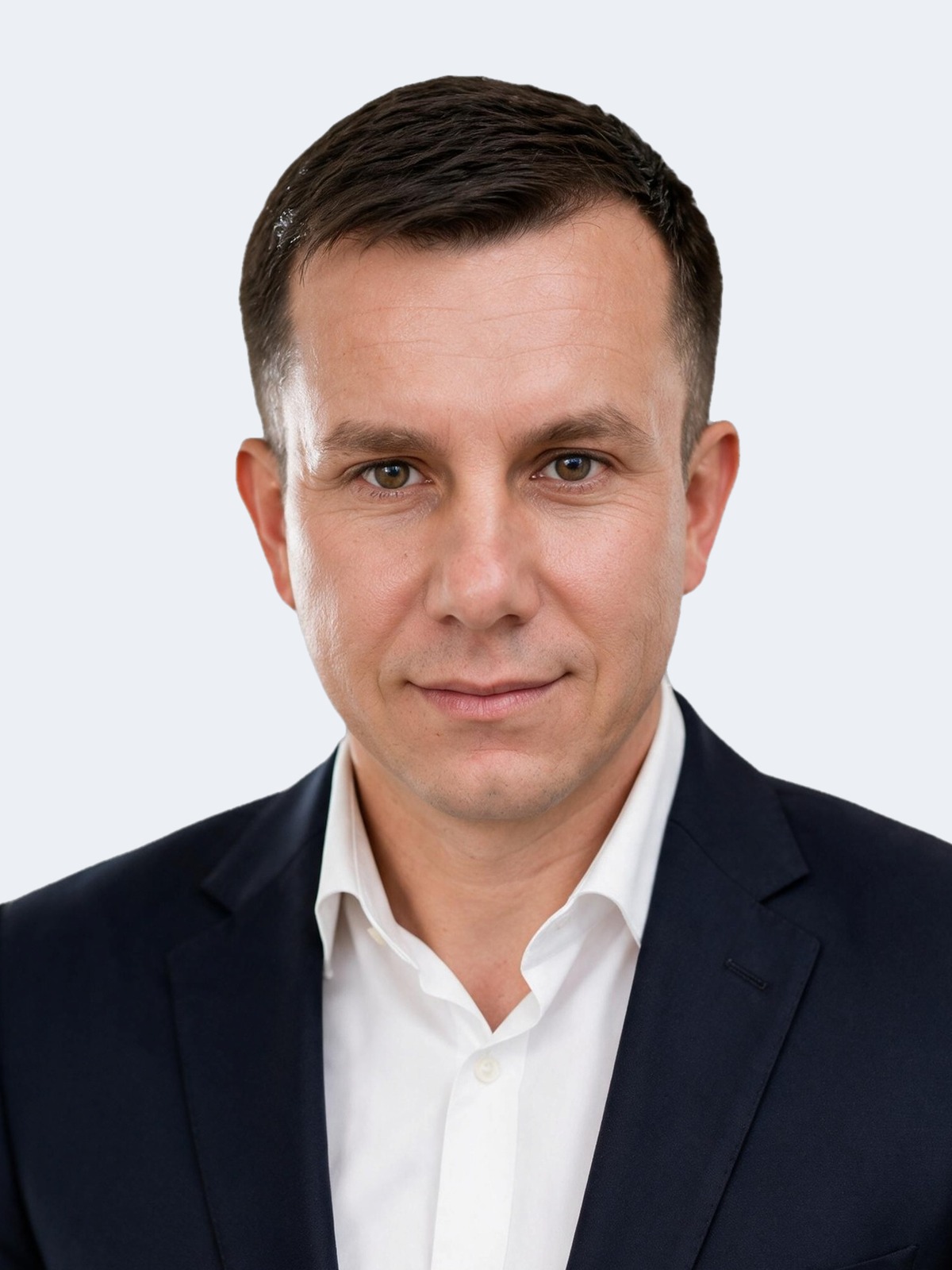
The material was prepared and checked by
- First published
- 11 August 2026
- Last updated
- 11 August 2026
The official sources
- The Ministry of the Interior of Cyprus — permanent residenceMinistry of Interior, the Republic of Cyprus · checked 11.08.2026The procedure under Regulation 6(2), including who goes into the application and the threshold for parents.
- Enterprise Greece — the Golden Visa programmeEnterprise Greece, the Government of Greece · checked 11.08.2026The terms on the investment thresholds and on the applicant’s family.
- AIMA — the residence permit for investors in PortugalAgência para a Integração, Migrações e Asilo · checked 11.08.2026The presence requirements and how family reunion works.
- Residency Malta Agency — MPRPResidency Malta Agency, the Government of Malta · checked 11.08.2026Who goes into the application, the fees for dependants and the check on everyone in it.
10 / Common questions
Questions about residence for a family
Who goes into an application for residence by investment?
A spouse by a registered marriage, children and dependent parents — that family is accepted by Greece, Portugal, Italy, Hungary, Malta and the UAE. In Cyprus parents are accepted from 55. In Türkiye only a spouse and children under 18 go into the application.
Does the investment grow with the number of people?
No. The threshold is one for the whole application: €250,000 in Hungary, €300,000 in Cyprus, from €250,000 in Greece. Only the fees, the insurance and the taxes on the transaction follow the family.
May a spouse or child be added later?
Yes, and that is the key difference from the citizenship programmes. In Greece, Portugal, Italy, Hungary and the UAE new members of the family are added to the status after it is granted, with no second investment. In Malta an addition carries a separate fee.
What happens to a child’s status after 18?
While the studies and the financial dependence continue, the status is renewed along with the parent’s. After that comes a ground of their own: study, work or their own investment. That is planned in advance rather than when renewal is refused.
How is a parent’s dependence proved?
By regular support: transfers, paying for housing or treatment, living together over a period. A birth certificate is not enough — what is checked is the fact of dependence, not merely the relationship.
Does the whole family have to live in the country?
It depends on the programme. Cyprus asks for a visit once every 2 years, Portugal for 7 days a year, and Hungary for no actual residence at all. Each person meets the requirement separately.
What should a family with school-age children choose?
The programmes with real access to education and healthcare: Greece, Portugal, Hungary, Malta, Cyprus. A Caribbean passport does not answer that need — it gives mobility, not a place to live.
After how many years can a family obtain citizenship?
By naturalisation and on actual presence: in Hungary after 8 years, in Portugal after 10. Simply holding the status starts no clock: residence and meeting the requirements are what count.

Free of charge
Take the guide and an analysis of your family
We will send the PDF on the family in a residence application and go through yours under the suitable programmes.
- Whom each programme accepts and on what terms
- What proves the dependence of a parent or an adult child
- Where the family may be extended after the status is granted
- The costs for the family beyond the investment threshold