A free PDF guide
How to choose the citizenship or residenceprogramme for your task
The choice starts not with a country but with a task. We set out the seven criteria programmes are compared on, show how the budget for a whole family is counted, and find the country for you in seven questions.
- PDF in English
- Free of charge
- Verified on 11.08.2026
- Sent by email, WhatsApp or Telegram
The result shows a direction, not a guarantee of approval. Whether a programme is open to you is settled after the check on the applicant.
01 / The essentials first
What decides the choice of programme
Four things that most often lead people to the wrong country.
- The choice starts with the task, not the country
Freedom to travel, a move to the EU, tax residence, banking, schooling for the children and protecting assets are answered by different programmes. Until the task is named, comparing countries means nothing.
- The entry price is not the final sum
The «from» figure applies to one applicant. For a family the due-diligence fees, the state duties, the passports and the service are added. The total for four is usually 1.5 to 2 times the entry.
- Citizenship and tax are different things
A second passport almost never makes you a tax resident of another country by itself. Residence is decided by where you actually live, and it is worked out before filing, not after.
- The number of visa-free countries says little
What matters is the destinations you need, not the length of the list. The lists change: the United Kingdom and Ireland have introduced visas for several Caribbean passports in the past two years.
02 / The choice
Seven questions, and the country for your task
Answer seven questions: the tool weighs the task, the budget, the family, the timing and your readiness to move, and shows which direction answers your need.
03 / Two kinds of solution
A passport without moving, or a status in Europe
The programmes fall into two classes, and comparing them on price misleads: they answer different needs.
The values were checked against the official material on 11.08.2026. Only the rows for which there is no official wording are marked separately.
| Criterion | The Caribbean and VanuatuA passport without moving | EU residence and citizenshipA status that asks for presence |
|---|---|---|
| What it answersA BRIDGES estimate | Mobility, a fallback, speed | Moving, life in the EU, the rights of a resident |
| How long to the statusA BRIDGES estimate | 30-60 days (Vanuatu), 3-6 months (the Caribbean) | From 6 months to several years |
| Do you have to live there | No | From minimal presence to an actual move |
| A path to an EU passport | No | Yes — by naturalisation, on the country’s timings |
| The budget for a family of fourA BRIDGES estimate | As a rule $150-300 thousand | As a rule from $300 thousand upwards |
| Tax residence | Does not arise automatically | Arises once you actually live there |
| Whom it suitsA BRIDGES estimate | You want freedom to travel and a fallback | You want to live, do business and study in Europe |
- What it answersA BRIDGES estimate
- Mobility, a fallback, speed
- Moving, life in the EU, the rights of a resident
- How long to the statusA BRIDGES estimate
- 30-60 days (Vanuatu), 3-6 months (the Caribbean)
- From 6 months to several years
- Do you have to live there
- No
- From minimal presence to an actual move
- A path to an EU passport
- No
- Yes — by naturalisation, on the country’s timings
- The budget for a family of fourA BRIDGES estimate
- As a rule $150-300 thousand
- As a rule from $300 thousand upwards
- Tax residence
- Does not arise automatically
- Arises once you actually live there
- Whom it suitsA BRIDGES estimate
- You want freedom to travel and a fallback
- You want to live, do business and study in Europe
The sums are a guide for a family of four and are refined for the particular programme and the particular application.
04 / What is in the guide
How the material is built
The PDF gathers every country with its terms, the cost for a family and the requirements on the applicant.
- The map of the programmesEvery country on one page: the timing, the entry, the status and the presence.
- The cost for a familyHow the total for four is made up in each country.
- The requirements on the applicantWho is not accepted, what is checked and on what grounds refusals come.
05 / The order of work
How a programme is chosen, step by step
The order is deliberate: the task and eligibility first, the money and the timings after. In the reverse order the choice almost always has to be made again.
- The task is stated
What exactly has to change: travel, where you live, tax, banking, school for the children, protecting capital. One task is the main one; the rest are noted as desirable.
- The budget is counted for the whole family
The contribution, the due-diligence fees, the state duties, the passports, the service. Counted for everyone included, not for one applicant.
- Eligibility is checked before filing
The applicant’s citizenship, the source of the funds, convictions and past refusals. This step rules out the programmes there is no point applying to.
- Two or three options are set side by side
On the timing, the presence, the tax and the prospects of the status. The comparison goes on the official terms of the programmes, not on promises.
- The quotation and the timings are fixed by contract
The final sum and the timings are put in writing once the applicant and the family have been checked.
06 / The map of the decision
The seven criteria programmes are compared on
The choice is a balance of seven factors, not one figure. Each criterion changes both the list of suitable programmes and the final sum.
- 01 · The aim
What the status is for: freedom to travel, tax, moving, business, schooling for the children, protecting assets.
- 02 · The budget
The real sum for the whole family and all the fees, not the «from» figure for one applicant.
- 03 · The family
Who goes into the application, and how a spouse, children and parents change the final cost.
- 04 · The timing
When the passport or the card has to be in hand: 30 days, 3, 6 or 12 months.
- 05 · Visa-free travel
Where you are let in without a visa — and why the destinations you need matter more than the size of the list.
- 06 · Tax
Where you become a tax resident and what that means for your income and assets.
- 07 · Residence
Whether you actually have to live in the country, and for how many days a year.
The criteria work together: a strong result on one does not make up for a mismatch on another — speed, for instance, will not replace the right to live somewhere.
07 / The check
What is examined before any quotation
Some programmes fall away not on budget but on formal grounds. That comes out at the first step.
- Citizenship and country of residence
Some programmes do not accept applicants from particular countries, and the lists change. It is the first thing checked — before any quotation.
- The source of the funds
A clear chain is needed from the earnings to the account the investment leaves: contracts, tax returns, statements over the period.
- Convictions and refusals
Certificates of no criminal record from the country of citizenship and from countries of long residence. Past visa refusals are disclosed in advance.
- The make-up of the family
The age of the children, the financial dependence of the parents and the spouse’s status decide both eligibility and the final sum.
The source of the funds and the family are checked too: the age of the children and the dependence of the parents bear on both eligibility and the sum.
08 / Expensive mistakes
The five mistakes that cost the most
Each of them comes up regularly and each costs either money or time.
Choosing on the lowest priceA cheap programme often does not answer the task
The money is spent and the question stays open: there is a passport, but not the visa-free access or the right to live where you wanted. What has to be counted is the cost of answering the task, not the price of entry.
The family is not countedThe total for four is 1.5 to 2 times the entry
The due-diligence fees, the state duties and the passports are charged per person. Parents and adult children are not accepted everywhere and change the quotation noticeably.
Tax is left for laterA status can change your tax residence
The structure is built before filing. Changing it after the status is granted costs more, and in some cases is no longer possible without losing a favourable regime.
Betting on the number of visa-free countries150 destinations are useless without the ones you need
What to look at is the particular countries: Schengen, the United Kingdom, the USA, China. The lists change, and for several passports they have changed in the past two years.
Economising on the fileA weak file is the main cause of refusals
A refusal costs more than the preparation: the due-diligence fees are not returned, and the refusal itself has to be disclosed in later applications under other programmes.
09 / Your team
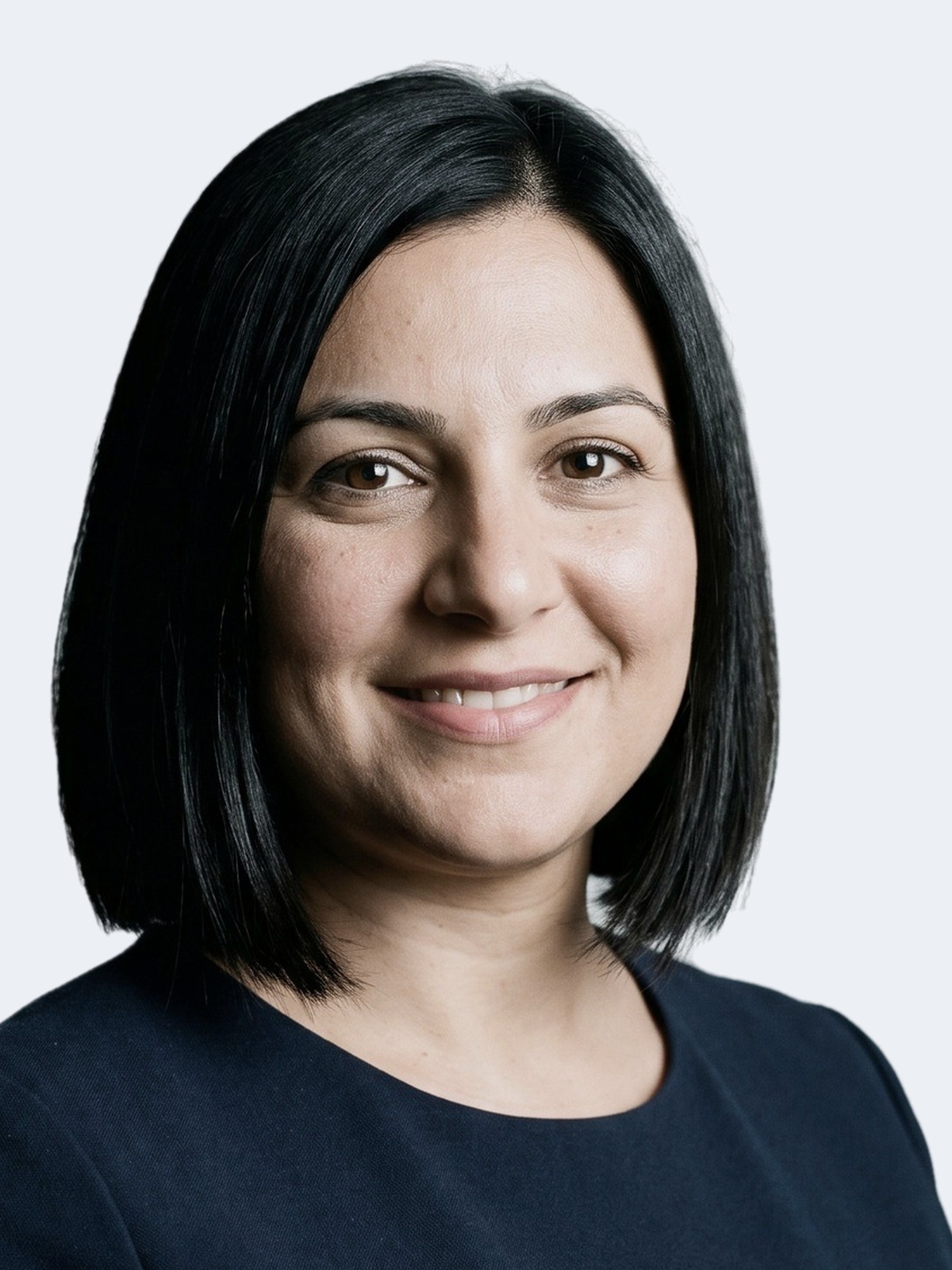
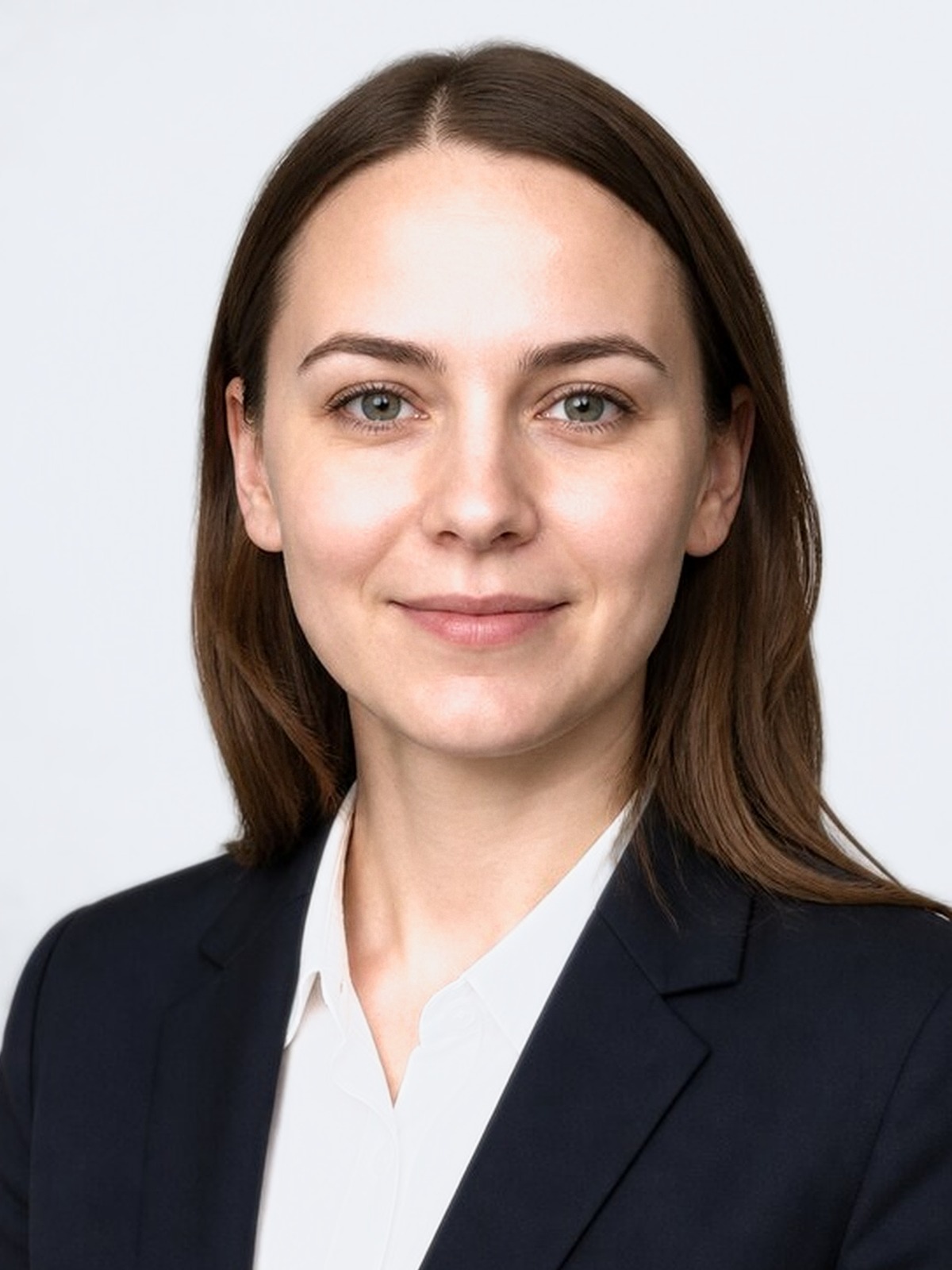
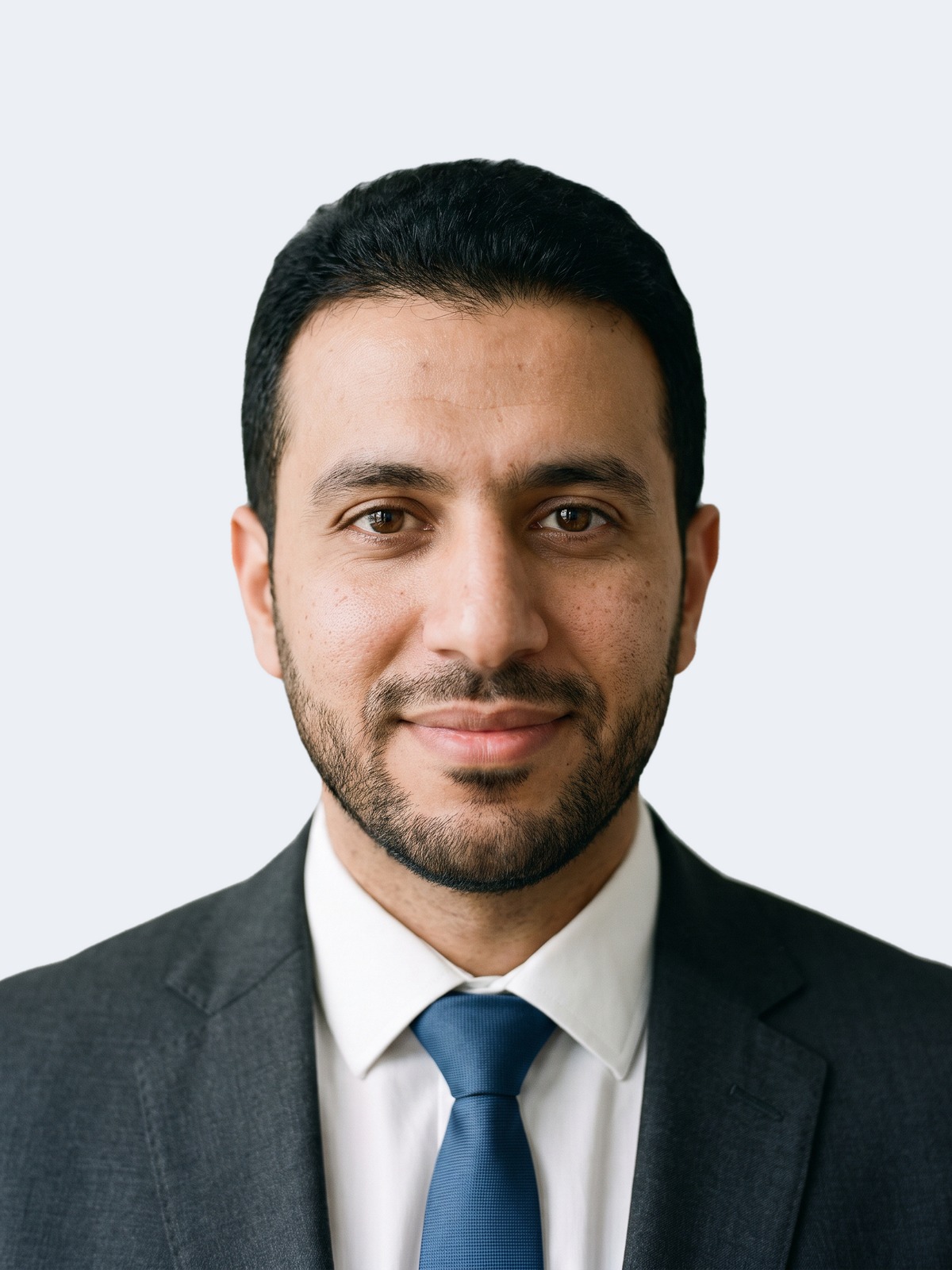
Who goes through your situation
The work is led by the specialists who run cases under these programmes.

The editorial record
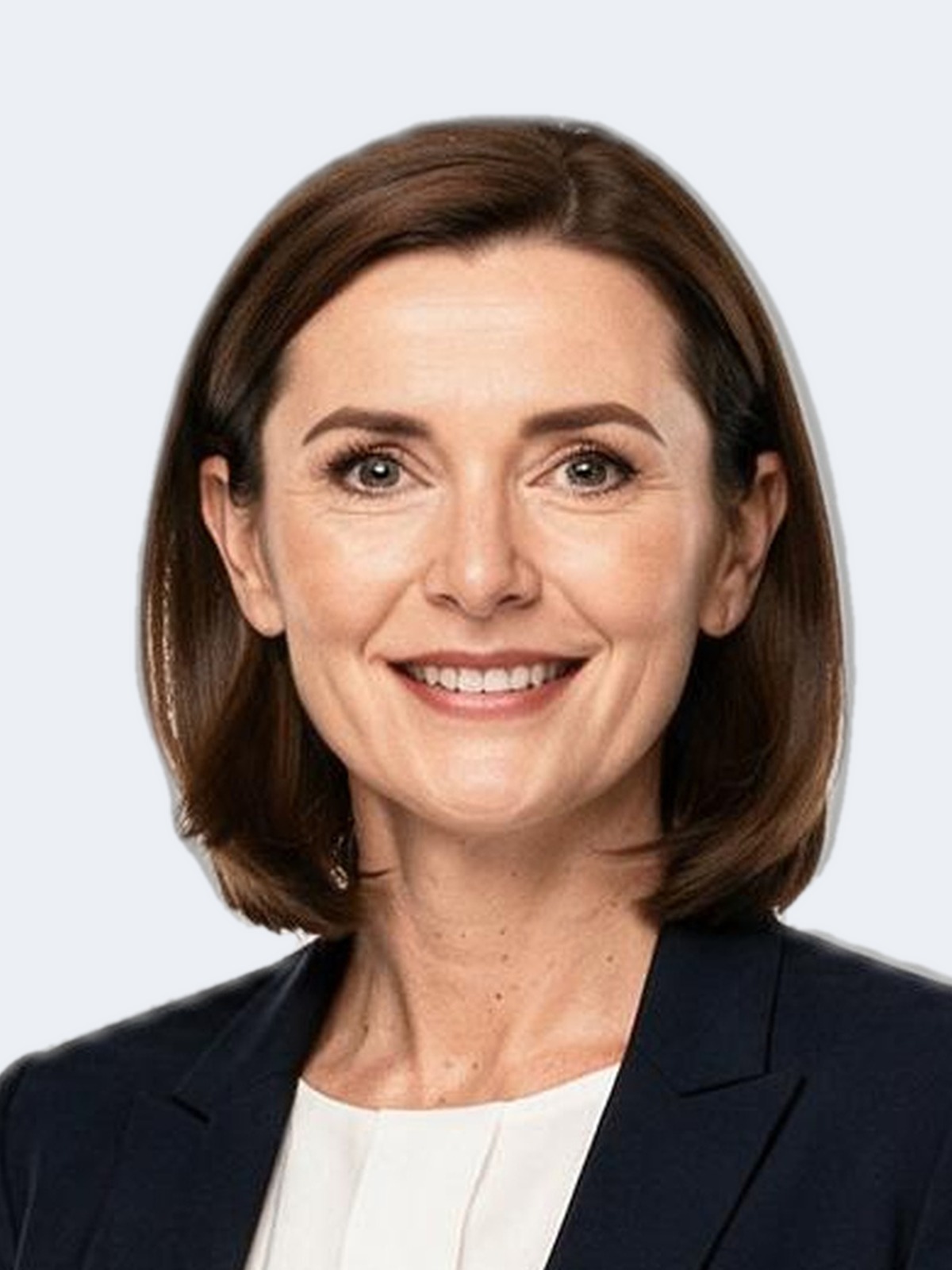
The material was prepared and checked by

- First published
- 14 July 2026
- Last updated
- 11 August 2026
The official sources
- Regulation (EU) 2018/1806 — the list of visa-free countriesThe Official Journal of the European Union · checked 11.08.2026The consolidated text in force: visa-free access to Schengen is checked against it rather than against composite rankings.
- Visa policy and the rules of entry — the European CommissionEuropean Commission, Migration and Home Affairs · checked 11.08.2026Changes to the visa regime are published here; the lists for individual passports change during the year.
- The rules of entry to the United Kingdom and changes to the immigration rulesThe Government of the United Kingdom · checked 11.08.2026The source on British visa requirements, including the visas introduced for particular Caribbean passports.
10 / Common questions
Questions about choosing a programme
Which is better — citizenship or residence?
It depends on the task. Citizenship gives a passport, visa-free travel and rights for good, but it costs more and takes longer. Residence is the right to live in a country, often faster and cheaper, and frequently a step towards citizenship. For mobility people usually take a passport; for moving, residence.
Can an EU passport be had for an investment?
There is no direct EU citizenship by investment today. There are lawful paths: residence in Greece, Portugal or Hungary followed by naturalisation, and the programmes based on descent. They take longer than the Caribbean ones, but the status is stronger.
Which programme is the most affordable?
The most affordable are some of the Caribbean passports and Vanuatu. But the most affordable is almost never the same as the right one: what matters is whether it answers your task, not the price of entry.
How quickly can a second passport be obtained?
Vanuatu from 30-60 days, the Caribbean programmes in 3-6 months on a clean file. The European statuses take from 6 months to several years. The timing depends heavily on how the documents are prepared.
Do I have to live in the country?
In the Caribbean programmes and Vanuatu, no. Some EU residence permits ask only for a minimal presence. For EU citizenship by naturalisation, residence is compulsory. It is one of the key criteria of the choice.
Will I have to pay tax in the new country?
Citizenship in itself does not usually make you a tax resident. Tax is decided by where you actually live. The structure is built before filing.
What does a programme really cost for a family?
Besides the contribution there are the due-diligence fees, the state duties, the legal work and a surcharge for every member of the family. We count the full quotation for your family in advance.
What is due diligence and why does it matter?
It is the check on the applicant. Approval turns on it. A weak file is the main cause of refusals, which is why the file is prepared carefully from the start.
Are the programmes open to Russian and Belarusian citizens?
A number of programmes do work with those passports, but the list and the terms change. We find the options in force for the particular situation and check the file before filing.
May parents and adult children be included?
In many programmes yes, but on conditions of age and financial dependence. Who is included affects the cost noticeably, and sometimes the choice of programme.
What happens if a programme refuses?
With the preliminary check the risk of refusal is minimal. Where it is real we see it in advance and do not file a file we know to be weak. In most programmes the contribution is paid after approval.
How do I choose between the Caribbean and Europe?
The Caribbean is speed, mobility and price, with no move. Europe is a move, life in the EU and a stronger status, but it takes longer and costs more. The choice follows your task, not a ranking of the best country.
What is a Golden Visa and whom does it suit?
A golden visa is residence for an investment: property, funds, business. It suits those who want a presence in the EU, access to Schengen and the prospect of permanent residence or citizenship without moving straight away.
May I hold several citizenships?
In many countries yes. Some programmes expressly allow a second citizenship without renouncing the first. It is checked for each jurisdiction separately and taken into account in the choice.
Where do I start if I have not decided?
With the task, not the country. Go through the tool on this page or leave a contact — we will look at your situation and suggest two or three suitable options with a full quotation.

Free of charge
Take the guide and an analysis of your task
We will send the PDF with every country and go through your situation: the task, the budget for the family, the timings and eligibility.
- Every country with its terms and the cost for a family
- The seven criteria of the choice, with examples
- What is checked before filing and what refusals come from
- Two or three suitable options for your task