Updated: June 2026

Case study · Hungary · Citizenship

How an Elderly Man Obtained EU CitizenshipWithout Traveling Anywhere

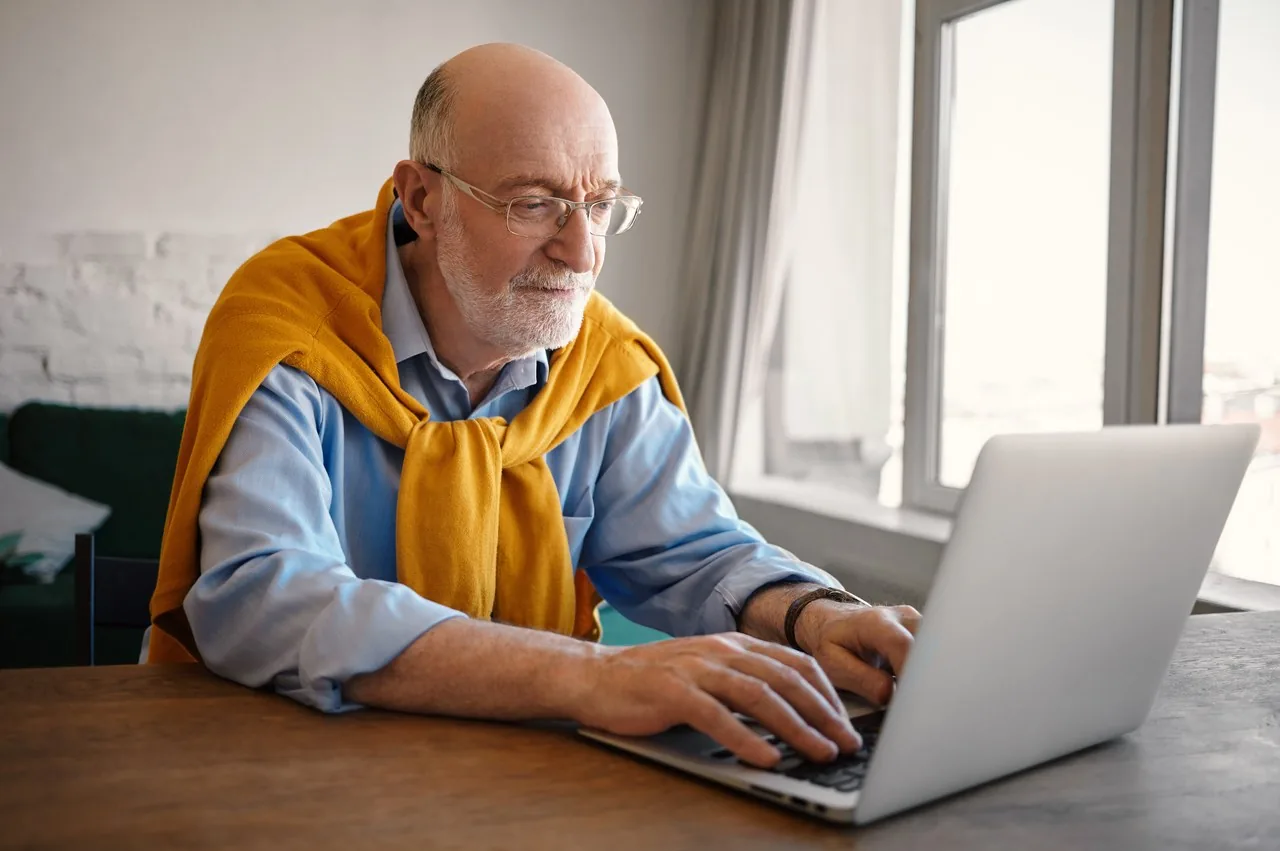
Sometimes the main obstacle to a passport is not documents or ancestry, but health: an elderly person simply cannot travel. Nikolay Petrovich was over seventy, doctors prohibited flights, and citizenship seemed to require personal visits to a foreign country. We explain step by step how we gathered documents without his travel, executed powers of attorney, and arranged the procedure so that he obtained an EU passport without ever leaving his home for extended periods.

Anna KovalevskayaAnna KovalevskayaHead of Legal, BRIDGESReading time8 min readVerificationReviewed by an expert

This case is based on a real matter. The name and certain identifying details have been changed to protect confidentiality.

BRIDGES client story - How an Elderly Man Obtained EU Citizenship Without Traveling Anywhere
Contents

Case at a glance

Situation, solution and outcome in seven lines

Client
Nikolay Petrovich, over 70 years old, Hungarian ancestry
Obstacle
Health conditions prevent travel, especially flights
Program
Hungary, EU citizenship
Complexity
Citizenship appeared to require personal visits abroad
Objective
To conduct the process remotely, without the applicant's travel
Solution
Powers of attorney, document gathering without travel, gentle procedure
Result
EU passport obtained without travel

Client story

Client Story

Where they started

Nikolay Petrovich had always known about his Hungarian roots and decided in his later years to formalize what he had long postponed—citizenship—to leave his children and grandchildren not only memories but also a European passport. The roots were there, the desire was there. What was missing was health for travel.

Why the standard route did not work

Doctors explicitly prohibited him from flying and long journeys. And in his mind, like many others, there was a picture: to obtain a foreign passport, you must go to the embassy, then to the country itself, stand in lines, submit things in person. For a man over seventy with a weak heart, this sounded insurmountable.

What BRIDGES had to solve

In reality, the ancestry-based procedure does have steps that by default assume personal participation—but almost each of them has a gentle, remote option if you know how to use it. The problem is not that it cannot be done, but that the standard path is designed for a healthy person ready to travel.

Why a standard answer would not do

The family turned to BRIDGES, understanding that the task was not simply to prove roots, but to structure the entire process so that an elderly person could complete it while remaining at home.

I'm over seventy, doctors prohibited flights, and I was convinced that without travel I couldn't obtain a passport—I had to go here and there in person. Anna arranged everything differently: we gathered documents without me, executed powers of attorney, and what required personal participation was conducted near my home and in a gentle manner. I obtained a European passport without traveling anywhere. It was a miracle for me.
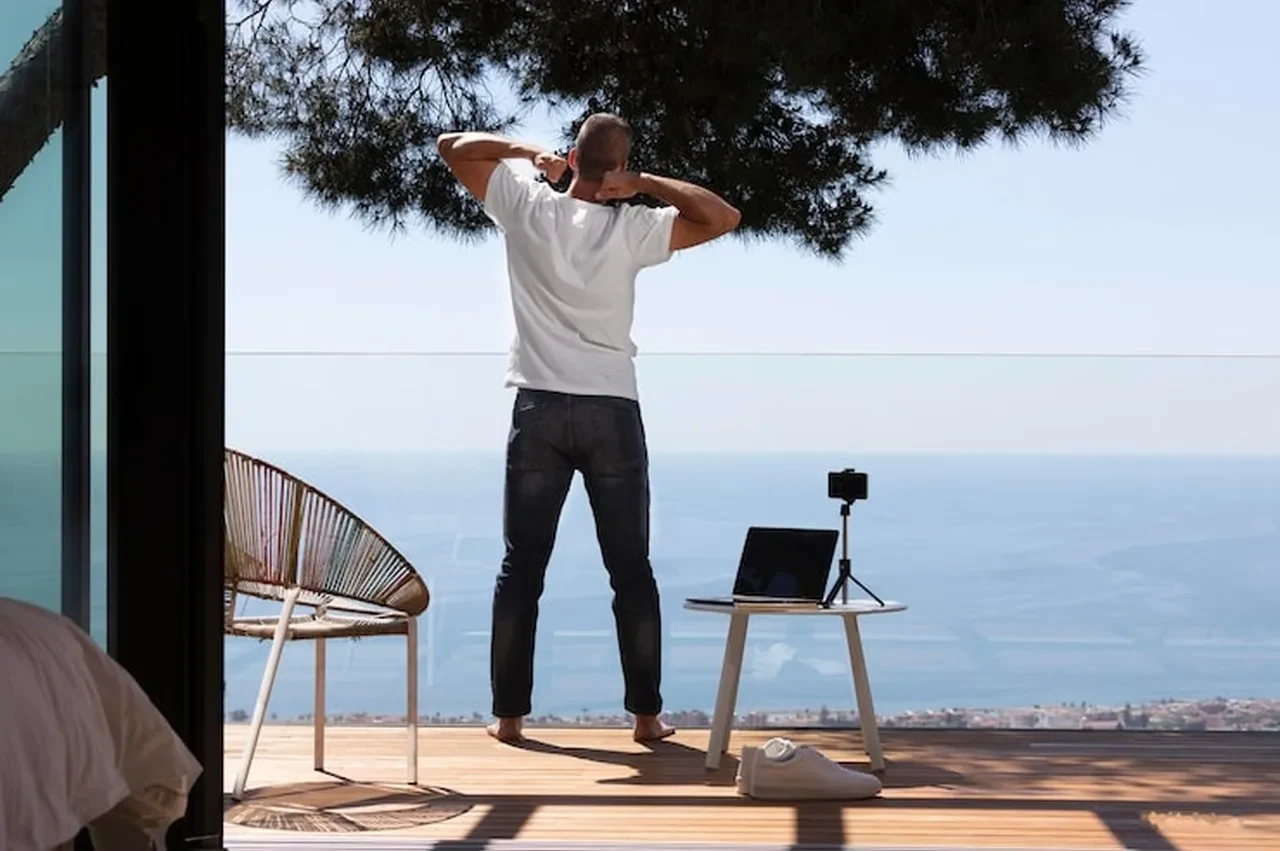
Nikolay, 70 · Nikolay Petrovich, Hungarian ancestryThe name and certain identifying details have been changed to protect confidentiality.

What Was at Risk

What Was at Risk

For an elderly person, the obstacle is not ancestry but the inability to travel. The standard procedure is designed for a healthy applicant ready for visits and flights. But almost every personal step has a remote or gentle alternative—if you structure the process around the person rather than pushing them down a standard path.

Doctor's prohibition on flights and long journeys;

  1. 01Belief that a passport requires personal visits abroad;
  2. 02Health risk if attempting to proceed "like everyone else";
  3. 03Abandonment of the plan due to apparent impossibility;
  4. 04Loss of the opportunity to leave the family a European passport.

The logic of the solution

How the matter progressed: from checks to result

The chart is built from the facts of this matter and shows the logic of the work without decorative or unverified data.

  1. 01
    Stage 1

    We immediately relieved the elderly person from all document-gathering errands. We collected ancestry records and missing certificates through notarized powers of attorney, by which we acted on the applicant's behalf. Nikolay Petrovich did not need to travel to a single archive or civil registry office: genealogical requests, certificate recovery, translations—everything went through us while he remained at home.

  2. 02
    Stage 2

    We transferred correspondence and application submission to power of attorney basis. All applications to authorities, responses to clarifications, and dossier submission were conducted on his behalf by power of attorney. The challenge was ensuring the powers of attorney were drafted strictly for the necessary actions and accepted at each stage—we verified their wording in advance so no agency would reject them as insufficient.

  3. 03
    Stage 3

    We confirmed the state of health as grounds for accommodation measures. To obtain the right to accommodation and remote procedures, we obtained a medical certificate stating that the applicant was medically contraindicated for flights and long-distance travel. This document became the key: it justified why personal steps needed to be conducted in simplified format and locally, rather than requiring travel.

  4. 04
    Stage 4

    We reduced unavoidable personal participation to a minimum and conducted it nearby. Steps that legally require the applicant's presence were organized not abroad but at the nearest consular office, with accommodation conditions agreed in advance considering his age and health. Instead of an airport marathon—one short visit near home.

  5. 05
    Stage 5

    We kept family members informed and relieved their anxiety. It is important for an elderly person not to be stressed, so at each stage the family knew what was happening and what came next. This is not a legal step, but without it an elderly applicant becomes more exhausted by anxiety than by the procedure itself.

Takeaway. Conclusion: advanced age and travel restrictions are not an obstacle to citizenship by descent. The procedure is restructured around the person's health: maximum remote handling, unavoidable personal steps nearby and with accommodation.

How we solved the problem

How we solved the problem

The work was split into verifiable stages so that every conclusion rested on documents.

  1. 01

    Stage 1

    We immediately relieved the elderly person from all document-gathering errands. We collected ancestry records and missing certificates through notarized powers of attorney, by which we acted on the applicant's behalf. Nikolay Petrovich did not need to travel to a single archive or civil registry office: genealogical requests, certificate recovery, translations—everything went through us while he remained at home.

  2. 02

    Stage 2

    We transferred correspondence and application submission to power of attorney basis. All applications to authorities, responses to clarifications, and dossier submission were conducted on his behalf by power of attorney. The challenge was ensuring the powers of attorney were drafted strictly for the necessary actions and accepted at each stage—we verified their wording in advance so no agency would reject them as insufficient.

  3. 03

    Stage 3

    We confirmed the state of health as grounds for accommodation measures. To obtain the right to accommodation and remote procedures, we obtained a medical certificate stating that the applicant was medically contraindicated for flights and long-distance travel. This document became the key: it justified why personal steps needed to be conducted in simplified format and locally, rather than requiring travel.

  4. 04

    Stage 4

    We reduced unavoidable personal participation to a minimum and conducted it nearby. Steps that legally require the applicant's presence were organized not abroad but at the nearest consular office, with accommodation conditions agreed in advance considering his age and health. Instead of an airport marathon—one short visit near home.

  5. 05

    Stage 5

    We kept family members informed and relieved their anxiety. It is important for an elderly person not to be stressed, so at each stage the family knew what was happening and what came next. This is not a legal step, but without it an elderly applicant becomes more exhausted by anxiety than by the procedure itself.

  6. 06

    Stage 6

    We brought the matter to completion with an EU passport. Nikolay Petrovich obtained citizenship without ever traveling abroad. Personal participation was required only to the extent his health permitted—and not a step more.

Expert comment

I often hear from adult children on behalf of their elderly parents: they have ancestry, but the person can no longer travel, and it seems the passport is unattainable. I always respond: the procedure can be structured around the person, not the person forced to fit the procedure. Almost everything is handled remotely—through powers of attorney, without the applicant traveling once. And the little that requires personal participation is conducted not at the ends of the earth but at the nearest consulate and with accommodation, based on a medical certificate. We arranged everything for Nikolay Petrovich so that he obtained a European passport while staying at home. For me, each such case is about the dignity and peace of mind of an elderly person, not merely about documents.

Anna Kovalevskaya, Head of Legal, BRIDGESAnna KovalevskayaHead of Legal, BRIDGES

Outcome

What the client received

What was required
How we did it · Result
Cannot travel due to health
Powers of attorney for all steps · Applicant remained at home
Collect documents
Through us, without his participation · Ancestry proven
Justify accommodation measures
Medical certificate · Right to accommodation procedure
Obtain EU passport
Personal involvement minimal, conducted near home · Citizenship without travel
Obtain EU passport
Personal involvement minimal, conducted near home · Citizenship without travel

What was: an elderly person's health prevented travel, yet citizenship appeared to require personal visits abroad. What we did: collected documents and conducted correspondence through powers of attorney without his travel; obtained a medical certificate as grounds for accommodation measures; reduced unavoidable personal participation to a single accommodation visit at the nearest consulate; kept the family informed to relieve anxiety. What the client received: an EU passport without a single trip abroad.

Practical takeaway

What matters in a similar situation

  • Conclusion: advanced age and travel restrictions are not an obstacle to citizenship by descent. The procedure is restructured around the person's health: maximum remote handling, unavoidable personal steps nearby and with accommodation.
  • Nikolay Petrovich obtained a European passport while remaining at home and left his family not only ancestry but actual EU status.

FAQ

Questions people ask in a similar situation

01Can citizenship by descent be obtained entirely remotely?

Almost entirely—yes. Document collection and correspondence are conducted through powers of attorney, while unavoidable personal steps are completed at the nearest consulate in accommodation format.

02What is a power of attorney in such matters?

A notarized power of attorney document authorizing a representative to act on behalf of the applicant: request documents, submit files, and respond to clarifications. It is important that the formulations precisely cover the required actions.

03What is the purpose of a medical certificate?

It confirms that the applicant is contraindicated for flights and long travel, and serves as the basis for a simplified remote procedure instead of in-person visits.

04Is it possible to proceed entirely without the applicant's personal presence?

Most often, only one or two steps requiring personal attendance remain. These are arranged not abroad, but at the nearest consular office and under simplified conditions taking into account age and health status.

05Is this suitable for elderly applicants?

Yes. The procedure is tailored to the applicant's condition: the more difficult travel is, the more steps are converted to remote format, minimizing personal attendance.

06An elderly parent cannot travel, but wishes to obtain an EU passport through ancestry?

We will collect documents through powers of attorney without their travel, establish grounds for a simplified procedure, and conduct any necessary personal attendance near their home—so they can obtain citizenship while remaining at home.

About the author

Anna Kovalevskaya

Author: Anna Kovalevskaya

Head of Legal, BRIDGES

I have worked with citizenship and residency matters in European countries for 12 years. Programme requirements and application practices change, so I assess each matter against the current rules, the applicant's immigration history, family composition and the documents supporting the legal basis for the application.

I lead matters from the preliminary assessment through to the grant of status. In complex situations, I identify the circumstances that may affect the review, establish the legal logic of the application and oversee the consistency of the supporting documents at every stage.

During the consultation, you will receive an assessment of the available legal grounds, a clear understanding of the chosen route and a list of issues that should be resolved before filing. Once the engagement begins, I oversee the application and the key decisions of the BRIDGES team.

Prepared on the basis of BRIDGES practice and reviewed by a subject-matter expert.

Discuss your situation with Anna

We will review your situation and propose a solution

Describe your task in a few words. We will study your situation, assess the legal and practical options and propose the next step based on your goals, documents and country.

Confidential · no obligations · answered by the relevant specialist

Or message us on WhatsApp or Telegram

Anna KovalevskayaHead of Legal, BRIDGES
Anna Kovalevskaya, Head of Legal, BRIDGES

Names and certain details have been changed to protect client confidentiality. The result described reflects one specific situation and is neither a public offer nor a guarantee of a similar outcome. Programme terms are stated as of 2026 and may change - please confirm current parameters with a BRIDGES consultant.