Residency
The top 10 countries for digital nomads in 2026: a full comparison
Updated: June 2026·14 min read·Expert reviewed
Terms and costs verified: June 2026
Contents
By 2026 the market for digital nomad visas has matured: more than 60 countries offer dedicated programmes, competing for remote professionals who can pay their way. What was once the preserve of a few has become a full legal status with tax relief, a route to permanent residence and workable bank accounts. This review covers the ten best destinations of 2026 with concrete figures, requirements and an honest account of the advantages and drawbacks of each.
Why 2026 is the high point for digital nomad visas
The pandemic of 2020 and 2021 launched a global experiment in remote work, and by 2026 governments everywhere had grasped the essential point: remote professionals are not tourists but taxpayers with foreign income, who can and should be attracted. According to MBO Partners, there are more than 35 million remote professionals worldwide in 2026, and several countries are competing for each of them.
What has changed in 2026 specifically? First, the programmes launched in 2021 and 2022 have had time to be refined: Portugal simplified its filing procedure, Spain opened application offices in major cities around the world and Greece widened the circle of eligible applicants. Second, tax regimes have become genuine competitive instruments: 0% on foreign income in Georgia, a flat 17% in Thailand, 20% in Portugal through NHR — these are no longer concessions on paper but working mechanisms with case law behind them.
Third, the banking infrastructure has caught up. TBC Bank in Georgia opens an account in a day without proof of address. UAE banks work increasingly readily with remote professionals. Wise and Revolut cover the remaining gaps. As a result, moving as a remote professional today is not an adventure but a manageable project with a clear checklist.
Finally, countries have begun to compete openly: Portugal lowered its income threshold, Spain introduced the Beckham Law for remote workers, Greece granted a 50% tax reduction. Where a remote professional once hoped for any lawful status at all, they now choose between ten specific offers. The market has matured, and that is good news for anyone still planning a move: the rules are clear, the precedents run into thousands and the legal base has been tested.
Another trend of 2026 is intensifying competition for high earners. Thailand raised the bar to $80,000 a year, but gave ten years and 17% tax in return. Portugal remains accessible at €3,280 a month but has tightened its requirements on evidencing income. Greece and Cyprus are competing for those who want the EU with tax relief. For the individual professional this means a real choice rather than a search for something, anything, that works.
Portugal: the D8 visa and the route to an EU passport
Portugal tops most rankings in 2026, and not without reason. The D8 visa (Visto de Mobilidade) was created specifically for remote workers and freelancers. The income requirement is €3,280 a month, four Portuguese minimum salaries. That is not the lowest threshold among its competitors, but Portugal compensates with two strong cards: the NHR tax regime and the route to an EU passport.
The NHR (Non-Habitual Resident) regime, reformed in 2024 and now known as IFICI (Incentivo Fiscal à Investigação Científica e Inovação), gives a rate of 20% on Portuguese-source income and relief on foreign income for ten years. For IT specialists, engineers, designers and a number of other professions the relief is preserved in full. On income of €100,000 a year, the difference between 20% under NHR and standard rates rising to 48% is €28,000 a year. Over five years that is €140,000, before any growth in income over the period.
The route to citizenship: after five years of lawful residence in Portugal you may apply for naturalisation and obtain an EU passport. That opens the freedom to live and work in 27 member states, visa-free entry to more than 180 countries and the right to vote in EU elections. Portugal does not require continuous residence throughout the period — it is enough to spend more than 183 days a year in the country, or to hold a home with the intention of making it your principal residence.
Lisbon or Porto: Lisbon is more expensive (a one-bedroom flat in the centre rents for €1,200 to €1,800) but offers a wider choice of co-working spaces, international networking and direct flights. Second Home, Outsite and LACS charge €150 to €250 a month. Porto is 20 to 30% cheaper, keeps its authentic atmosphere and has a developed IT ecosystem around the university. For families with children Porto often wins on value for quality of life. The Algarve suits anyone who wants the beach year round at lower prices than the capital.
Documents for the D8 visa: a travel passport, proof of income (an employment contract plus the last three to six payslips, or a tax return for freelancers), medical insurance, an apostilled certificate of no criminal record and proof of accommodation in Portugal (a hotel booking or a tenancy agreement). The application is filed at the Portuguese consulate in your country of residence, with an average wait of two to four months.
Spain: the Beckham Law and the visa for remote workers
Spain legalised a dedicated digital nomad visa in 2023, and by 2026 the programme has built up extensive practice. The minimum income is €2,520 a month, 200% of the Spanish minimum wage. The visa is issued for one year at first, after which you can obtain a three-year residence permit renewable for two plus five years. One important condition: the income must come from a foreign source, with Spanish clients or employers allowed to account for no more than 20% of the total.
The principal tax relief is the Beckham Law (Régimen Especial para Trabajadores Desplazados). The rate is a flat 24% on the first €600,000 of income for six years. The ordinary Spanish rate is progressive and reaches 47% on high incomes — the difference is enormous. On income of €120,000 a year the saving is around €27,600 annually. Note that the application for the Beckham regime must be filed within six months of obtaining Spanish residence, so it should not be delayed — this is often overlooked in a hurried move.
The route to citizenship: ten years of lawful residence for most foreign nationals. For citizens of Latin American countries, the Philippines and Portugal it is two years. That is considerably longer than Portugal's five years, which makes Spain less attractive purely as a route to an EU passport in the short term. For anyone in love with Spanish culture, climate and language, however, it is a considered choice.
Barcelona, Valencia or Madrid? Barcelona is the first choice of most IT specialists: a large expat community, the beach 20 minutes away, excellent food and good weather. A one-bedroom flat in the centre rents for €1,200 to €1,800. The start-up ecosystem is active and Mobile World Congress is held there every year. Valencia is 30 to 40% cheaper with a comparable climate and the sea, and is gaining popularity. Madrid is the business centre, more expensive than Valencia but offering more career and networking opportunities, particularly for corporate professionals.
Spain's drawback is bureaucracy. A consular appointment can take three to six months depending on the country. Start the process at least four months before the intended move. Inside Spain the procedure also requires patience: an appointment at the Extranjería, apostilled documents, certified translations. We recommend engaging a local tramitador, a documents specialist, at €500 to €1,000 — it saves months.
The UAE: zero tax and the Golden Visa
The United Arab Emirates is a case apart: a country with no personal income tax, world-class modern infrastructure and a strategic position at the junction of three continents. The dedicated digital nomad visa (the Virtual Working Programme) was launched in 2021 with an income requirement of $3,500 a month, though many professionals prefer to obtain a freelance permit or an employment visa with a local sponsor straight away.
There is no personal income tax in the UAE at all, for residents or citizens. VAT is 5%, among the lowest rates in the world. That means income of $150,000 a year stays $150,000 — no European country offers anything comparable. The 9% corporate tax introduced in 2023 applies to companies with profit above AED 375,000 (about $102,000 a year) and has no bearing on employees.
The Golden Visa: with property from AED 2 million (about $545,000), documented investments or recognised talent status, you can obtain a ten-year residence visa. It is not citizenship — the route to a UAE passport is effectively closed to foreign nationals — but it is a full long-term status with bank accounts, insurance, access to the best private schools and the ability to run a business. The holder sponsors their own family (a spouse, children of any age, parents) and domestic staff.
Dubai or Abu Dhabi: Dubai is the first choice for most. JLT, DIFC and Business Bay offer hundreds of co-working spaces, a powerful expat ecosystem and an air hub with more than 220 destinations. A one-bedroom flat in a decent district rents from $1,200 to $1,800 a month. Abu Dhabi is quieter, slightly cheaper on housing and considered the more family-oriented city — schools, parks, a less noisy nightlife. The cost of living in the UAE is high overall: a realistic comfortable budget is $3,500 to $5,000 a month for one person including housing.
Thailand: the LTR visa for remote workers
Thailand launched the LTR (Long-Term Resident) visa in 2022 through the Board of Investment, and by 2026 it has become one of the best thought-out programmes in Asia. The Work-from-Thailand Professionals category is designed precisely for remote specialists working for foreign employers. The requirements are income from $80,000 a year over the last two years, an employer with revenue from $150 million or a listing on a recognised exchange, and medical insurance of $50,000 or more. The state fee is only $200.
The key tax relief: the 17% rate applies only to income earned directly in Thailand. Income from a foreign employer that is not remitted to Thailand in the same calendar year is not subject to Thai tax at all. LTR holders also received an express statutory exemption from the 2024 rules that widened the taxable base for ordinary tax residents. That makes the LTR one of the most tax-efficient long-term statuses in the world for well-paid remote professionals.
The visa is issued for ten years and can be extended. No work permit is required to work for a foreign employer, which removes the key administrative barrier. An additional benefit: the LTR card gives a priority lane at Suvarnabhumi airport and removes the need for a re-entry permit.
Bangkok (rent from $500 to $800 a month, hundreds of co-working spaces, stable internet), Phuket (beach life, $600 to $1,000 a month, weaker internet in outlying areas) and Chiang Mai (mountains, the lowest prices at $300 to $500 a month, the largest remote-work community in South-East Asia). A detailed account of the Thai LTR appears in a separate article on our blog.
Greece: a 50% tax reduction for new residents
Greece launched its programme for remote professionals in 2021 and the rules have improved substantially since. The dedicated visa for remote workers requires income from €3,500 a month from a foreign source. It is issued for two years and can be converted into a residence permit. Greece's main argument is the tax relief under article 5D of the Tax Code: a 50% reduction of income tax for seven years.
How it works: the standard Greek rate is progressive, from 9% to 44%. Under the digital nomad regime you pay half of the applicable rate. On income of €150,000 a year the standard tax would be around €59,000; with the relief it is around €29,500. A saving of €29,500 a year over seven years comes to almost €207,000. The relief does not require you to work in Greece — it is enough to be a tax resident, spending more than 183 days a year in the country.
The route to citizenship: naturalisation is possible after seven years of lawful residence. That is longer than Portugal's five years but three years shorter than Spain's ten. And while the tax relief runs, you are accumulating years towards citizenship at the same time — a double benefit.
Athens or the islands: Athens is the business centre with developed infrastructure, where a one-bedroom flat rents for €900 to €1,400. The start-up scene is active around Monastiraki and Exarchia, with co-working at Communa, Impact Hub Athens and The Cube Athens. The islands (Crete, Rhodes, Mykonos, Santorini) are attractive from May to October, but out of season the infrastructure contracts sharply. For a permanent base choose Athens or Thessaloniki, the second city, with a lower cost of living and an excellent balance of scale and pace.
Georgia: the easiest start, with no visa at all
Georgia is a special case on this list: there is no dedicated digital nomad visa, but none is needed. Citizens of Russia, Ukraine, Belarus, Kazakhstan and most EU countries may stay in Georgia for up to 365 days a year with no visa or permit of any kind. That makes the country an ideal first step for anyone starting out and not yet ready for complex visa procedures with months of waiting.
The tax regime: income from foreign sources that is not physically paid from Georgian sources is taxed at 0% for individuals. This was confirmed officially by the Georgian Revenue Service in 2023. If you work for a foreign company and receive your salary into a foreign account without remitting it to Georgia, your income is not subject to Georgian tax. A sole trader with Small Business Status and turnover up to GEL 500,000 (about $185,000 a year) pays just 1% of turnover, one of the lowest regimes in the world.
Banking: TBC Bank opens an account on the day you visit a branch, with no proof of address required — only a travel passport and a local SIM card. Bank of Georgia is slightly stricter and sometimes asks further questions about the purpose of the account, but offers a wider product range. Both issue international Visa and Mastercard cards, support SWIFT transfers and have excellent mobile apps in Georgian, English and Russian.
Tbilisi: a one-bedroom flat in Vera, Saburtalo or Vake rents for $400 to $700 a month. Co-working at Fabrika, Impact Hub Tbilisi, Terminal and Regus costs $80 to $150 a month for a hot desk. Fibre internet is available everywhere. Georgian food, wine and mountains two or three hours away are a pleasant bonus to the working infrastructure. The drawbacks: no route to European citizenship, and a language barrier in daily life, though Russian is understood everywhere and English is widespread in the tourist areas.
Cyprus, Serbia, Bali and Armenia: alternatives for different goals
Four countries that did not make the top five but deserve separate attention depending on your priorities.
Cyprus. The Non-Domiciled regime exempts dividends and passive income from tax entirely for 17 years. For company owners receiving dividends from foreign holding structures that is a powerful instrument. Corporation tax is 12.5%, among the lowest in the EU. The Non-Dom requirement is to spend more than 60 days a year in Cyprus and not to be tax resident in another country for more than 183 days. Residence is obtained through a property investment from €300,000 under the PRC programme or through employment with a Cypriot company. The route to EU citizenship is seven years of lawful residence.
Serbia. A flat income tax of 15% on all types of income, including foreign income. Belgrade is actively developing its IT scene: between 2023 and 2026 Microsoft, NCR and a range of European start-ups and outsourcing companies opened offices there. Visa-free entry for Russian citizens (30 days), Ukrainians and most CIS nationals. Residence through registering a sole tradership or a company takes two to four weeks. The cost of living is very affordable: rent from €400 to €600, groceries cheaper than in most EU countries and co-working from €80 to €120.
Indonesia / Bali. The Second Home visa allows you to live on Bali for up to ten years, with the option to extend. The one-off fee is $2,000. For non-residents working for a foreign employer and not serving Indonesian clients, the tax burden is minimal. A villa with a pool rents for $600 to $1,200 a month. The infrastructure for remote professionals in Canggu and Ubud is well developed. The drawbacks are that the visa rules change periodically and banking for non-residents remains weak.
Armenia. Visa-free entry for citizens of Russia, Ukraine and Belarus for 180 days. Registering as a sole trader takes one to two days, and taxes are low (5% of turnover up to AMD 24 million). Yerevan is a small, dynamic IT hub with cheap rent ($300 to $500), a developed cafe culture and a Russian-speaking environment. Ideal for a fast start without bureaucracy, but it offers no long-term tax relief and no route to European citizenship.
How to choose: a comparison on the key criteria
The right choice depends on your priorities. There is no universally best option — only the best one for your particular situation. Here are the key criteria in detail.
The route to an EU passport:
- Portugal — five years (the shortest route among the popular destinations)
- Greece — seven years (with 50% tax relief)
- Cyprus — seven years (with the Non-Dom regime)
- Spain — ten years (the Beckham Law, but a long road)
If European citizenship is your goal, start with Portugal: the shortest route combined with the best tax conditions.
The lowest tax burden:
- Georgia — 0% on foreign income for individuals
- UAE — 0% personal income tax
- Thailand LTR — 17%, on Thai income only
- Portugal NHR / IFICI — 20%
- Spain, the Beckham Law — 24%
If tax optimisation is the main priority, Georgia and the UAE are in a class of their own. At high income levels ($150,000 a year and above) the UAE usually delivers the largest absolute saving.
Ease of starting:
- Georgia — no visa, a TBC Bank account in a day (a week from decision to move)
- Armenia — no visa, a sole tradership in two days
- Serbia — residence through a sole tradership in two to three weeks
- Thailand LTR — 30 days of online processing through the BOI
- Portugal — a consular appointment in two to four months, then residence
For families: Portugal (international schools, safety, EU status for the children, affordability), the UAE (world-class private schools, healthcare, a Golden Visa covering the whole family) and Greece (good international schools in Athens, the climate, healthcare). Spain is also strong, but the bureaucracy of filing for several family members adds complexity.
BRIDGES GLOBAL helps you choose the programme, prepare the documents and run the whole process, from the first consultation to the grant of residence. We work with clients from Russia, Kazakhstan, Ukraine and other CIS countries and know each destination from the inside: our specialists have been through these programmes themselves or live in these countries.
Frequently asked
Questions people ask before deciding
01Which country is the easiest to start in, with no visa at all?
Georgia — the only country in this review where you can live and work remotely without a dedicated visa: visa-free entry for 365 days for Russian citizens, and tax resident status after 183 days.
02Which country is best on tax?
Formally the UAE, at 0% on personal income. Among the programmes that involve a visa, the largest fixed saving comes from Spain (the Beckham Law, 24% for six years) and Portugal (IFICI, 20% for ten years).
03Where is EU citizenship easiest to reach through digital nomad status?
Portugal and Greece: both give a route to citizenship after five and seven years of lawful residence respectively, noticeably faster than Spain's ten.
04Which programme works best for moving with a family?
Portugal and the UAE — in both, a spouse or partner and children can be included in the application on reasonably predictable terms. Spain, by contrast, raises the income requirement for each family member.
05What is the minimum income needed to qualify for a digital nomad visa at all?
The entry threshold in this review starts at $2,500 a month, but the specific requirements vary widely by country: from €2,520 a month in Spain to $80,000 a year in Thailand.
06Can these visas be applied for from Russia without leaving?
Partly. For some countries (Spain, the UAE) the consulates in Moscow accept documents, but logistically it is easier to file through a third country — Serbia, Turkey, Georgia or the UAE.
07Is a language qualification required for these visas?
For the visa itself, generally not in any of the programmes in this review. Language becomes a mandatory condition later, at the naturalisation stage — DELE A2 for Spanish citizenship, for example.
08How do I choose between these countries if I have not decided yet?
Start from three factors: the goal (a visa or EU citizenship), income (some countries require $2,500 a month, others $6,500 and above) and your tolerance for bureaucracy (Spain and Portugal are slower, the UAE and Georgia faster). BRIDGES GLOBAL will help narrow the choice to your specific situation.
About the author
Related materials
What to read next
 ComparisonAntigua and Barbuda or Grenada: Family Passport for Large Families in 2026
 AnalysisWhat is due diligence and why the Caribbean is rejecting applications
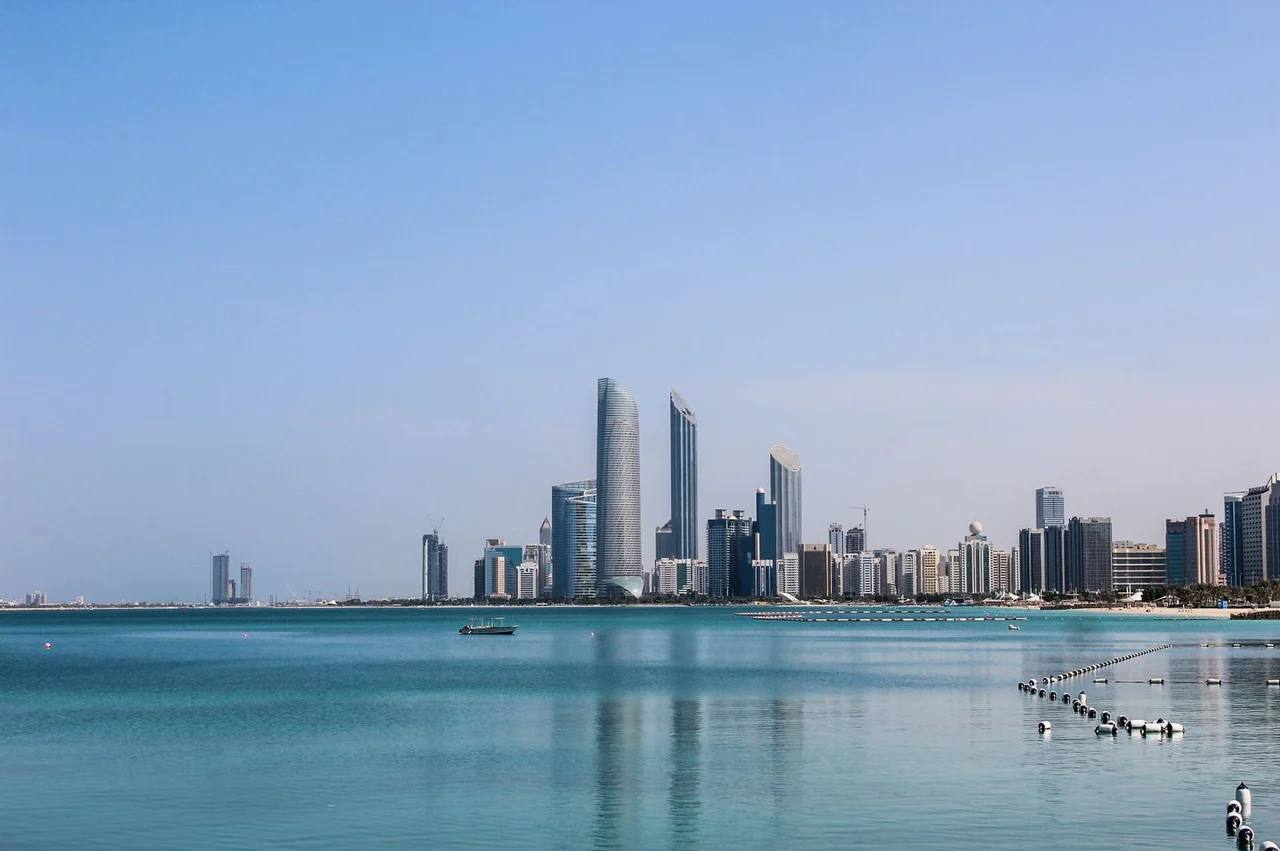 ArticleLife in Abu Dhabi in 2026: how it differs from Dubai, areas, prices, for families
Personal programme selection is conducted by Anna Kovalevskaya, Head of Legal, BRIDGES.
Residency programmes: timelines and requirements
Grounds, document list, presence requirements and what is needed for renewal.
