Residency · Cyprus
Real estate in Northern Cyprus in 2026: prices, title risks, is it worth buying

Updated: June 2026·12 min read·Expert reviewed
Terms and costs verified: June 2026
Contents
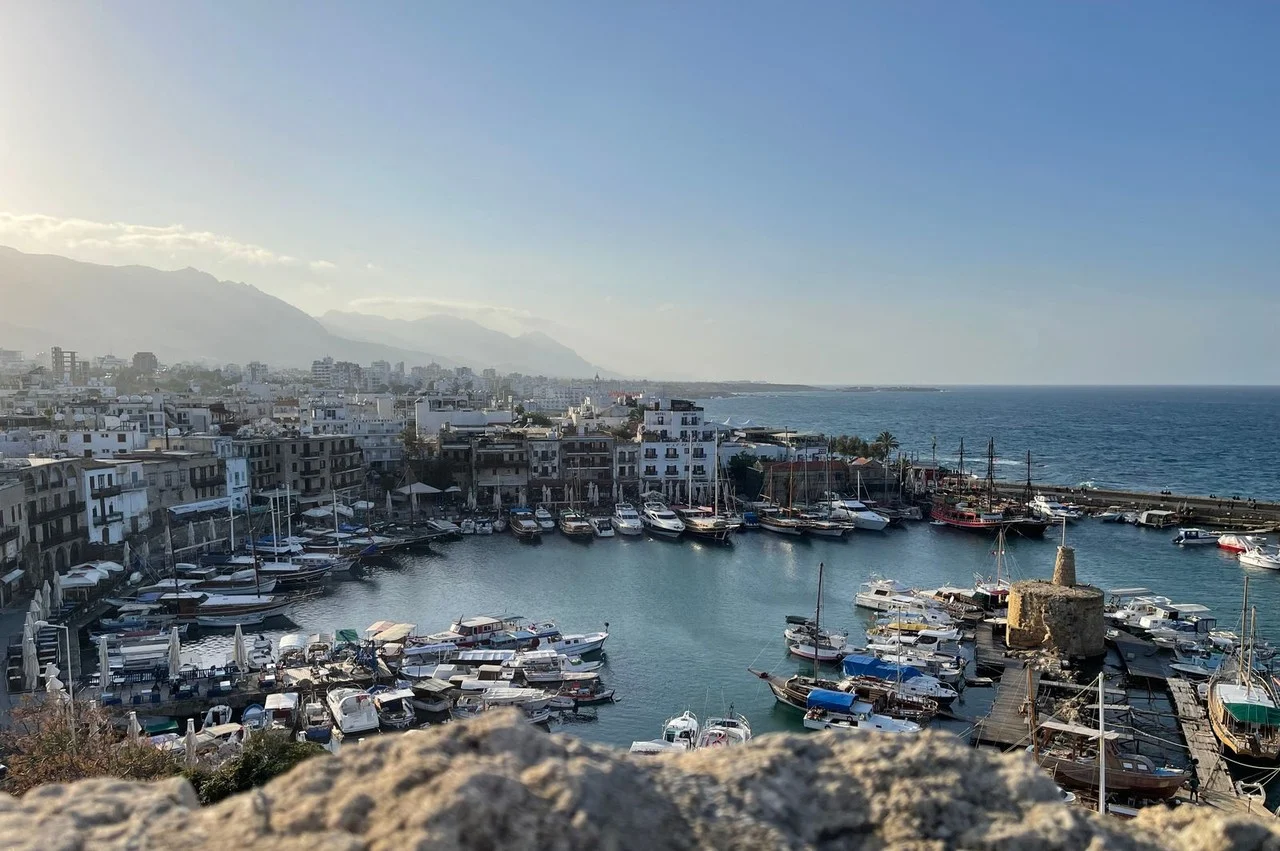
Northern Cyprus attracts with prices half lower than in the south of the island, the sea and a growing tourist flow. But behind the cheapness there is a main question that sellers prefer to avoid: whose plot is it really and how reliable is the document for it. After 1974, some of the land here belonged to Greek Cypriots who fled to the south, and this creates controversial titles, the Orams case and the IPC compensation mechanism. Let’s look at it without embellishment: how much a meter actually costs in 2026, how the types of documents differ in terms of risk level, why buying in the north does not give EU status and who is such a deal suitable for.
Northern Cyprus: What are you really buying?
Before you look at prices and layouts, you need to understand one fundamental thing. Northern Cyprus is the self-proclaimed Turkish Republic of Northern Cyprus (TRNC), which is recognized only by Türkiye. From the point of view of international law and the Republic of Cyprus, it is an occupied part of a single island, and not a separate state. The Republic of Cyprus is a member of the European Union, and formally the northern territory is also considered part of the EU, but European law is suspended there.
All other features follow from this. TRNC real estate documents are not recognized either by the Republic of Cyprus or by most countries in the world. The transaction takes place according to the laws of an unrecognized state. This does not mean that you cannot buy - the market is working, thousands of foreigners own apartments and villas. But this means that you are entering a legal field different from the usual European one, and some of the risks cannot be covered by insurance or a notary.
If your goal is status and real estate in the EU, it is more logical to look at the south of the island. We write in detail about how purchasing works in the Republic of Cyprus in the article about buying property in Cyprus. If you are interested specifically in the north, read on with a cool head.
Prices 2026: why the north is cheaper than the south
The main magnet of the north is price. In 2026, a square meter here costs an average of $900-1200, while in the south of the island it costs $1700-2500 and more. The difference is fundamental: for the budget of a one-room apartment in Limassol in the north, you can look for a spacious apartment by the sea.
Landmarks by district in 2026:
- Kyrenia (Girne) - the most developed and expensive resort, apartments average from 1200 to 2500 euros per meter.
- Famagusta - noticeably more affordable, range approximately 800-1800 euros per meter.
- Iskele - an area of active development and inexpensive entry, about 700-1500 euros per meter.
- Nicosia (north) - the least tourist area, from 600 to 1200 euros per meter.
The low entry threshold is complemented by real growth: according to developers, over the past five years prices have increased by more than 65%, and rental yields in coastal areas during the season reach 8-12% per annum. The flow of tourists is growing, there are many new buildings. But behind these figures, it is important to keep in mind everything that will be discussed below: cheapness and profitability are a payment for increased legal risk, and not a gift.
Types of titles: the main thing to look for
This is the heart of the whole theme. In Northern Cyprus, a land document (in Turkish - kocan, kocan) comes in several types, and the level of your risk depends on what title the property has. The root of the problem is the events of 1974, after which some of the lands changed owners. The land, originally owned by Greek Cypriots, remains legally disputed no matter how many times it is resold.
Briefly about each type:
- Turkish title - land that belonged to Turkish Cypriots before 1974. The purest and most reliable document, there are no controversial original rights behind it.
- Exchange title (Esdeger Kocan) - issued to Turkish Cypriots in exchange for property they lost in the south. Official compensation from the TRNC, medium risk.
- TMD / Allocation (Tahsis) - land allocated by the state after 1974, usually to immigrants from mainland Turkey. Often this is former Greek land, the risk is high.
- Foreign / distribution title - the basis is originally Greek property without exchange. The highest risk, such transactions are the most dangerous.
We tell you more about how to read the Cyprus land document in the guide to titles and certificates of title in Cyprus.
Table: title type and risk level
Let's bring all types of documents into one table. This is the first thing you need to find out about the property, even before discussing the price and repairs. If they don’t tell you the type of title directly or avoid answering, this in itself is a red flag.
| Document type | Origin of the earth | Risk level |
|---|---|---|
| Turkish title | Turkish Cypriots, ownership until 1974 | Least |
| Exchange title (Esdeger Kocan) | Exchange for property lost in the south | Average |
| TMD / Allocation (Tahsis) | Allotted by the state after 1974, often ex-Greek | High |
| Foreign / distribution title | Originally Greek property without exchange | Very tall |
The practical conclusion is simple. Turkish title is what a conscious buyer should strive for. Exchange is an acceptable compromise with proper verification. TMD, and especially a foreign title, is a zone where you should not enter without a separate and very serious legal analysis. No discount will compensate for the risk of being sued by the original owner.
The Orams case: why it’s not a horror story, but a precedent
The most famous illustration of risk is the story of the Orams family. The British David and Linda Orams bought a plot in the north in 2002 and built a villa. The trouble is that until 1974 this land belonged to the Greek Cypriot Meletis Apostolides, who fled to the south. He sued the Republic of Cyprus and won: the court ordered the demolition of the building, return of the land and compensation for damage.
The key point is what happened next. Apostolides achieved recognition and enforcement of this decision in the UK, at the place of residence of the defendants. In 2009, the EU Court of Justice in case C-420/07 confirmed: the fact that European law is suspended in the territory of the TRNC does not prevent the application of the Brussels I Regulation and the recognition of a decision of a Cypriot court in another EU country. In other words, the decision, which physically cannot be enforced in the north, was enforced against the buyers where they had assets.
The conclusion for the buyer is tough and : an EU citizen who bought a controversial property in the north remains vulnerable in European jurisdiction. The original owner can, through the courts of the Republic of Cyprus and the recognition mechanism, seek demolition, return or compensation - and recovery at the location of your property in the EU.
IPC: compensation mechanism and what it really gives
In response to the flow of claims, an internal mechanism was created - the Immovable Property Commission (IPC), the TRNC Real Estate Commission. It operates under Law 67/2005 and considers the claims of the original Greek Cypriot owners, offering one of the options: restitution (return), exchange or monetary compensation.
Important legal fact: in Demopoulos v. Turkey (2010) The European Court of Human Rights has recognized the IPC as an effective domestic remedy. This means that the original owners are now required to first apply to the IPC before going to the ECHR against Turkey.
This sounds reassuring, but this cannot be interpreted as a complete removal of risk from the buyer. The IPC is designed to protect the rights of the original owners, not the purchasers. Yes, in many cases it is the commission and Türkiye that take on the financial side of the settlement. But IPC recognition in itself does not provide a guarantee that your particular villa will remain yours and will not go under restitution or become the subject of litigation. It is a dispute resolution tool, not an insurance policy for your property.
Cons besides titles: lira, mortgage, insurance, resale
The title is not the only difficulty. There are a whole set of practical disadvantages that you should know about in advance.
- Turkish lira and inflation. The northern economy is tied to Turkey and the lira, a currency with a history of high inflation (at the end of 2023 it exceeded 80%). This is a currency and economic risk, even if the transaction is denominated in pounds or dollars.
- Mortgages are expensive and short. The loan usually covers no more than 50-60% of the cost, rates from 8% and higher, term 10-20 years. Therefore, most transactions here are for cash.
- Insurance and recognition. Objects are not recognized outside Turkish jurisdiction, which complicates both insurance and any disputes outside the TRNC.
- Resale is limited. The main secondary market is local, Turkish and some foreign buyers familiar with local specifics. For those accustomed to the liquidity of EU markets, exiting an asset may be difficult.
- High fees. The title transfer tax for foreigners is about 9-12%, and the total registration costs add about 15-20% to the price.
These factors do not cancel the deal, but should be built into the profitability calculation from the very beginning, and not come up as a surprise when trying to sell.
Buying in the north does not grant EU status
Let us separately emphasize why many people look at Cyprus in the first place - and where the north disappoints. Purchasing real estate in Northern Cyprus does not provide either a residence permit or permanent residence permit of the European Union. The TRNC is not part of the EU from the point of view of current law, and local documents do not provide European status.
This fundamentally distinguishes the north from the south. In the south of the island, purchasing real estate from 300,000 euros from a developer is the path to lifelong Permanent residence of the Republic of Cyprus according to Regulation 6.2, EU resident status. Northern real estate is not suitable for this program in principle: neither the amount, nor the object, nor the territory meet the requirements.
Therefore, if your request contains the words “residence permit”, “EU resident status” or “European passport in the future”, then Northern Cyprus is a dead end. It can be a holiday purchase or a speculative investment, but not a tool for obtaining European status. Confusing these two tasks is a common and expensive mistake.
advantages: who is interested in the north after all?
To make the picture balanced, we will list the real advantages - without them the topic would be one-sided.
- Low entry threshold. Prices are half that of the south, allowing you to enter Mediterranean real estate with a significantly smaller budget.
- Growing market. Prices have increased by more than 65% in five years, new complexes are being actively built, and infrastructure is expanding.
- Tourist flow and rental. Coastal areas provide rental yields of 8-12% per season, and demand for vacation is growing.
- Climate and lifestyle. The same Mediterranean sun, sea and calm rhythm as in the south, but cheaper.
All these advantages are real. The question is what title they are based on. The advantages only make sense if the property is on a reliable document (Turkish or at least a verified Exchange) and is purchased with open eyes to restrictions on EU status, currency and resale. The same money, invested with an understanding of the risks and competent verification, works completely differently than spent blindly on a beautiful render by the sea.
How to check a title: step by step and through your lawyer
If the decision to buy in the north is made consciously, all your protection comes down to one thing - the quality of document verification. And your own independent lawyer should check, not a lawyer who was “kindly recommended” by the developer or agent. They have a conflict of interest: their job is to close the deal.
Basic procedure:
- Find out the type of title in writing. Turkish, Exchange, TMD or foreign - this is the first and main question; the answer is needed in documents, not in words.
- Check the site's history. Who owned the land before 1974, is there any disputed Greek-Cypriot origin behind it.
- Check encumbrances and debts. Developer's deposits, land mortgage, unfinished obligations - all this passes along with the object.
- Check building permits. Legality of development, compliance with the project, commissioning status.
- Fix everything in the contract. Registration of the contract, fines for missing deadlines, conditions for transferring the title.
We keep a detailed checklist in the material about due diligence of real estate in Cyprus. In the north, the cost of a mistake is higher than anywhere else, so skimping on an independent lawyer here is the worst possible decision.
“When a client comes with the phrase “I’ve been looking at an apartment in Northern Cyprus, it’s half the price,” I always ask one question: what is the title of the property. If the answer is a pause or “the agent said everything is clear,” you don’t have to continue further. The price in the north is low for a reason: you pay less money, but take on legal risk that you don't have in the south. A Turkish title is one thing, but land that belonged to a Greek Cypriot until 1974 is quite another, and the Orams case showed that EU buyers can be reached even outside the island. I am not discouraging people from the north in principle. I say: check the type of document and its history through your lawyer, not the developer, and be clear that this purchase will not give EU status. If you specifically need European residency status, look only to the south.”
Not sure which country and status to choose?
We will compare suitable residency programs on budget, timelines and stay requirements - with a full cost calculation for your family.
Free of charge, we reply right away, no obligation.
- Cypriot permanent residence vs Cypriot citizenship: what to choose
- Cyprus Permanent Residency Law: Regulation 6(2)
- Northern Cyprus Citizenship (TRNC): what yes
- How much does Cyprus citizenship cost
- Cyprus permanent residence or Turkish residence permit: what to choose
- Investing in Cyprus real estate: guide
Typical mistakes of buyers in the north
Over the years of practice, the same set of mistakes accumulates, which turn a seemingly profitable purchase into a problem. Let's sort them out so that you don't follow someone else's path.
- Just look at the price. The cheapness of the meter is fascinating, and the buyer forgets to ask the main thing - what type of title. A low price often means disputed land rather than luck.
- Trust the developer's lawyer. His job is to close the deal, not to protect you. Having your own independent lawyer is not a luxury, but the only real insurance in the north.
- Confusing the north with the EU permanent residence program. The object in the north does not give European status. Those who were counting on a residence permit will find out about this after the purchase.
- Ignore the history of the site. The land could have belonged to a Greek Cypriot until 1974 - and then the risk of a claim passes to you along with the keys.
- Don't count the full price. Fees and taxes add 15-20% to the price, and mortgages are expensive and short. The budget, calculated only on the price of the apartment, falls apart on the design.
Each of these errors is costly, and almost all of them are corrected onshore - before signing, not after. A healthy habit - first check and calculation, then emotions from the view of the sea.
North or south: how to choose for your task
To avoid confusion, let's reduce the choice to simple logic based on your goal.
Northern Cyprus is reasonable to consider if:
- you need the most affordable Mediterranean property for holiday or rental;
- you are ready for increased legal risk and check the title through your lawyer;
- You don’t need EU status, residence permit and European passport in principle.
South Cyprus (Republic of Cyprus) is your option if:
- EU resident status and lifelong permanent residence under Regulation 6.2 are important;
- we need clear European legal protection and a liquid market;
- you are ready for a higher budget for the sake of reliability and status.
It's not a question of "which is better" at all - it's a question of suitability for your task. We collect a detailed comparison of programs and strategies in Cyprus property investment guide. Often the optimal solution is not north versus south, but south for status plus conscious diversification if the north is needed as a resort asset.
Bottom line: is it worth buying in Northern Cyprus?
a summary without embellishment. Northern Cyprus is not “cheap Cyprus”, but a different legal reality. Low prices and good returns here are the flip side of increased risk, which cannot be completely eliminated by a notary or insurance. The main danger is disputed titles and the land's post-1974 history, and the Orams case shows that EU buyers remain vulnerable even off the island.
This doesn't mean never. This means that buying in the north is only suitable for a conscious buyer who understands that he is not acquiring European status, but a resort or speculative asset in an unrecognized territory; Be sure to check the type of title and its history through your independent lawyer; takes into account currency, mortgage and liquidity restrictions. And for those whose goal is EU status, residence permit or passport, the north of Cyprus is not the way at all: these tasks are solved only by the south of the island.
Frequently asked
Questions people ask before deciding
01Does purchasing real estate in Northern Cyprus provide a residence permit or permanent residence permit for the EU?
No. The TRNC is not part of the EU from the point of view of current law, and local documents do not provide European status. Northern real estate is not suitable for the Cyprus permanent residence program (Regulation 6.2) either in terms of amount, or by object, or by territory. EU resident status can only be obtained by purchasing in the south, in the Republic of Cyprus.
02What type of title is the most reliable in North Cyprus?
Turkish title - land that belonged to Turkish Cypriots before 1974. There is no disputed original origin behind it. The next most reliable title is Exchange title (Esdeger Kocan), issued in exchange for property lost in the south. But TMD/Allocation and a foreign title are associated with originally Greek soil and carry a high risk.
03What is an Orams case and why is it important to the buyer?
The British Orams bought a plot in the north that had belonged to a Greek Cypriot until 1974 and built a villa. The original owner won the case in the Republic of Cyprus and obtained enforcement of the judgment in the UK. The EU Court of Justice confirmed this in 2009. Conclusion: the EU buyer remains vulnerable in European jurisdiction even for a property in the north.
04How much does a square meter cost in Northern Cyprus in 2026?
On average, about 900-1200 dollars per meter versus 1700-2500 in the south. By region: Kyrenia - approximately 1200-2500 euros, Famagusta - 800-1800, Iskele - 700-1500, northern Nicosia - 600-1200 euros per meter. Prices are lower than in the south, but this is a price for increased legal risk.
05What is IPC and does it protect the buyer?
IPC - TRNC Real Estate Commission, dealing with the claims of the original Greek Cypriot owners through return, exchange or compensation. The ECtHR in the Demopoulos case (2010) recognized it as an effective defense. But IPC protects the rights of the original owners, not the buyer, and does not guarantee that you will keep the property.
06Is it possible to easily sell real estate in Northern Cyprus later?
Resale is limited. Objects are not recognized outside Turkish jurisdiction, and the main secondary market is local, Turkish and some foreign buyers familiar with the specifics. For those who are accustomed to the liquidity of EU markets, it can be noticeably more difficult to exit an asset. This needs to be taken into account in advance.
07Is the TRNC recognized as a state?
The Turkish Republic of Northern Cyprus is recognized only by Türkiye. For international law and the Republic of Cyprus, it is an occupied part of a single island. Formally, the territory is considered part of the EU, but European law is suspended there, and local documents are not recognized either in the south or in most countries of the world.
08What mortgages are available in North Cyprus?
Mortgages are expensive and short: the loan usually covers no more than 50-60% of the cost, rates are 8% and higher, the term is 10-20 years. Therefore, most transactions are carried out in cash. In addition, the economy is tied to the Turkish lira, which adds currency risk to any financing.
09Why is a TMD title or a foreign title dangerous?
Such documents are based on originally Greek land allocated after 1974 or without any exchange at all. This means that the original owner can lay claim and the buyer risks a claim for repossession, demolition or compensation. It is better not to consider such objects without a separate serious legal analysis.
10Who should check documents when purchasing in the north?
Only your own independent lawyer, and not the lawyer recommended by the developer or agent - they have a conflict of interest. It is necessary to find out in writing the type of title, check the history of the site before 1974, encumbrances, debts of the developer and construction permits, and all conditions should be recorded in a registered agreement.
11What costs are added to the price of a property in Northern Cyprus?
The title transfer tax for foreigners is about 9-12%, and the total registration costs add about 15-20% to the price. The tax is usually paid in two installments. These fees need to be budgeted from the very beginning, otherwise the actual cost of entry will be significantly higher than the stated price of the apartment.
12Who is ultimately suitable for purchasing in Northern Cyprus?
An informed buyer who needs an affordable resort or speculative property, who is prepared to take on increased legal risk, checks the title through his lawyer and understands that this purchase does not provide EU status. If the goal is a residence permit, permanent residence or EU passport, the north is not suitable at all, and you only need to look at the south of the island.
Transparency
How this material was prepared
- Author
- Maria Stavru, real Estate Analyst, BRIDGES
- Terms and costs last verified
- June 2026
- Sources
- official government authorities of the relevant country and state publications
- Methodology
- government minimum requirements are stated separately from due diligence charges, state fees, legal and banking costs
Sources and methodology
Figures, terms and timelines are checked against official sources as of June 2026. Link availability verified in August 2026. Third-party blogs and agent websites are not used as a source of programme terms.
- [1]Ministry of Interior of the Republic of CyprusResidence conditions and statuses for foreign nationalswww.moi.gov.cy/moi/moi.nsf/index_en/index_en
- [2]Cyprus Tax DepartmentTax residency and rateswww.mof.gov.cy/mof/tax/taxdep.nsf/index_en/index_en
Methodology: tables and charts state government minimum investment requirements; due diligence charges, state fees, legal, banking and other costs are calculated separately and are not included in the minimum thresholds.
About the author
Related materials
What to read next
 ArticleCyprus citizenship by descent: right of blood in 2026
 ComparisonNorthern and Southern Cyprus: Key Differences and Where to Buy Real Estate in 2026
 AnalysisWhat is due diligence and why the Caribbean is rejecting applications
Personal programme selection is conducted by Anna Kovalevskaya, Head of Legal, BRIDGES.
Buying property in Cyprus: what to check
Title, encumbrances, outstanding debts and what to look for in the contract.