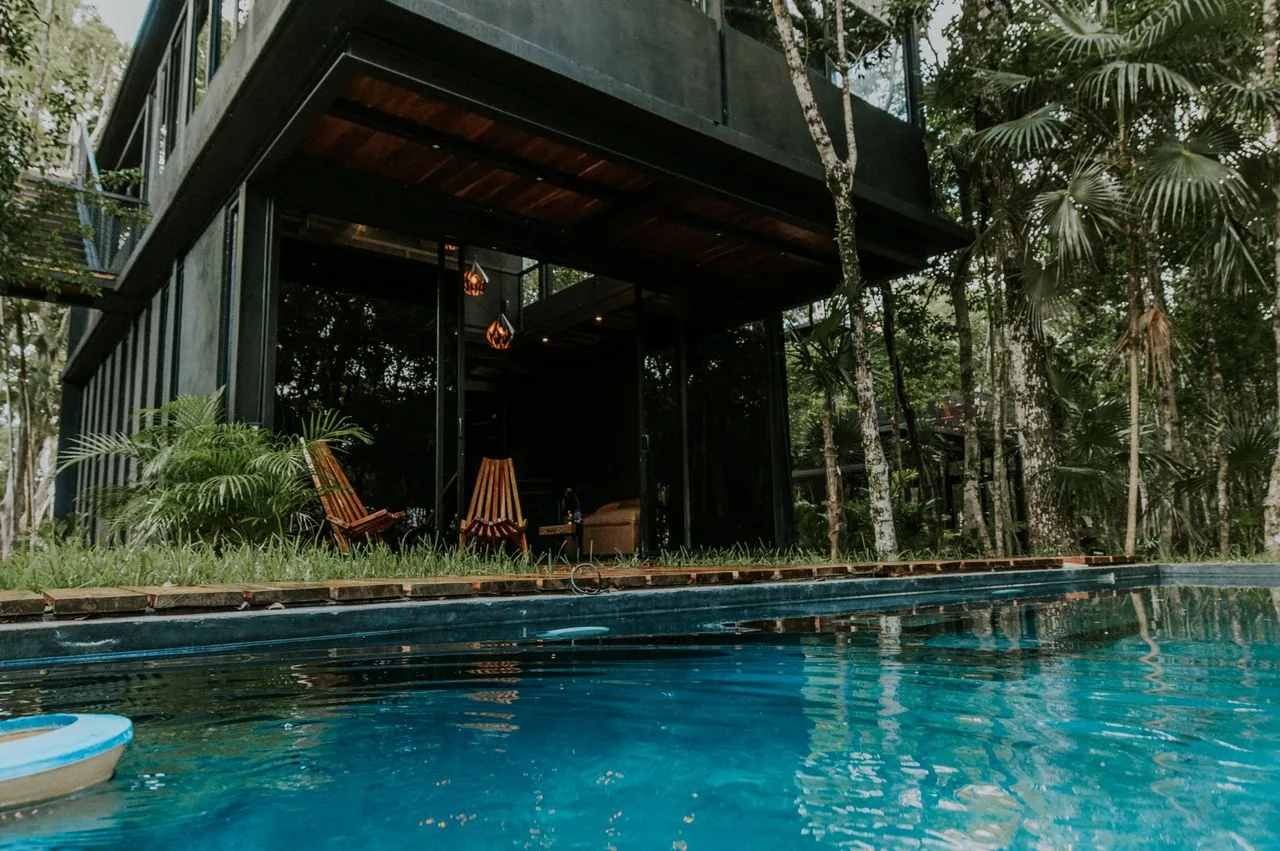
David, an investor from Lagos, wanted Turkish citizenship but did not want a large sum sitting idle in a flat. He chose a commercial asset instead: a hotel in Antalya, a resort with visitors all year round.
A hotel has to be checked as a business, not as housing. What matters is real occupancy, licences, contracts with staff and suppliers, clean title and no encumbrances. The second task concerns the programme: the property must qualify by value, by the way the Tapu title deed is registered and by the holding period. A good business registered the wrong way will not lead to a passport.
We checked the hotel and the seller, matched the property against the programme rules before the deal, registered ownership so that it served both the business and the application, and confirmed the source of funds. David received a Turkish passport and an income-producing asset. Here is how the checks went.
Case at a glance
Situation, solution and outcome in seven lines
Client
David, approximately 46 years old, investor, from Lagos
Turkey, Citizenship by Investment (Turkish Citizenship by Investment)
Complexity
Vet commercial property and register as qualifying investment
Solution
Due diligence of hotel + proper registration under program
Result
Income-generating asset and Turkish passport
Client story
Client's Story
Where they started
David approached investment citizenship pragmatically: since he had to invest a large sum anyway, it should not merely secure a passport but also work for him. A residential apartment for rental did not appeal to him—he thought in business terms and wanted a commercial property that generates real income. His choice fell on a hotel in Antalya, one of Turkey's main resort destinations with year-round tourist flow.
Why the standard route did not work
The idea is appealing, but commercial real estate requires a completely different level of due diligence than apartment purchase. A hotel is not just walls: it is an operating or potential business with its own occupancy rate, operational history, licenses, contracts, and personnel. Buying such a property blindly, relying on an attractive facade and income promises, is a direct path to an expensive mistake.
What BRIDGES had to solve
In parallel stood a second task—purely programmatic. The property must not only appeal to the investor but strictly comply with the requirements of the Turkish program as a qualifying investment: proper valuation, correct registration of ownership (Tapu), compliance with holding conditions. A sound business asset registered incorrectly will not grant citizenship.
Why a standard answer would not do
David turned to BRIDGES to combine two things: purchase a genuinely operational, vetted commercial property while registering it in such a way that it would flawlessly serve as the basis for a Turkish passport.
I wanted the passport to bring income. Karim checked a hotel in Antalya and set it up for the programme. I have citizenship and a working asset.
What Was at Risk
What Was at Risk
Commercial real estate is attractive because it operates and generates income, but it must be vetted as a business, not as an apartment: occupancy rates, operational history, licenses, contracts. And separately—register the property strictly in accordance with program requirements. A beautiful hotel purchased blindly or registered incorrectly will result in a double loss.
Purchase a hotel based on an attractive facade rather than actual performance metrics
01Overpay for a property with inflated claimed returns
02Encounter problems with licenses, contracts, personnel
03Register ownership in a way that does not qualify for the program
04Obtain an income-generating asset but fail to receive citizenship—or vice versa
The logic of the solution
How the matter progressed: from checks to result
The chart is built from the facts of this matter and shows the logic of the work without decorative or unverified data.
01
Stage 1
We assessed the hotel as a business, not as a real estate property. The main difficulty was that a commercial asset cannot be evaluated by its facade. We conducted full due diligence: actual occupancy and operational history, not promised yields; licenses and permits for hotel operations; active contracts, obligations, and asset condition. This eliminated the risk of purchasing an attractive exterior with internal problems.
02
Stage 2
We assessed the developer and legal clarity of ownership. We separately examined the seller and the clarity of title: absence of encumbrances, disputes, and unregistered claims. The complexity of commercial transactions lies in the higher cost of error compared to residential property; we verified rights as if for our own purchase.
03
Stage 3
We verified the asset against program requirements before the transaction. Before purchasing, we confirmed that the hotel qualified as a qualifying investment: value met the threshold, asset profile was suitable, and registration would comply with holding conditions. This prevented the situation of "acquired a good business, but it does not grant citizenship."
04
Stage 4
We structured the property registration to serve both business operations and the program. We completed title registration (Tapu) and transaction structure so that the asset was a full-fledged investment asset and simultaneously an irrefutable basis for citizenship. The two functions—income-generating asset and qualifying investment—were not to conflict.
05
Stage 5
We verified the source of funds for the substantial commercial purchase. The commercial transaction amount was significant, and we verified the source of funds impeccably: we traced David's financial history and established a transparent capital flow to the transaction, so Turkish authorities would have no questions.
Takeaway. commercial real estate provides both income and citizenship, but requires dual work—business-level assessment and precise registration under the program. Any misalignment devalues the result.
How we solved the task
How we solved the task
The work was split into verifiable stages so that every conclusion rested on documents.
01
We assessed the hotel as a business, not as a real estate property
The main difficulty was that a commercial asset cannot be evaluated by its facade. We conducted full due diligence: actual occupancy and operational history, not promised yields; licenses and permits for hotel operations; active contracts, obligations, and asset condition. This eliminated the risk of purchasing an attractive exterior with internal problems.
02
We assessed the developer and legal clarity of ownership
We separately examined the seller and the clarity of title: absence of encumbrances, disputes, and unregistered claims. The complexity of commercial transactions lies in the higher cost of error compared to residential property; we verified rights as if for our own purchase.
03
We verified the asset against program requirements before the transaction
Before purchasing, we confirmed that the hotel qualified as a qualifying investment: value met the threshold, asset profile was suitable, and registration would comply with holding conditions. This prevented the situation of "acquired a good business, but it does not grant citizenship."
04
We structured the property registration to serve both business operations and the program
We completed title registration (Tapu) and transaction structure so that the asset was a full-fledged investment asset and simultaneously an irrefutable basis for citizenship. The two functions—income-generating asset and qualifying investment—were not to conflict.
05
We verified the source of funds for the substantial commercial purchase
The commercial transaction amount was significant, and we verified the source of funds impeccably: we traced David's financial history and established a transparent capital flow to the transaction, so Turkish authorities would have no questions.
06
We completed the citizenship process while preserving a working asset
David became the owner of a verified, operational hotel and on this basis obtained Turkish citizenship. Capital did not remain idle in an apartment but continued to work as a business—precisely the logic that led him to choose commercial real estate.
How the work went
From first contact to the result
01We assessed the hotel as a business, not as a real estate property
02We assessed the developer and legal clarity of ownership
03We verified the asset against program requirements before the transaction
04We structured the property registration to serve both business operations and the program
05We verified the source of funds for the substantial commercial purchase
06We completed the citizenship process while preserving a working asset
The sequence and timing reflect this specific case and depend on how complete the documents are and on the decisions of the competent authorities.
Expert comment
Commercial real estate for citizenship is my favorite, but also the most responsible case. David wanted not a dead apartment, but a working asset, and chose a hotel in Antalya. The right choice, but a hotel is a business, not walls, and must be assessed accordingly: actual occupancy, not promised yields, licenses, contracts, asset condition, clarity of rights. I assess such assets as I would for myself—where the developer and seller are reliable, and where an attractive rendering hides problems. The second part of the work is to register the asset strictly according to the program, so it works both as income and as grounds for a passport. We completed both tasks. David now has both an income-generating hotel and Turkish citizenship. Overseas real estate is family capital for years, and must be evaluated with a clear head.
Outcome
What the client received
What was required
How we did it · Result
Assess the hotel as a business
Occupancy, licenses, contracts · Actual indicators, not promises
Clarity of rights and seller
Developer and Tapu due diligence · Risks eliminated
Program compliance
Asset verification before transaction · Qualifying investment
Income plus citizenship
Registration for both objectives · Asset operational, passport obtained
Income plus citizenship
Registration for both objectives · Asset operational, passport obtained
The situation: an investor wanted not just a passport, but a working income-generating asset and chose a commercial hotel in Antalya—an asset that must be assessed as a business. What we did: we assessed actual occupancy, licenses and hotel contracts, not promises; we examined the developer and clarity of rights; we verified the asset against program requirements before the transaction; we structured Tapu so it works for both business operations and citizenship; we verified the source of funds for the major transaction. What the client received: an income-generating hotel and Turkish citizenship.
Conclusion: commercial real estate provides both income and citizenship, but requires dual work—business-level assessment and precise registration under the program. Any misalignment devalues the result.
David obtained a second passport, and his capital did not freeze in an apartment but continued to work as a hotel—precisely how an investor thinks, not merely a buyer of status.
Due diligence on the hotel and structuring the deal correctly for the investment programme give both citizenship and an operating business. We will look at this option.
Share this article
FAQ
Questions people ask in a similar situation
01Can Turkish citizenship be obtained through commercial real estate?
Yes. A commercial asset—for example, a hotel—is suitable if it meets program requirements for value and registration and qualifies as a qualifying investment.
02How does hotel verification differ from apartment verification?
A hotel is a business: the verification examines actual occupancy rates and operational history, licenses, contracts, property condition, and not merely the structure. The cost of error is higher, therefore due diligence is more comprehensive.
03Is it possible to obtain both income and a passport simultaneously?
Yes, that is the purpose of a commercial property: it generates income as a business and serves as grounds for citizenship. The key is to accomplish both objectives without sacrificing one for the other.
04How can one avoid overpaying for a commercial property?
Verify actual performance metrics rather than projected income: factual occupancy rates, contracts, property condition, title clarity, and seller reliability. An attractive facade and promises are not a basis for pricing.
05Is it necessary to hold the property for a certain period?
Yes, the program stipulates a requirement to retain the investment for an established period. The transaction structure must allow this condition to be met in order to preserve the grounds for citizenship.
06Which documents were key in this case?
We assessed the hotel as a business, not as a real estate property. The main difficulty was that a commercial asset cannot be evaluated by its facade. We conducted full due diligence: actual occupancy and operational history, not promised yields; licenses and permits for hotel operations; active contracts, obligations, and asset condition. This eliminated the risk of purchasing an attractive exterior with internal problems. We assessed the developer and legal clarity of ownership. We separately examined the seller and the clarity of title: absence of encumbrances, disputes, and unregistered claims. The complexity of commercial transactions lies in the higher cost of error compared to residential property; we verified rights as if for our own purchase.
07Why did the standard route not suit the client?
The idea is appealing, but commercial real estate requires a completely different level of due diligence than apartment purchase. A hotel is not just walls: it is an operating or potential business with its own occupancy rate, operational history, licenses, contracts, and personnel. Buying such a property blindly, relying on an attractive facade and income promises, is a direct path to an expensive mistake.
I lead the international real estate practice at BRIDGES and coordinate cross-border transactions from the selection of an ownership structure through to completion. I assess the legal position of the property and its suitability for the client's objectives.
Before the client assumes obligations under a transaction, I review title and possible encumbrances, assess whether the property is suitable for the client's objectives, and examine the implications of the chosen ownership structure. The review is organised in a clear sequence so that the relevant findings can be addressed before completion.
During the consultation, we will examine the purpose of the acquisition, the proposed ownership model and the intended use of the property. Once the engagement begins, I coordinate the property review, transaction preparation and the key decisions of the BRIDGES team through to completion.
Prepared on the basis of BRIDGES practice and reviewed by a subject-matter expert.
We will explain the requirements, amounts and timelines that apply now, and what is checked in a situation similar to yours.
We will review your situation and propose a solution
Describe your task in a few words. We will study your situation, assess the legal and practical options and propose the next step based on your goals, documents and country.
Confidential · no obligations · answered by the relevant specialist
Names and certain details have been changed to protect client confidentiality. The result described reflects one specific situation and is neither a public offer nor a guarantee of a similar outcome. Programme terms are stated as of 2026 and may change - please confirm current parameters with a BRIDGES consultant.