
Updated: June 2026

Case study · Hungary · Citizenship

How to obtain an EU passport by descent whenonly one document of an ancestor survives

One document of an ancestor is not too little if the whole line is built around it. Igor knew about his Hungarian great-grandfather, but only a single paper had survived from him, and it seemed that this could not be enough for citizenship. Here, step by step, is how we turned one document into an unbroken line of descent and saw it through to an EU passport.

Anna KovalevskayaAnna KovalevskayaHead of Legal, BRIDGESReading time8 min readVerificationReviewed by an expert

This case is based on a real matter. The name and certain identifying details have been changed to protect confidentiality.

BRIDGES client story - How to obtain an EU passport by descent when only one document of an ancestor survives
Contents

Case at a glance

Situation, solution and outcome in seven lines

Client
Igor, around 40, Hungarian great-grandfather
What he had
a single surviving document of the ancestor
Programme
Hungary, EU citizenship
The doubt
one document is not enough for citizenship
Key point
building the line from the ancestor to the applicant
Solution
archives for every generation, restoration of records
Outcome
ancestry proved, EU passport obtained

Client story

How the situation developed

Where they started

Igor grew up with stories about his Hungarian great-grandfather, but only one document survived in the family - a single thread back to his roots. When he began thinking about an EU passport, his first thought was that one piece of paper could not possibly be enough.

Why the standard route did not work

That is a common misconception. What matters for citizenship by descent is not the volume of paperwork but the continuity of the line: the line from the Hungarian ancestor to the applicant, where every generation - birth, marriage, change of surname - is supported by a document. One document of an ancestor is a solid starting point, not an obstacle.

What BRIDGES had to solve

The weak point in such matters is not at the beginning but in the middle: generations lie between a great-grandfather and the applicant, and it is there, in the records of parents and grandparents, that the line usually breaks. Restoring those generations is the real work.

Why a standard answer would not do

Igor came to BRIDGES understanding that the question was not whether one document is enough, but how to build an unbroken line from it down to himself.

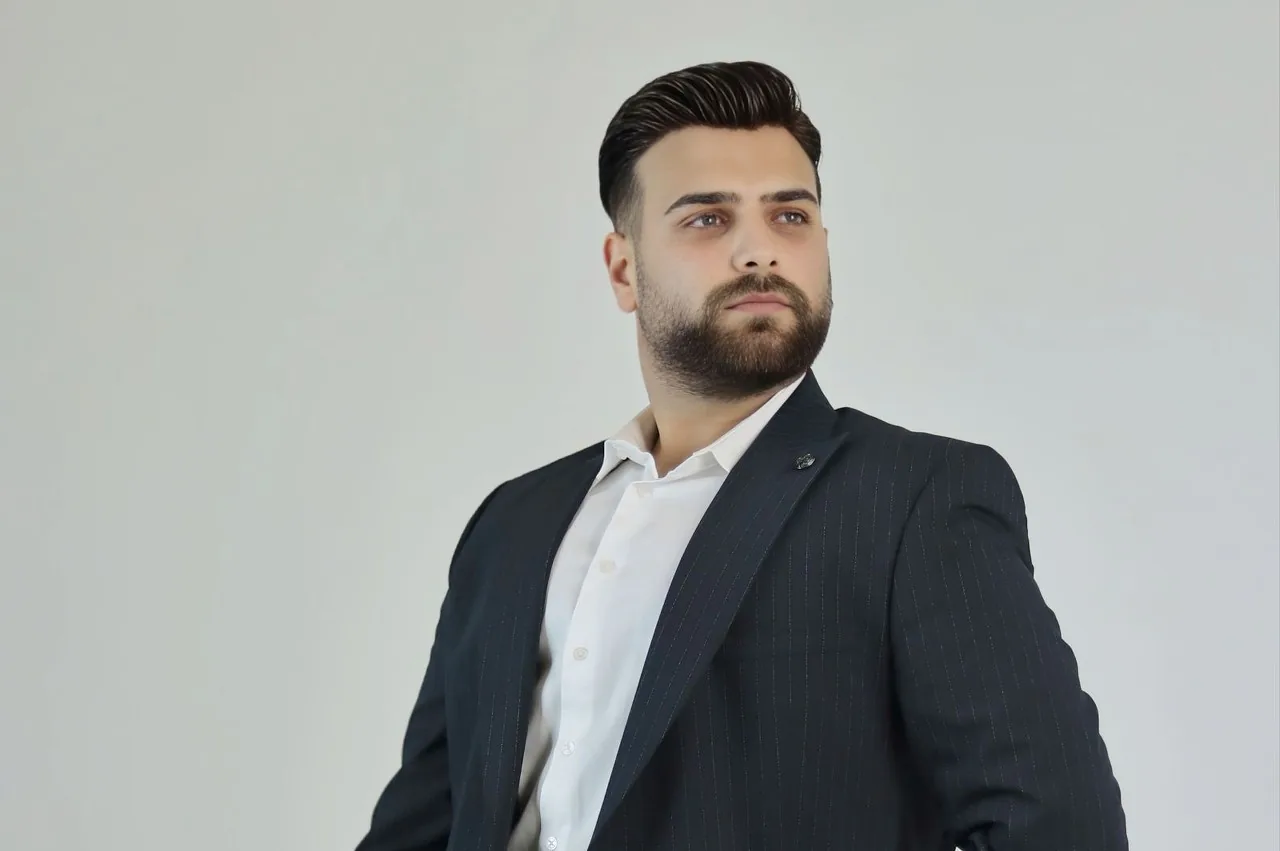
One document survived from my great-grandfather and I was sure it was not enough for citizenship. Anna explained that the point is not the number of papers but the continuity of the line. They built the line from my great-grandfather down to me, finding every missing generation in the archives. One document became the start of a line, and at the end of it I have an EU passport.


Igor · Hungarian great-grandfatherThe name and certain identifying details have been changed to protect confidentiality.

What was at stake

Risks we could not ignore

For citizenship by descent it is the continuity of the line from ancestor to applicant that decides, not the volume of documents. One document of an ancestor is a solid start, but generations lie between it and the applicant, and that is where the line breaks. The main work is restoring those generations.

concluding that one document of an ancestor is not enough, and never starting;

  1. 01ending up with a break in the line in the generations between the great-grandfather and the applicant;
  2. 02failing to evidence parentage in the generations of parents and grandparents;
  3. 03running into changes of surname and record without any explanation;
  4. 04overlooking the fact that archives hold the missing generations.

The logic of the solution

How the matter progressed: from checks to result

The chart is built from the facts of this matter and shows the logic of the work without decorative or unverified data.

  1. 01
    Stage 1

    We studied the single surviving document and mapped which generations had to be built.

  2. 02
    Stage 2

    We researched each intermediate generation in parish books and registers.

  3. 03
    Stage 3

    We restored missing records through certified archival duplicates.

  4. 04
    Stage 4

    We documented the changes of surname across generations.

  5. 05
    Stage 5

    We translated and apostilled the whole line and filed the citizenship file.

Takeaway. For ancestry it is the continuity of the line that decides, not the volume of paperwork - one surviving document is a foundation, not an obstacle.

How we solved it

How we solved it

The work was split into verifiable stages so that every conclusion rested on documents.

  1. 01

    Stage 1

    We studied the great-grandfather’s single document and determined exactly which generations had to be built between him and Igor - grandfather, parents - for the line to become unbroken.

  2. 02

    Stage 2

    We carried out archival research for each intermediate generation: records of birth, marriage and parentage in parish books and registers, so that every generation was evidenced by documents.

  3. 03

    Stage 3

    We restored missing and damaged records through certified archival duplicates, closing the gaps in the middle of the line where they usually appear.

  4. 04

    Stage 4

    We explained and documented the changes of surname and spelling across generations, so that the authority saw one continuous line rather than a set of different people.

  5. 05

    Stage 5

    We translated and apostilled the whole line to the requirements of the ancestry procedure, bringing the documents into the form the authority accepts.

  6. 06

    Stage 6

    We filed the citizenship file and took Igor through the procedure to the issue of his EU passport - the unbroken line from great-grandfather to applicant confirmed the ancestry.

Expert comment

I have only one document - I hear this constantly, and it is almost never a verdict, only a starting point. What matters is not the number of papers but the continuity of the line from ancestor to person. The difficulty is always in the middle, in the generations of parents and grandparents, where records are lost and surnames change. That is where the real archival work happens. For Igor, one document of a great-grandfather became the foundation on which we built the entire line down to him. I love matters like this - where one thread turns into a passport.

Anna Kovalevskaya, Head of Legal, BRIDGESAnna KovalevskayaHead of Legal, BRIDGES

Outcome

What the client received

What he had
a single surviving document of the ancestor
Programme
Hungary, EU citizenship
The doubt
one document is not enough for citizenship
Key point
building the line from the ancestor to the applicant
Solution
archives for every generation, restoration of records
Outcome
ancestry proved, EU passport obtained

Igor received his EU passport: the great-grandfather’s single document became the start of an unbroken line, every intermediate generation was built through the archives, the changes of surname were explained, and the line was carried through to the applicant. The ancestry is legally confirmed.

Practical takeaway

What matters in a similar situation

  • What looked like a shortage of documents turned out to be a question of continuity: one document is the foundation and the rest is built on it. Igor obtained citizenship rather than being left with a family legend about a great-grandfather.
  • The case shows that for ancestry it is the line that decides, not the volume of paperwork. One document of an ancestor is enough as a starting point if every generation down to the applicant is properly restored.
  • A single surviving document can become the anchor for restoring the whole line through the archives of each generation. We will review your situation.

FAQ

Questions people ask in a similar situation

01Is one document of an ancestor enough for citizenship?

As a starting point, yes. What decides is not the number of papers but the continuity of the line from ancestor to applicant. The remaining generations are built from the archives.

02Where does the line usually break?

In the middle - in the generations of parents and grandparents, where records are lost and surnames change. That is where most of the archival research and restoration happens.

03How do you explain a change of surname in a family?

With marriage and name-change documents and register records showing that different surnames belong to one continuous line of descent.

04Are archival duplicates accepted?

Yes. Officially certified archival extracts and duplicates evidence the generations of the line on a par with originals and close the gaps.

05How long does building the line take?

It depends on the number of generations and how well the archives have survived. The important point is that an unbroken line can be restored even from a single document of an ancestor.

About the author

Anna Kovalevskaya

Author: Anna Kovalevskaya

Head of Legal, BRIDGES

I have worked with citizenship and residency matters in European countries for 12 years. Programme requirements and application practices change, so I assess each matter against the current rules, the applicant's immigration history, family composition and the documents supporting the legal basis for the application.

I lead matters from the preliminary assessment through to the grant of status. In complex situations, I identify the circumstances that may affect the review, establish the legal logic of the application and oversee the consistency of the supporting documents at every stage.

During the consultation, you will receive an assessment of the available legal grounds, a clear understanding of the chosen route and a list of issues that should be resolved before filing. Once the engagement begins, I oversee the application and the key decisions of the BRIDGES team.

Prepared on the basis of BRIDGES practice and reviewed by a subject-matter expert.

Discuss your situation with Anna

We will review your situation and propose a solution

Describe your task in a few words. We will study your situation, assess the legal and practical options and propose the next step based on your goals, documents and country.

Confidential · no obligations · answered by the relevant specialist

Or message us on WhatsApp or Telegram

Anna KovalevskayaHead of Legal, BRIDGES
Anna Kovalevskaya, Head of Legal, BRIDGES

Names and certain details have been changed to protect client confidentiality. The result described reflects one specific situation and is neither a public offer nor a guarantee of a similar outcome. Programme terms are stated as of 2026 and may change - please confirm current parameters with a BRIDGES consultant.