Updated: June 2026

Case study · Egypt · Citizenship

How Manufacturing in Suez Granted a Client EgyptianCitizenship and Market Access to Africa

The strongest investment citizenship cases are those where the investment not only provides a passport but opens market access. Our client wanted to establish manufacturing in Suez to access the vast African market through the AfCFTA free trade zone while simultaneously obtaining Egyptian citizenship. This is a straightforward case combining business and passport in one investment. We explain how we aligned both objectives.

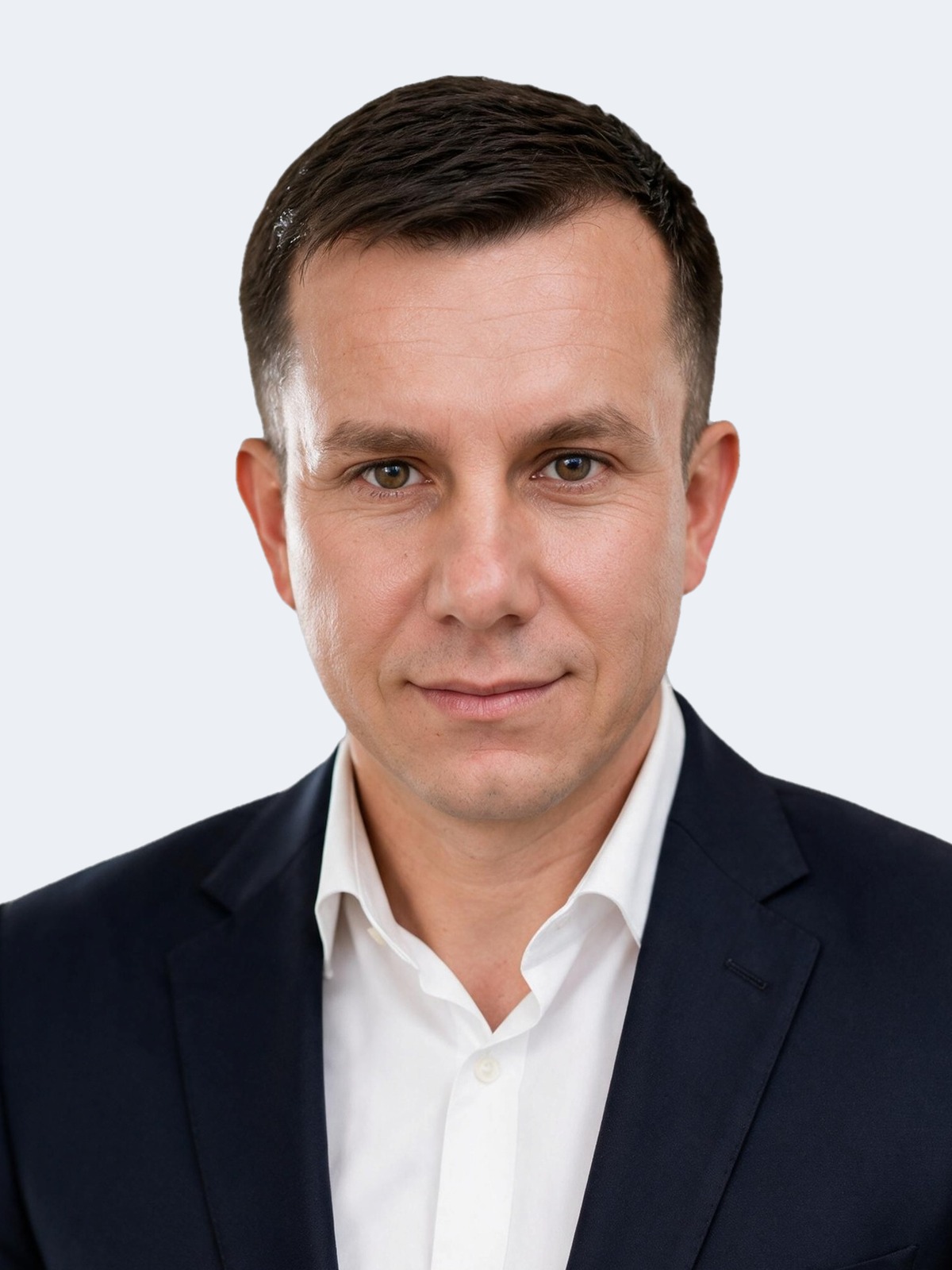
Sergey EvdokimovSergey EvdokimovManaging Partner, BRIDGESReading time9 min readVerificationReviewed by an expert

This case is based on a real matter. The name and certain identifying details have been changed to protect confidentiality.

BRIDGES client story - How Manufacturing in Suez Granted a Client Egyptian Citizenship and Market Access to Africa
Contents

Case at a glance

Situation, solution and outcome in seven lines

Client
Industrial Investor
Objective
Manufacturing in Suez + African market access + passport
Program
Egypt, Citizenship by Investment (Egyptian Citizenship by Investment)
Key Considerations
To ensure the business operated effectively while qualifying under the program
Investment Option
Business investment from $350,000 + non-refundable contribution of $100,000
Advantage
Egypt in AfCFTA - access to African markets
Outcome
Manufacturing operation, African market access, and Egyptian passport

Client story

Client Background

Where they started

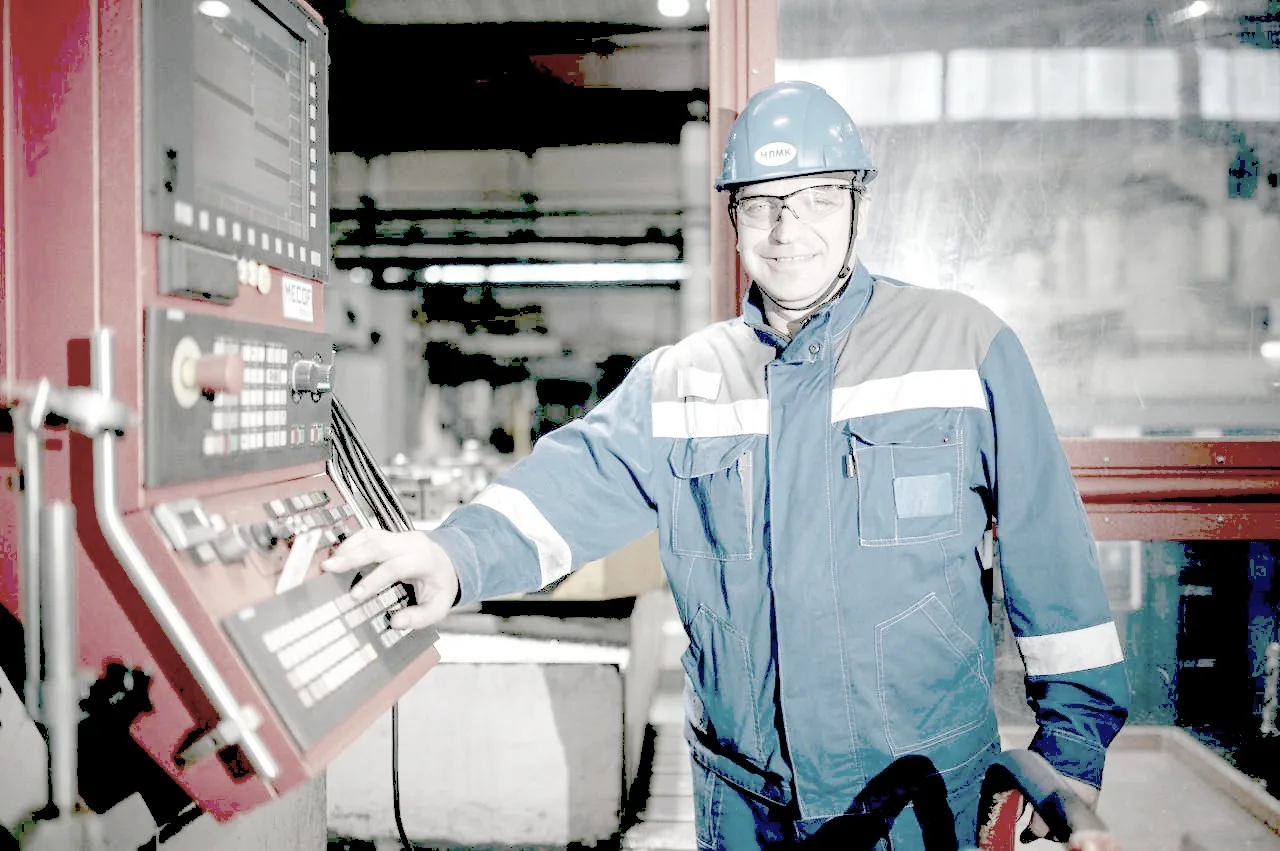
The client thought like an industrialist: he needed not merely an investment for a passport, but a functioning manufacturing operation with access to a substantial market. He looked to Suez - a zone near the canal with industrial infrastructure and logistics suitable for manufacturing and export.

Why the standard route did not work

The key advantage was market access. Egypt is a member of the African Continental Free Trade Area (AfCFTA), providing a gateway to the vast African market. Manufacturing located in Egypt gains access to this market - the very reason for establishing operations there.

What BRIDGES had to solve

Concurrently, the client sought Egyptian citizenship. The program offers a business investment option from $350,000 plus a non-refundable contribution of $100,000 to the treasury. This allowed him to combine both objectives: establish a functioning manufacturing operation and obtain a second passport through a single investment in a real business.

Why a standard answer would not do

The client came to BRIDGES to structure this comprehensively: arrange the business investment in Suez manufacturing so that it would both qualify for citizenship and function as a real business with market access to Africa through AfCFTA.

I needed a real manufacturing operation, not a paper investment - preferably with access to a major market. Suez is convenient logistically, and Egypt participates in the African free trade zone, meaning it opens access to the entire continent's market. Sergey helped structure the business investment so I both built the manufacturing facility and obtained an Egyptian passport. Now I have a functioning business with African market access and a second citizenship. The investment truly works.


Promyshlennyy · Industrial InvestorThe name and certain identifying details have been changed to protect confidentiality.

Critical Factors to Address

Critical Factors to Address

There was no threat - only the task of combining a real business with citizenship. One could make a formal investment for a passport without considering the market and miss the principal benefit; or establish manufacturing without verifying program qualification and fail to obtain the passport. The key was structuring a business investment that both operates with African market access and qualifies for citizenship.

The business investment option is $350,000 plus a $100,000 contribution;

  1. 01The manufacturing must be real, not merely formal;
  2. 02Suez's advantage: industrial infrastructure and logistics;
  3. 03Egypt's AfCFTA membership provides access to African markets;
  4. 04The business investment must qualify for citizenship purposes.

The logic of the solution

How the matter progressed: from checks to result

The chart is built from the facts of this matter and shows the logic of the work without decorative or unverified data.

  1. 01
    Stage 1

    Combined business and passport. First, we established that the client needed genuine manufacturing with market access, not a formal investment. This shaped our approach: the business investment had to both operate and qualify.

  2. 02
    Stage 2

    Assessed the advantages of Suez and AfCFTA. We took into account that Suez offers convenient industrial infrastructure and logistics, while Egypt's membership in AfCFTA provides the manufacturing facility access to the vast African market. This was the key added value.

  3. 03
    Stage 3

    Selected the business investment option. To meet the objective, we selected an option: business investment from 350,000 $ plus a non-refundable contribution of 100,000 $ to the treasury. It allowed us to combine genuine manufacturing with obtaining citizenship.

  4. 04
    Stage 4

    Structured the manufacturing under the program. We organized the business investment so that the manufacturing was genuine and simultaneously qualified for citizenship under program requirements. Business and passport were integrated together.

  5. 05
    Stage 5

    Executed the investment and contribution. We conducted the business investment in manufacturing in Suez and made the accompanying contribution to the treasury as the basis for citizenship.

Takeaway. Conclusion: business investment is powerful because it opens a market. Manufacturing in Egypt provides access to the African market through AfCFTA while simultaneously qualifying for citizenship - business and passport at once.

How we handled the case

How we handled the case

The work was split into verifiable stages so that every conclusion rested on documents.

  1. 01

    Stage 1

    Combined business and passport. First, we established that the client needed genuine manufacturing with market access, not a formal investment. This shaped our approach: the business investment had to both operate and qualify.

  2. 02

    Stage 2

    Assessed the advantages of Suez and AfCFTA. We took into account that Suez offers convenient industrial infrastructure and logistics, while Egypt's membership in AfCFTA provides the manufacturing facility access to the vast African market. This was the key added value.

  3. 03

    Stage 3

    Selected the business investment option. To meet the objective, we selected an option: business investment from 350,000 $ plus a non-refundable contribution of 100,000 $ to the treasury. It allowed us to combine genuine manufacturing with obtaining citizenship.

  4. 04

    Stage 4

    Structured the manufacturing under the program. We organized the business investment so that the manufacturing was genuine and simultaneously qualified for citizenship under program requirements. Business and passport were integrated together.

  5. 05

    Stage 5

    Executed the investment and contribution. We conducted the business investment in manufacturing in Suez and made the accompanying contribution to the treasury as the basis for citizenship.

  6. 06

    Stage 6

    Delivered to passport issuance. Based on the business investment, the client obtained Egyptian citizenship. As a result, he has an operating manufacturing facility with access to the African market and a second passport - through a single investment in genuine business.

Expert comment

This is my favorite type of investment citizenship - when the investment not only buys a passport but opens a market. The client wanted genuine manufacturing, and Suez is a fortunate location for this: a zone near the canal with industrial infrastructure and logistics. But the key advantage is that Egypt is part of AfCFTA, Africa's continental free trade zone. This means that manufacturing located in Egypt gains access to the vast African market. And the business investment option - from 350,000 dollars plus the contribution - allows all of this to be combined with citizenship. I structured the investment so that the manufacturing was genuine, operational, and simultaneously qualified for the passport. As a result, the client has both a business with access to Africa and a second citizenship - through a single investment. When an investment works for the market rather than simply sits for status purposes - that is the best scenario.

Sergey Evdokimov, Managing Partner, BRIDGESSergey EvdokimovManaging Partner, BRIDGES

Outcome

What the client received

What was required
How we delivered · Result
Genuine manufacturing
Business investment in Suez · Operating business
Market access
Egypt's membership in AfCFTA · African market
Qualification for passport
Program-aligned structure · Program requirement compliance
Obtain passport
Investment from 350,000 $ + contribution · Egyptian citizenship
Obtain passport
Investment from 350,000 $ + contribution · Egyptian citizenship

What was needed: the client wanted to establish genuine manufacturing in Suez with access to the African market and simultaneously obtain Egyptian citizenship. What we did: combined business and passport; assessed the advantages of Suez and AfCFTA; selected the business investment option; structured the manufacturing under the program; executed the investment and contribution; delivered to passport issuance. What the client received: an operating manufacturing facility with access to the African market and Egyptian citizenship.

Practical takeaway

What matters in a similar situation

  • Conclusion: business investment is powerful because it opens a market. Manufacturing in Egypt provides access to the African market through AfCFTA while simultaneously qualifying for citizenship - business and passport at once.
  • The client received both an operating business and a passport - because we structured the business investment in manufacturing in Suez so that it both qualifies for citizenship and provides access to the African market through AfCFTA.

FAQ

Questions people ask in a similar situation

01Is it possible to obtain Egyptian citizenship through business?

Yes, through the business investment option: business investment from 350,000 $ plus a non-refundable contribution of 100,000 $ to the treasury. The manufacturing must be genuine and qualify under the program.

02What does manufacturing specifically in Egypt provide?

African market entry: Egypt is an AfCFTA participant, a continental free trade zone. Manufacturing in Egypt gains access to Africa's vast market.

03What makes Suez convenient for manufacturing?

Industrial infrastructure and logistics of the zone near the canal. This is advantageous for both manufacturing and export to external markets, including the African market through AfCFTA.

04Must the business be operational?

Yes. Formal investment misses the main advantage - market access. Business investment is structured so that manufacturing both operates and qualifies for citizenship.

05What is the cost of the business option?

Business investment from $350,000 plus a non-refundable contribution of $100,000 to the treasury. Specific conditions and project requirements are clarified with the authorized body.

06Do you want manufacturing with African market access and a passport?

We will structure a business investment in manufacturing in Suez so that it qualifies for Egyptian citizenship and provides access to the African market through AfCFTA - business and a second passport through a single investment.

About the author

Sergey Evdokimov

Author: Sergey Evdokimov

Managing Partner, BRIDGES

As Founder and Managing Partner of BRIDGES, I am responsible for the firm's strategy and personally lead its most complex client matters, including cases in which citizenship or residence decisions require a strategic view and consideration of capital.

I begin by defining the objective: the outcome the client needs, the facts that affect the choice, and the matters that require further review. I then establish the available directions, the sequence of work, and the key decision points.

Once the strategy has been agreed, I oversee the BRIDGES team's key decisions and remain involved at the stages that shape the course of the matter. The purpose is to give the client a clear rationale for the chosen direction and a precise understanding of the next steps.

Prepared on the basis of BRIDGES practice and reviewed by a subject-matter expert.

Discuss your situation with Sergey

We will review your situation and propose a solution

Describe your task in a few words. We will study your situation, assess the legal and practical options and propose the next step based on your goals, documents and country.

Confidential · no obligations · answered by the relevant specialist

Or message us on WhatsApp or Telegram

Anna KovalevskayaHead of Legal, BRIDGES
Anna Kovalevskaya, Head of Legal, BRIDGES

Names and certain details have been changed to protect client confidentiality. The result described reflects one specific situation and is neither a public offer nor a guarantee of a similar outcome. Programme terms are stated as of 2026 and may change - please confirm current parameters with a BRIDGES consultant.