Updated: June 2026

Case study · Bulgaria · Citizenship

How an elderly client obtained a Bulgarian EU passportremotely without losing his pension

Elderly citizenship applicants have two particular concerns: traveling is difficult and they worry about their pension - what if a second passport affects it. Our client of senior age wanted to realize his Bulgarian heritage, but both of these issues were holding him back. This is a straightforward case about personalized service. We explain how we processed his repatriation remotely and kept his pension intact.

Igor VencIgor VencReal Estate Managing Director, BRIDGESReading time8 min readVerificationReviewed by an expert

This case is based on a real matter. The name and certain identifying details have been changed to protect confidentiality.

BRIDGES client story - How an elderly client obtained a Bulgarian EU passport remotely without losing his pension
Contents

Case at a glance

Situation, solution and outcome in seven lines

Client
Elderly person with Bulgarian heritage
Objective
EU passport by descent without loss of pension
Program
Bulgaria, citizenship by descent (by Bulgarian heritage, EU passport)
Key considerations
Difficult to travel + pension concerns
Solution
Remote processing + pension preservation
Key insight
Second citizenship and pension are compatible
Outcome
EU passport, pension preserved

Client story

Client's story

Where they started

The client was an elderly person with Bulgarian roots who had long considered obtaining an EU passport - both for himself and as a legacy for his children. He had the right to citizenship by descent, but two concerns kept him from moving forward.

Why the standard route did not work

First - travel. It was physically difficult for the client to travel, and he feared that the application process would require multiple visits that he was not able to undertake. Second, and more pressing - his pension. He was worried that obtaining another citizenship would somehow affect his pension payments, which he relies on to live.

What BRIDGES had to solve

Both concerns were solvable. Citizenship by descent can be processed substantially remotely, minimizing the need for in-person presence. Repatriation itself - obtaining second citizenship by heritage - is not designed to deprive someone of their pension: the key is conducting everything carefully, without affecting the pension side.

Why a standard answer would not do

The client came to BRIDGES specifically for peace of mind: so that we would handle the remote processing and take into account the pension issue, without putting his payments at risk.

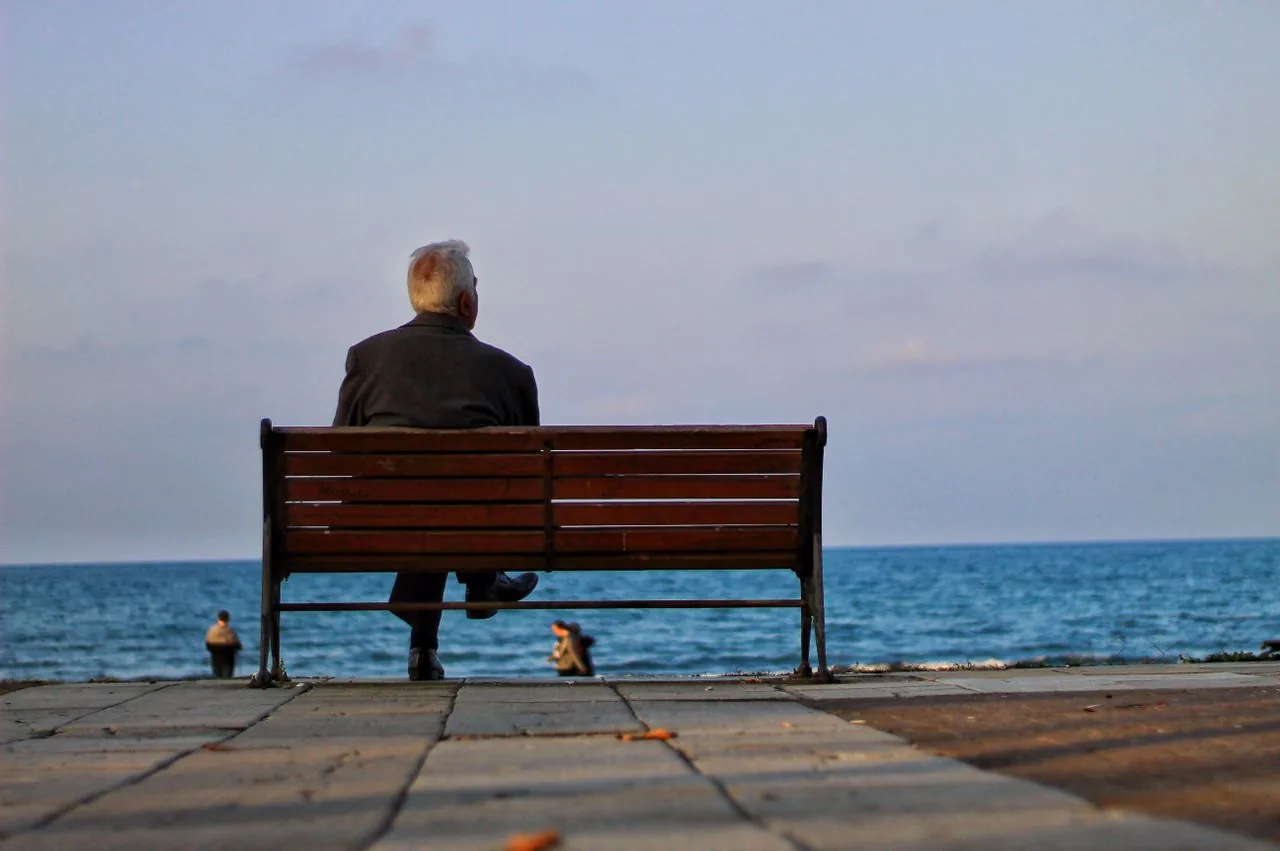
At my age, two things were holding me back: traveling is difficult, and I was worried about my pension - what if a second passport would cut it. Igor reassured me on both counts: the process can be handled remotely, and repatriation itself doesn't take away the pension, you just need to conduct everything carefully. That's what we did - almost without my trips, and my pension stayed with me. I obtained the Bulgarian EU passport with peace of mind. It's nice when they consider not only the paperwork, but also what people live on.
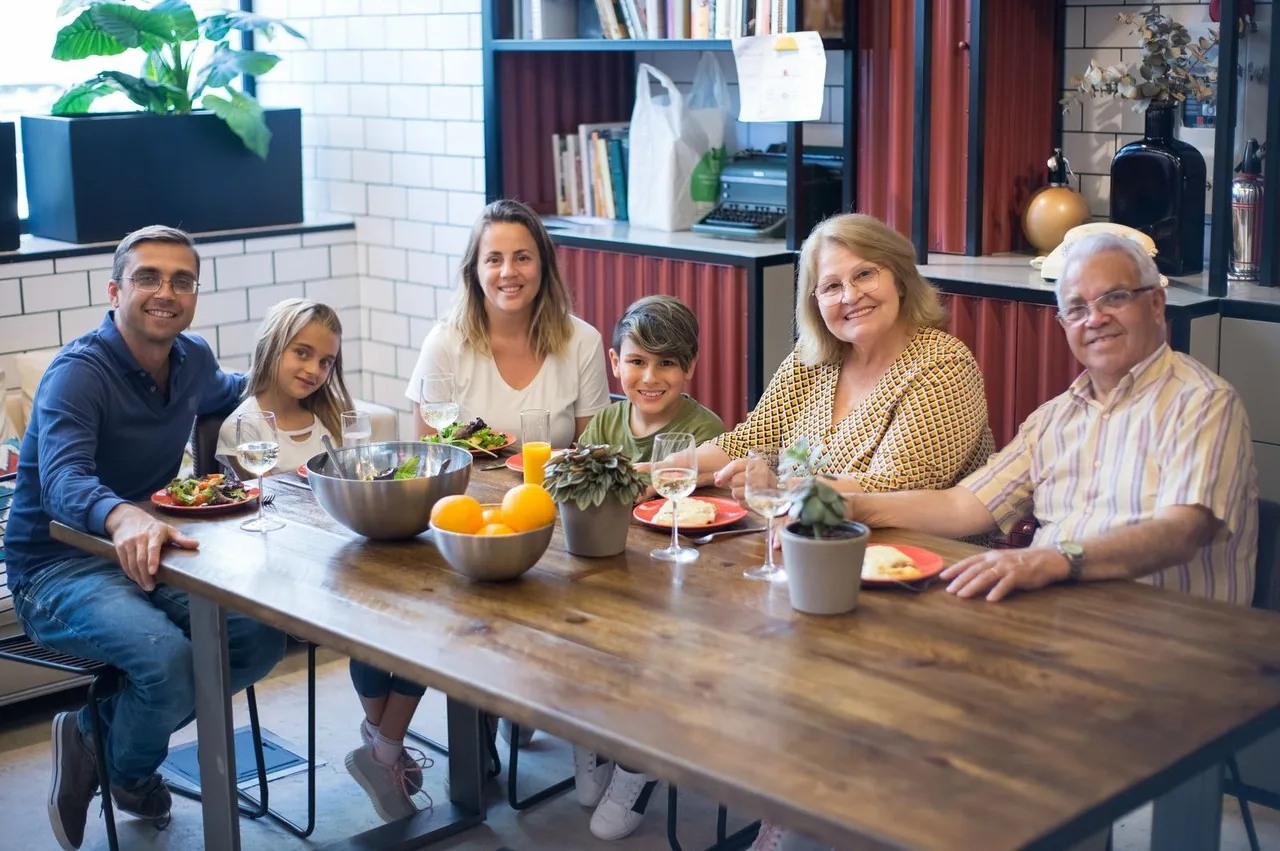

Pozhiloy · Elderly holder of Bulgarian heritageThe name and certain identifying details have been changed to protect confidentiality.

What was important to account for

What was important to account for

There was no legal threat - there were two human concerns that needed to be addressed, not dismissed. Without attention to them, the client would have either been exhausted by travel or refused altogether out of fear for his pension. The main task was to organize remote processing and carefully handle the pension issue so that payments would not be affected.

The difficulty of travel for an elderly client

  1. 01Fear that second citizenship would affect the pension
  2. 02Which parts of the process could be handled remotely
  3. 03Careful management of the pension aspect during repatriation
  4. 04That the descent pathway does not require language skills or residence

The logic of the solution

How the matter progressed: from checks to result

The chart is built from the facts of this matter and shows the logic of the work without decorative or unverified data.

  1. 01
    Stage 1

    We listened to both of the client's concerns. First, we took the client's fears seriously: both the burden of travel and anxiety about the pension. This determined that we needed to handle the case not by standard procedure, but with both issues in mind.

  2. 02
    Stage 2

    We organized remote processing. We structured the process so that the majority took place remotely, while in-person presence was minimized. The elderly client did not have to make a series of exhausting trips.

  3. 03
    Stage 3

    We addressed the pension issue. We explained to the client that repatriation by descent does not inherently target pension loss, and we factored in the pension aspect in case management so that obtaining a passport would not affect their payments.

  4. 04
    Stage 4

    We proved Bulgarian descent. We gathered and confirmed evidence of the client's Bulgarian roots - the basis for citizenship through a pathway that requires neither language proficiency nor residence.

  5. 05
    Stage 5

    We conducted the procedure with minimal in-person presence. The case proceeded remotely thereafter, with carefully organized minimal in-person steps. The client's age did not become an obstacle, and the pension remained untouched.

Takeaway. Conclusion: the fears of elderly applicants - travel and pensions - are solvable. Citizenship by descent is processed largely remotely, and repatriation, when carefully handled, does not take away the pension.

How we handled the case

How we handled the case

The work was split into verifiable stages so that every conclusion rested on documents.

  1. 01

    Stage 1

    We listened to both of the client's concerns. First, we took the client's fears seriously: both the burden of travel and anxiety about the pension. This determined that we needed to handle the case not by standard procedure, but with both issues in mind.

  2. 02

    Stage 2

    We organized remote processing. We structured the process so that the majority took place remotely, while in-person presence was minimized. The elderly client did not have to make a series of exhausting trips.

  3. 03

    Stage 3

    We addressed the pension issue. We explained to the client that repatriation by descent does not inherently target pension loss, and we factored in the pension aspect in case management so that obtaining a passport would not affect their payments.

  4. 04

    Stage 4

    We proved Bulgarian descent. We gathered and confirmed evidence of the client's Bulgarian roots - the basis for citizenship through a pathway that requires neither language proficiency nor residence.

  5. 05

    Stage 5

    We conducted the procedure with minimal in-person presence. The case proceeded remotely thereafter, with carefully organized minimal in-person steps. The client's age did not become an obstacle, and the pension remained untouched.

  6. 06

    Stage 6

    We obtained an EU passport while preserving the pension. The client obtained Bulgarian citizenship and an EU passport - remotely, with minimal travel, and with the pension preserved. Both of their concerns were resolved, not realized.

Expert comment

Elderly clients come with two particular concerns, and I always take them seriously. The first is travel: at that age, shuttling between authorities is difficult. The second, and often more acute, is the pension: people fear that a second passport will somehow affect it, yet it is their livelihood, their income. There are straightforward answers to both. We process citizenship by descent largely remotely - in-person presence is minimized. And repatriation by roots does not inherently aim to deprive someone of their pension; one only needs to handle this issue carefully. With this client, we did exactly that: remote processing, careful attention to the pension aspect. He obtained a Bulgarian EU passport with minimal travel and his pension preserved. For me, good service means taking into account not only documents, but also what someone actually lives on. Age should not close the door to a passport.

Igor Venc, Real Estate Managing Director, BRIDGESIgor VencReal Estate Managing Director, BRIDGES

Outcome

What the client received

What was required
How we did it · Result
Minimal travel
Remote processing · In-person presence minimized
Do not affect the pension
Careful case management · Pension preserved
Basis
Proof of descent · Without language or residence requirements
Obtain an EU passport
Remote procedure · Bulgarian citizenship
Obtain an EU passport
Remote procedure · Bulgarian citizenship

What was: an elderly client with Bulgarian roots wanted an EU passport, but was deterred by the burden of travel and pension fears. What we did: listened to both concerns; organized remote processing; addressed the pension issue; proved Bulgarian descent; conducted the procedure with minimal in-person presence; obtained an EU passport while preserving the pension. What the client received: Bulgarian citizenship and an EU passport remotely, with the pension preserved.

Practical takeaway

What matters in a similar situation

  • Conclusion: the fears of elderly applicants - travel and pensions - are solvable. Citizenship by descent is processed largely remotely, and repatriation, when carefully handled, does not take away the pension.
  • The client obtained an EU passport without exhaustion from travel and without losing their pension - because we organized remote processing and carefully addressed the pension issue.

FAQ

Questions people ask in a similar situation

01Is it possible to obtain Bulgarian citizenship by descent remotely?

For a significant portion of the process - yes. Processing is conducted remotely, and in-person presence is minimized, which is especially convenient for elderly clients who find travel difficult.

02Will dual citizenship affect my pension?

Repatriation by descent is not inherently designed to deprive you of pension benefits. It is important to carefully address the pension question during the application process to ensure that obtaining a passport does not impact your payments.

03Is repatriation suitable for elderly individuals?

Yes. Age is not an obstacle, and the descent-based pathway does not require language proficiency or residence requirements. Remote processing makes it accessible even for those who find travel difficult.

04Do I need to travel multiple times to obtain a passport?

No. A significant portion of the application process is conducted remotely, and the few in-person actions required are organized carefully, without a series of exhausting trips.

05Does the descent-based pathway require language proficiency?

No. Citizenship by descent is exempt from language examination and residence requirements. It is based on proof of Bulgarian ancestry.

06Do you want an EU passport by descent but are concerned about your pension and travel?

We organize the application process remotely and carefully address the pension question - so you obtain a Bulgarian EU passport by descent with minimal travel and no risk to your pension.

About the author

Igor Venc

Author: Igor Venc

Real Estate Managing Director, BRIDGES

I lead the international real estate practice at BRIDGES and coordinate cross-border transactions from the selection of an ownership structure through to completion. I assess the legal position of the property and its suitability for the client's objectives.

Before the client assumes obligations under a transaction, I review title and possible encumbrances, assess whether the property is suitable for the client's objectives, and examine the implications of the chosen ownership structure. The review is organised in a clear sequence so that the relevant findings can be addressed before completion.

During the consultation, we will examine the purpose of the acquisition, the proposed ownership model and the intended use of the property. Once the engagement begins, I coordinate the property review, transaction preparation and the key decisions of the BRIDGES team through to completion.

Prepared on the basis of BRIDGES practice and reviewed by a subject-matter expert.

Discuss your situation with Igor

We will review your situation and propose a solution

Describe your task in a few words. We will study your situation, assess the legal and practical options and propose the next step based on your goals, documents and country.

Confidential · no obligations · answered by the relevant specialist

Or message us on WhatsApp or Telegram

Anna KovalevskayaHead of Legal, BRIDGES
Anna Kovalevskaya, Head of Legal, BRIDGES

Names and certain details have been changed to protect client confidentiality. The result described reflects one specific situation and is neither a public offer nor a guarantee of a similar outcome. Programme terms are stated as of 2026 and may change - please confirm current parameters with a BRIDGES consultant.