
Updated: June 2026

Case study · Saint Kitts and Nevis · Citizenship by investment

How to Legally Process Third-Party PaymentWhen the Applicant's Accounts Are Blocked

Sometimes an applicant's accounts become temporarily blocked, making it physically impossible to pay the investment from their own funds. There is a solution—third-party payment, but only the legal way: with source verification and properly documented relationships. To be clear upfront: this is not a method to conceal who stands behind whom. We explain how we conducted such a payment transparently within the strict Saint Kitts program.

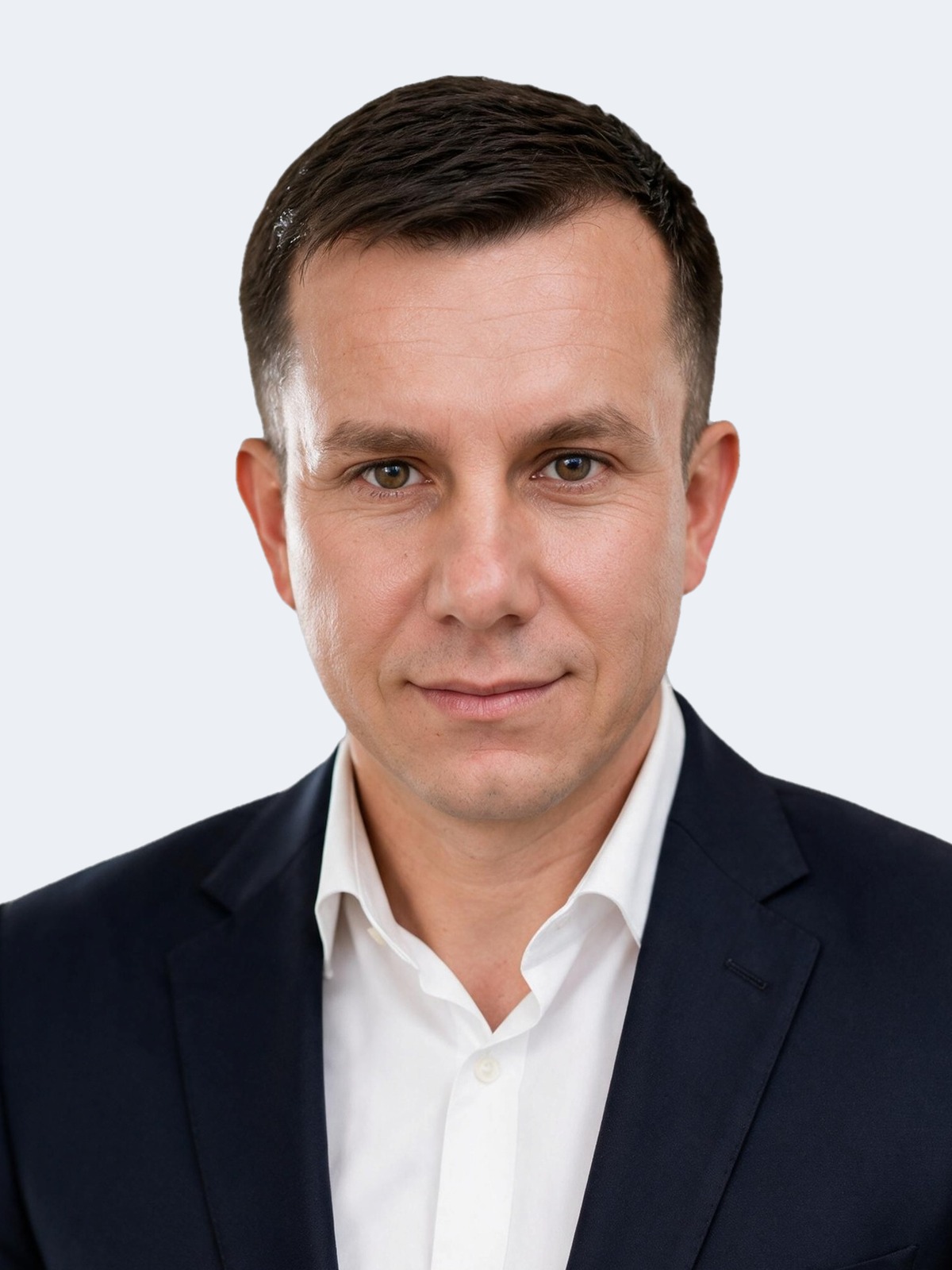
Sergey EvdokimovSergey EvdokimovManaging Partner, BRIDGESReading time9 min readVerificationReviewed by an expert

This case is based on a real matter. The name and certain identifying details have been changed to protect confidentiality.

BRIDGES client story - How to Legally Process Third-Party Payment When the Applicant's Accounts Are Blocked
Contents

Case at a glance

Situation, solution and outcome in seven lines

Client
Applicant with temporarily blocked accounts
Objective
To legally pay the investment contribution through a third party
Program
Saint Kitts and Nevis, Citizenship by Investment
Challenge
Own accounts are blocked; no direct means to pay
Boundary
NOT a method to conceal beneficial owner or source
Solution
Documented relationships + source verification of the payer
Outcome
Payment processed legally; passport obtained

Client story

Client's Story

Where they started

The applicant's accounts became temporarily blocked, and he could not pay the citizenship investment from his own funds. The money itself and his participation were legal—the problem was purely an inability to pay directly at that moment.

Why the standard route did not work

The solution—third-party payment (for example, from a close relative or affiliated company)—but legality is critical here. The strict Saint Kitts program and compliance requirements demand clarity: who is paying, what are their relations with the applicant, and where does the payer's money come from. Third-party payment is not a way to conceal the true beneficial owner or mask the source; on the contrary, everything must be more transparent than usual.

What BRIDGES had to solve

Therefore, we structured the third-party payment according to regulations: we documented the relationship between payer and applicant, established the basis for payment (for example, a gift or loan with corresponding documents), and—crucially—verified the payer's legitimate source of funds. That is, the review saw the complete and honest picture: who the applicant is, who and why is paying for him, where the money comes from. Transparently structured third-party payment passes even strict due diligence.

Why a standard answer would not do

At BRIDGES, the client sought a legal solution: with blocked accounts, to pay the investment through a third party transparently—with source verification and documented relationships, without any gray schemes.

My accounts were temporarily blocked, and I could not pay the investment directly, although the money and my participation are legal. Dmitry suggested third-party payment but immediately set the framework: this is not a way to hide someone; on the contrary—everything is more transparent than usual. We documented the relationship with the payer, verified the source of his funds, and established the basis for payment. The strict Saint Kitts review saw the complete picture, and I was approved. Legally and openly, not through a gray scheme—that is exactly how it should be.


Zayavitel · ApplicantThe name and certain identifying details have been changed to protect confidentiality.

What Was at Risk

What Was at Risk

The risk was not in the legality of participation but in the blocked accounts and the temptation to process payment "quietly." Third-party payment is legal only with complete transparency; an attempt to conceal the beneficial owner or source is a direct path to rejection. The key was to document the relationships and verify the payer's source openly.

That the applicant's accounts were temporarily blocked

  1. 01That third-party payment is possible but only legally
  2. 02That this is NOT a method to conceal beneficial owner or source
  3. 03That documented relationships between payer and applicant are required
  4. 04That the payer's own source of funds is also verified

The logic of the solution

How the matter progressed: from checks to result

The chart is built from the facts of this matter and shows the logic of the work without decorative or unverified data.

  1. 01
    Stage 1

    We identified the nature of the problem. First, we established that the participation and funds were lawful, with the complexity being the inability to pay from blocked accounts at that moment. This guided us toward seeking lawful payment from a third party.

  2. 02
    Stage 2

    We set boundaries for what is lawful. We made clear immediately: payment from a third party is not a way to conceal the beneficial owner or source - on the contrary, it requires greater transparency. This steered the client away from informal schemes.

  3. 03
    Stage 3

    We documented the relationship between parties. We formally confirmed who the payer is and what relationship they have with the applicant (kinship, connection) - so the review would see who is paying and why.

  4. 04
    Stage 4

    We fixed the basis for payment. We documented the basis - gift or loan - with corresponding documents, so the payment would have a clear legal nature.

  5. 05
    Stage 5

    We confirmed the payer's source of funds. We disclosed the lawful origin of the payer's own funds - a key element without which payment from a third party does not pass.

Takeaway. Conclusion: when accounts are frozen, a third party may pay the contribution, but only lawfully - with documented relationships, basis for payment, and confirmation of the payer's source of funds. This is not a way to conceal the beneficial owner, but rather complete transparency.

How we solved the problem

How we solved the problem

The work was split into verifiable stages so that every conclusion rested on documents.

  1. 01

    Stage 1

    We identified the nature of the problem. First, we established that the participation and funds were lawful, with the complexity being the inability to pay from blocked accounts at that moment. This guided us toward seeking lawful payment from a third party.

  2. 02

    Stage 2

    We set boundaries for what is lawful. We made clear immediately: payment from a third party is not a way to conceal the beneficial owner or source - on the contrary, it requires greater transparency. This steered the client away from informal schemes.

  3. 03

    Stage 3

    We documented the relationship between parties. We formally confirmed who the payer is and what relationship they have with the applicant (kinship, connection) - so the review would see who is paying and why.

  4. 04

    Stage 4

    We fixed the basis for payment. We documented the basis - gift or loan - with corresponding documents, so the payment would have a clear legal nature.

  5. 05

    Stage 5

    We confirmed the payer's source of funds. We disclosed the lawful origin of the payer's own funds - a key element without which payment from a third party does not pass.

  6. 06

    Stage 6

    We passed verification and obtained a passport. With the complete picture disclosed, St. Kitts' strict due diligence accepted payment from a third party, and the applicant obtained citizenship - lawfully and transparently, without informal schemes.

Expert comment

Payment from a third party is a lawful instrument, but there are many dangerous misconceptions surrounding it, and I immediately set clear boundaries. There is a real situation: the applicant's accounts are temporarily frozen, they cannot pay from their own funds, yet both the money and participation are absolutely lawful. Then a third party - a close relative, a related company - can pay for them. But this is in no way a method to conceal someone or mask the source - on the contrary, greater transparency is required here than usual, especially in St. Kitts' strict programme. I arrange everything openly: who the payer is and what relationship they have with the applicant, on what basis they are paying - gift or loan with documents, and necessarily where the payer's own funds come from. The review must see the complete, honest picture of who stands behind whom. With this client, we conducted payment from a third party this way - lawfully, with confirmation of source and documented relationships, and they passed strict due diligence. Transparent payment from a third party works; concealed payment is always a risk.

Sergey Evdokimov, Managing Partner, BRIDGESSergey EvdokimovManaging Partner, BRIDGES

Outcome

What the client received

What was required
How we did it · Result
Pay despite account freeze
Lawful payment from a third party · Payment conducted
Transparency only
Documented relationships between parties · Clear visibility of who is paying and why
Confirm the source
Origin of payer's funds · Legality of funds
Obtain a passport
Passing strict DD · St. Kitts citizenship
Obtain a passport
Passing strict DD · St. Kitts citizenship

What was the situation: the applicant's accounts were temporarily frozen, and they could not pay the contribution from their own funds. What we did: identified the nature of the problem; set boundaries for what is lawful; documented the relationship between parties; fixed the basis for payment; confirmed the payer's source of funds; passed verification and obtained a passport. What the client received: lawfully conducted payment from a third party and St. Kitts citizenship.

Practical takeaway

What matters in a similar situation

  • Conclusion: when accounts are frozen, a third party may pay the contribution, but only lawfully - with documented relationships, basis for payment, and confirmation of the payer's source of funds. This is not a way to conceal the beneficial owner, but rather complete transparency.
  • The applicant paid the contribution lawfully - because we arranged payment from a third party transparently, disclosing the relationships, basis, and payer's source of funds, rather than conducting the payment covertly.

FAQ

Questions people ask in a similar situation

01Can a third party pay on behalf of the applicant?

Yes, payment from a third party is possible if, for example, the applicant's accounts are frozen. But only lawfully: with documented relationships, basis for payment, and confirmation of the payer's source of funds.

02Is this a way to conceal the true beneficial owner?

No, it cannot be used as is. Third-party payment requires no less, but greater transparency: the authorities must verify who the applicant is, who is paying and why, and where the payer's funds originate.

03What documentation is required for third-party payment?

Documented evidence of the relationship between payer and applicant, the basis of payment (gift or loan with supporting documents), and confirmation of the lawful source of funds of the payer.

04Will such payment pass Saint Kitts' strict verification?

Yes, if it is completely transparent. With full disclosure of relationships, payment basis, and the payer's source of funds, third-party payment passes even strict due diligence.

05What is the cost of Saint Kitts citizenship?

Non-refundable SISC contribution from $250,000 for a family of up to four persons or real estate from $325,000 or $600,000. Exact conditions are clarified with the authorized authority.

06Accounts are blocked but the contribution needs to be paid?

We will structure lawful third-party payment: document the relationship, payment basis, and payer's source of funds—so the payment passes Saint Kitts' strict verification transparently, without grey schemes.

About the author

Sergey Evdokimov

Author: Sergey Evdokimov

Managing Partner, BRIDGES

As Founder and Managing Partner of BRIDGES, I am responsible for the firm's strategy and personally lead its most complex client matters, including cases in which citizenship or residence decisions require a strategic view and consideration of capital.

I begin by defining the objective: the outcome the client needs, the facts that affect the choice, and the matters that require further review. I then establish the available directions, the sequence of work, and the key decision points.

Once the strategy has been agreed, I oversee the BRIDGES team's key decisions and remain involved at the stages that shape the course of the matter. The purpose is to give the client a clear rationale for the chosen direction and a precise understanding of the next steps.

Prepared on the basis of BRIDGES practice and reviewed by a subject-matter expert.

Discuss your situation with Sergey

We will review your situation and propose a solution

Describe your task in a few words. We will study your situation, assess the legal and practical options and propose the next step based on your goals, documents and country.

Confidential · no obligations · answered by the relevant specialist

Or message us on WhatsApp or Telegram

Dmitry NagyInternational Tax Consultant, BRIDGES
Dmitry Nagy, International Tax Consultant, BRIDGES

Names and certain details have been changed to protect client confidentiality. The result described reflects one specific situation and is neither a public offer nor a guarantee of a similar outcome. Programme terms are stated as of 2026 and may change - please confirm current parameters with a BRIDGES consultant.