Residency · UAE
UAE freelancer visa 2026: the self-employment permit, residency, for Russians
Updated: June 2026·13 min read·Expert reviewed
Terms and costs verified: June 2026
Contents
Who this is for. This article is written for citizens of Russia. Visa, banking, sanctions and dual citizenship rules depend on your passport: for other nationalities they may differ.
The UAE freelancer visa is a combination of two documents: a self-employment permit (freelance permit) and a resident visa for 1-2 years. Through it a designer, programmer, marketer, or consultant legally works in Dubai for themselves, pays 0% income tax, and sponsors family themselves. Remote workers working for a foreign employer have a separate route - the annual remote work visa. And those planning long-term have the 5-year Green Visa. We break down all 2026's options, prices, and nuances for Russians.
The UAE freelancer visa: what it is and what it consists of
The main thing to understand from the start: the "UAE freelancer visa" isn't one document, but a combination of two. Many think one piece of paper is enough, and you can immediately live and work in Dubai. In fact the system is arranged differently, and understanding this logic saves time and money.
To legally work for yourself in the Emirates, a freelancer needs:
- A freelance permit (a self-employment permit)- a license giving the right to conduct professional activity as a freelancer: issue invoices, sign contracts, open a corporate account. Issued by a free zone or the MoHRE ministry.
- A resident visa (residency)- gives the right to live in the country, usually for 1-2 years, and is tied to Emirates ID. Without it, the permit is only the right to work, not the right to stay in the country long-term.
These two documents are generally arranged in one package: you get the permit, open the resident visa for it, pass a medical exam, and get Emirates ID. Only after this is status considered complete. A Dubai freelance permit with no visa makes sense only for those already a resident on another basis (for example, a family member of a visa holder) who wants to legalize side work.
Option, term, condition: a comparison of all routes
A self-employed person in the UAE has several paths in 2026, and the choice depends on who you work for, how much you earn, and how long you plan to stay. Let's gather all the options into one table - this is the framework we'll build from next.
| Option | Term | Key condition |
|---|---|---|
| A freelance permit + a resident visa | 1-2 years | Self-employment in an approved profession through a free zone or MoHRE |
| The remote work visa (Virtual Work Residence) | 1 year | Working for a foreign employer, income from ~$3,500/month |
| Green Visa (freelance/self-employment) | 5 years | A freelance permit + income and qualification per requirements |
| Golden Visa | 10 years | For outstanding talents, investors; not the basic freelancer route |
In short: work for yourself and take local and foreign clients - your path isfreelance permit. Working remotely for one foreign company - simplerthe remote work visa. Want stability for years ahead and qualify by income - look towardthe 5-year Green Visa. A detailed breakdown of all visa types for living in the country is in our guide onUAE visa types.
Freelance permit: the self-employment permit through free zones
The basic and most popular route is arranging a freelance permit. This is a professional license making your self-employment official. With it you're legally clean: you can invoice clients worldwide, sign contracts, open a bank business account, and sponsor family members' visas.
Two types of bodies issue such permits:
- Free zones- the most common option. Each free zone specializes in its own activity types and offers turnkey "permit + visa" packages.
- MoHRE (the Ministry of Human Resources)- issues freelance permits for working on the mainland, this is a separate track for a number of professions.
The key convenience of free zones is that they don't require a physical office: the permit includes a registered address, and you work from home or a coworking space. This sharply lowers the entry cost compared to opening a full-fledged company. The free zone model itself, its advantages, and tax regime are described in detail in the article onUAE free zones.
A Dubai freelance permit is arranged for a specific professional field - you indicate the activity type (for example, graphic design, development, consulting), and the permit is issued exactly for it. The field can be expanded or changed, but this is a separate procedure.
Which free zones issue freelance permits and who they suit
There are dozens of free zones in the UAE, and it's important for a freelancer to choose the one geared toward their profession and budget. The spread in price and set of activity types is large, so it's worth orienting not on "the most famous", but "the one suited specifically to you".
The platforms most in demand among freelancers:
- GoFreelance (TECOM / Dubai)- a specialized platform for freelancers from the TECOM group. Covers media, IT, education, marketing, design, consulting. Considered one of the most affordable entries with a Dubai address.
- Dubai Media City / Dubai Internet City- historically strong in media, content, digital, and IT.
- IFZA (Dubai)- a universal zone with a wide list of activities and competitive packages.
- DMCC- a large and prestigious zone, more expensive, more often chosen for trading and serious business, but freelance options exist too.
- RAKEZ (Ras Al Khaimah) / SHAMS (Sharjah)- budget zones in other emirates, attractive in price for those to whom a Dubai address specifically isn't critical.
The zone choice affects three things: cost, the list of permitted professions, and the address's reputation (which sometimes matters for banks and clients). There's no universal answer - the optimal platform is better selected for the specific activity and income plan.
The UAE visa for remote workers: Virtual Work Residence
A separate story is those who don't run a client practice, but work for one foreign company from Dubai. For them the UAE has a special document -the remote work visa (Virtual Work Residence), also often called the digital nomad visa. This isn't a freelance permit: you don't open a license, but legalize exactly remote employment for an employer outside the Emirates.
What's important to know about this visa in 2026:
- Term- 1 year, with the possibility of renewal.
- Who it's designed for- employees and business owners whose employer or company is registered outside the UAE.
- The income threshold- requirements were tightened in 2026: for employees approximately from ~$3,500/month, for business owners - from ~$5,000/month plus confirmation of owning the company for at least a year.
- Proof of income- account statements are now needed for6 months(three used to be enough), showing stable inflows.
- Medical insurance- coverage requirements were raised, the benchmark - a policy for a large sum (around 500,000 AED of coverage).
This visa is convenient in that it doesn't require registering a license in the UAE and fits IT specialists, designers, managers on permanent remote work. But it's tied to one income source - the employer, and doesn't give the right to legally take local clients as self-employed. A freelance permit is exactly what's needed for that.
We will find the right basis for residency in the UAE
We calculate the budget and timing for your family and list the documents you need.
Green Visa: five-year residency for freelancers
If a freelance permit with a 1-2 year visa is the "working minimum", Green Visa is about stability for years ahead. This five-year resident visa was specially created, among others, for qualified freelancers and self-employed people, and its main plus is that it doesn't require a sponsoring employer: you sponsor yourself.
What makes Green Visa interesting for a freelancer:
- A 5-year terminstead of annual or two-year renewal - less bureaucracy and more planning horizon.
- Self-sponsorship- no tie to an employer company needed, the status holds on your own activity.
- Family sponsorship- the holder can arrange visas for a spouse and children, as well as parents, under more flexible conditions than a regular work visa.
- Basis- for the freelance track, a valid freelance permit from MoHRE/a free zone, confirmed qualification (generally a diploma), and income at the required level are needed.
Green Visa is a logical next step for a freelancer already established in the UAE, who's reached stable income and wants to stop fussing with renewal every year. The conditions, thresholds, and documents for this route are covered in detail in a separate guide onUAE Green Visa.
The cost of the UAE freelancer visa in 2026
Money is the first question for almost everyone. right away: an exact turnkey figure can't be given, because it depends on the free zone, service set, and current tariffs. But the order of figures for 2026 can be given, so you understand the real budget.
What the cost consists of in the first year (approximately):
- The freelance permit itself- from ~7,500 AED/year (~$2,040) at budget platforms like GoFreelance; noticeably higher in premium zones.
- A resident visa + Emirates ID- arranging the visa, a medical exam, biometrics, issuing the ID.
- Medical insurance- mandatory, the cost depends on age and coverage.
- The Establishment Card and administrative fees- one-off free zone fees.
In total, the first-year entry for the budget package (permit + visa + medical exam + ID + basic insurance) approximately fits into ~12,000-16,000 AED (~$3,270-4,360). Premium zones and extended packages will cost more. From the second year, expenses are usually lower - some fees are one-off.
This is a serious argument for the freelance route: full-fledged UAE residency with zero income tax costs less than opening a company with an office. At the same time, the specific estimate for your profession and needed free zone is worth calculating individually - it's easy to save on, or conversely, overpay.
Conditions and requirements: who can get the freelancer visa
Let's break down who has access to the UAE self-employment permit and what needs preparing. Requirements differ in details among free zones, but the basic framework is common.
The main conditions for a freelance permit:
- Adulthood and a valid foreign passportwith sufficient validity.
- A profession from the approved list- the activity must fall under the list of freelance-permitted types (media, IT, design, marketing, education, consulting, etc.).
- Confirmation of qualification or experience- a diploma, a portfolio, reference letters, or work experience in the field.
- No criminal record- a background check.
- A medical exam- a fitness test for arranging the resident visa.
Conditions for the remote work visa are different: the key there is an employment contract or owning a company outside the UAE and confirmed income above the threshold (statements for 6 months). For Green Visa, qualification and income level requirements are added.
Separately, let's emphasize: the freelance permit is arranged for a specific activity field. If several directions are planned, this needs accounting for when choosing the package and activity types - otherwise extra payment will be needed for expansion.
Sponsoring family: how to relocate a spouse and children
A big plus of the freelancer's resident visa is that you become the sponsor for your family. This means after getting your own visa and Emirates ID, you can arrange residency for a spouse, children, and, under certain conditions, parents.
What's important to know about sponsorship:
- Your own visa first.Family can be sponsored only after your own resident visa is active and Emirates ID is obtained.
- Income confirmation.For family sponsorship, a sufficient income level usually needs showing - authorities want to see you're able to support dependents. Specific thresholds depend on the family composition.
- Housing.Generally a lease agreement or owned housing (Ejari in Dubai) is required as confirmation of having a residence.
- Children- sponsored as dependents; there are nuances for boys above a certain age and adult daughters.
Green Visa is more flexible in this regard than the regular freelance visa: it gives expanded family sponsorship possibilities and a longer horizon. For a family freelancer planning to settle in the UAE long-term, this is a weighty argument in favor of the five-year status.
A freelancer's taxes in the UAE: 0% on individuals' income
The tax regime is one of the main reasons freelancers and remote workers come specifically to the UAE. There's no personal income tax here: your earnings as a freelancer remain fully with you, with no income tax deduction.
What's important to understand about taxes in 2026:
- Personal income tax - 0%.Salary, fees, freelance income aren't subject to personal income tax.
- Corporate tax - 9%on profit above 375,000 AED a year. This isn't relevant for most freelancers with small turnover, but the structure is worth calculating as income grows.
- VAT - 5%applies upon exceeding the turnover threshold for mandatory registration; a small freelancer generally doesn't need to register.
- No taxeson capital gains and inheritance for individuals.
An important caveat: zero tax in the UAE doesn't cancel your obligations in your tax residency country. If you remain a tax resident of another country, income may be subject to declaration there. A sound move includes changing tax residency, and this question is better worked through in advance. Details of the regime are covered in the article onUAE residency and visas.
The UAE freelancer visa for Russians: what's important to know
Let's dwell separately on Russian citizens, because they have their own nuances - both good news and points requiring attention.
Good news:
- The route is fully available.Russian citizenship doesn't close the door to a freelance permit, a resident visa, Green Visa, or a remote work visa. Russians actively arrange all these statuses.
- Visa-free entry.For an initial arrival, Russians have access to visa-free entry for 90 days within six months (tourism, a regular foreign passport) - this is enough to fly in and launch the arrangement.
- 0% income taxworks for all residents regardless of citizenship.
What to pay attention to:
- Banking compliance.The main difficulty for Russians isn't the visa, but opening a bank account. UAE banks run enhanced checks (KYC/AML), request the source of funds, and approach Russian citizens attentively. Everything is strictly within the law, with no workaround schemes and no sanctions risks.
- The source of income.Transparent income confirmations will be needed for the account and the remote work visa - statements, contracts with clients or the employer.
In practice Russians successfully go through this path - it's only important to correctly prepare documents and choose a bank loyal to your profile. More on statuses and residence for Russian citizens - in the guide onUAE visas for Russians.
The arrangement procedure: step by step
For clarity on how it all happens in practice, let's lay out arranging the freelance permit with the resident visa step by step. Timeframes are approximate - much depends on the free zone and government body workload.
- Step 1. Choosing the free zone and activity type.We determine which zone suits the profession and budget, choose activities for the permit.
- Step 2. Filing documents and arranging the permit.A foreign passport, a photo, qualification confirmation, an application. The free zone issues the freelance permit and Establishment Card.
- Step 3. The entry permit.An entry document is arranged for the visa, giving the right to start the residency procedure.
- Step 4. The medical exam and biometrics.A fitness medical test, submitting biometrics for Emirates ID.
- Step 5. The resident visa and Emirates ID.The visa is stamped/attached, Emirates ID is issued - the status becomes complete.
- Step 6. The bank account and family.We open a corporate/personal account, launch sponsoring a spouse and children if needed.
The whole process, with smooth operation, takes from a few weeks to one and a half to two months. The main points where time is lost - an incorrectly selected free zone, an incomplete document set, and delaying opening the account. So preparation is better done in parallel and with a clear checklist.
Common mistakes when arranging a self-employment visa
Over years of practice it's clear that freelancers are let down not by exotic reasons, but by the same typical mistakes. Let's break them down so you don't lose money and time.
- Confusing the permit and the visa.They arrange the permit, thinking it's already the right to live in the country, and don't complete the resident visa. A permit with no visa doesn't give long-term residence.
- They take the remote work visa for a client practice.This visa is for one foreign employer. Taking local clients as self-employed under it isn't allowed - a freelance permit is needed for that.
- They choose the free zone "by fame", not by profession.They overpay for a prestigious address where a budget zone would fit, or the opposite - take a cheap zone that doesn't have the needed activity.
- Underestimating bank compliance.Especially Russians: the visa is there, but the account can't be opened because of unprepared source-of-funds documents.
- They forget about tax residency back home.0% in the UAE doesn't cancel obligations in the former country if residency hasn't been changed.
Most of these mistakes are solved at the start by a sound route choice and document preparation. The earlier the strategy is built, the cheaper and faster the path.
We will send a document checklist for your case
Leave your details: we will put together documents and timelines for your family.
Which route to choose: an expert's view
Let's sum up with practical advice on the principle for choosing an option - this is exactly the question most often asked at the first meeting.
- Taking clients yourself (a freelance practice)- your basic path is a freelance permit + a resident visa for 1-2 years. A budget entry, full independence.
- Working for one foreign company remotely- the remote work visa (Virtual Work Residence) for 1 year is simpler and often cheaper, if you qualify by income.
- Established in the UAE, income stable, planning long-term- look at Green Visa: 5 years, self-sponsorship, convenient family sponsorship.
- An outstanding specialist or major investor- a 10-year Golden Visa is possible, but this isn't the basic freelance route.
All routes give the main thing - legal residency and 0% income tax. The difference is in cost, term, and flexibility. Current official requirements and forms are always worth checking at the UAE government portalu.ae, and the specific strategy for your profession, income, and family composition - worth calculating individually.
Frequently asked
Questions people ask before deciding
01What is the UAE freelancer visa and what does it consist of?
This is a combination of two documents: a freelance permit (a self-employment permit) and a resident visa for 1-2 years, tied to Emirates ID. The permit gives the right to legally work for yourself, and the visa - the right to live in the country. They're generally arranged in one package through a free zone or MoHRE.
02How much does the freelancer visa in Dubai cost in 2026?
The freelance permit itself costs from ~7,500 AED/year (~$2,040) at budget platforms like GoFreelance. Accounting for the resident visa, medical exam, Emirates ID, and basic insurance, the first-year entry approximately fits into ~12,000-16,000 AED (~$3,270-4,360). Premium free zones will cost more.
03How does the remote work visa differ from a freelance permit?
The remote work visa (Virtual Work Residence, 1 year) - for those working for one foreign employer or running their own company outside the UAE. A freelance permit - for self-employed people who take clients themselves, including local ones. A client practice within the UAE can't be run under the remote worker's visa.
04What income is needed for the remote work visa in the UAE in 2026?
Requirements were tightened in 2026: approximately from ~$3,500/month for employees and from ~$5,000/month for business owners. Additionally, 6-month account statements (previously 3) and medical insurance with elevated coverage (around 500,000 AED) are required.
05Is the UAE freelancer visa available to Russians?
Yes, fully available - Russian citizenship doesn't close access to a freelance permit, a resident visa, Green Visa, or a remote work visa. For an initial arrival, Russians have access to visa-free entry for 90 days. The main difficulty isn't the visa, but opening a bank account because of enhanced bank compliance.
06Through which free zones can a Dubai freelance permit be arranged?
Popular ones are GoFreelance (TECOM), Dubai Media City and Dubai Internet City (media, IT), IFZA (universal), DMCC (prestigious), as well as budget RAKEZ in Ras Al Khaimah and SHAMS in Sharjah. The zone choice affects cost, the list of permitted professions, and the address's reputation with banks.
07Is a physical office needed for a freelance permit?
No. A free zone's freelance permit doesn't require a physical office - the permit includes a registered address, and you work from home or a coworking space. That's exactly why the freelance route is noticeably cheaper than opening a full-fledged company with an office lease.
08Does a freelancer pay income tax in the UAE?
No, personal income tax in the UAE is 0%, a freelancer's income remains fully with them. 9% corporate tax applies to profit above 375,000 AED a year, 5% VAT - upon exceeding the turnover threshold. At the same time, zero tax in the UAE doesn't cancel obligations in the country where you remain a tax resident.
09Can family be relocated under the freelancer visa?
Yes. After activating their own resident visa and getting Emirates ID, the freelancer becomes a sponsor and can arrange residency for a spouse and children, and, under conditions, parents. Confirmation of sufficient income and having housing (an Ejari lease agreement in Dubai) is usually required. Green Visa gives more flexible family conditions.
10What is Green Visa and does it suit a freelancer?
Green Visa is a 5-year resident visa, including for qualified freelancers and self-employed people. Its plus is self-sponsorship (no employer needed) and convenient family sponsorship. For the freelance track, a valid freelance permit, confirmed qualification, and income at the required level are needed.
11How long does the UAE freelancer visa take to arrange?
With smooth operation - from a few weeks to one and a half to two months. Stages: choosing the free zone and activity types, issuing the permit, the entry permit, the medical exam and biometrics, the resident visa and Emirates ID, opening the account. Time is most often lost on an incorrect zone choice and an incomplete document set.
12Does the freelancer visa give UAE citizenship?
No. The freelancer visa, Green Visa, and Golden Visa are residence permits, not a passport. UAE citizenship can't be bought: it's granted only by decree of the authorities for exceptional individuals or through very long naturalization. There's no citizenship-by-investment program in the UAE. Under a freelance permit arranged for your professional field, local clients can be legally taken; under the remote work visa - no, it's tied to a foreign employer.
Transparency
How this material was prepared
- Author
- Sofia Mendes, investment Programs Expert, BRIDGES
- Terms and costs last verified
- June 2026
- Sources
- official government authorities of the relevant country and state publications
- Methodology
- government minimum requirements are stated separately from due diligence charges, state fees, legal and banking costs
Sources and methodology
Figures, terms and timelines are checked against official sources as of June 2026. Link availability verified in August 2026. Third-party blogs and agent websites are not used as a source of programme terms.
- [1]Federal Authority for Identity, Citizenship, Customs and Port Security (ICP)Visas, residence statuses, Emirates IDicp.gov.ae/en
- [2]Official portal of the UAE GovernmentGolden visa and residence visasu.ae/en/information-and-services/visa-and-emirates-id/residence-visas/golden-visa
Methodology: tables and charts state government minimum investment requirements; due diligence charges, state fees, legal, banking and other costs are calculated separately and are not included in the minimum thresholds.
About the author
Related materials
What to read next
 ArticleUAE citizenship by investment in 2026: is there a program and what really works?
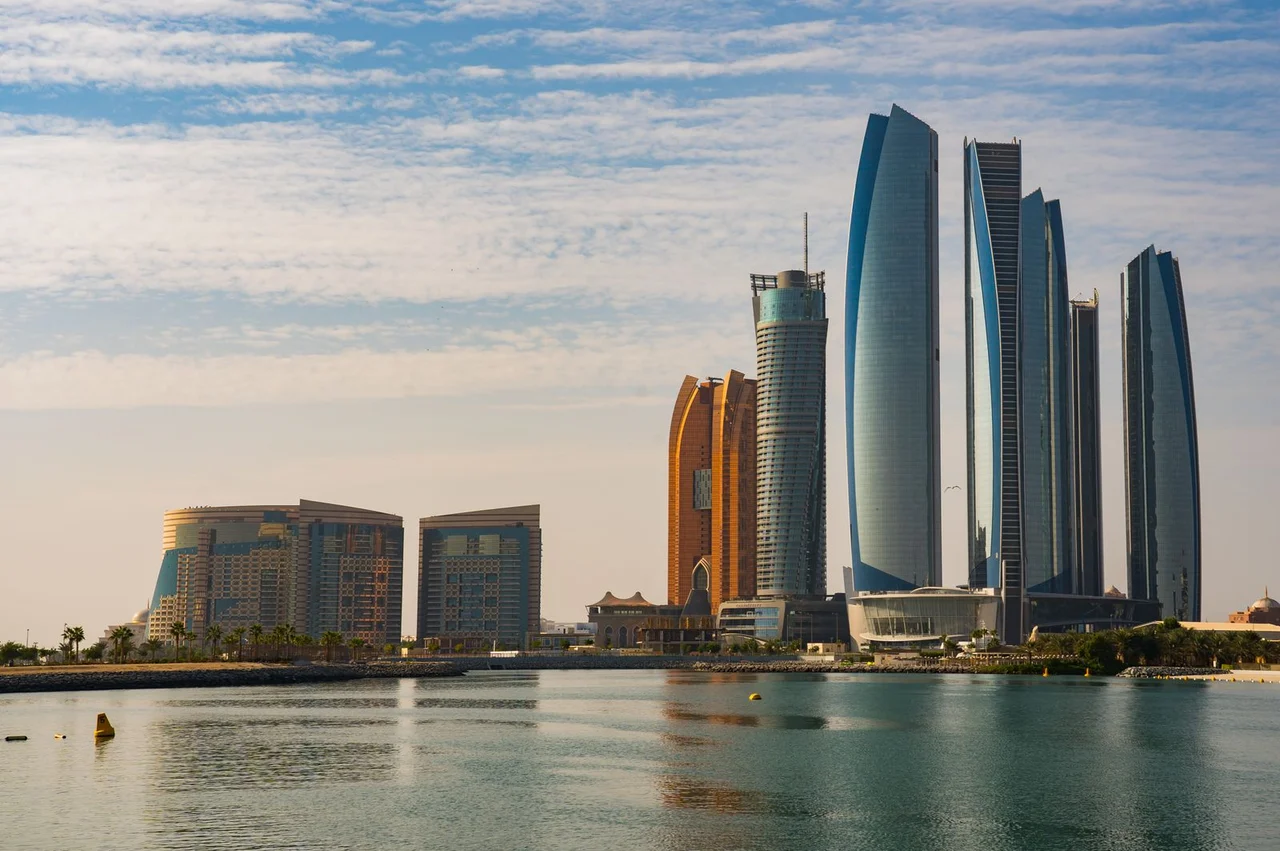 ComparisonDubai or Abu Dhabi in 2026: where to live, work and buy property
 AnalysisWhat is due diligence and why the Caribbean is rejecting applications
Personal programme selection is conducted by Anna Kovalevskaya, Head of Legal, BRIDGES.
Residency in UAE: timelines and requirements
Grounds, document list, presence requirements and what is needed for renewal.