Residency · UAE
A UAE offshore company 2026: RAK ICC, JAFZA Offshore for holding and assets

Updated: June 2026·12 min read·Expert reviewed
Terms and costs verified: June 2026

Contents
A UAE offshore company isn't a way to get a visa and not a tool for trading in the local market. It's a legal shell for holding: owning shares, stakes, property in permitted zones, and intellectual property, conducting international trade outside the UAE, and holding assets under one roof. The two main regimes are RAK ICC and JAFZA Offshore. We break down how offshore differs from a free zone, what it can and categorically can't do, how 0% tax on foreign income works, and why registration remains fast in 2026, while opening an account is the longest and most unpredictable stage.
What a UAE offshore company is and why it's needed
Let's start with a definition, because many myths have accumulated around the word "offshore". A UAE offshore company is a legal entity registered in a special corporate center (RAK ICC or JAFZA Offshore), created not for trading within the country, but for owning assets and conducting operations outside the UAE. Essentially it's a container: it holds shares of other companies, business stakes, bank accounts, property in permitted zones, patents, and trademarks. It produces and sells nothing itself on the local market - it holds.
Why does a wealthy person or entrepreneur need this? To consolidate scattered assets under one structure in a politically stable, tax-free jurisdiction with clear English law. Offshore in Dubai or Ras Al Khaimah solves three typical tasks: holding (owning stakes in operating companies worldwide), asset protection and separation, and international trade, where goods don't cross the UAE border.
It's important to separate two concepts right away. If you need a visa, an office, and the right to work the local market - that's not offshore, but a free zone or mainland company. We keep a detailed breakdown of all formats in the guide onregistering a company in the UAE. Offshore is a narrowly specialized tool, and it needs applying strictly for its intended purpose.
RAK ICC and JAFZA Offshore: two offshore regimes
The UAE historically had several offshore jurisdictions, but by 2026 two regimes work in practice. These are RAK ICC (RAK International Corporate Centre in the Ras Al Khaimah emirate) and JAFZA Offshore (the offshore regime of the Jebel Ali free zone in Dubai). Both give 100% foreign ownership, don't require a physical office and staff in the UAE, ensure confidentiality, and don't tax foreign income. But there are fundamental differences between them that determine the choice.
RAK ICC- a more flexible, faster, and more affordable option. A minimum of one shareholder and one director, registration takes a matter of days. This is the workhorse for holding international assets, owning shares and intellectual property, for trading companies outside the UAE. RAK ICC can own UAE property, but a no-objection certificate (NOC) is needed for each deal - around 1,250 AED per property.
JAFZA Offshore- a "heavier" and stricter regime, but with one unique advantage: it's the only offshore jurisdiction officially allowed to own freehold property in Dubai directly through the Dubai Land Department (DLD). Requirements are stricter: at least two directors, a mandatory company secretary. If the key goal is holding Dubai property through offshore, the choice almost always falls on JAFZA.
Offshore versus a free zone: the main difference is the visa
This is a confusion that costs people money and nerves. Many come with the request "open me an offshore in Dubai so I get a visa" - and here it's worth stopping right away. An offshore company doesn't give a visa. Neither to the owner, nor the director, nor family members. This is its fundamental difference from a free zone company.
The difference in the two tools' logic:
- A free zone- this is an operating company. It gets a trade license, can conduct activity within its zone, hire employees, rent an office, and, most importantly, gives a resident visa to the owner and their family. We write in detail about how this works in the article ona UAE free zone company.
- Offshore- this is a holding shell. It doesn't get a trade license for the local market, can't hire staff in the UAE, doesn't give a visa, and has no physical office. But it's cheaper, registers faster, and fits better for passive asset ownership.
The practical conclusion is simple. If you need to live in the UAE, have Emirates ID, and do business - open a free zone. If you need to consolidate assets and optimize the ownership structure with no claim to residency - offshore. A sound scheme often combines both: an offshore holding on top owns stakes in an operating free zone below. We break down the alternative scenario with registering an operating company in the guide onregistering a company in Dubai.
What offshore in the UAE is really used for: a table
For maximum clarity on what offshore can and can't do, let's gather it all into one table. The left column - the legal purpose of use, the right - the key limit that mustn't be forgotten. This is a portrait of the tool: it's powerful in its niche and useless outside it.
| Offshore is used for | The key limit |
|---|---|
| Holding - owning shares and stakes in companies worldwide | Doesn't itself conduct operating activity; no visa is issued |
| Owning property in permitted UAE zones | JAFZA - Dubai freehold through DLD; RAK ICC - through an NOC; rental income in the UAE is taxed at 9% |
| Owning intellectual property (patents, brands, software) | Licensing IP into the UAE requires analysis for corporate tax and ESR |
| International trade outside the UAE | Goods mustn't reach the UAE domestic market or be sold to local clients |
| Asset protection and separation | A UBO registry is kept, data is disclosed to regulators, though closed from the public |
| Opening a corporate bank account | The account is discretionary, opening takes 4-10 weeks, enhanced compliance |
The main rule: offshore lives outside the UAE domestic market. As soon as the company starts selling something to local clients, hiring people in the UAE, or conducting real activity here - it's already a scenario for a free zone or mainland, and the structure needs changing.
Offshore for holding: owning shares and stakes
The most classic and logical use of offshore is the holding function. Imagine an entrepreneur with an operating company in Europe, a stake in an Asian startup, a trading firm in a UAE free zone, and a securities portfolio. Holding all this directly on an individual means scattering management, complicating inheritance, and losing flexibility. A UAE offshore company gathers these assets under one roof.
What a holding structure based on RAK ICC or JAFZA Offshore gives:
- A single ownership point.Stakes in different jurisdictions are registered to one company - simpler to manage, simpler to transfer, simpler to structure deals.
- Tax efficiency.Foreign dividends and capital gains are taxed at 0% when Participation Exemption conditions are met. Money within the structure doesn't "melt away" with each movement.
- A stable jurisdiction.English common law at the base of the corporate regime, political stability, the UAE's neutral status on the international stage.
- Inheritance flexibility.Transferring the company's shares to heirs is technically simpler than redoing each asset separately in different countries.
If holding is your main task, it's worth comparing the offshore shell with a free zone-based holding, which also gives residency. We break down the subtleties of choosing a structure for capital for CIS entrepreneurs in the article onbusiness in the UAE for Russians.
We will find the right basis for residency in the UAE
We calculate the budget and timing for your family and list the documents you need.
Owning property through offshore: JAFZA versus RAK ICC
One of the most common requests is to register UAE property not to yourself, but to a company. The reasons vary: asset separation, inheritance convenience, structuring several investors' joint ownership. And here the difference between the two regimes becomes decisive.
JAFZA Offshore- the only offshore jurisdiction the Dubai Land Department (DLD) officially allows to own freehold property in Dubai directly. The Title Deed is registered to the offshore company. At the same time, DLD requires appointing a contact person - a Dubai resident. This is the cleanest and most recognized way to hold Dubai property through a corporate structure.
RAK ICCcan acquire and hold property in the UAE, including Dubai, Abu Dhabi, and Ras Al Khaimah, but the mechanism is different: RAK ICC issues a no-objection certificate (NOC) costing about 1,250 AED per property for each deal, and the set of permitted zones depends on the specific emirate's rules.
A key tax nuance of 2026: the 0% benefit concerns foreign income. But income received from property within the UAE (for example, rental payments) is taxed with 9% corporate tax. That is, owning through offshore by itself doesn't make the UAE rental flow tax-free. This is important to budget into the return calculation in advance.
What offshore categorically can't do
This section is worth rereading twice, because it's exactly misunderstanding the limits that leads to problems - from blocked accounts to fines. A UAE offshore company is arranged to work outside the country, and any attempts to use it "inside" violate the regime's very meaning.
What offshore can't do in principle:
- Doesn't give a visa and residency.Neither the owner, nor the director, nor family. A free zone or mainland is needed for a visa.
- Doesn't work the UAE domestic market.Goods and services can't be sold to local clients, contracts with UAE companies can't be signed for activity within the country.
- Doesn't hire staff in the UAE.Resident employees can't be registered to offshore - it has no license and quotas for this.
- Has no physical office.The legal address is provided through a registered agent, offshore has no real premises.
- Doesn't conduct banking and insurance activitywith no separate special licensing.
A simple rule follows from this: offshore is an ownership and international operations tool, not a UAE presence tool. As soon as the business model implies real activity in the country, a move to a free zone or mainland is needed, leaving offshore in the role of a holding over them.
Who offshore in the UAE suits and who it doesn't
To avoid wasting time on unworkable scenarios, let's lay out clearly who this tool is created for and who should look elsewhere.
Offshore fits if you:
- hold stakes in several companies in different countries and want to gather them under a single holding;
- plan to own property in Dubai through a corporate structure (then it's JAFZA Offshore);
- conduct international trade where goods don't cross the UAE market;
- own intellectual property and want to move it to a neutral jurisdiction;
- don't claim a UAE resident visa and value speed and low cost.
Offshore won't fit if you:
- want to get a visa and Emirates ID - that's a task for a free zone;
- plan to trade or provide services within the UAE;
- are going to hire employees and open a real office in the country;
- count on "full anonymity" from the state - it doesn't exist.
For most entrepreneurs, not "either-or" but a combination turns out optimal: an operating free zone for activity and the visa plus an offshore holding on top for ownership. Which exact configuration to choose is a matter of individual calculation for the capital structure and tax, inheritance, and asset protection goals.
Common mistakes when opening offshore in the UAE
Over years of practice we see people let down not by rare mishaps, but by the same typical misconceptions. Let's break them down so you don't repeat someone else's path.
- Expecting a visa from offshore.The most common mistake. Offshore doesn't give a visa - a free zone is needed for residency. If the goal is the visa, the format was chosen wrong from the start.
- Trying to trade within the UAE.Using offshore for sales to local clients violates the regime and threatens problems with the regulator.
- Underestimating banking.Registering in 5 days creates a false sense of ease. The account is 4-10 weeks and a real refusal risk. Budget time and backup banks.
- Forgetting about the FTA and ESR."0% tax" doesn't mean "file nothing". Tax registration and economic presence notifications are mandatory.
- Counting on 0% for rent in the UAE.Income from property within the country is taxed at 9% - offshore doesn't cancel this.
- Ignoring the source of funds.The account can't be opened without a clean and confirmed capital history, especially for citizens of countries under enhanced compliance.
Most of these traps are easy to avoid if the structure is built correctly the first time and offshore isn't treated as a universal solution to all tasks.
An expert's view: how not to make a mistake with the regime
The most valuable advice we give clients at the first meeting is not to start with the question "how to open offshore", but with the question "what do I want to get". The answer determines whether offshore is needed at all or a completely different tool solves the task. Below is a short checklist we run before any registration.
- Is a visa needed?If yes - offshore falls away, we look at a free zone.
- Where's the income source?Within the UAE - offshore doesn't fit. Outside the UAE - it fits and gives 0%.
- Will there be property in Dubai?If yes - this is JAFZA Offshore, not RAK ICC.
- Is the source of funds ready for a check?The account won't open without this, however fast registration went.
This filter saves months and money. Current rules are always worth checking both at the official portal ofthe UAE government (u.ae), and with a specialist who's seen dozens of real cases.
We will calculate the budget for your family
A full estimate: contributions, fees and our work for your family.
Conclusion: offshore as a precise tool, not a panacea
A UAE offshore company isn't a "magic pill" and not a way to hide from the whole world. It's a precise, narrowly specialized tool for owning assets and international operations outside the UAE. In its niche it's strong: 0% on foreign income, English law, political stability, confidentiality from the public, fast registration, and low cost. Outside the niche - it's useless and even harmful if applied for the wrong purpose.
Remember three anchor points. First: offshore (RAK ICC or JAFZA Offshore) doesn't give a visa and doesn't work the UAE domestic market - that's a task for a free zone or mainland. Second: 0% concerns foreign income, income within the UAE is taxed at 9%, and FTA registration is mandatory for everyone. Third: registration is fast, but the bank account is a long and discretionary stage that needs preparing for in advance.
The optimal strategy for most is not to choose "offshore or free zone", but to design the structure as a whole: sometimes one offshore holding is enough, sometimes a combination of an operating free zone and offshore over it is needed. Formats can be compared and a configuration selected for your goals in the articles ona UAE free zone companyand registering a company in the UAE.
Taxes: when it's 0% and when 9%
Offshore's main magnet is the tax rate. But in 2026 the picture is no longer as black and white as sometimes painted, and it's important to understand the nuances to avoid getting caught out.
The basic logic is this:
- 0% on foreign income.If income is entirely received outside the UAE and the company has no permanent establishment within the country, UAE tax doesn't apply. For most holdings receiving qualifying dividends and capital gains, the practical rate equals zero thanks to Participation Exemption.
- 9% on income within the UAE.Income whose source is in the UAE - primarily rental payments from local property - is taxed with corporate tax at the general rate of 9% on profit above 375,000 AED.
- FTA registration is mandatory for everyone.This is critical: even if the company pays not a single dirham of tax, it must register with the Federal Tax Authority (FTA) and file reporting. The corporate tax law applies to all persons registered in the UAE, including offshores.
Separately keep two factors in mind. First - Economic Substance Regulations (ESR): companies conducting "relevant activity" must file an annual notification and, if needed, demonstrate economic presence. Second - Pillar Two: a minimum effective tax of 15% applies to large international groups with global turnover from 750 million euros. For an ordinary private holding this isn't relevant, for large structures - a mandatory analysis point. All this is better calculated together with specialists inUAE corporate structuresbefore registration, not after.
"The first thing I explain to clients about offshore in the UAE: it's an ownership tool, not a presence one. RAK ICC and JAFZA Offshore are created to hold assets and conduct operations outside the country - shares, stakes, property, intellectual property. They don't give a visa, don't work the UAE domestic market, and don't hire staff here. If a person comes with a request to get residency through offshore, I immediately turn the conversation to a free zone - that's a different format for a different task. And second, what I always warn about: a company can be registered in a few days, but opening a bank account is weeks of checks and a real refusal risk. Compliance in 2026 rewards a transparent structure with a clear source of funds, not an attempt to hide. So we prepare for the bank in advance, and design the structure for the specific goal - holding, property, or trade - not the other way around."
Confidentiality and the UBO registry in 2026
Privacy is the second most popular reason to choose offshore. And here too it's important to separate reality from outdated notions of "anonymous companies", which have long ceased to exist.
How things stand in 2026:
- Data is closed from the public.Information about the offshore company's shareholders, directors, and beneficiaries isn't published in a public registry and isn't directly available to third parties. An outsider can't "look up" the owner through a public database.
- But regulators see everything.A register of ultimate beneficial owners (UBO) is kept, and data is disclosed to government bodies, the registration agent, and the bank. There's no anonymity from the state - there's confidentiality from the public.
- UBO reporting has tightened.Beneficial ownership disclosure requirements in 2026 are stricter than before: this is part of the global trend toward transparency for regulators.
a conclusion: offshore in the UAE gives privacy from the market and curious eyes, but doesn't give and shouldn't give shelter from the law. Modern compliance is built so banks and authorities know who's behind the company. This is normal and correct - it's exactly why the structure remains "clean" and suitable for serious banking service.
The bank account: the longest and hardest stage
Here lies the main surprise for those expecting instant speed in everything from the UAE. Offshore can be registered in a few days. But opening a bank account for it is a separate quest that takes many times longer and far from always ends in success on the first attempt.
What's important to know about banking in 2026:
- Timelines.Opening an account genuinely takes from 4 to 10 weeks depending on the bank and the structure's complexity. This is the longest stage of the whole project.
- Discretion.The bank isn't obligated to open an account. The decision remains with the bank, and formal compliance with requirements doesn't guarantee approval.
- Enhanced compliance.The UAE Central Bank and international AML/CFT standards make an offshore account a heightened-attention tool. The bank studies the source of funds, the ownership structure, and the operations' economic sense.
- Substance matters more than secrecy.2026's banks reward a clear, transparent structure with real economic sense, not a desire to hide.
All operations are strictly within the law, with no sanctions bypass and no dubious schemes. For Russian citizens and a number of other countries, the process is harder: not every bank opens an account, the source-of-funds check is stricter. So it's better to plan opening the account in advance, prepare capital-source documents, and be ready for several attempts at different banks.
We will send a document checklist for your case
Leave your details: we will put together documents and timelines for your family.
Conditions and the offshore registration process
Let's gather the practical framework: what's needed to register offshore in the UAE, and how the process works. Compared to a free zone or mainland, this is the easiest-entry format.
Basic conditions:
- Structure.RAK ICC - at least one shareholder and one director. JAFZA Offshore - at least one shareholder, two directors, and a mandatory company secretary.
- A registered agent.Offshore must act through a licensed registration agent, who provides the legal address, communicates with the registry, and maintains compliance. Offshore can't be opened independently, bypassing the agent.
- Documents.Passport copies and address confirmation for shareholders and directors, a description of planned activity, sometimes resumes and bank references.
- With no office and visa.Physical premises and a resident visa aren't provided for in this format.
How the process goes:
- Choosing the regime (RAK ICC or JAFZA) for your task - holding, property, trade.
- Approving the name and preparing constitutive documents through the agent.
- Filing and registration - usually takes 3-7 business days.
- Getting the corporate document package, registering with the FTA.
- Opening the bank account - a separate and the longest stage (4-10 weeks).
Comparing offshore with operating formats and selecting the optimal structure for your capital and goals is helped by the general breakdown in the guide onregistering a company in Dubai.
Frequently asked
Questions people ask before deciding
01Does a UAE offshore company give a visa or residency?
No. Neither RAK ICC nor JAFZA Offshore give a resident visa - neither to the owner, nor the director, nor family. This is offshore's fundamental difference from a free zone. If a visa and Emirates ID are needed, a company is opened in a free zone or on mainland. Offshore is a holding shell for owning assets, not a residency-getting tool.
02How does RAK ICC differ from JAFZA Offshore?
RAK ICC is more flexible, cheaper, and faster: at least one shareholder and one director. JAFZA Offshore is stricter (two directors plus a secretary), but it's the only offshore jurisdiction DLD officially allows to own freehold property in Dubai directly. JAFZA is chosen for Dubai property, RAK ICC more often fits other holding tasks.
03Can offshore own property in Dubai?
Yes. JAFZA Offshore can own freehold property in Dubai directly through the Land Department (DLD), the Title Deed is registered to the company, a contact person - a Dubai resident - is required. RAK ICC can also hold UAE property, but through a no-objection certificate (NOC) costing about 1,250 AED per property.
04What tax does a UAE offshore company pay?
0% on foreign income, dividends, and capital gains when Participation Exemption conditions are met. But income within the UAE - for example, rental payments from local property - is taxed with 9% corporate tax on profit above 375,000 AED. Registration with the Federal Tax Authority (FTA) is mandatory for everyone, even at zero tax.
05Can offshore work the UAE domestic market?
No. Offshore doesn't have the right to trade goods and services within the UAE, sign contracts with local clients for activity in the country, hire resident staff, or hold a physical office. It's created for operations outside the UAE. A free zone or mainland company is needed for local market work.
06How long does offshore registration take in the UAE?
Registration itself is fast - usually 3-7 business days with a full document package and through a licensed agent. But opening the bank account is a separate and much longer stage: genuinely from 4 to 10 weeks depending on the bank and structure complexity, and the account isn't guaranteed.
07Does offshore need a physical office in the UAE?
No. An offshore company has no physical office in the UAE. The legal address is provided by a registered agent, through whom the company acts. This is one of the reasons offshore is cheaper than a free zone: no need to rent premises and pay accompanying expenses.
08How confidential is a UAE offshore company?
Shareholder, director, and beneficiary data isn't published in a public registry and isn't directly available to outsiders - there's privacy from the public. But a register of ultimate beneficial owners (UBO) is kept, and information is disclosed to regulators, the agent, and the bank. Full anonymity from the state doesn't exist, and UBO requirements in 2026 have only tightened.
09Does offshore fit for holding and owning shares?
Yes, this is its main purpose. An offshore company consolidates stakes in companies from different countries, securities portfolios, and intellectual property under one holding in a tax-free jurisdiction. Foreign dividends and capital gains, when conditions are met, are taxed at 0%, making the structure effective for asset management.
10What are ESR and Pillar Two for offshore in the UAE?
ESR (Economic Substance Regulations) are economic presence rules: companies conducting relevant activity must file an annual notification and, if needed, confirm substance. Pillar Two is a minimum effective tax of 15% for large international groups with global turnover from 750 million euros. For an ordinary private holding, Pillar Two isn't relevant, for large structures - a mandatory analysis point.
11Can a Russian citizen open offshore in the UAE and an account for it?
A Russian citizen can register offshore. The difficulty is in the bank account: enhanced compliance, not every bank opens an account, a strict source-of-funds check. Everything strictly within the law, with no sanctions bypass. It's better to plan opening the account in advance, prepare capital-origin documents, and be ready for several attempts at different banks.
12What to choose - offshore or a free zone in the UAE?
It depends on the goal. A visa, local market work, staff hiring - that's a free zone. Holding assets, conducting international trade outside the UAE, owning property or shares with no claim to residency - offshore. A combination is often optimal: an operating free zone for activity and the visa plus an offshore holding on top for owning assets.
Transparency
How this material was prepared
- Author
- Robert Haas, corporate Lawyer, BRIDGES
- Terms and costs last verified
- June 2026
- Sources
- official government authorities of the relevant country and state publications
- Methodology
- government minimum requirements are stated separately from due diligence charges, state fees, legal and banking costs
Sources and methodology
Figures, terms and timelines are checked against official sources as of June 2026. Link availability verified in August 2026. Third-party blogs and agent websites are not used as a source of programme terms.
- [1]Federal Authority for Identity, Citizenship, Customs and Port Security (ICP)Visas, residence statuses, Emirates IDicp.gov.ae/en
- [2]Official portal of the UAE GovernmentGolden visa and residence visasu.ae/en/information-and-services/visa-and-emirates-id/residence-visas/golden-visa
Methodology: tables and charts state government minimum investment requirements; due diligence charges, state fees, legal, banking and other costs are calculated separately and are not included in the minimum thresholds.
About the author
Related materials
What to read next
 ArticleUAE citizenship by investment in 2026: is there a program and what really works?
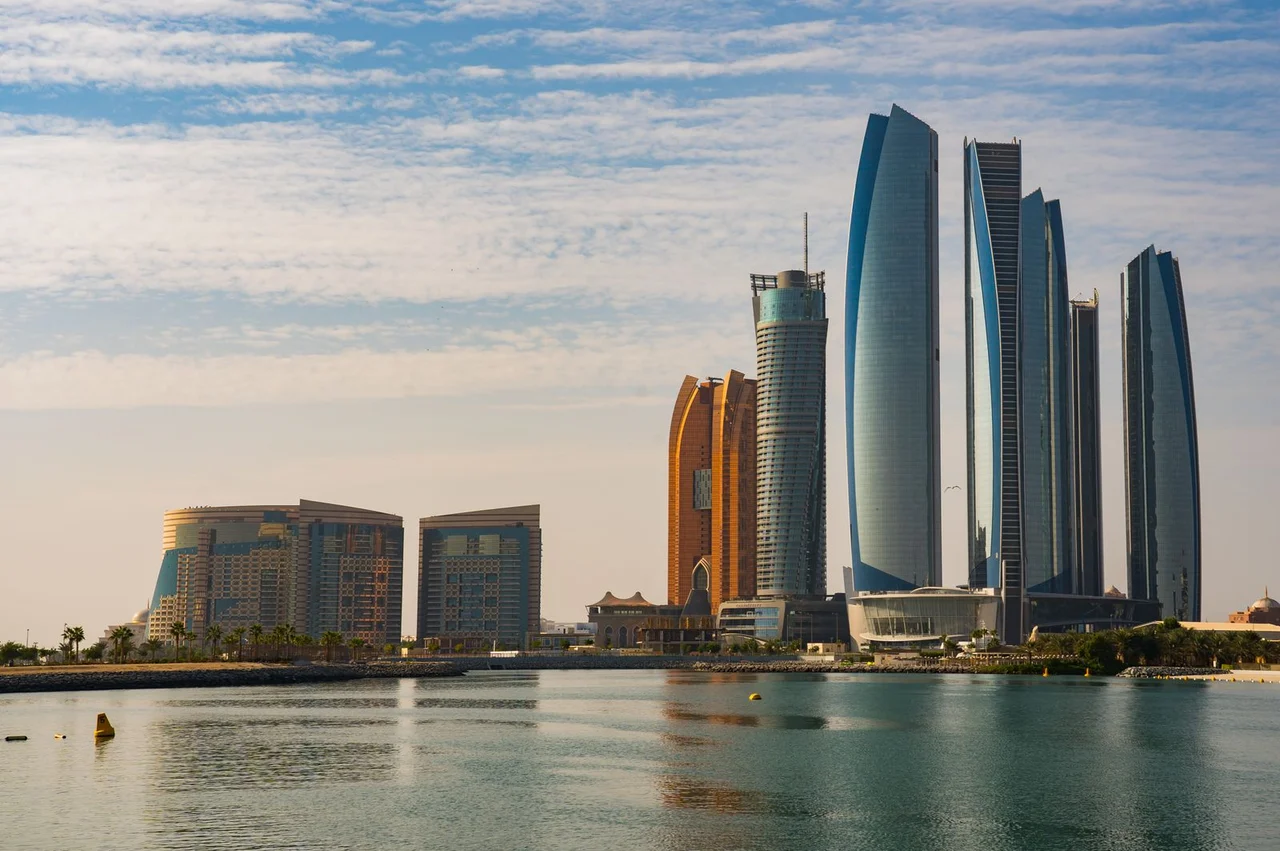 ComparisonDubai or Abu Dhabi in 2026: where to live, work and buy property
 AnalysisWhat is due diligence and why the Caribbean is rejecting applications
Personal programme selection is conducted by Anna Kovalevskaya, Head of Legal, BRIDGES.
Residency in UAE: timelines and requirements
Grounds, document list, presence requirements and what is needed for renewal.