Residency · Portugal
Where's best to live in Portugal in 2026: an overview of cities and regions for different goals

Updated: June 2026·13 min read·Expert reviewed
Terms and costs verified: June 2026
Contents
There's no "best" city in Portugal - there's a city for your goal. Someone relocating for an IT career and someone looking for a quiet retirement by the ocean will pick different spots on the map. So we don't build a "top 10" ranking - we break the country down by purpose: where it's more convenient to work and build a career, where to raise children, where to spend winters remote-working, and where to comfortably retire. We'll go through Lisbon, Porto, the Algarve, Cascais and Estoril, Braga and Coimbra, Madeira and the Azores - with a breakdown of climate, prices, and environment, no embellishment.
The main principle: not the "best city", but a city that fits your goal
When someone first asks the question "where's best to live in Portugal", they usually expect a short answer along the lines of "definitely Lisbon" or "go with Porto". But the answer is different: it all depends on why you're relocating. The country is small but built on contrasts - between the cosmopolitan capital, the quiet agrarian north, the sunny south, and the Atlantic islands, the difference is enormous. The same city can be ideal for a remote worker and inconvenient for a family with three children.
That's why in this overview we deliberately avoid the "top best cities" ranking format. A ranking creates the illusion of a universally correct choice, when in fact it just averages out incompatible needs. Instead, we break Portugal down by purposes of residence: career and business, family and schools, retirement and calm, remote work and climate, budget and affordability.
Before committing to a specific address, it's useful to understand the overall cost picture - a separate article covers this onthe cost of living in Portugal. And we cover the first practical steps of relocating in our guide torelocating to Portugal. This is also where you'll find a map of regions for different lifestyle scenarios.
We will calculate the budget for your family
A full estimate: contributions, fees and our work for your family.
Climate, environment, and Portugal's general context
Before breaking down the cities, let's fix the background common to the whole country. Portugal is an EU and Schengen Area member, and that's a practical plus: after moving here, you can freely travel across most of Europe with no separate visas. The climate overall is mild, Mediterranean-Atlantic, but it varies noticeably within the country - and that's one of the main factors in the choice.
- South (the Algarve)- the sunniest place, roughly up to 300 sunny days a year, mild winter, hot dry summer.
- Center and capital (Lisbon)- a warm climate, but summer can get really hot, winter is rainy and windy off the ocean.
- North (Porto, Braga)- noticeably more humid and cooler, green, with regular rain; summer is milder than the south's.
- The Atlantic islands (Madeira, the Azores)- a steady temperature year-round with no heat or frost, but higher humidity and changeable weather.
The second layer of context is safety and pace of life. Portugal is traditionally considered a calm country with an unhurried pace, which pensioners and families value, but which sometimes irritates those used to the speed of a megacity. The third factor is language: in major cities and the Algarve you can get by with English, but in the north and rural areas it's harder without Portuguese. All monetary and climate benchmarks below are given approximately: exact figures depend on the area, season, and lifestyle.
Lisbon: career, IT, and a cosmopolitan environment
Lisbon is the choice of those for whom work, business, and a rich city life come first. It's the country's economic center, a magnet for international companies, tech startups, and headquarters. It has the most job openings in IT, fintech, marketing, and services, hosts major industry events, and has the most international environment - with English in offices and a large community of newcomers from around the world.
What a Lisbon resident gets:
- The most career opportunities- a concentration of employers, networking, and industry events.
- A cosmopolitan environment- people from dozens of countries, English in everyday life, diverse cuisine and culture.
- The capital's infrastructure- an airport with direct flights, a metro, hospitals, international schools.
The flip side is the price. Lisbon is consistently the country's most expensive city for renting and buying housing, and the gap with the rest of Portugal is noticeable. The center is overloaded with tourists, parking and traffic are tiring, and finding spacious housing at a reasonable price in good areas isn't easy. Lisbon makes sense if your income is tied to a career or business here, you value the pace of a big city, and are ready to pay for capital-city status. A detailed breakdown of life in the capital is in our article onlife in Lisbon.
Porto and the north: cheaper, more authentic, calmer
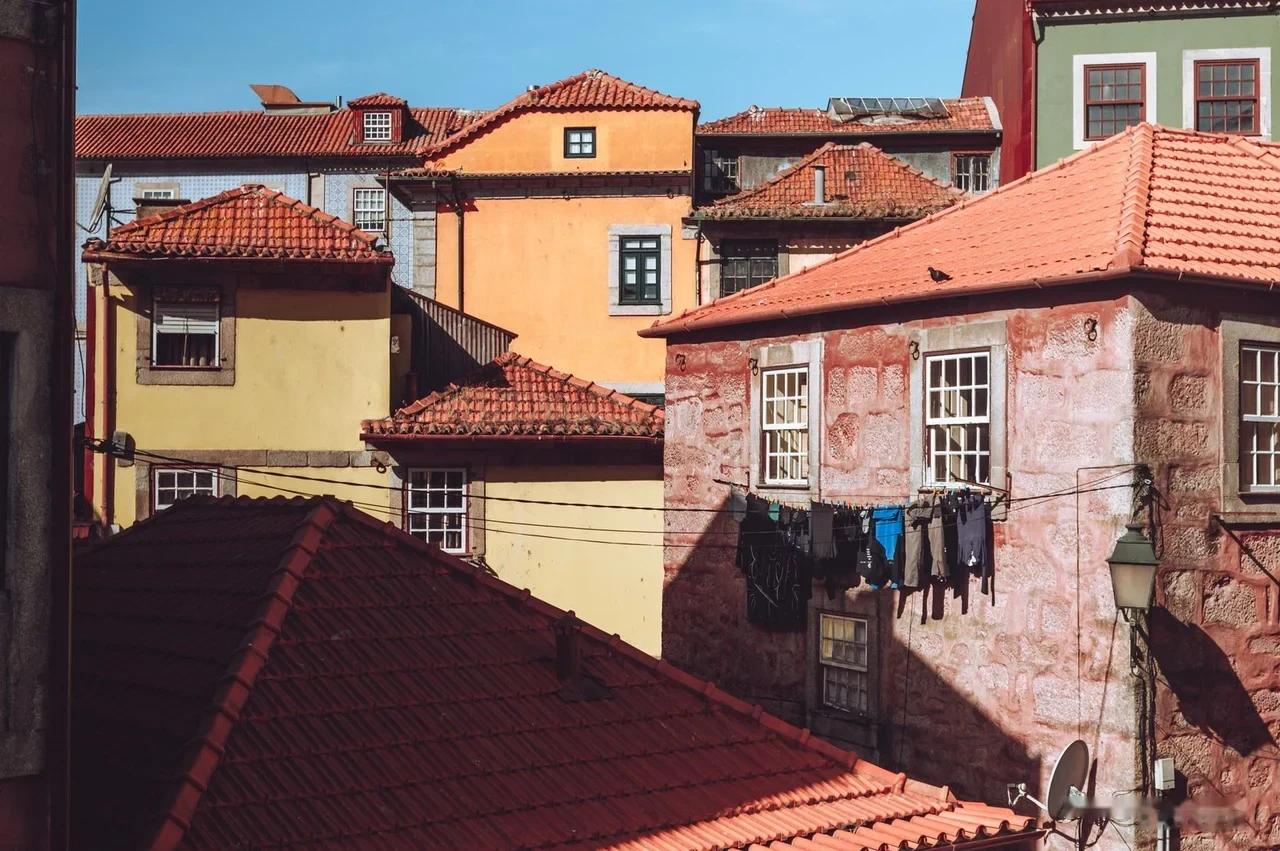
Porto is the country's second capital and the main alternative to Lisbon for those who want a city but without the capital's prices and hustle. It's retained an authentic atmosphere: a historic center on the banks of the Douro, wine cellars, artisan quarters, a more intimate and human scale. Yet Porto isn't provincial: it has its own business and tech sector, universities, an international airport, and a growing community of newcomers.
Strengths of Porto and the north overall:
- Noticeably lower housing costs- rent and purchase are roughly cheaper than in Lisbon, though prices are rising too.
- Authenticity and character- less "tourist gloss", more genuine Portuguese life.
- Urban comfort- restaurants, culture, healthcare, and transport without the capital's overload.
What's important to keep in mind: the north is more humid and cooler, with more rain, and winters can be raw - this isn't the sunny south. The job market is narrower than Lisbon's, especially in niche international fields, so remote workers and entrepreneurs are more comfortable here than those seeking local work in a specific industry. Porto suits those who want a combination of city life and a reasonable budget, value atmosphere, and aren't chasing a hot summer. Details in our overview ofthe cost of living in Porto.
The Algarve: sun, retirement, and remote work by the ocean
The Algarve is the country's southern coast and the "sunniest" choice. It's destination number one for pensioners and remote workers coming for warmth, the sea, and a calm pace. It has roughly up to 300 sunny days a year, mild winters, long beaches, and developed infrastructure built around newcomers: a large English-speaking community, private clinics, golf courses, restaurants, and services oriented toward foreigners.
Who the Algarve suits:
- For retirees- a mild climate, unhurried life, developed healthcare and infrastructure for a comfortable later life.
- Remote workers- sun year-round, seaside leisure after work, growing coworking spaces and a digital nomad community.
- For fans of active outdoor pursuits- the sea, golf, hiking and water routes.
The downsides are too. The Algarve is heavily dependent on the tourist season: crowded and expensive in summer, part of the region "dozes off" in winter, some services run on reduced hours. Career opportunities are few - this region isn't about local work, but income from outside (a pension, remote work, passive income). Prices in hyped resort spots like Vilamoura or Lagos can no longer be called low. For those planning to live here on passive income, our article onretiring to Portugaland a separate overviewthe cost of living in the Algarve.
We will find the right basis for residency in Portugal
We calculate the budget and timing for your family and list the documents you need.
Cascais and Estoril: families, schools, and a premium coast
If the priority is a family with children while staying close to the capital, it makes sense to look at the coast west of Lisbon: Cascais and Estoril. These are prestigious seaside towns half an hour to an hour from the capital's center, historically popular with well-off residents and foreigners. They combine the ocean, safety, and greenery while still giving access to all of Greater Lisbon's infrastructure.
Why families choose this area:
- International schools- this is where a significant share of the best private and international schools with English-language instruction are concentrated.
- Safety and environment- calm, well-kept areas oriented toward family life.
- Proximity to the capital- you can work in Lisbon and live by the ocean, commuting by train along the coast.
- A premium format- quality housing, waterfronts, sports, golf, yachting culture.
The main downside is predictable: this is one of the most expensive market segments in the country. Housing in Cascais and Estoril is pricey both to rent and buy, often rivaling central Lisbon. So this area suits those whose priority is quality of family life and children's education, and whose budget allows a premium format. It's a premium alternative to Lisbon itself, which we cover in our overview ofthe cost of living in Lisbon.
Braga and Coimbra: students, affordability, and a quiet pace
Braga and Coimbra are about affordability and a calm scale. Both cities are important educational centers with long university traditions, so there's a lot of youth, a student atmosphere, and a lively but non-metropolitan feel. For those relocating to study, sending children to a Portuguese university, or simply wanting to live cheaper without losing urban comfort, these are strong options.
What these cities offer:
- Coimbra- one of Europe's oldest university cities, the center of the country, an academic atmosphere, rich history, and moderate prices.
- Braga- a dynamic city in the north, considered one of the youngest by residents' average age, with a growing tech sector and noticeably lower cost of living than Lisbon.
- Housing affordability- rent and purchase are roughly noticeably cheaper than the capital and coast.
- Compactness- everything nearby, less traffic and hustle, a calm pace.
What's less present here is an international environment and career options in niche fields: less English in daily life than in Lisbon or the Algarve, and the job market is local. Braga and Coimbra suit students, young families on a limited budget, and those who work remotely and want to minimize expenses while staying in a lively city. We also touch on the north, which includes Braga, in our overview ofthe cost of living in Porto.
Madeira and the Azores: climate, nature, and island life
The Atlantic islands are a special scenario. In recent years Madeira has become genuinely trendy with remote workers: the island is deliberately developing infrastructure for digital nomads, and its main asset is a steady, mild climate year-round, with no punishing heat and no cold. Winters here are warmer than on the mainland, summers more comfortable than in the scorching Algarve. The capital Funchal offers urban comfort, while all around are mountains, the ocean, and nature for active recreation.
Who the islands suit:
- Madeira- remote workers and those sensitive to climate: stable temperatures, a developed expat community, direct flights to Europe.
- The Azores- a choice for lovers of wild nature: volcanic landscapes, lakes, whales, greenery and quiet, a very calm pace.
- Safety and an unhurried pace- island life is unhurried, with a low stress level.
The downsides of island life need to be understood in advance. There's remoteness from the mainland: everything is delivered by sea and air, so some goods are pricier and logistics more complicated. Local job options are limited - the islands are about income from outside, not a local career. The weather is changeable and humid, especially in the Azores, where it can change several times a day. And the social circle is smaller than in big cities. The islands are an option for those who consciously choose climate, nature, and quiet above career and urban variety.
"The first thing I ask a client is not to name a city, but to describe their day. Where's your income: here or abroad? Do you have school-age children? How do you handle heat and humidity? The region falls out of these answers on its own. Someone who dreams of the sunny Algarve but works for a local company and can't stand the winter lull of the resorts will be miserable - Lisbon or Porto suits them better. And for a family with children chasing the cheapness of the north, I show them what flights and schools will cost. Portugal is wonderful because it has a city for almost any purpose. But you need to choose based on your life, not an Instagram photo - that's when a move brings joy instead of disappointment a year later."
Table: purpose of residence - the right region
Let's put it all in one reference table. This isn't a verdict, but a starting point: there's a logical region for every goal, but the final choice always depends on your budget, language, work, and lifestyle. Prices and climate data are approximate.
| Purpose of residence | The right region | Why |
|---|---|---|
| Career, IT, business, cosmopolitan life | Lisbon | The most job openings and an international environment, but the most expensive housing |
| A cheaper and more authentic city | Porto and the north | Urban comfort at lower prices, more humid and cooler |
| Retirement, sun, tranquility | The Algarve | The most sun, expat infrastructure, seasonality |
| Remote work by the ocean | the Algarve or Madeira | Sun and a nomad community; Madeira - a steady climate year-round |
| A family with children, schools | Cascais and Estoril | International schools, safety, a premium coast near the capital |
| Students, minimal budget | Braga, Coimbra | Universities, affordable housing, a calm pace, less English |
| Climate and stable temperature | Madeira | Mild year-round, a developed environment for remote workers, island logistics |
| Wild nature and quiet | The Azores | Volcanoes, lakes, the ocean; remoteness and changeable weather |
Note: some goals overlap. A remote worker could equally well choose the Algarve for the sun, Madeira for the climate, or Porto for the budget - personal priorities decide everything.
Prices: where it's more expensive, and where you can save
Budget is often the deciding factor, so let's set out the price logic separately. Right away, note: all the benchmarks below are approximate, Portugal's real estate market is growing, and exact figures depend on the area, size, and season. But the overall hierarchy stays stable year to year.
- The most expensive- Lisbon, Cascais, and Estoril. Both rent and purchase are at the top of the country's price range here, especially in central and coastal areas.
- Mid-range- Porto and popular Algarve resort spots. Cheaper than the capital, but prices in hyped locations have caught up to Lisbon's.
- More affordable- Braga, Coimbra, inland areas, and smaller towns. Housing here is noticeably cheaper, and everyday expenses are lower.
- A special case- the islands: housing itself can be moderate, but some goods are pricier due to logistics.
It's important to calculate not just rent, but the full picture: utilities, transport, healthcare, schools, food. For example, savings on housing in Braga can be partly "eaten up" by flight costs if you're tied to Lisbon. We keep a detailed expense breakdown in our article onthe cost of living in Portugal- worth checking before making a final choice of city.
How to choose a region without mistakes: an expert's view
Over years of practice, we see the same scenario again and again: someone falls in love with a picture - the sunny Algarve or postcard-perfect Lisbon - and relocates without checking the place against their real lifestyle. A year later it turns out the resort town is empty and dull in winter, or the capital's budget eats up all their savings. To avoid this, we advise checking your choice against several practical axes before signing a rental or purchase agreement.
- The source of income.If your income is local, look at cities with a job market (Lisbon, Porto). If it's foreign (pension, remote work), the whole south and the islands are open to you.
- Seasonality.Be sure to assess the region not just in summer but in winter too: life in resort areas changes a lot by season.
- Family and schools.If you have children, check the availability and cost of suitable schools in advance; this often narrows the choice to specific areas.
- Climate for your health.The Algarve's heat and the humidity of the north and islands don't suit everyone - it's a medical, not just an aesthetic, question.
- Test drive.If possible, live in your chosen place for at least a couple of weeks off-season before moving permanently.
The good news is that Portugal is compact: getting the city wrong isn't fatal, and moving within the country isn't hard. But it's better to prevent a lost year and extra expenses in advance by soberly matching the dream to reality.
We'll help you choose a region and get legal status in Portugal
Choosing a city is only half the task. The other half is a legal basis to live in the country: the right residence permit, tax status, a bank account, renting or buying housing. The same region can require a different strategy depending on whether you're relocating for retirement, remote work, or investment. We handle getting a residence permit and legalization in Portugal turnkey: we help select the route for your goal, prepare documents, and carry the case through to a result - while where exactly to live is your own decision.
Discuss moving to Portugal with a BRIDGES GLOBAL expert- we'll break down your situation, goals, and budget, suggest a region, and arrange your status legally and with no unnecessary risks.
On what basis can you actually relocate to and live in Portugal
Choosing a city isn't enough - you need a legal basis to stay in the country longer than the tourist period. Your relocation goal directly determines which residence permit suits you, and thus how freely you can choose a region. Let's briefly go through the main routes as of 2026; details and thresholds change, so specifics should be checked before filing.
- D7 (passive income)- for pensioners and rentiers with stable income from a pension, rent, or dividends. Suits those heading to the Algarve or the islands for a calm life.
- D8 (digital nomad)- for those who work remotely for a foreign employer or clients. A logical route for remote workers heading to Madeira, the Algarve, or Porto.
- Golden Visa (ARI)- an investment residence permit. After the 2023 reform, the real estate purchase and capital transfer routes were abolished; what remains are investment funds (roughly from €500,000), scientific research, support for cultural heritage (from €250,000), and job creation. It requires minimal physical presence in the country.
- Work and student residence permit- for those relocating on a contract or for studies, for example to Lisbon, Braga, or Coimbra.
Any of these routes leads to a residence permit, then permanent residence and, if conditions are met, citizenship. An important caveat: in 2025-2026 the government initiated a naturalization reform increasing the residence requirement, so the timeline to a passport is best checked in advance. For citizens of Russia and the CIS, everything is arranged strictly within the law, with enhanced source-of-funds checks. We cover the general logic of relocating in our guide torelocating to Portugal, and current official information is published byPortugal's government portal gov.pt.
We will send a document checklist for your case
Leave your details: we will put together documents and timelines for your family.
Bottom line: matching your goal to a region
Let's draw a line under this. There's no universally "best" city in Portugal - there's a precise match between your goal and a region. For those chasing career and city energy, Lisbon makes sense, even if it's the most expensive. Those who want a cheaper city with character look to Porto and the north. People go to the Algarve for sun and a calm retirement, to Madeira for a stable climate and remote work. Families with children value the schools and safety of Cascais and Estoril, students and budget relocations go to Braga and Coimbra, and lovers of wild nature go to the Azores.
The optimal strategy is to start not from a pretty picture, but from a list of priorities: income source, budget, climate for your health, family needs, and desired pace of life. Add up these factors, and the right region will emerge on its own. Then all that's left is to choose a legal route for living in the country and arrange your status. Remember: Portugal offers freedom of movement across the EU and Schengen, a mild climate, and a high quality of life - but it reveals itself differently depending on exactly what you want from it. The final step is to check your budget against our overview ofthe cost of living in Portugaland planrelocationfor your chosen region.
Frequently asked
Questions people ask before deciding
01Where's the best place to live in Portugal in 2026?
There's no universally "best" city - it all depends on your goal. Lisbon suits a career and cosmopolitan life, Porto is for a cheaper city, the Algarve for retirement and sun, Cascais and Estoril for a family with schools, Madeira for a stable climate and remote work. Decide on your priorities first, then choose the region.
02Which city in Portugal is the most expensive to live in?
The most expensive are Lisbon, as well as the premium coast of Cascais and Estoril. Rent and purchase are at the top of the country's price range here. Porto and popular Algarve spots have mid-range prices. Braga, Coimbra, and inland areas are noticeably more affordable. All figures are approximate and depend on the area and season.
03Where's the best place to retire in Portugal?
The classic choice for retirement is the Algarve: a mild climate, roughly up to 300 sunny days a year, developed infrastructure for foreigners, and healthcare. An alternative is Madeira with a steady year-round temperature. Retirement life is usually suited by the D7 passive income visa; we cover the details in our article on retiring to Portugal.
04Which region to choose for remote work?
For remote work, good choices are the Algarve (sun and a digital nomad community), Madeira (a steady year-round climate and a developed environment for remote workers), and Porto (urban comfort on a moderate budget). For remote work, people usually apply for the D8 digital nomad visa - it's designed for income from a foreign employer or clients.
05Where is it best for a family with children to live in Portugal?
Families with children more often choose Cascais and Estoril near Lisbon: this is where English-language international schools, safe areas, and the coast are concentrated, with the capital right nearby. This is a premium-priced segment. A budget alternative for families is Braga and Coimbra, with affordable housing.
06Lisbon or Porto - which to choose?
Lisbon - if career, business, and an international environment come first, and you're ready to pay for the capital. Porto - if you want city life that's cheaper, more authentic, and calmer, and the more humid, cool northern climate suits you. Remote workers and entrepreneurs often find Porto more comfortable, while those seeking local jobs do better in Lisbon.
07What's the climate like in different regions of Portugal?
The Algarve is the sunniest and warmest, with a mild winter and a hot dry summer. Lisbon and the center are warm, but summer is hot and winter rainy. The north (Porto, Braga) is more humid and cooler, greener. Madeira and the Azores have a steady temperature year-round with no heat or cold, but higher humidity and more changeable weather.
08Is it worth moving to Madeira or the Azores?
The islands suit those who consciously put climate, nature, and quiet above career and urban variety. Madeira is popular with remote workers for its steady climate, the Azores with lovers of wild nature. Downsides: distance from the mainland, some goods more expensive due to logistics, a limited local job market, and a smaller social circle.
09Where is it cheapest to live in Portugal?
The most affordable are Braga, Coimbra, inland areas, and small towns away from the coast and the capital. Housing and everyday expenses are noticeably lower there. But it's important to consider the full picture: savings on rent may partly go toward flights and services if you're tied to a major city. Figures are approximate.
10Do you need to know Portuguese to live in Portugal?
In Lisbon, on the Cascais and Estoril coast, and in the Algarve, you can get by with English - there's a large international community there. In the north, in Braga, Coimbra, and rural areas, it's harder without Portuguese for everyday life and dealing with government offices. For a long-term life and a path to citizenship, you'll need to learn the language either way.
11On what basis can you legally live in Portugal?
The main routes for 2026: D7 (passive income, for pensioners and rentiers), D8 (digital nomad, remote work), the Golden Visa (investment through funds and other options after the 2023 reform), as well as work and student residence permits. Any of them leads to a residence permit, then permanent residence and citizenship. Thresholds and conditions should be checked before filing.
12Can you travel freely around Europe while living in Portugal?
Yes. Portugal is an EU and Schengen Area member, so a holder of its residence permit can freely travel across most of Europe with no separate visas. This is a practical advantage compared to non-Schengen countries. It's always useful to check specific rules and trip durations against official sources before traveling.
Transparency
How this material was prepared
- Author
- Darya Melnik, senior Investment Programs Advisor, BRIDGES
- Terms and costs last verified
- June 2026
- Sources
- official government authorities of the relevant country and state publications
- Methodology
- government minimum requirements are stated separately from due diligence charges, state fees, legal and banking costs
Sources and methodology
Figures, terms and timelines are checked against official sources as of June 2026. Link availability verified in August 2026. Third-party blogs and agent websites are not used as a source of programme terms.
- [1]Agência para a Integração, Migrações e Asilo (AIMA)Residence permits and how to applyaima.gov.pt/en
- [2]Portal das FinançasTax regimes and obligations of residentswww.portaldasfinancas.gov.pt
Methodology: tables and charts state government minimum investment requirements; due diligence charges, state fees, legal, banking and other costs are calculated separately and are not included in the minimum thresholds.
About the author
Related materials
What to read next
 ArticlePortuguese citizenship by descent in 2026: by parents, grandparents and birth
 ComparisonResidence permit for investment in 2026: Greece, Portugal or UAE - what to choose
 AnalysisWhat is due diligence and why the Caribbean is rejecting applications
Personal programme selection is conducted by Anna Kovalevskaya, Head of Legal, BRIDGES.
Residency in Portugal: timelines and requirements
Grounds, document list, presence requirements and what is needed for renewal.