Residency · Hungary
Best Cities in Hungary for Living in 2026: Budapest, Debrecen, Szeged and Others

Updated: June 2026·13 min read·Expert reviewed
Terms and costs verified: June 2026
Contents
Hungary is not just Budapest. Debrecen is growing around the new BMW plant, Szeged is launching BYD production, Győr feeds the entire Audi automotive industry, and Pécs and Szeged remain the sunniest and most student-oriented cities in the country. We have analyzed six major cities: population, rental prices, employment opportunities, and which city suits whom—families, students, or business. Figures are for 2026, without rounding in our favor.
Summary: Where to live in Hungary in 2026
Budapest - Maximum employment opportunities, infrastructure and expat community, but also the highest prices. Debrecen and Szeged - Balance of price and opportunities, with both growing due to new automotive plants. Pécs - The warmest and most tranquil, Győr - Focused on industrial work and proximity to Vienna. Consider your goal rather than city size: employment, education, family or business.
Next - detailed analysis of each city with 2026 figures, comparative table and recommendations on what to check before relocating. If relocation involves legalization, start with our Hungary relocation guide and page about Residence permit through investment.
How to choose a city for your needs
There is no universal best city in Hungary - only the best one for a specific goal. Before looking at beautiful embankments, answer three questions: how will you earn income, who is moving with you, and what housing budget are you prepared to spend each month.
- Employment with an international company or in IT. Realistic choice - Budapest. Other cities offer positions sporadically.
- Industrial work and engineering. Győr (Audi), Debrecen (BMW), Szeged (BYD), Kecskemét (Mercedes). Demand for skilled workers and engineers is consistently high here.
- Family with children. Debrecen, Szeged, Pécs - quieter, greener and cheaper than the capital, while offering good schools and hospitals.
- Education. Debrecen, Szeged, Pécs - strong universities and low housing prices.
- Business and investments. Budapest for offices and partners, regions - for manufacturing and logistics.
Next we review cities from largest to medium-sized.
Budapest - capital and center of everything
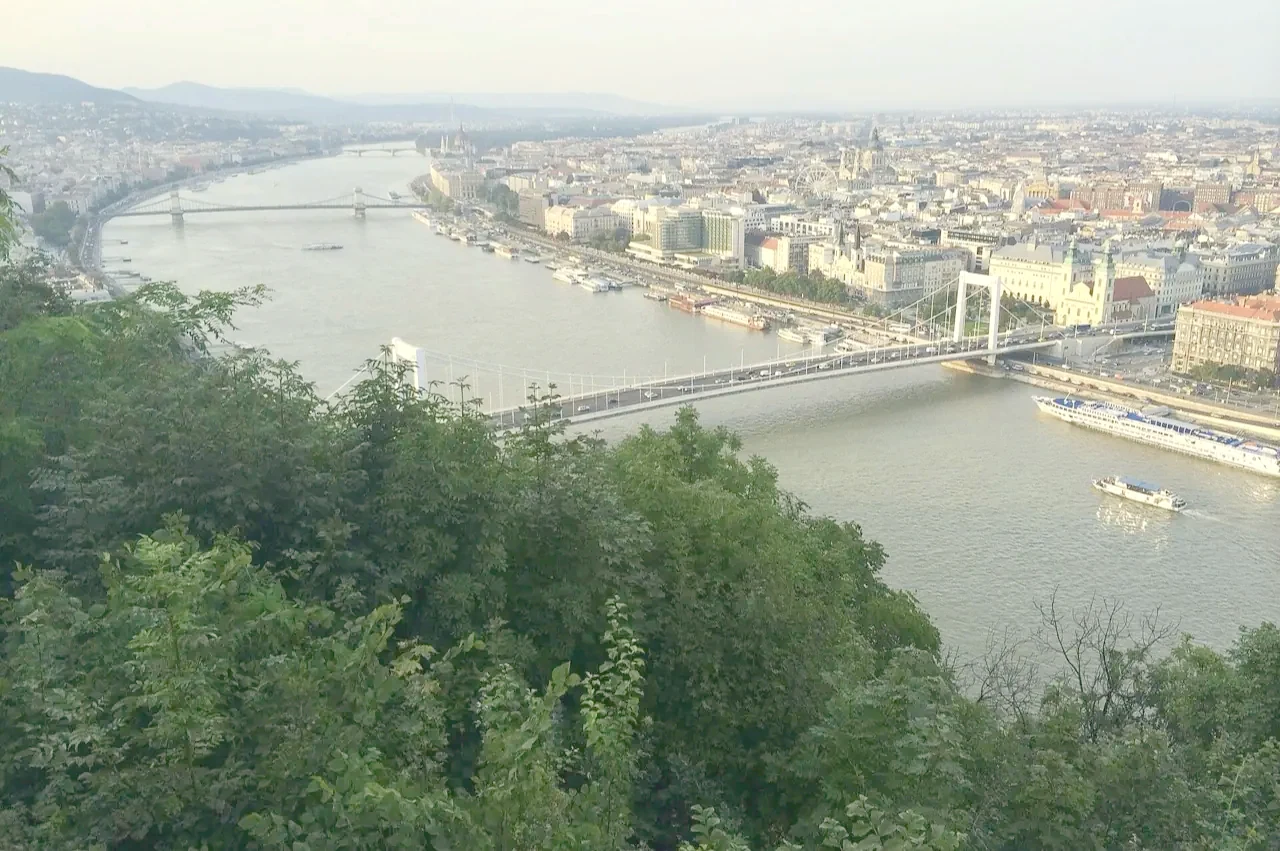
Budapest is undoubtedly Hungary's center: approximately 1.69 million residents in the city and almost 3 million in the metropolitan area. It concentrates headquarters, international companies, service and IT centers, the main rental market and almost everything an expat family needs: international schools, private clinics, English-speaking environment, direct flights worldwide.
Employment. Budapest is the only city where you can realistically find work with an international corporation, fintech, IT or shared-service center without Hungarian language skills. Salaries are higher than in the regions, but competition is also tighter.
Housing. This is the country's most expensive city. One-bedroom apartment rental in the city center - averaging approximately 630 euros per month, noticeably cheaper on the outskirts. Living expenses for one person excluding rent - approximately 640-650 euros. By European standards, Budapest remains affordable: living here is roughly one-third cheaper than Berlin and nearly twice cheaper than London.
For whom. For those working in the international market, running a business, valuing the dynamism of a large city and willing to pay for convenience. Details of daily life we compiled in a separate article - Life in Budapest.
Disadvantages. Noise, traffic congestion during peak hours, housing prices rising faster than in regional areas, and the city center overcrowded with tourists in summer.
Debrecen - the second city and the automobile boom
Debrecen in the eastern part of the country is Hungary's second-largest city with approximately 203,000 residents. It was long considered a quiet university center, but in 2025 the BMW factory officially opened here (manufacturing the iX3 model of the new Neue Klasse platform), transforming the city into one of the country's main growth hubs.
Employment. The BMW factory is designed for production of up to 150,000 vehicles annually and has already created over 2,000 direct jobs, and significantly more together with suppliers. This drives demand for engineers, logistics specialists, and skilled workers, plus the service sector around new employees is developing.
Housing. Debrecen is the second most expensive city after the capital, but still noticeably cheaper: one-bedroom apartment rental in the center is approximately 400 euros, total living expenses for one person are around 560 euros. Compared to Budapest, living here is roughly 25-33% cheaper.
Ideal for. For automotive engineers and specialists, students of Debrecen's major university and families seeking a balance between price and opportunities.
Szeged - the city of sunshine and the new BYD factory
Szeged in southern Hungary, near the border with Serbia, has approximately 157,000 residents. It is called the city of sunshine: it has the most sunny days in the country. This is a university, quiet, and inexpensive city with beautiful architecture and the Tisza riverbank.
Employment and economy. The major development in recent years is the Chinese BYD Group factory, which transitions to serial production of electric vehicles in 2026. Planned production capacity is approximately 150,000 vehicles annually, which should create thousands of jobs and attract suppliers. This transforms traditionally quiet student-oriented Szeged into a new industrial center.
Housing. One of the most affordable among major cities: one-bedroom apartment rental in the center is approximately 350 euros, total living expenses for one person are around 450 euros.
Ideal for. For students (Szeged University is the oldest in the country), families valuing climate and tranquility, and specialists ready to invest in growing manufacturing.
We will find the right basis for residency in Hungary
We calculate the budget and timing for your family and list the documents you need.
Pécs - warm south and cultural capital
Pécs (approximately 139,000 residents) is located in the southwest, at the foot of the Mecsek Mountains. It is one of Hungary's oldest and most atmospheric cities: former European Cultural Capital, Mediterranean climate, historic center protected by UNESCO.
Economy and employment. Pécs is not an industrial giant. The economic foundation is the university, healthcare, services, and tourism. There are no major automobile factories here, so high-paying job openings are fewer than in Győr or Debrecen. However, the city is very comfortable for living and studying.
Housing. Prices are at the level of other regional centers and noticeably lower than the capital; rent and groceries cost less than in Budapest.
Ideal for. For those who value mild climate, leisurely pace, and cultural environment: students, remote workers, pre-retirement age people. Not the best choice if you urgently need work at a major company.
Győr - industry, employment, and proximity to Vienna
Győr (approximately 130,000 residents) is located in the northwest, halfway between Budapest and Vienna. It is the heart of Hungarian automotive manufacturing: home to one of Europe's largest Audi engine plants, employing approximately 12,000 people.
Employment. Győr is one of the strongest labor markets in the country relative to city size. Audi and dozens of suppliers create steady demand for engineers, technologists, and workers. Unemployment here is traditionally among Hungary's lowest.
Logistics. Vienna is approximately one hour by car, Bratislava and Budapest are roughly the same distance. This is a rare combination of Hungarian prices and access to three capitals simultaneously, convenient for business and cross-border work.
Ideal for. For automotive engineers and skilled specialists, entrepreneurs in manufacturing and logistics, those who value proximity to Austria.
Miskolc and other cities - what else is there
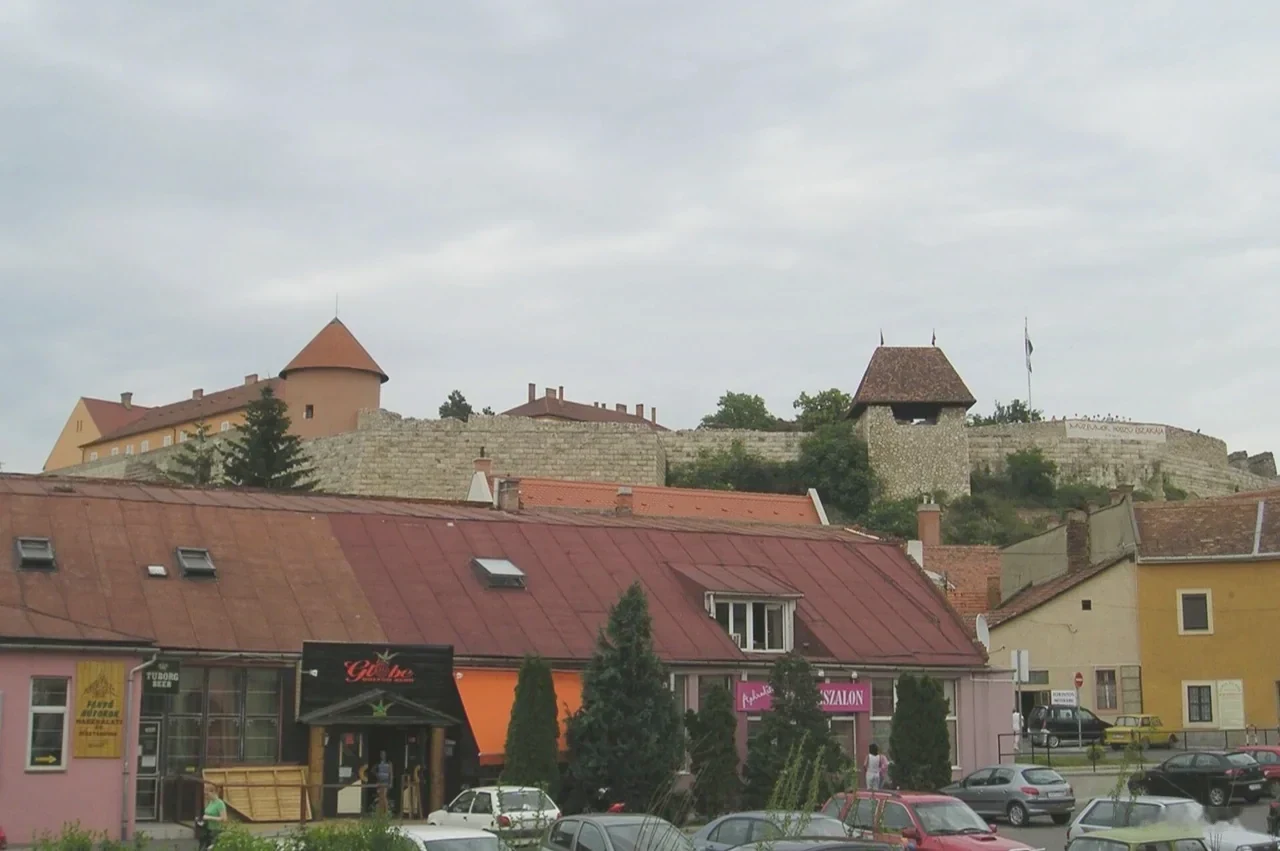
Miskolc (approximately 139,000 residents) in the northeast is a major industrial city with industrial heritage. Housing prices here are among the lowest among large cities, with a ski resort and thermal cave baths nearby. Drawback - the economy recovers more slowly and wages are lower than in the western part of the country.
Worth keeping in mind are mid-sized cities: Kecskemét (Mercedes-Benz factory, strong labor market), Székesfehérvár (manufacturing and logistics between Budapest and Lake Balaton), Eger (wine, thermal baths, quiet tourist city) and resort cities on Lake Balaton for seasonal or remote living. For most relocating individuals, the choice typically comes down to the six largest cities.
Comparative table of Hungarian cities
Summary of six largest cities. Population figures are estimates for 2026, rental prices are averages for one-bedroom apartments in the city center. Exact rates depend on district and housing condition.
| City | Population | One-bedroom apartment rental (city centre) | Employment | Target demographic |
|---|---|---|---|---|
| Budapest | ~1.69 million | ~630 euros | IT, finance, corporations | Career professionals, business, expatriates |
| Debrecen | ~203 thousand | ~400 euros | BMW, automotive industry, services | Engineers, students, families |
| Szeged | ~157 thousand | ~350 euros | BYD, university | Students, families, climate-conscious |
| Miskolc | ~139 thousand | Low | Industrial sector | Budget-friendly living |
| Pécs | ~139 thousand | Low to moderate | Higher education institution, healthcare, services | Climate, education, peaceful environment |
| Győr | ~130 thousand | Moderate | Audi, low unemployment rate | Engineers, business professionals, proximity to Vienna |
Where to live most affordably in Hungary
If budget is the primary criterion, the logic is straightforward: the further from Budapest and the more eastward, the cheaper. In terms of rental costs and daily expenses, the most affordable major cities are Miskolc and Szeged, followed by Pécs and Debrecen.
- Szeged: Rental from ~350 euros, monthly expenses per person ~450 euros - the best price-to-quality-of-life ratio.
- Miskolc: Among the lowest housing prices, though salaries are more modest.
- Pécs: More affordable than the capital with a mild climate.
- Debrecen: More expensive than other regions, but approximately one-quarter to one-third cheaper than Budapest.
Important nuance: cheap housing is not always beneficial if the city lacks employment in your specialty. Calculate not only rent, but also real income potential in the location.
Where there is more work and where to relocate for business
Cities are divided into three types based on employment opportunities.
1. Budapest - white-collar positions. IT, finance, marketing, service centers of international companies, employment without Hungarian language. The broadest job market and highest salaries for hired employees.
2. Industrial belt - engineers and manual workers. Győr (Audi, ~12,000 employees), Debrecen (BMW, factory producing 150,000 vehicles annually), Szeged (BYD, mass production from 2026), Kecskemét (Mercedes). The automotive industry in Hungary directly employs approximately 176,000 people, and this number is growing as new factories launch.
3. Business and investments. For office, partners, and access to finance, Budapest is the logical choice. For manufacturing, warehouses, and logistics - regions along the western border (Győr, Székesfehérvár) and growth centers in the east (Debrecen). The tax environment is uniform across the country and remains one of the most attractive in the EU: corporate tax only 9%, personal income tax - 15%, while VAT is high at 27%.
If you are considering relocation through investments, familiarize yourself with the conditions of Hungary's golden visa and how residence permit over time leads to Hungarian citizenship.
Hungarian cities for students
Students in Hungary are most often advised to choose one of four cities, and three of them are not Budapest.
- Debrecen. University of Debrecen - one of the largest in the country, approximately 30,000 students and strong medicine programs. Typical student expenses - approximately $800 per month.
- Szeged. The country's oldest university, strong natural sciences and medicine programs, while offering the lowest housing prices among student cities.
- Pécs. Medical faculty with international reputation, warm climate, and compact, safe city center.
- Budapest. ELTE, BME, Corvinus, Semmelweis - maximum program variety and student life, but the most expensive.
Many foreign students enroll through the Stipendium Hungaricum scholarship, which covers tuition, provides a stipend, housing or housing allowance, and medical insurance. Detailed information - in the article about Hungarian universitiesA common strategy is to apply to both capital and regional universities: competition for programs in the regions is lower.
Climate and infrastructure
Hungary has a temperate continental climate: warm summers (often above +30°C) and cool winters with slight minus temperatures. Regional differences are subtle but noticeable: south (Pécs, Szeged) - the warmest and sunniest, north and northeast (Miskolc) - cooler and snowier in winter.
Infrastructure across the country is generally good. Budapest is the only city with a metro and the largest international airport. Trains and buses run between cities, most centers are 2-3 hours from the capital. Healthcare: the state system is free for insured persons, but many choose private clinics - major cities have sufficient options and prices are lower than in Western Europe. Internet is fast and affordable throughout the country, which is important for remote work.
What to consider and what we verify when choosing a city
City selection is not only about rental prices. In practice, relocation fails due to details that are easy to overlook. Here is what we at BRIDGES GLOBAL verify together with the client before recommending a specific city.
- Real job vacancies for your profession. Not general statistics for the country, but actual demand for your specialists in this specific city and job availability without Hungarian language knowledge, if needed.
- Residence permit type and location binding. Some grounds (employment, education, business) effectively tie you to the city. We align city selection with your legalization pathway - see relocation guide.
- Schools and kindergartens for children. Availability of places, language programs, and international programs - especially outside Budapest.
- Real budget, not average rent. We calculate utilities, transport, insurance, and seasonal price increases, not just the advertised rate.
- Prospects. Cities with new manufacturing plants (Debrecen, Szeged) show growth, but also carry risks: the housing market overheats faster.
Official residence requirements and the list of grounds for temporary residence permit (TRP) can be found on the Hungarian Migration Authority website. oif.gov.huGeneral information about the country and regions is published by the government on the portal. kormany.hu.
"The most common mistake is falling in love with a city first, then searching for means of subsistence there. I always advise the opposite: first decide what you will earn or study, and only then choose a city for that purpose. Budapest will provide career and environment, but at high cost. Győr and Debrecen offer real industrial employment. Szeged and Pécs provide affordable and peaceful living for families or students. And remember: the city must align with your residence permit type - employment, study, or business often tie you to a specific location. At BRIDGES, we always calculate not average rental prices from advertisements, but actual budgets and real job vacancies matching the client's profession."
We will send a document checklist for your case
Leave your details: we will put together documents and timelines for your family.
Summary: Which city to choose
In brief: Budapest - for career advancement, business, and those seeking big city living. Győr and Debrecen - for engineers and automotive industry specialists where stable employment exists. Szeged and Pécs - for families and students prioritizing climate, tranquility, and low costs. Miskolc - the most budget-friendly option.
Main advice - choose a city based on your objective and legalization pathway, not the reverse. Once you have selected a city, it is important to properly obtain a residence permit: review the options for Residence permit through investment or the pathway to Hungarian citizenship. BRIDGES GLOBAL will help combine city selection with a clear residence permit and citizenship plan.
Frequently asked
Questions people ask before deciding
01Which city in Hungary is best for living in 2026?
There is no single answer. For career and business - Budapest, for industrial work - Győr and Debrecen, for family and studies with low costs - Szeged and Pécs. You should choose based on your goals and budget.
02What is the second largest city in Hungary?
Debrecen in the eastern part of the country - approximately 203,000 residents. In 2025, a BMW plant opened there, and the city became one of the main economic growth hubs.
03Where is it cheapest to live in Hungary?
Among major cities, the lowest prices are in Miskolc and Szeged. In Szeged, a one-bedroom apartment in the city center costs around 350 euros, living expenses for one person are approximately 450 euros per month.
04How much does apartment rental cost in Budapest?
A one-bedroom apartment in central Budapest costs on average around 630 euros per month, cheaper on the outskirts. It is the most expensive city in the country, but cheaper than most Western European capitals.
05Which city in Hungary has the most job opportunities?
The largest job market is in Budapest (IT, finance, corporations). By industry, leaders are Győr (Audi, ~12,000 employees), Debrecen (BMW), and Szeged (BYD).
06Which city to choose for studying in Hungary?
Debrecen, Szeged, and Pécs are most often recommended - strong universities and low housing costs. Budapest offers more programs (ELTE, BME, Corvinus, Semmelweis), but is more expensive.
07Which city in Hungary is the warmest?
Southern part of the country: Pécs and Szeged. Szeged is called the city of sun - it has the most sunny days per year. The climate in these cities is closer to Mediterranean.
08Is Hungary suitable for a family with children?
Yes. Debrecen, Szeged, and Pécs are convenient for families - quieter and cheaper than the capital, with decent schools and hospitals. Check availability of places and language programs in schools in advance.
09What are the taxes in Hungary in 2026?
Personal income tax - 15% (flat rate), corporate tax - 9% (lowest in the EU), VAT - 27%. Tax rates are the same across the country and do not depend on the city.
10Is it worth moving to a city with a new car plant?
Debrecen (BMW) and Szeged (BYD) provide job growth and demand for specialists. Downside - the housing market there overheats faster, rent increases. Calculate real income and expenses on-site.
11Can you live in Hungary without knowing Hungarian?
It is most realistic in Budapest, where there are many international companies and English-speaking environment. In regions, knowledge of Hungarian significantly expands work opportunities and daily life options.
12How is city choice connected to Hungarian residence permit?
The type of residence permit - work, studies, business, or investment - often ties you to a specific location. The city should be chosen simultaneously with the legalization route; at BRIDGES GLOBAL we align these decisions together.
Transparency
How this material was prepared
- Author
- Irina Shtern, head of Hungary Office, BRIDGES
- Terms and costs last verified
- June 2026
- Sources
- official government authorities of the relevant country and state publications
- Methodology
- government minimum requirements are stated separately from due diligence charges, state fees, legal and banking costs
Sources and methodology
Figures, terms and timelines are checked against official sources as of June 2026. Link availability verified in August 2026. Third-party blogs and agent websites are not used as a source of programme terms.
- [1]Országos Idegenrendészeti FőigazgatóságResidence permits and how to applyoif.gov.hu
- [2]Nemzeti Adó- és Vámhivatal (NAV)Tax residency and ratesnav.gov.hu/en
Methodology: tables and charts state government minimum investment requirements; due diligence charges, state fees, legal, banking and other costs are calculated separately and are not included in the minimum thresholds.
About the author
Related materials
What to read next
 ArticleHungarian Citizenship 2026: All Ways to Obtain an EU Passport
 ComparisonCitizenship of Bulgaria or Hungary: EU passport by roots
 AnalysisWhat is due diligence and why the Caribbean is rejecting applications
Personal programme selection is conducted by Anna Kovalevskaya, Head of Legal, BRIDGES.
Residency in Hungary: timelines and requirements
Grounds, document list, presence requirements and what is needed for renewal.