Living abroad · Italy
Climate in Italy by months and regions: a guide for those moving

Updated: June 2026·9 min read·Expert reviewed
Terms and costs verified: June 2026

Contents
Italy is a country with several climates at once. In the north in winter it snows and is foggy, and in Sicily in December it is plus fifteen. Rome heats up to thirty-five degrees in summer, Venice freezes in January. This is important for those moving: the choice of region determines your daily life. This guide contains real data on temperatures, precipitation and the best seasons. Without tourist clichés - just what a person who plans to live in Italy needs to know.
Why is the climate in Italy so different?
Italy stretches from north to south for almost 1200 kilometers. In the north are the Alps and the Padana Plain. In the south are the Mediterranean and Ionian Seas. This explains why such different conditions can exist in one country.
Climatologists divide Italy into three zones. North - temperate continental climate. The center is transitional to the Mediterranean. The south and islands are truly Mediterranean with hot summers and mild winters.
For a person who chooses a place to live, this is fundamental. A family with children who doesn't like the heat will most likely choose the north or center. Anyone who wants a long summer and a minimum of cold days will go to the south or to the islands.
Northern Italy: Milan, Venice, Turin
The North is the most unpredictable climatic region. Summer here is hot and humid: in July-August Milan and Venice warm up to +30-35°C. At the same time, humidity makes the heat more noticeable than it seems on the thermometer.
Winter in the north is cold. In Milan in January the average temperature is about +2-4°C, with some days being frosty. The Padan plain is a place where thick fog (nebbia) forms. From November to February it covers Milan, Verona, Bologna. This is a feature that you need to be prepared for.
Venice is located on the water, so in winter it feels colder than the thermometer shows. Plus high humidity. There are many tourists in summer, but the heat is more bearable than in the south.
| Month | Milan (°C) | Venice (°C) | Peculiarities |
|---|---|---|---|
| January | +2 | +3 | Fog, possible snow |
| April | +13 | +14 | Rains, flowering |
| July | +25 | +24 | Hot, humid |
| October | +15 | +15 | Comfortable, acqua alta in Venice |
Acqua alta (high water) in Venice - flooding of streets in the autumn-winter period. It's a real part of life in the city, not just a tourist attraction.
Liguria: mildest winter in the north
Genoa and the Ligurian Riviera are exceptions to the rule for the north. Winter here is warmer than in Milan, which is only 150 kilometers away. The reason is the Apennines. They protect the coast from cold northern winds.
In January in Genoa the average is +5-8°C. Snow is rare. In summer it is not as hot as in Rome: about +28-30°C. The sea warms up to +24-25°C by August.
Liguria is a good choice for those who want to live in the north of the country, but do not like the fog of the Padana Plain and harsh winters. The only negative is the mountainous terrain. The cities are narrow and there are few flat areas.
Alps and Apennines: mountain climate
The mountainous regions of Italy live by different rules. In the Alps (Valle d'Aosta, Trentino) summers are short and cool: in July around +18-22°C. Winter is long, with snow from November to April.
This is a skiers paradise. The resorts of Cortina d'Ampezzo, Sestriere, Val Gardena are some of the best in Europe. The ski season is usually from December to March-April.
The Apennines (the ridge across the entire peninsula) also receive snow in winter, but in smaller quantities. In summer, the mountain villages are cooler than the valleys - many Italians come here to escape the heat.
Unless you are planning an active mountain lifestyle, mountain areas are not suitable as a permanent residence. The infrastructure is more modest, and it takes longer to get to large cities.
Central Italy: Rome and Florence
The center is the most popular region for moving. Rome and Florence provide a Mediterranean climate without the extreme heat of the south.
Summer is warm and dry. In July-August, Rome warms up to +32-35°C, Florence - to +34-37°C. Florence is hotter because it is located in a basin - the mountains interfere with air exchange. In August, many locals leave the city.
Winter is mild. In Rome in January the average temperature is +7-9°C. Snow happens once every few years - and becomes an event for the entire city. Florence is a little colder: +4-6°C in January, snow once every 2-3 years.
| Month | Rome (°C) | Florence (°C) | Peculiarities |
|---|---|---|---|
| January | +8 | +5 | Softly, rains |
| May | +18 | +18 | Best month |
| August | +30 | +34 | Hot and humid in Florence |
| October | +18 | +16 | Comfortable, golden hour |
Spring and autumn in the center are ideal times. April, May, September, October - moderate temperatures, little rain, beautiful light. This is why many people moving choose Rome and Tuscany.
Southern Italy: Naples, Calabria, Puglia
The south is truly Mediterranean. Summers here are long, hot and dry. In July-August, Naples is +32-36°C. In Calabria and Puglia it can be +38°C.
Winter is very mild. In Naples in January it is about +9-12°C. Snow is an exception. In Puglia and Calabria, winter is often sunny and temperatures rarely drop below +8°C.
Summer in the south is hard. Especially August: high temperatures, little wind, dry air. Sirocco, a wind from the Sahara, carries hot air and sometimes raises dust. These days the temperature can rise to +40°C in a few hours.
The swimming season in the south is long - from May to October. The sea warms up to +27-28°C during peak months. For families with children who love the beach lifestyle, the south is a good choice.
We will find the right basis for residency in Italy
We calculate the budget and timing for your family and list the documents you need.
Sicily and Sardinia: the warmest climate
Islands are a separate world. Summer here is the longest in Italy. Sicily from May to October is an almost continuous summer. Temperature in July-August: +35-38°C, on record days - above +40°C.
The sea near the island warms up perfectly. In Sicily they swim from May, in Sardinia - from mid-May. By August the water temperature reaches +26-28°C. The sea remains warm until October.
Winter on the islands is mild. December-February: +12-15°C. Rains are rare but intense. There is practically no snow in the lowlands (only in the mountains of Etna).
The main disadvantage of the island summer is sirocco. The wind from Africa brings dust and heat. Several days a year in Sicily it is unbearably hot. Air conditioning is a must, not an option.
| Month | Palermo (°C) | Cagliari, Sardinia (°C) | Sea (°C) |
|---|---|---|---|
| January | +13 | +12 | +15 |
| May | +21 | +20 | +20 |
| August | +29 | +29 | +27 |
| October | +22 | +21 | +23 |
Seasons by month: what to expect
January-February. The north is in fog, snow is possible. The center is cool, sometimes rainy. South and islands - mild, about +12-15°C. Ski season is in full swing.
March-April. Spring begins in the south and moves north. April is comfortable throughout the country. Flowering begins. A good time to move and settle down.
May-June. The best time. Temperature +18-25°C everywhere. There is little rain. In the south they are already swimming. The tourist flow is increasing, but not yet peak.
July-August. Peak heat. The center and south are difficult for those unfamiliar. It's hot in the north, but tolerable. Mountains save you. Italy goes on holiday - many shops and restaurants are closed on Ferragosto (August 15).
September-October. Second best period. The heat is subsiding, the sea is warm. The north is cooling down smoothly. Tuscany, Umbria, Lazio are ideal for living. Grape season.
November-December. The north goes into fog. Center - variable weather. The south and islands remain pleasant: +13-18°C, little rain. Christmas atmosphere all over the country.
“Climate is the first thing customers ask about when it comes to Italy. And this is a valid question. I saw people who moved to Sicily dreaming of the sea, and then suffered from the August heat. And I saw those who chose Milan for the business climate, but were not prepared for foggy winters. Our approach is simple: first understand a person’s lifestyle, then select a region. Climate is not just weather. This is the pace of life, walking time, health, mood. In Puglia or Basilicata, people live differently than in Milan. No worse and no better - otherwise. It is important that this rhythm suits you. The residence permit program opens the door to the country, but you make the choice of where to live yourself.”
The best climate regions to move to
The choice of region depends on what is important to you. Let's look at the types of people moving.
Families with children. Center (Rome, Tuscany) and Puglia - the optimal balance. Mild winters, not extreme summers, good infrastructure. Puglia is cheaper than Rome and has a similar climate.
Those who don't like heat. North - Milan, Turin, Bologna. Or mountainous areas. Ligurian coast - if you want a mild winter without the heat of summer.
Beach lifestyle. Sicily, Sardinia, Calabria, Apulia. Swimming season is 5-6 months. But you need to be prepared for the July heat.
Quiet life without tourists. Basilicata, Molise, mountainous Tuscany. The climate is good, but the infrastructure is more modest.
Investors and business. Milan - financial center, north. Rome is the administrative center. Both have distinct seasons, both have good infrastructure.
If you are planning a residence permit in Italy through investment, it is useful to first decide on the region - this affects both the choice of property and the tax base.
Read more about the investment residence permit in Italy - programs, conditions, terms.
Climate of Italy vs Russia and other countries
For people from Russia and the CIS, the climate of Italy is a pleasant change. Even the north is warmer than Moscow. Let's look specifically.
| City | January (°C) | July (°C) | Snow in winter |
|---|---|---|---|
| Moscow | -8 | +22 | Stable 4+ months. |
| Milan | +2 | +25 | Rarely |
| Rome | +8 | +30 | Once every few years |
| Naples | +10 | +33 | Almost none |
| Palermo | +13 | +29 | No |
For residents of St. Petersburg or Siberia, the difference is even more noticeable. Even the Milanese winter will seem mild compared to the usual one.
An important point: in Italy there is no central heating in most houses. In winter, gas boilers or electrical appliances are used for heating. This must be taken into account when renting housing - check how the heating is arranged.
How climate affects health and life
The Mediterranean climate has been well studied from a health perspective. A high number of sunny days has a positive effect on vitamin D levels. Dry summers reduce the risk of respiratory diseases compared to the humid climate of northern Europe.
But there are also disadvantages. The heat in July-August in the south is difficult for elderly people and young children. During these months, air conditioning and activity patterns (early mornings, evenings) are important.
For allergy sufferers: in spring (March-April) there is a high concentration of pollen throughout Italy. Cypress trees, olive trees, cereals are the main allergens. If you have hay fever, discuss it with your doctor before moving.
A solar screen is needed from April to October. Especially in the south and islands. Ultraviolet radiation in Italy is much more intense than in Russia or Germany.
Humidity in the north. In winter, the Padan Plain gives high humidity at low temperatures. Subjectively, it feels colder than -5°C in dry air. For people with joint problems, this is an important factor.
Air quality. Milan and Turin are among the most polluted cities in Western Europe, according to EU data. In the summer I could. Rome is better. The south and islands have clean air.
Climate and tax programs: connection
The climate affects not only comfort, but also the choice of accommodation program. In Italy, there is a flat tax regime for new residents - 100,000 euros per year on foreign income, regardless of the amount.
An advantage of the “New Residents” program (lavoratori impatriati) is a reduced tax for returning and relocating specialists. These benefits are not tied to a specific region. But in practice, people with high incomes often choose Milan or Rome - business activity is higher there.
There is a separate regime for pensioners: 7% tax on foreign pensions when moving to a small city (up to 20,000 inhabitants) in the south. Calabria, Sicily, Sardinia, Puglia - these regions fall under the program. The climate of the south is an additional bonus.
A combination of climate + taxes + lifestyle - this is how you need to choose a region. The accounting issue and the issue of comfort are resolved simultaneously.
More information about Italian residence permit programs: investment residence permit in Italy 2026.
Sirocco and other winds: what you need to know
Sirocco is a hot wind from the Sahara. It comes several times a year, most often in summer and early autumn. In Sicily and Calabria the temperature these days rises to +40-42°C. The air is dry and sometimes carries dust.
For residents, this is a familiar part of life. You have to understand: 3-5 days a year will be very difficult. Closed shutters, air conditioning, minimum daytime activity. Then it gets better.
Tramontana - cold north wind. Blows in winter in the south and on the islands. Brings cold snaps and strong gusts. In Corsica and Liguria this is a common occurrence from October to March.
Maestro - northwest wind in Sardinia. In summer the island is refreshing. In winter it can be piercing. For yachtsmen this is an important variable.
Boreas is the north wind on the Adriatic. Affects Venice and Trieste. In winter it creates a very unpleasant cold even at above-zero temperatures.
Moving to Italy: documents and residence permit
For long-term residence in Italy you need a residence permit (permesso di soggiorno). Main reasons: work, study, family reunification, investment, passive income.
Investment residence permit (investor visa) - for those who invest in Italian startups, companies or government bonds. The minimum threshold depends on the type of investment: from 250,000 euros in a startup to 2 million euros in government bonds.
Residenza Elettiva - residence permit for people with passive income. You need to confirm an income of 31,000 euros per year per person. You choose the climate yourself: apply for registration in any city in Italy.
Permanent residence (permesso di soggiorno a lungo termine) - after 5 years of legal residence. Citizenship - after 10 years.
More information about programs and requirements: investment residence permit in Italy.
We will send a document checklist for your case
Leave your details: we will put together documents and timelines for your family.
Bottom line: how to choose a region by climate
Italy offers a real choice of climate within one country. This is rare in Europe. There is no need to move to another state to change living conditions - just change the region.
Several principles to choose from. First: determine what is more important - a warm winter or a comfortable summer. In the south it is mild in winter, but hard in August. In the north it's the opposite. Second: consider the job or business. If you need a business environment, north. If passive income or remote work - freedom of choice. Third: families with small children often prefer the center - a moderate climate without extremes.
A good strategy is to spend all four seasons in Italy in two different regions before making a final decision. Renting for a year is a normal first step before buying real estate.
If you are ready to discuss a specific region and residence permit program, please contact us. We will analyze your case, taking into account the climate, budget and goals of the move.
Frequently asked
Questions people ask before deciding
01Which region of Italy is best for living in terms of climate?
Depends on priorities. Puglia and Calabria - warm winters and long summers, but hot in August. Center (Rome, Tuscany) - balance between warmth and moderation. Liguria - mild winters when located in the north. Mountain region - cool summer and ski season in winter.
02When is the best time to move to Italy?
April-May or September-October is the optimal time. During these months, temperatures throughout the country are comfortable, there is no peak heat and no tourist rush. It is convenient to do household chores, open accounts, and draw up documents.
03How cold is it in Milan in winter?
In January the average temperature is about +2-4°C. There are night frosts. The main feature is not frost, but fog. The Padan Plain is often covered with thick fog from November to February. For people from Siberia this is mild, for those who are accustomed to the frosty sun it is unusual.
04What is sirocco and how scary is it?
Sirocco is a hot wind from the Sahara. Several times a year, more often in summer, it raises the temperature in the south to +40°C and above. Lasts 2-4 days. Locals close their shutters and reduce activity. Afterwards the weather is normal. It's unpleasant, but not a disaster.
05Are there floods or other natural risks in Italy?
Yes. Northern Italy is prone to floods in spring and autumn. Venice - acqua alta (flooding). Calabria and the south experience heavy rainfall in autumn. Earthquakes - seismically active zones in the center and south. When purchasing a property, it is worth checking the seismic zone.
06How hot is it in Rome in summer?
In July-August in Rome it is usually +30-35°C. The heat is dry, which is milder than the humid heat in the north. But August is difficult - many Romans are leaving. Air conditioning in the apartment is required. It gets easier in the evening and the nights are usually cooler.
07Is it possible to swim in the sea in Sicily all year round?
No. The best time to swim is from May to October. In May the water is about +20°C - cool, but tolerable. Peak - July-August, water +26-28°C. In October the water is still warm, around +22-23°C. November and winter - the sea is cold, although the days are sunny.
08How does the climate of Sardinia differ from Sicily?
Both islands have a warm Mediterranean climate, but there are differences. Sardinia is a little cooler in the summer due to the Maestro wind - this is a plus in the heat. The interior of Sardinia is colder than the coast in winter. Sicily is a little further south and gets more heat and sirocco influence.
09Does Italy's climate affect the cost of living?
Indirectly - yes. It's warmer in the south, so heating bills are lower. But air conditioning adds to your electricity bill in the summer. In the north they spend more on heating in winter. In general, utility bills in the south are moderate - about 80-150 euros per month, depending on the housing.
10How is the Italian climate suitable for older people?
Southern regions - good. Mild winter, no ice or snow, lots of sun. It is important to avoid the peak heat in July-August. Center (Rome, Umbria) is a smart choice: not too hot in summer, not too cold in winter. The north is less comfortable for older people due to fog and damp cold.
11Do you need air conditioning in an Italian apartment?
In the center and south - a must. In Rome, Naples, Palermo, July-August is very difficult without air conditioning. In the north (Milan) is also desirable due to the humid summer heat. In mountainous areas you can get by. When renting accommodation, always check for air conditioning.
12How to obtain a residence permit in Italy and how much does it cost?
Main programs: investment residence permit (from 250,000 euros for a startup, 500,000 for a company, 2 million for bonds), Residenza Elettiva (passive income from 31,000 euros per year). State duty - from several hundred euros. Consultation with an immigration specialist is a separate line. More details on the program page.
About the author
Related materials
What to read next
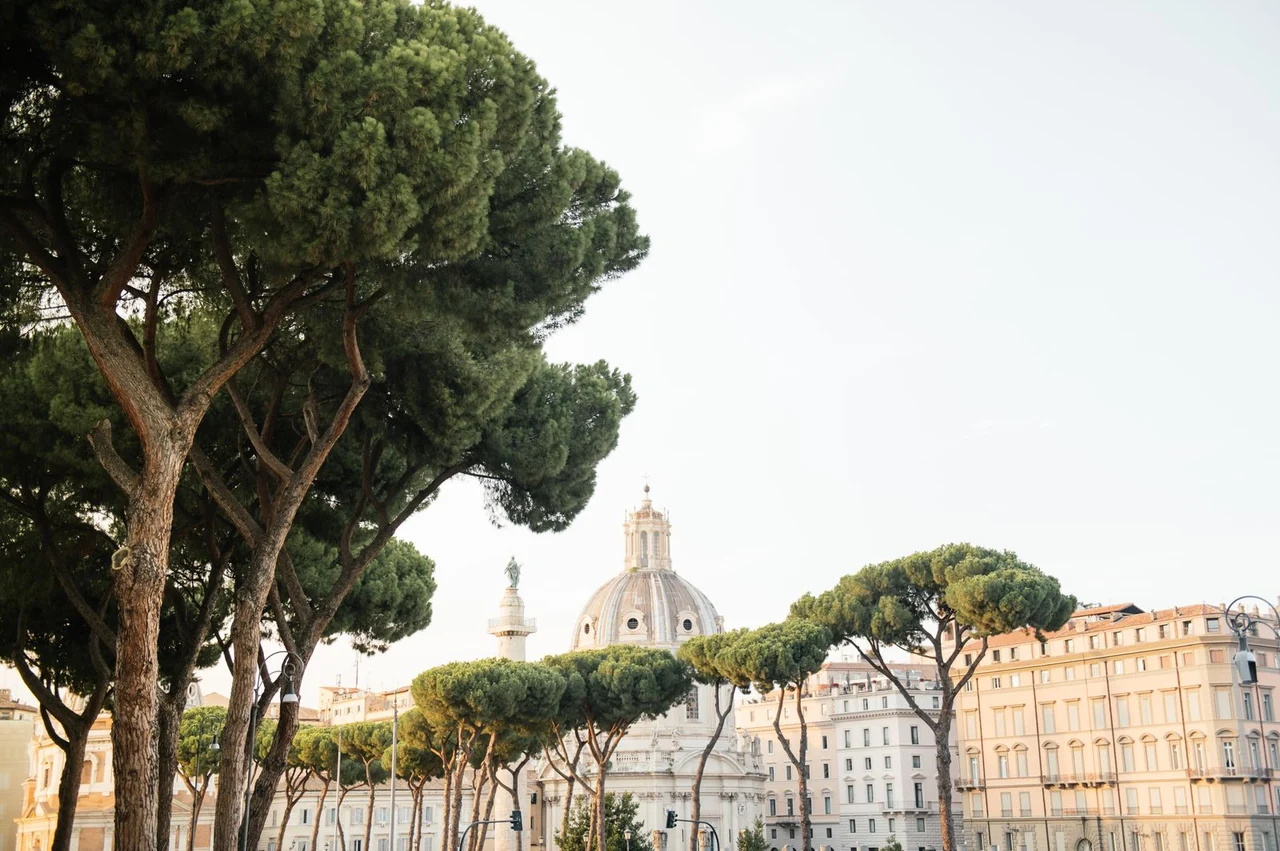 ArticleItalian citizenship by birth in 2026: children, jus soli and reality
 ComparisonAntigua and Barbuda or Grenada: Family Passport for Large Families in 2026
 AnalysisWhat is due diligence and why the Caribbean is rejecting applications
Personal programme selection is conducted by Anna Kovalevskaya, Head of Legal, BRIDGES.
Moving to Italy: what to settle first
Housing, schooling, healthcare, accounts and taxes - the order and what takes longest.