Living abroad · Hungary
The best areas of Budapest and Hungarian cities for foreigners

Updated: June 2026·12 min read·Expert reviewed
Terms and costs verified: June 2026
Contents
Hungary is a country of contrasts. There is the bustling center of Budapest with bars and history, the quiet hills of Buda with villas, Lake Balaton with summer resorts and provincial towns with cheap rent. The choice of area greatly affects your quality of life and your budget. Renting an apartment in the V district of Budapest costs two to three times more than in Debrecen. The climate in Pécs is warmer than in the north of the country. Transport accessibility in the suburbs varies. This guide contains specific areas with prices, pros and cons. For every type of resident: families, youth, retirees, investors. Without advertising and unnecessary words.
How to choose a district in Hungary
Hungary is a small country. From Budapest to the southern border - three hours by car. But the difference between the regions is huge. Some are designed for young renters, others for families with children, and others for those who value silence and nature.
The main question: Budapest or the region? The capital provides jobs, infrastructure and an international environment. The regions provide silence, nature and prices are half as low. Many foreigners start in Budapest and then move closer to Lake Balaton or to the suburbs.
In this guide we have covered 12 locations. For each - for whom it is suitable, how much rent costs, pros and cons.
V district of Budapest: historical center
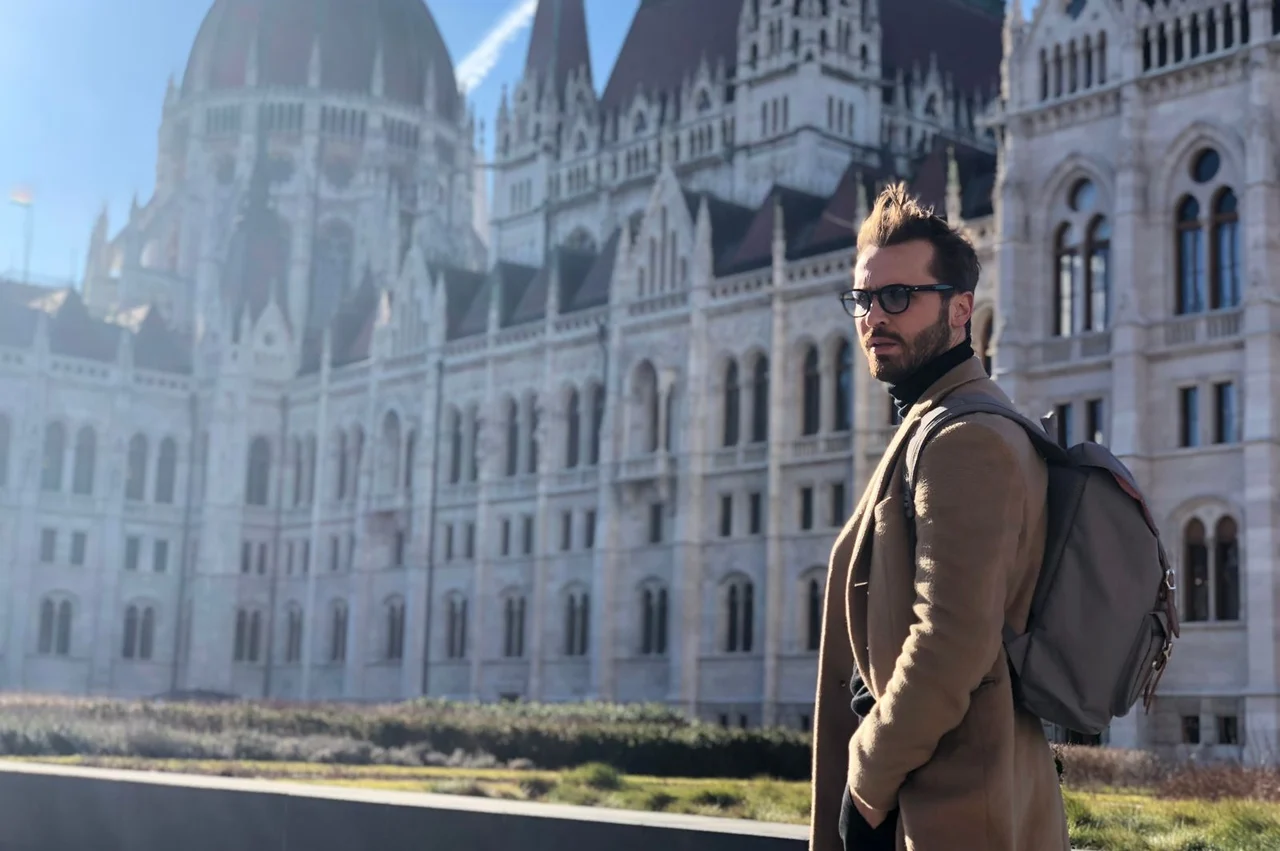
District V is the heart of Budapest. Parliament, Danube embankment, Vörösmarty square. All the main attractions are here. From here you can walk to everything.
Pros: Maximum accessibility, beautiful historical architecture, restaurants and cultural life. Cons: a lot of tourists, noisy, expensive. Rent of a 1-room apartment - from 300,000 HUF (€750) per month. 2-room - from 450,000 HUF (€1,100). 3-room - from 600,000 HUF (€1,500).
Suitable for: business people, couples without children, those who love city life and don’t count money. It is inconvenient for families with children - schools are far away, there is nowhere to park the car.
Investors often look here: real estate liquidity is maximum, tourist rentals are popular (although from 2024 Budapest has limited short-term rentals in a number of zones - check the current rules).
Districts II and XII: Buda for families
This is the quiet side of Budapest. Hills, parks, villas, good schools. Wealthy Hungarians and the majority of the diplomatic community live here. International schools are right here.
District II (Buda) is greener and more spacious. District XII (Hegyhat) is more closed, prestigious, with expensive buildings. Both areas are calm. To the center by car 20-30 minutes, by tram and metro - 30-40 minutes.
Rent in district II: 1BR - from 280,000 HUF (€700), 2BR - from 420,000 HUF (€1,050), 3BR - from 600,000 HUF (€1,500). District XII is 10-15% more expensive.
For whom: families with children, those who work remotely and appreciate nature nearby, wealthy couples. There are several international schools here - Budapest International School, American International School of Budapest. Cost from €10,000 to €18,000 per year.
Cons: expensive, public transport is worse than in Pest, inconvenient without a car.
Districts VI and VII: the pulse of the city
District VI - Andrássy Avenue (UNESCO heritage), opera, fashionable cafes. District VII is the famous “ruin” quarter with bars in old courtyards. This is the most vibrant Pest.
Young people and creative people want to live here. There are many coworking spaces, art galleries, restaurants of different cuisines from around the world. The infrastructure is excellent: metro M1, M2, trams, shops. To any point in Budapest - 20 minutes.
Rent in districts VI-VII: 1BR - from 250,000 HUF (€620), 2BR - from 380,000 HUF (€950), 3BR - from 520,000 HUF (€1,300).
For whom: young professionals, freelancers, couples, expats without children. Noisy in the evenings and at night - especially in the VII district near the bars. Not the best choice for families with small children.
VIII and IX districts: an affordable alternative
Districts VIII and IX are eastern Pest. Just 10 years ago they did not have the best reputation. Today there is active gentrification: new cafes, renovated buildings, young residents. Prices are still lower than in the center.
District VIII (Józsefváros) - next to the National Museum and several universities. Lots of students. IX district (Ferencvaros) - Danube embankment, Arena Mall, football stadium. Both areas are well connected to the center.
Rent in districts VIII-IX: 1BR - from 180,000 HUF (€450), 2BR - from 280,000 HUF (€700), 3BR - from 380,000 HUF (€950). These are the most affordable prices within the city.
For whom: students, young couples on a small budget, those who want to live in Budapest without overpaying. Cons: some of the streets are still not landscaped; some streets are uncomfortable at night.
District XI: Buda for the middle class
District XI (Ujbuda) is the largest district of Budapest in terms of population. It has everything: large shopping centers, universities (Buda is part of ELTE, Corvinus), parks, good schools. To the center - 20-25 minutes by tram.
The Kelenfeld district is a major transport hub. Limery Park is a new residential area with modern houses. Garmashvar and Albertfalva are quiet residential areas with private houses.
Rent: 1BR - from 200,000 HUF (€500), 2BR - from 320,000 HUF (€800), 3BR - from 450,000 HUF (€1,125). Buying an apartment: from €2,000 to €3,500 per sq.m.
For whom: middle-income families, students, those who want to live in Buda, but not overpay for district II or XII. Good balance of price and quality of life.
Suburbs of Budapest: life outside the city
There are dozens of small towns around Budapest, from where it is convenient to travel to the capital. The three most popular among expats are:
Budaörs - 10 km west of Budapest. Huge shopping centers, good road infrastructure, many international companies. Rent 2BR - from 200,000 HUF (€500). Minus: no historical atmosphere, purely a “dormitory” suburb.
Szentendre - 20 km north along the banks of the Danube. A small artistic town with Serbian architecture, galleries, tourists in the summer. There are many artists and creative people. Rent 2BR - from 180,000 HUF (€450). To Budapest - 40 minutes by train (HEV). Minus: very touristy in summer.
Visegrad - 50 km north. Medieval castle, mountainous terrain, quiet life. Almost a village with excellent scenery. Suitable for those who work remotely and want nature. Rent 2BR - from 120,000 HUF (€300).
Lake Balaton: resort life
Balaton is the largest lake in Central Europe. Coast 197 km. In summer it is the main resort of Hungarians and Austrians. In winter it is quiet, almost empty.
Balatonfured - north shore, historical resort. Promenade, thermal springs, sailing. More respectable audience, less youth noise. Rent 2BR all year round - from 150,000 HUF (€375).
Tihany - a peninsula with a Benedictine abbey of the 11th century. One of the most beautiful views of the country. A very small village (about 1,500 inhabitants). In summer it is crowded with tourists. For permanent life - specifics.
Keszthely - west coast, more affordable prices. University, Festetics Castle. Less touristy than the north. Rent 2BR - from 120,000 HUF (€300).
Who is Balaton for: those who want a quiet life near the water, a dacha or a second home, retirees. Cons: almost everything is closed in winter, it’s difficult to find a job, it’s inconvenient without a car.
Debrecen: the country's second city
Debrecen is the second most populous city in Hungary (about 200,000 people). It is located in the east of the country, 220 km from Budapest. Large university (Debreceni Egyetem is one of the best in the region), medical faculty with an international department.
Rent in Debrecen: 1BR - from 100,000 HUF (€250), 2BR - from 160,000 HUF (€400), 3BR - from 220,000 HUF (€550). Buying an apartment - from €1,200 to €2,000 per sq.m. This is about half the price of Budapest.
For whom: foreign students (medicine, dentistry are taught in English), families on a limited budget, those who work remotely or have found work in local factories (BMW plant opened in 2025).
Cons: less cultural life than in the capital. Winter is harsher - the city is in a lowland, cold winds from the east. There is noticeably less international community than in Budapest. Although the presence of BMW production attracts German and foreign specialists.
“Hungary attracts foreigners in different ways. Some - prices, some - the climate and location in the center of Europe, some - the ease of obtaining a residence permit. But the most common mistake is choosing an area without understanding real life. People come for a week as tourists, rent an apartment in the VII district, and fall in love with the atmosphere. And then it turns out that the noise from the bars keeps you awake until five in the morning, there is nowhere to park your car, and your child is an hour away from going to a good school. The second common miscalculation is saving on location. The difference in rent between the VII and XII districts is 30-50% per month. For many this is significant. But in District XII, your children walk to the international school, there is a park near the house, it’s quiet. This affects the quality of life of the entire family. Third, the suburbs are undervalued. Buders, Vysehrad, Szentendre give the same Hungary, but cheaper and quieter. For those who work remotely, this is often the best choice. Budapest is nearby - you can come to the theater or restaurant and live in silence.”
Pécs: warm south
Pecs is the third most important city in Hungary, the cultural capital of the south. In 2010 it was the European Capital of Culture. Population: about 140,000 people. Croatia is an hour's drive away.
The climate is much warmer than Budapest: Mediterranean influence, long summers, mild winters. Vineyards on the hills, the famous Zsolnay porcelain factory, the University of Pecs with its Faculty of Medicine.
Rent in Pécs: 1BR - from 90,000 HUF (€225), 2BR - from 140,000 HUF (€350), 3BR - from 190,000 HUF (€475). The most affordable prices among major cities in Hungary.
For whom: retirees who care about the climate and low costs. Students of the Faculty of Medicine. People who value culture and history (Pecs is a Roman city, there are UNESCO Paleo-Christian monuments). The proximity to Croatia is a plus for those who love the sea.
Cons: The labor market is limited. The economy is less developed than in Budapest or Debrecen. The international community is small.
Rental cost by region and city
Prices are valid for 2026. Rate: 1 EUR ≈ 400 HUF (approximately, the rate varies).
| Location | 1BR (HUF/month) | 2BR (HUF/month) | 3BR (HUF/month) |
|---|---|---|---|
| V district (center) | 300 000 (€750) | 450 000 (€1 125) | 600 000 (€1 500) |
| II/XII districts (Buda) | 280 000 (€700) | 420 000 (€1 050) | 600 000 (€1 500) |
| VI/VII districts (Pest) | 250 000 (€625) | 380 000 (€950) | 520 000 (€1 300) |
| VIII/IX districts (Pest) | 180 000 (€450) | 280 000 (€700) | 380 000 (€950) |
| District XI (Uybuda) | 200 000 (€500) | 320 000 (€800) | 450 000 (€1 125) |
| Suburbs (Budersh) | 150 000 (€375) | 200 000 (€500) | 280 000 (€700) |
| Balatonfured | 130 000 (€325) | 175 000 (€438) | 240 000 (€600) |
| Debrecen | 100 000 (€250) | 160 000 (€400) | 220 000 (€550) |
| Pecs | 90 000 (€225) | 140 000 (€350) | 190 000 (€475) |
Utilities (housing and communal services for 2BR): 40,000-70,000 HUF (€100-175) per month. Internet - about 6,000-8,000 HUF (€15-20). Local transport (monthly pass in Budapest) - about 9,500 HUF (€24).
We will find the right basis for residency in Hungary
We calculate the budget and timing for your family and list the documents you need.
Best areas for investors
If you are considering Hungary for obtaining an investor residence permit, the choice of area is important from two sides: quality of life and potential for growth in value.
II and XII districts of Budapest - historically the most liquid. Real estate here is steadily becoming more expensive, and demand from wealthy buyers is constant. Purchase price: €3,500-5,500 per sq.m. High entry threshold, but also high reliability.
V district - maximum liquidity. Tourist and business rentals are always in demand. Cost: €4,000-6,500 per sq.m. However, from 2024, restrictions on short-term rentals in the center of Budapest have become stricter - this is worth taking into account.
XI district and suburbs - more accessible entrance. Prices are rising due to infrastructure development. Cost: €2,000-3,500 per sq.m.
Important: Investor residence permit in Hungary in 2026 - through the purchase of shares of a regulated real estate fund (from €250,000). Direct purchase of an apartment does not automatically entitle you to an investor residence permit. More details on the program page.
What to look for before choosing
A few practical things that are often overlooked when choosing an area:
Transport accessibility. The Budapest metro does not cover all areas. M1 goes along Andrássy Avenue (VI district). M2 connects east and west. M3 - north-south along Pest. If you choose an area without a direct metro, check the availability of a tram or bus. Transport conditions are worse than Pest.
Schools for children. International schools are concentrated in districts II and XII. In provincial cities there are practically none. If a child does not speak Hungarian, it will be very difficult to get into a public school. Check in advance.
Noise. VII district (ruins quarter) - bars are open until 4-5 am. This is important if you are looking for silence. District V - tourist traffic from early morning.
Parking. In central areas, parking is paid and scarce. In residential areas and suburbs - free. Life with a car in the center of Budapest is inconvenient.
Check the condition of the house. Hungary has a lot of old housing stock from the 19th and early 20th centuries. It’s beautiful on the outside, but inside there may be poor communications, no elevator, cold walls. Before renting, inspect the apartment in person or ask for a video.
For an objective comparison of prices, we recommend looking at the current data on Numbeo Hungary.
Best conditions by type of resident
Here's the bottom line: Which neighborhood is right for you.
| Resident type | Best choice | Why |
|---|---|---|
| Family with children | II or XII district of Budapest | Green, quiet, international schools nearby |
| Young specialist | VI or VII district of Budapest | Life, restaurants, transport, party |
| Student | VIII or IX district / Debrecen | Cheap, close to universities |
| Pensioner | Pecs or Balatonfured | Warm climate, low costs, quiet |
| Investor/business | V or II/XII districts | Liquidity, business environment, prestige |
| Remote work | XI district / suburbs / Visegrad | Balance of price and convenience |
| Small budget | Debrecen or Pecs | Rent is half the price of Budapest |
If you are planning to obtain an investor residence permit, check out the program on the page Hungarian residence permit for investors. It is better to coordinate the choice of area with a lawyer before submitting documents.
We will find the right basis for residency in Hungary
We calculate the budget and timing for your family and list the documents you need.
Taxes and expenses when living in Hungary
This is important to know before moving. Hungary is a country with a flat income tax: 15% regardless of the amount. VAT - 27%, one of the highest in the EU. But property taxes in Hungary are small and depend on the municipality.
If you rent a property: there are no additional taxes for a foreign renter. Pay rent, utilities and insurance. Medical insurance for a residence permit is mandatory. Private insurance: €50-150 per month depending on coverage.
When purchasing real estate: tax on the transfer of ownership - 4% of the cost (above 1 billion HUF - 2% for the amount above this threshold). Notary, registration - another 1-2% of the cost.
If you are employed in Hungary: the employer pays social contributions (13%), 15% of personal income tax is withheld from your salary. Contributions to pension (10%) and health insurance (7%) are also from the employee.
Income from abroad is taxed at Hungarian rates if you become a tax resident (more than 183 days a year). Hungary has double tax treaties with many countries, including Russia and Kazakhstan.
Next step: how to arrange accommodation
A foreigner from outside the EU can legally live in Hungary through several instruments. The most popular for wealthy people is an investor’s residence permit through shares of a real estate fund (from €250,000, for a period of 2 years with the possibility of extension). This is the only route that does not require work in Hungary.
There are also residence permits for study, work, family reunification and a number of other reasons. A tourist visa (90 days) does not grant permanent residence.
It is better to choose an area before submitting an application: the registration address is indicated in the documents. Changing the address after obtaining a residence permit is possible, but requires notification to the authorities.
Details about residential programs are on the page Hungarian residence permit. If you have questions about a specific situation, it is better to check with a specialist in advance.
Frequently asked
Questions people ask before deciding
01Which area of Budapest is best for a family with children?
II or XII districts of Budapest. It is quiet, green, there are parks and international schools. Minus - more expensive than other areas. Rent a 3-room apartment from 600,000 HUF (about €1,500) per month.
02Where is the cheapest housing in Budapest?
VIII and IX districts - eastern Pest. Rent a 1-room apartment from 180,000 HUF (€450). The districts are actively developing, but their reputation has not yet aligned with the center. It is safe, but some streets are not yet developed.
03Is it worth living outside of Budapest?
Depends on your lifestyle. If you work remotely, the suburbs or Balaton provide silence and nature for a third of the price of Budapest. If you need a career in an office or an active cultural life, it’s better in the capital.
04What is the cheapest major city in Hungary?
Pécs - rent 1BR from €225, which is 3 times cheaper than the center of Budapest. Debrecen is a little more expensive - from €250. Both cities are university centers with good infrastructure.
05Is it possible to live near Lake Balaton all year round?
Technically yes. But in winter, most restaurants, shops and cafes are closed. Tourist infrastructure operates from May to September. For year-round living, Balatonfüred or Keszthely are better - there are permanent residents and infrastructure.
06Where is the warmest climate in Hungary?
South of the country - Pecs and surrounding areas. The Mediterranean influence comes here. Summer is long, winter is mild. Budapest is colder due to its continental climate. It's coldest in the north.
07Do you need a car to live in Budapest?
In central regions (V, VI, VII) - not needed. Metro, trams, buses cover everything. In Buda (II, XII) - desirable. In the suburbs and provinces it is practically mandatory.
08Are there areas in Budapest that you should avoid?
District VIII (certain streets around Keleti - the main railway station) has a reputation as a bad place at night. Tourists are often warned about this. In general, Budapest is a safe city, but like everywhere else, you should be careful at night in unfamiliar places.
09Is it possible to buy an apartment in Hungary as a foreigner due to the EU?
Citizens of non-EU countries can buy property in Hungary, but this requires permission from local authorities. The procedure is not complicated, but it adds several weeks to the transaction. A lawyer speeds up the process.
10How to obtain a residence permit in Hungary for permanent residence?
The most popular route for wealthy foreigners is an investor’s residence permit through shares of a regulated real estate fund from €250,000. This is not a direct purchase of an apartment. Details are on the program page brgsglobal.com/residency/investment/hungary/.
11How much does a typical life cost in Hungary per month?
Couple without children in Budapest (middle district): rent 2BR €700-900, groceries €400-500, transport €50, internet €20, restaurants €200-300, insurance €100-150. Total €1,500-1,900. In the regions - 30-40% cheaper.
12Should a foreigner live in Debrecen?
Yes, especially if you are a medical student (English language of instruction) or work remotely. Low costs, good infrastructure. The downside is that there is little international communication, the cultural life is more modest than Budapest. The emergence of the BMW plant attracts foreign specialists.
About the author
Related materials
What to read next
 ArticleHungarian Citizenship 2026: All Ways to Obtain an EU Passport
 ComparisonCitizenship of Bulgaria or Hungary: EU passport by roots
 AnalysisWhat is due diligence and why the Caribbean is rejecting applications
Personal programme selection is conducted by Anna Kovalevskaya, Head of Legal, BRIDGES.
Moving to Hungary: what to settle first
Housing, schooling, healthcare, accounts and taxes - the order and what takes longest.