Living abroad · Greece
Best Areas and Cities in Greece for Foreigners to Live
Updated: June 2026·12 min read·Expert reviewed
Terms and costs verified: June 2026

Contents
Greece is one of the most popular countries for relocation among wealthy individuals from the CIS. Mild climate, sea, European infrastructure, and relatively low prices compared to Western Europe. But Greece is not just one city. Athens, Thessaloniki, Crete, islands - each place has its own character. Colonial Nafplio and beach Glyfada are like different countries within one. To avoid disappointment, it is important to understand which area is right for you. This guide offers a analysis of the best places to live, with prices, real advantages, and what to avoid.
How to Choose a Location in Greece
Greece is divided into several completely different worlds. The major cities are Athens and Thessaloniki. Islands are a separate story with tourist season and winter silence. Mainland Greece - Peloponnese, Central Macedonia - quiet and affordable.
Before looking at specific areas, answer three questions for yourself. Do you need urban infrastructure year-round? Do you have school-age children? Is proximity to an international airport important? The answers will immediately narrow your choices to 2–3 options.
This guide covers 7 key locations - from prestigious Kolonaki in Athens to quiet Nafplio in the Peloponnese. For each - prices, advantages, disadvantages, and who it suits.
We will send a document checklist for your case
Leave your details: we will put together documents and timelines for your family.
Athens: General Overview for Relocation
Athens is a capital city with a population of approximately 3.5 million in the metropolitan area. Everything is concentrated here: Eleftherios Venizelos International Airport, most embassies, best hospitals, and international schools.
The city is divided into districts with very different characters. The same Athens includes prestigious Kolonaki, bustling Omonia, and quiet suburban Nea Smyrni. The distance between them is 5–10 km, but the difference in atmosphere is enormous.
Public transport in Athens includes the metro, buses, and tram. The metro operates well but does not cover all areas. During evening rush hours, you can spend 40–60 minutes in traffic. Many expats prefer to live near a metro station.
Kolonaki: Elite Center of Athens
Kolonaki (Kolonaki) is the most prestigious district in Athens. Located on the slopes of Lycabettus Hill in the city center. Expensive boutiques, Michelin-starred restaurants, contemporary art galleries.
Diplomats, top executives, and wealthy Greeks live here. Streets are clean, architecture is beautiful, security is high. Walking distance to the Acropolis is 20 minutes.
Rental Costs in Kolonaki:
| Type of Property | Cost per Month |
|---|---|
| 1-Bedroom (1BR) | €1 100-1 600 |
| 2-Bedroom (2BR) | €1 600-2 500 |
| 3-Bedroom (3BR) | €2 500-4 500 |
Suitable for: couples without children, professionals, those who value status and central location. Less convenient for families with children due to lack of parks and difficult parking.
Disadvantages: high prices for everything, tourist crowds in summer, little greenery, parking is nearly impossible.
Glyfada: Beach and Comfort for Families
Glyfada (Glyfada) is a southern suburb of Athens on the coast of the Saronic Gulf. Approximately 20 km from the city center. Families with children and those seeking to combine urban conveniences with the sea live here.
The area is well-developed: shopping centers, restaurants, schools. Beaches are within walking distance. The atmosphere is calm but not provincial. Many expats and military families live here - there is an air base nearby.
Rental Costs in Glyfada:
| Type of housing | Cost per month |
|---|---|
| 1-bedroom (1BR) | €800-1 200 |
| 2-bedroom (2BR) | €1 200-1 900 |
| 3-bedroom (3BR) | €1 800-3 000 |
Suitable for: Families with children, those who love the sea and beach, expats on long-term stays. There are several well-reputed private schools.
Drawbacks: 30-40 minutes to Athens center by tram or car. Summer tourist traffic increases. Metro does not reach this area - a car or tram is necessary.
Kifisia: northern green suburb
Kifisia (Kifisia) is a district in northern Athens, approximately 14 km from the center. The greenest suburb of the capital. Wide boulevards lined with plane trees, villas behind fences, quiet streets. Historically, it was a retreat for Athenian aristocracy.
The climate here is different: noticeably cooler in summer than the center thanks to the vegetation and elevation above sea level. This is an important advantage for those who suffer from Athens heat in July-August.
Kifisia rental costs:
| Type of housing | Cost per month |
|---|---|
| 1-bedroom (1BR) | €900-1 300 |
| 2-bedroom (2BR) | €1 400-2 200 |
| 3-bedroom (3BR) | €2 200-4 000 |
| Villa | €3 500-8 000 |
Suitable for: Families, retirees, those who value peace and nature. 30 minutes to the center by metro (Line 1).
Drawbacks: Expensive, similar to Kolonaki. Far from the sea. Winter can be damp and cold.
Nea Smyrni: calm middle-class area
Nea Smyrni (Nea Smyrni) is a district south of central Athens. Quiet, clean, residential. Greek middle-class residents live here - families, retirees, young professionals.
The main square of the district is one of the best in Athens: a large plaza with cafés, playgrounds, local shops. An atmosphere of neighborly, cozy life. Almost no tourists.
Nea Smyrni rental costs:
| Type of housing | Cost per month |
|---|---|
| 1-bedroom (1BR) | €650-950 |
| 2-bedroom (2BR) | €950-1 400 |
| 3-bedroom (3BR) | €1 400-2 200 |
Suitable for: Families with moderate budgets, those who want to live among Greeks rather than in an expat bubble. 20 minutes to the center by metro.
Drawbacks: Not the most architecturally beautiful district. No access to the sea. Fewer international schools nearby.
Omonia and districts to avoid
Omonia (Omonia) is the central square of Athens. A historic place, but today one of the most troubled areas of the city. High level of street crime, drug trafficking, illegal migration. Unsafe at night.
Tourists pass through Omonia on the metro - and that is correct. Living here is not advisable, even despite low rental prices.
Other districts to approach with caution:
- Exarchia (Exarchia) - historically an anarchist district with protests, graffiti, occasional riots. Some young expats choose to live here deliberately, but it is not suitable for families.
- Attiki (Attiki) and Metaxurgheio - working-class neighborhoods with high numbers of homeless migrants. Prices are low, but the atmosphere is tense.
- Piraeus (center) - a port city with its own character. Areas around the port are noisy and not the safest. However, Piraeus Mikrolimano and Pasalimani are pleasant fishing harbors.
General principle: the lower the rental price in central Athens, the more questions arise about district safety. Check the specific street, not just the neighborhood name.
Thessaloniki: the second city for living
Thessaloniki (Thessaloniki) is the second largest city in Greece, capital of Northern Macedonia. Population is approximately 1 million in the metropolitan area. A university city with a young atmosphere and developed gastronomy. Prices are 20-30% lower than Athens.
Two main districts for expats:
Kalamaria (Kalamaria) - a suburb east of the city center, on the shores of the gulf. Quiet, green, with good schools. Popular among families. 2BR rental - €800-1,200 per month. Good transport links to the city center.
Thessaloniki City Center - lively, student-oriented. Many cafes, bars, cultural events. Rental is cheaper: 1BR from €500. Suitable for young people and singles. Noisy in summer.
Comparison Athens vs Thessaloniki:
| Parameter | Athens | Thessaloniki |
|---|---|---|
| 1BR rental (city center) | €800-1 200 | €500-750 |
| Coffee at a cafe | €3-4 | €2,5-3,5 |
| International schools | Many | Limited |
| Airport | Major hub | International |
| Off-season life | Active | Active |
Thessaloniki is a good choice for those who do not need capital city bustle but value urban infrastructure.
Crete: the most inhabited island
Crete is the largest island in Greece. It has everything for permanent residence: hospitals, universities, an international airport in Heraklion, a second airport in Chania. Not a seasonal resort, but a genuine region.
Heraklion (Heraklion) - capital of the island, largest city. Developed infrastructure, university, good hospitals. Less touristy than Chania. Moderate prices. 2BR rental - €600-950 per month.
Chania (Chania) - western part of the island. Venetian harbor, more touristy and photogenic city. Very popular among European expats. 2BR rental - €700-1,100 per month. Quiet in winter, lively in summer.
Rethymno (Rethymno) - between Heraklion and Chania. Small cozy town with a university. Lower rental: 2BR from €500.
Many foreigners from Germany, United Kingdom, Netherlands live on Crete. Russian-speaking community exists but is small. The language of communication is English, German in some places.
Disadvantages of Crete: In winter, life stalls in tourist areas. Part of restaurants and shops are closed from November to March. In some settlements, a car is essential.
"Greece is a market where location determines everything. I have seen people who bought an apartment in a 'beautiful' tourist area of an island only to discover that in winter all restaurants are closed, the hospital is 40 km away, and the internet drops every day. Choosing an area is not simply a matter of taste. It is a question of how you will live 365 days a year, not 2 weeks of vacation. Athens is for those who need infrastructure and international connections. Crete is for those who want an island without sacrifices. Nafplio is for those willing to forgo comfort for beauty and peace. Before buying or renting - spend a minimum of 2-3 winter weeks there. Greek winter and Greek summer are different countries. And make sure both suit you."
Other islands: Corfu and Rhodes
Corfu (Kerkyra) - an island in western Greece, former British colony. The greenest Greek island due to high humidity and rainfall. It has one major advantage: a British international school. This is important for families with children oriented toward British education.
The atmosphere on Corfu is more Western European than on other islands. The city's architecture is UNESCO-listed. 2BR rental in the city - €700-1,000 per month. In winter the island is quiet, but infrastructure operates year-round.
Disadvantages of Corfu: Heavy rainfall in winter. Limited choice of schools and hospitals. Flights often routed through Athens.
Rhodes (Rhodes) - a large island with an international airport and developed infrastructure. Historic center is a UNESCO site. Active life year-round. 2BR rental in the city - €650-950 per month.
Rhodes is convenient for those who travel frequently: direct flights to a number of European cities. Russian-speaking community exists - a tourist island with history.
Peloponnese and Nafplio: a quiet alternative
Nafplio (Nafplio) - a small historic town 150 km from Athens. First capital of independent Greece. Venetian fortress, cobblestone streets, peaceful life. Very beautiful - and very quiet.
People who deliberately choose a slow pace live here. Retirees, artists, freelancers. The town is small - about 14,000 residents. Everyone knows each other.
Rental here is 2-3 times cheaper than Athens. 2BR apartment - €400-650 per month. House with garden - €700-1,200.
Disadvantages of Nafplio: No international schools, no large hospitals, no direct air service. To Athens - 2 hours by car. Not the best choice for families with children and people with serious medical needs.
The Peloponnese in general is interesting for people who want to buy a small house by the sea or an olive grove. Real estate prices here are among the lowest in Greece.
Attica: suburbs cheaper than Athens
Attica is a region around Athens. There are suburbs that are significantly cheaper than the city while maintaining convenient access to the capital.
Marathon 42 km northeast of Athens. A small town with a historic battlefield. Quiet, green, with beaches. 2BR rental - €500-750 per month. Downside - approximately one hour by car or bus to central Athens.
Porto Rafti Eastern coast of Attica, approximately 35 km from Athens. A fishing village with good beaches. Very quiet in winter - most establishments are closed. Lively in summer. 2BR rental - €500-800 per month.
These locations are suitable for those working remotely and wanting to reduce expenses while maintaining access to Athens. A car is essential.
| District/City | 2BR Rental | Distance to central Athens |
|---|---|---|
| Kolonaki | €1 600-2 500 | 5 min |
| Kifisia | €1 400-2 200 | 30 min (metro) |
| Glyfada | €1 200-1 900 | 30-40 min |
| Nova Smyrni | €950-1 400 | 20 min (metro) |
| Marathon | €500-750 | 60 min (car) |
| Porto Rafti | €500-800 | 50 min (car) |
Cost of living: district comparison
The cost of living in Greece depends heavily on the chosen location. Athens is approximately 1.5-2 times more expensive than provincial areas. Islands during tourist season are more expensive; in winter - cheaper.
Housing rental (per month):
| Type | Athens (center) | Thessaloniki | Crete | Peloponnese |
|---|---|---|---|---|
| 1BR | €700-1 200 | €500-750 | €450-700 | €300-500 |
| 2BR | €1 000-1 900 | €800-1 200 | €600-1 100 | €400-700 |
| 3BR | €1 400-3 000 | €1 100-1 800 | €900-1 600 | €600-1 200 |
Groceries (Athens, supermarket prices):
| Product | Price |
|---|---|
| Milk 1 liter | €1,20-1,50 |
| Bread (loaf) | €1,20-1,80 |
| Eggs (10 pieces) | €2,50-3,50 |
| Chicken breast 1 kg | €6-8 |
| Fresh fish 1 kg | €8-15 |
| Tomatoes 1 kg | €1,50-2,50 |
| Olive oil 1 liter | €8-14 |
Other expenses (Athens):
| Item | Cost |
|---|---|
| Lunch at a café (1 person) | €12-20 |
| Coffee | €3-4 |
| Transport pass | €30 per month |
| Gasoline 1 liter | €1,80-2,10 |
| Utilities (2BR, summer) | €80-130 |
| Utilities (2BR, winter) | €150-250 |
| Internet (fiber optic) | €25-40 |
| Medical insurance | €80-200 per month |
| Private school | €500-1,200 per month |
| International school | €800-1,700 per month |
Monthly budget (family of 3, Athens, excluding rent): €1,800-2,800. With rent for a 2BR in an average neighborhood - approximately €3,200-4,500 per month.
We will find the right basis for residency in Greece
We calculate the budget and timing for your family and list the documents you need.
Infrastructure: what to check before relocating
Before choosing a specific neighborhood, verify several practical aspects.
Healthcare. In Athens and Thessaloniki - major hospitals with good equipment. On large islands (Crete, Rhodes, Corfu) - local hospitals. In small towns and villages - only medical clinics. If you have chronic conditions, ensure the required specialist is within reasonable distance.
International schools. In Athens there are several: Athens College, Campion School, ACS Athens, St Catherine's British School. In Thessaloniki - Anatolia College. In Corfu - British School of Corfu. Outside these cities - only local Greek schools or online education.
Internet and telecommunications. In cities - stable fiber from €25 per month. On small islands and mountain villages - may have only ADSL or mobile internet. For remote work, check the specific address.
Transportation accessibility. Athens - major hub: direct flights to most European capitals. Crete (Heraklion, Chania), Rhodes, Corfu - international airports, but fewer flight options. From Nafplio and Peloponnese villages to the nearest airport - 1.5-2 hours.
Banks. After the 2015 crisis, the Greek banking system stabilized. Major banks: Alpha Bank, Eurobank, National Bank of Greece, Piraeus Bank. Opening an account as a foreigner with residency permit - possible, but requires a document package. Without residency permit - only in limited cases.
How to legally live in Greece
For staying in Greece longer than 90 days, citizens of Russia, Ukraine, Kazakhstan, and other non-EU countries need a residence permit. One of the most popular pathways is the Greek "Golden Visa" through real estate investments.
Main investment thresholds (2026):
- €800,000 - real estate in Athens, Thessaloniki, Mykonos, Santorini, and islands with population over 3,100 residents.
- €400,000 - other regions of Greece.
- €250,000 - only conversion (commercial property to residential) or restoration of architectural monuments.
Residence permit issued for 5 years with renewal option. Residency is not mandatory - property ownership is sufficient. The program includes spouse, children up to age 21, and parents of both spouses without age limit.
Short-term rental (Airbnb) of property purchased for residency permit is prohibited - this will result in status cancellation and a €50,000 fine. Long-term rental for 1 year or more is permitted.
Detailed information about the program - on the page Greece Residence Permit through Investments.
Taxes and finances for residents
Greek tax residency arises when residing more than 183 days per year. This is important to understand when choosing location and lifestyle.
Main taxes for individuals:
| Tax | Rate |
|---|---|
| Personal income tax (up to €10,000) | 9% |
| Personal income tax (€10,001-20,000) | 22% |
| Personal income tax (€20,001-30,000) | 28% |
| Personal income tax (€30,001-40,000) | 36% |
| Personal income tax (over €40,000) | 44% |
| Standard VAT | 24% |
| Real estate tax (ENFIA) | €2 to €13 per sq.m per year |
Special regime for new residents. Greece introduced a preferential tax program for foreigners transferring tax residency to the country. A fixed tax of €100,000 per year on foreign income—regardless of amount. Valid for 15 years. Suitable for wealthy individuals with high foreign income.
Property transfer tax upon purchase is 3.09% of the property value. VAT of 24% applies to new construction (permit issued before 31.12.2024—with VAT; after—without VAT). This is important to consider when selecting a property.
For tax planning, we recommend consulting with a Greek tax lawyer before relocating, not after.
Frequently asked
Questions people ask before deciding
01Which Athens district is best for a family with children?
For families with children, Glyfada (close to the sea, private schools available) and Kifissia (green, quiet, 30 minutes to center by metro) are well-suited. Nova Smyrni is a budget option with a calm atmosphere.
02Can you live in Greece without a car?
In Athens—yes, if you live near the metro. In Thessaloniki—partially. On islands and in suburbs—no, a car is essential. Public transportation outside major cities is underdeveloped.
03How safe is Athens for foreigners?
Generally safe. Tourist and residential districts—Kolonaki, Glyfada, Kifissia, Nova Smyrni—are calm. Avoid Omonia district, Exarcheia, and central streets around the main railway station, especially at night.
04Where in Greece is housing cheapest to rent?
The cheapest options are small towns in the Peloponnese, Central Greece, and northern regions. A 2-bedroom apartment costs €400-600 per month. On islands outside the tourist season, you can also find accommodation for €500-700.
05Is there a Russian-speaking community in Greece?
Yes, especially in Athens, Glyfada, and Rhodes. Russian-speaking shops, churches, doctors, and lawyers are available in Athens. On Crete and Corfu - fewer options. In small towns of the Peloponnese - virtually none.
06Which island is best for permanent residence?
Crete is the best choice for permanent residence: airports, universities, hospitals, and infrastructure operate year-round. Corfu is good for families with children due to the British school. Rhodes is ideal for those who prioritize convenient air connections.
07What is the weather in Greece during winter?
It depends on the region. In Athens, winter is mild: +8-15°C with rain. On Crete it is warmer: +12-18°C. In the Peloponnese mountains, snow occurs. Corfu is the rainiest island. Aegean islands are dry but windy.
08Is insurance required for Greece's Residence Permit?
Yes, health insurance is a mandatory requirement for obtaining a Residence Permit. After receiving the Residence Permit and registering with the tax authorities, you can join the state system EOPYY. Private insurance additionally costs €80-200 per month.
09How much does an international school in Athens cost?
Costs range from €8,000 to €20,000 per year depending on the school and program. ACS Athens and Campion School cost approximately €15,000-18,000 per year. St Catherine's British School starts from €12,000. Plus an entrance fee of €1,000-3,000.
10Can purchased real estate be rented out under a Residence Permit?
Long-term rental (from 1 year) is permitted. Short-term rental (Airbnb, daily rental) is prohibited for properties purchased under the Golden Visa program. Violation may result in Residence Permit annulment and a €50,000 fine.
11How to travel from Crete to Athens?
Flight from Heraklion or Chania to Athens - approximately 50 minutes, several flights daily, price €40-120. Ferry from Heraklion to Piraeus (Athens port) - approximately 9 hours overnight, cabins from €40. Ferry is convenient for car transportation.
12What documents are needed to obtain a Greece Residence Permit through real estate?
Main documents: passport, purchase agreement, property registry excerpt, proof of payment, health insurance, criminal record certificate, medical certificate. Full list and current requirements are on the program page.
About the author
Related materials
What to read next
 ArticleGreek citizenship by descent in 2026: by roots, parents, grandparents
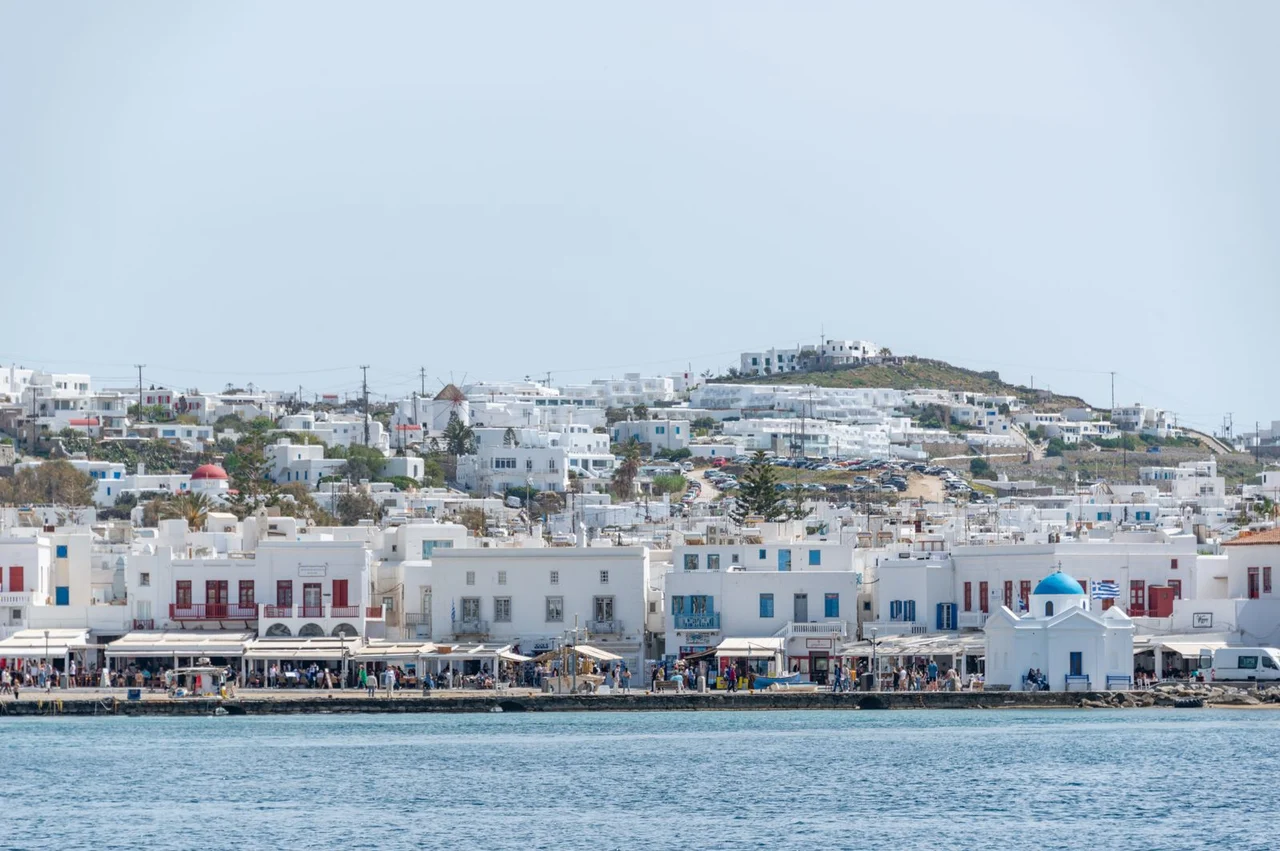 ComparisonGolden Visa of Greece or Caribbean citizenship 2026: EU residence permit versus second passport
 AnalysisWhat is due diligence and why the Caribbean is rejecting applications
Moving to Greece: what to settle first
Housing, schooling, healthcare, accounts and taxes - the order and what takes longest.