A free PDF guide — the four procedures of the Act
A guide to citizenship ofHungary by descent
A passport of the European Union through Hungarian roots. You do not have to live in Hungary and the Act requires no investment and no duty — but it does require a proved ancestor, the Hungarian language and an unbroken line of descent. We set out the four procedures and what each of them takes.
- PDF in English
- Free of charge
- Verified on 11.08.2026
- Sent by email, WhatsApp or Telegram
This material is for information and is not a legal opinion. Whether a ground exists is proved with documents.
01 / The essentials first
What decides your path to a Hungarian passport
Four things that settle which procedure is yours and how long it will take.
- Four procedures, and only one of them is yours
Establishing citizenship you already hold, simplified naturalisation through an ancestor, restoration, and the declaration for those deprived of citizenship. The pack of documents, the timing and whether the language is needed all follow from the choice.
- Citizenship passes by blood with no limit of generations
If the chain was never broken and nobody in it lost citizenship, you have been a Hungarian citizen from birth — it is established, not granted afresh. By law the certificate is issued within 60 days.
- The Hungarian language is a condition with no exceptions
Simplified naturalisation through an ancestor requires an oral interview in Hungarian. The Act provides no general exemption for age or health.
- No investment, no move, no duty
Living in Hungary is not required, the Act provides for no contribution to the budget, and there is no state duty for the procedure. The costs are the documents and their legalisation.
02 / Checking the ground
Which of the four procedures is yours
Four questions about the ancestor, the documents, any loss of citizenship and the language. At the end — the procedure with its provision in the Act, and whether Hungarian will be needed.
03 / The two main procedures
Establishing or naturalising
The difference is fundamental: in one the citizenship is confirmed, in the other it is granted afresh — with the language and a different timetable.
The values were checked against the official material on 11.08.2026. Only the rows for which there is no official wording are marked separately.
| Criterion | EstablishingYou already hold citizenship | NaturalisationSimplified, through an ancestor |
|---|---|---|
| The provision of the Act | 1993. évi LV. tv. 11. § | 1993. évi LV. tv. 4. § (3) |
| What happens | a status you already hold is confirmed | citizenship is granted afresh |
| The condition as to descent | the chain was never broken and nobody lost citizenship | the ancestor was a Hungarian citizen |
| The Hungarian language | not required | required, at an oral interview |
| The timing | 60 days for the certificate | from 4-6 months for consideration |
| The outcome | a certificate of citizenship, then a passport | a decision on naturalisation, the oath, a passport |
| Who it suitsA BRIDGES estimate | The line is clean in the documents | There is an ancestor, but the chain was broken |
- The provision of the Act
- 1993. évi LV. tv. 11. §
- 1993. évi LV. tv. 4. § (3)
- What happens
- a status you already hold is confirmed
- citizenship is granted afresh
- The condition as to descent
- the chain was never broken and nobody lost citizenship
- the ancestor was a Hungarian citizen
- The Hungarian language
- not required
- required, at an oral interview
- The timing
- 60 days for the certificate
- from 4-6 months for consideration
- The outcome
- a certificate of citizenship, then a passport
- a decision on naturalisation, the oath, a passport
- Who it suitsA BRIDGES estimate
- The line is clean in the documents
- There is an ancestor, but the chain was broken
One missing link in the chain moves the case from establishment to naturalisation, so the documents are checked before filing.
04 / The country
What the country looks like
Briefly about the country and about what sets the terms of the programme.
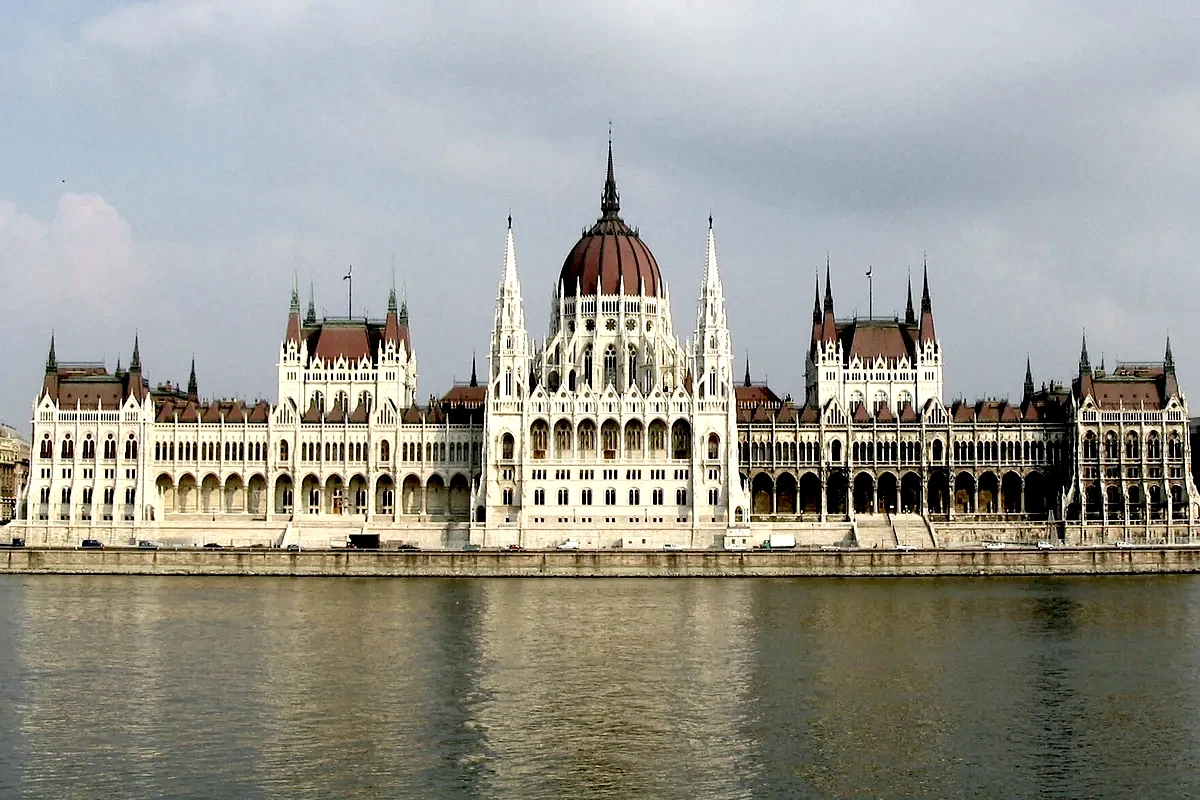
- HungaryThe cover of the guide: the country and the key terms of the programme.
- The essentials firstWhat to know before the calculation: the key facts of the programme.
- The terms of the optionsThe parameters of the programme in one table, on the official terms.
- The road mapThe process step by step — from the check to the documents.
- The check on the applicantWhat is examined before the status is granted, and where people stumble.
- The limitsThe limits that bear on the timings and the sum.
- Your teamWho runs the case and what each specialist answers for.
05 / The order of things
How the process runs
The procedure is settled first: the pack of documents, the timing and whether the language is needed all follow from it.
- Settling the procedure
We go through the family history and the documents: which of the four procedures is yours. A mistake here costs a year of work, so the ground is settled before the papers are gathered.
- The archive search
The records of the ancestors’ births, marriages and deaths are raised, along with the documents on citizenship and, where needed, on its loss. This is the longest part.
- Legalising the documents
Apostilles, sworn translations into Hungarian, the recovery of missing records. The requirements as to form are strict.
- Preparing for the language interview
For simplified naturalisation — preparation for the oral interview in Hungarian. The level is tested as far as is needed to hold a conversation.
- Filing the application
The application goes to a consulate or the competent Hungarian authority on the form laid down for the procedure chosen.
- The decision, the oath and the passport
On establishment a certificate of citizenship is issued; on naturalisation, a decision and the oath. Then the documents and the passport are arranged.
07 / Documents
What has to be proved
The work is with archives and civil status records. Every link in the chain is evidenced separately.
- An unbroken line of descent
Every link is evidenced by an official record. One missing document moves the case from establishment to naturalisation — with the language and a different timetable.
- That the ancestor was a citizen
Proved with documents of the time: records, passports, certificates. For some regions the documents sit in the archives of neighbouring states.
- A loss of citizenship in the family
If anyone in the chain lost citizenship, the procedure changes. The grounds and dates of the loss are examined separately.
- Command of Hungarian
For naturalisation through an ancestor it is a required condition. The level is evidenced at an oral interview, not by a certificate.
Some records of Hungarian ancestors are kept in the archives of neighbouring states — the search is planned with time to spare.
08 / The limits
What to take into account
Five limits that decide whether the case can really be done.
The language is required for naturalisationThere is no general exemption
The interview in Hungarian is a condition of simplified naturalisation through an ancestor. Without it only the establishment procedure is open, and only if the line is clean in the documents.
There is no investment programmeHungarian citizenship is not sold
The ground is always the same — descent, or restoration under the Act. Offers to buy a Hungarian passport have no lawful basis.
The archives may be abroadThe borders moved; the documents stayed in other countries
Records of Hungarian ancestors are often kept in the archives of neighbouring states. The search takes months and does not always succeed.
A break in the chain changes the procedureOne missing link means a different path and a different timetable
Establishment turns into naturalisation: the language is added and consideration takes four to six months instead of the sixty-day term.
The clock starts with a complete packThe statutory period runs from the filing
The sixty days for the certificate and the four to six months for naturalisation run from the application as accepted, not from the day the archive work began.
09 / Your team
Who runs your case
The work is led by specialists in the European grounds and in archive research.
The editorial record
The material was prepared and checked by


- First published
- 11 August 2026
- Last updated
- 11 August 2026
The official sources
- Act 1993. évi LV. törvény on Hungarian citizenshipNemzeti Jogszabálytár, the Government of Hungary · checked 11.08.2026The primary source for all four procedures: articles 4, 5, 5/A and 11.
- The consular service of Hungary — citizenship and applicationsThe Ministry of Foreign Affairs and Trade of Hungary · checked 11.08.2026How applications are filed through the consulates and what documents are needed.
- The government portal of HungaryKormany.hu · checked 11.08.2026Official guidance on the citizenship procedures and on changes in the law.
10 / Common questions
Questions about citizenship of Hungary
Do I have to live in Hungary?
No. Neither establishing citizenship nor simplified naturalisation through an ancestor requires living in the country. The application is filed through a consulate.
Is the Hungarian language required?
For simplified naturalisation through an ancestor, yes — a condition with no general exception. For establishing citizenship you already hold, no language is required.
How far back are ancestors traced?
Hungarian citizenship passes by blood with no limit on the number of generations. What matters is not the depth but that the chain is unbroken and that documents exist for every link.
What does it cost?
There is no state duty for the procedure, and the Act provides for no investment or contribution. The costs are the archive search, the legalisation and the translation of documents.
How long does it take?
The certificate of citizenship is issued within 60 days by law, and naturalisation is considered in four to six months. The longest part is preparing the documents.
Do I have to give up my current citizenship?
No. Hungary allows multiple citizenship, and no renunciation of your existing passport is required.
What does a Hungarian passport give?
It is citizenship of the EU: the right to live, work and study in any country of the Union, access to its education and health systems, and visa-free travel on an EU passport.
Where do I start?
With the family history: which of your ancestors was a Hungarian citizen, what documents survive and whether the chain was broken. The choice of procedure follows from that.

Free of charge
Take the guide and an analysis of your ground
We will send the PDF with the four procedures and go through your family history.
- The four procedures of the Act, with their provisions and timings
- What has to be proved for each link of descent
- The requirements as to the Hungarian language
- An analysis of your own situation for a ground