
Updated: June 2026

Case study · Sao Tome and Principe · Citizenship

How a Family from a Common-Law Partnership with ChildrenWas Correctly Included in São Tomé Citizenship

Common-law partnership is a frequent reality, but for investment citizenship it creates a nuance: an unregistered partner is not always automatically considered a "spouse" in the application. Our clients had common children and a long-term union without official registration. We processed everything correctly. This is a straightforward case about careful documentation. We explain how we brought the family together.

Sergey EvdokimovSergey EvdokimovManaging Partner, BRIDGESReading time8 min readVerificationReviewed by an expert

This case is based on a real matter. The name and certain identifying details have been changed to protect confidentiality.

BRIDGES client story - How a Family from a Common-Law Partnership with Children Was Correctly Included in São Tomé Citizenship
Contents

Case at a glance

Situation, solution and outcome in seven lines

Client
Common-law partners with common children
Goal
Include the family in citizenship correctly
Program
São Tomé and Príncipe, Citizenship by Investment
Nuance
Unregistered partner - not automatically a "spouse"
What Was Important
Confirm children's kinship and correctly establish the partner's status
Solution
Documentation of kinship + correct status for each family member
Result
The family obtained citizenship through the proper procedure

Client story

Client's Story

Where they started

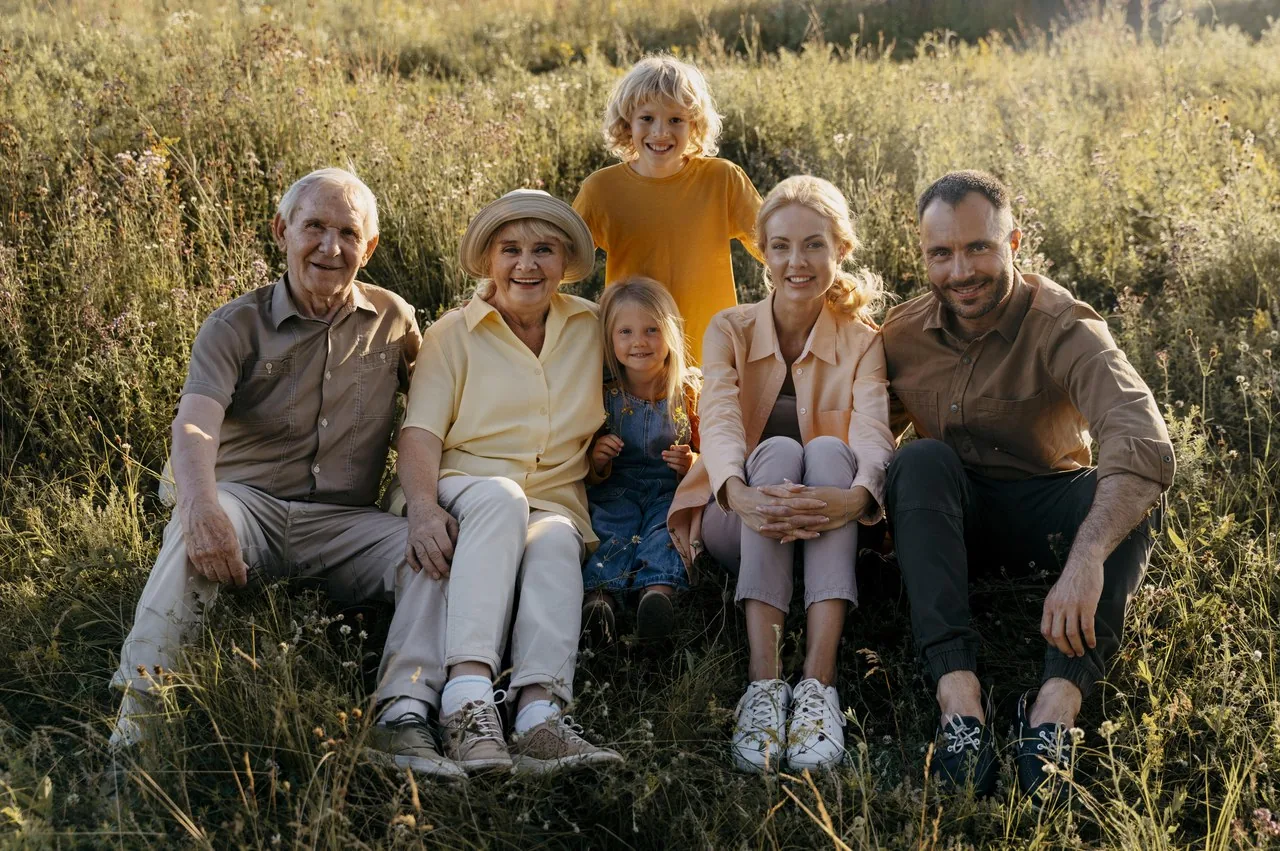
The couple had lived together in a common-law partnership for many years, without official registration, and raised common children. When they applied for a second citizenship, the question arose of how to properly include the entire family in the application.

Why the standard route did not work

There is an important nuance here that many people overlook. The applicant's children are included as children - upon documentary confirmation of kinship, which is resolvable. However, an unregistered partner - is not always automatically considered a "spouse" for program purposes: spouse status typically relies on official marriage. Submitting an unregistered partner as a spouse "by default" means risking questions during review.

What BRIDGES had to solve

Therefore, we structured the work carefully: we documented the children's kinship to include them as the applicant's children, and correctly determined the partner's status - not misrepresenting the common-law union as something it formally is not, but processing everything according to program rules. Honesty regarding status here is the key to the application passing without questions.

Why a standard answer would not do

BRIDGES was chosen by the couple specifically for this attention to detail: to correctly include a family from a common-law partnership in São Tomé citizenship - with confirmation of children's kinship and the partner's correct status, without formal distortions.

We have been together for many years, but without official registration, and we have common children. I was worried about how to include all of us - after all, there is no stamp in our passports. Anna explained the nuance honestly: we include the children as ours based on kinship documents, and the partner's status cannot simply be represented as spouse by default; it must be processed correctly. Everything was done carefully, according to the rules, without distortion - and the family obtained citizenship. Peacefully, because there was no forcing the answer to fit our needs.


Para · ClientThe name and certain identifying details have been changed to protect confidentiality.

What Was Important to Consider

What Was Important to Consider

There was no threat - there was a nuance regarding correct status documentation. The risk lay in submitting an unregistered partner as a "spouse" by default and facing questions upon review. The key was to document the children's kinship and correctly determine the partner's status, without formal distortions.

That the couple lived in a common-law partnership without official registration;

  1. 01That children are included as children upon confirmation of kinship;
  2. 02That an unregistered partner is not automatically a "spouse" in the application;
  3. 03That misrepresenting a common-law union as an official marriage is not permissible;
  4. 04That correct status for each person is the key to passing without questions.

The logic of the solution

How the matter progressed: from checks to result

The chart is built from the facts of this matter and shows the logic of the work without decorative or unverified data.

  1. 01
    Stage 1

    We addressed the common-law marriage nuance. First, we explained to the couple that children are included by kinship, and an unregistered partner's status requires proper establishment, not submission as "spouse" by default. This set an honest path.

  2. 02
    Stage 2

    We confirmed children's kinship. We gathered documents confirming that the children are the applicant's biological children, ensuring they confidently entered the application as children.

  3. 03
    Stage 3

    We correctly determined the partner's status. We established the unregistered partner's status according to program rules, not misrepresenting a common-law union as an official marriage - honestly and without overstatement.

  4. 04
    Stage 4

    We compiled a complete family dossier. We prepared documents for each family member ensuring each person's status was correct and substantiated.

  5. 05
    Stage 5

    We passed verification without questions. Because there was no misrepresentation anywhere, the application passed verification smoothly - transparency of statuses eliminated potential scrutiny.

Takeaway. Conclusion: Children are included by kinship, while an unregistered partner is not automatically a "spouse." The correct approach is to confirm children's kinship and properly establish the partner's status, without formal overstatement.

How we handled the case

How we handled the case

The work was split into verifiable stages so that every conclusion rested on documents.

  1. 01

    Stage 1

    We addressed the common-law marriage nuance. First, we explained to the couple that children are included by kinship, and an unregistered partner's status requires proper establishment, not submission as "spouse" by default. This set an honest path.

  2. 02

    Stage 2

    We confirmed children's kinship. We gathered documents confirming that the children are the applicant's biological children, ensuring they confidently entered the application as children.

  3. 03

    Stage 3

    We correctly determined the partner's status. We established the unregistered partner's status according to program rules, not misrepresenting a common-law union as an official marriage - honestly and without overstatement.

  4. 04

    Stage 4

    We compiled a complete family dossier. We prepared documents for each family member ensuring each person's status was correct and substantiated.

  5. 05

    Stage 5

    We passed verification without questions. Because there was no misrepresentation anywhere, the application passed verification smoothly - transparency of statuses eliminated potential scrutiny.

  6. 06

    Stage 6

    We brought the family under citizenship. The family obtained São Tomé citizenship through the correct process: children as children, partner's status properly established. No formal overstatement that could cause problems later.

Expert comment

Common-law marriage is very common, and I always approach it carefully because it is easy to make mistakes unknowingly. The temptation is simple: submit the unregistered partner as spouse and not worry about it. But spouse status in investment citizenship typically relies on official marriage, and an unregistered partner is not automatically considered one - such overstatement risks questions arising during verification. With children it is simpler: they are included as the applicant's children upon documented confirmation of kinship, this is manageable. That is why I always do two things: confirm children's kinship and properly, honestly establish the partner's status according to program rules, not misrepresenting a common-law union as something it formally is not. With this couple we compiled everything carefully, without misrepresentation, and the family passed verification smoothly. Honesty in statuses is not nitpicking - it is precisely what protects the family from problems later.

Sergey Evdokimov, Managing Partner, BRIDGESSergey EvdokimovManaging Partner, BRIDGES

Outcome

What the client received

What was required
How we did it · Result
Include children
Kinship documents · Children in application as children
Partner's status
Proper establishment under program rules · Without overstatement as "spouse"
Without questions during verification
Transparency of statuses · Application processed smoothly
Family under citizenship
Complete dossier for each person · Correct path for everyone
Family under citizenship
Complete dossier for each person · Correct path for everyone

Situation: A couple was living in a common-law marriage without registration, with shared children, and needed to properly include the family in the application. Actions taken: We addressed the common-law marriage nuance; confirmed children's kinship; correctly determined the partner's status; compiled a complete family dossier; passed verification without questions; brought the family under citizenship. Client outcome: São Tomé citizenship for the family, properly established.

Practical takeaway

What matters in a similar situation

  • Conclusion: Children are included by kinship, while an unregistered partner is not automatically a "spouse." The correct approach is to confirm children's kinship and properly establish the partner's status, without formal overstatement.
  • The family obtained citizenship without problems - because we honestly confirmed the children's kinship and properly established the partner's status, rather than misrepresenting common-law marriage as official marriage.

FAQ

Questions people ask in a similar situation

01Can an unregistered partner be included in the application?

Spouse status typically relies on official marriage, so an unregistered partner is not automatically considered a "spouse." Their status must be properly established according to program rules, without overstatement.

02How do you include children from a common-law marriage?

Children of the applicant are included as dependents upon documentary proof of kinship. This is achievable and does not depend on the presence of a marriage certificate stamp from the parents.

03Why cannot a partner be submitted as a spouse by default?

Because this constitutes a formal overreach that risks surfacing questions during verification. Correct status for each family member is the guarantee that the application will proceed smoothly.

04What is required to confirm kinship of children?

Documents confirming that the children are children of the applicant, in accordance with the program requirements. The exact list of documents is clarified with the authorized body.

05What is the cost of São Tomé and Príncipe citizenship for a family?

Non-refundable contribution to the National Transformation Fund - from $90,000 per individual applicant and approximately $95,000 for a family of up to four persons (with current offer terms). Conditions are clarified with the authorized body.

06Living in a common-law marriage and considering citizenship for your family?

We will process everything correctly: confirm kinship of children and properly determine the status of your unregistered partner under São Tomé and Príncipe regulations - so that your family passes verification without questions or formal overreach.

About the author

Sergey Evdokimov

Author: Sergey Evdokimov

Managing Partner, BRIDGES

As Founder and Managing Partner of BRIDGES, I am responsible for the firm's strategy and personally lead its most complex client matters, including cases in which citizenship or residence decisions require a strategic view and consideration of capital.

I begin by defining the objective: the outcome the client needs, the facts that affect the choice, and the matters that require further review. I then establish the available directions, the sequence of work, and the key decision points.

Once the strategy has been agreed, I oversee the BRIDGES team's key decisions and remain involved at the stages that shape the course of the matter. The purpose is to give the client a clear rationale for the chosen direction and a precise understanding of the next steps.

Prepared on the basis of BRIDGES practice and reviewed by a subject-matter expert.

Discuss your situation with Sergey

We will review your situation and propose a solution

Describe your task in a few words. We will study your situation, assess the legal and practical options and propose the next step based on your goals, documents and country.

Confidential · no obligations · answered by the relevant specialist

Or message us on WhatsApp or Telegram

Anna KovalevskayaHead of Legal, BRIDGES
Anna Kovalevskaya, Head of Legal, BRIDGES

Names and certain details have been changed to protect client confidentiality. The result described reflects one specific situation and is neither a public offer nor a guarantee of a similar outcome. Programme terms are stated as of 2026 and may change - please confirm current parameters with a BRIDGES consultant.