
Updated: June 2026

Case study · Malta · Tax

How a Family of 9 Obtained Malta PermanentResidence by Optimizing Dependent Fees

A large family is not "one case multiplied by nine," but an optimization task: how to include everyone without overpaying and proving each person's dependency. A family of 9 people from three generations—parents, children, and elderly relatives—needed to be processed through MPRP as a single unit. We explain step by step how we calculated dependent fees under the new reform rules, gathered proof of dependency, and secured status for all nine family members.

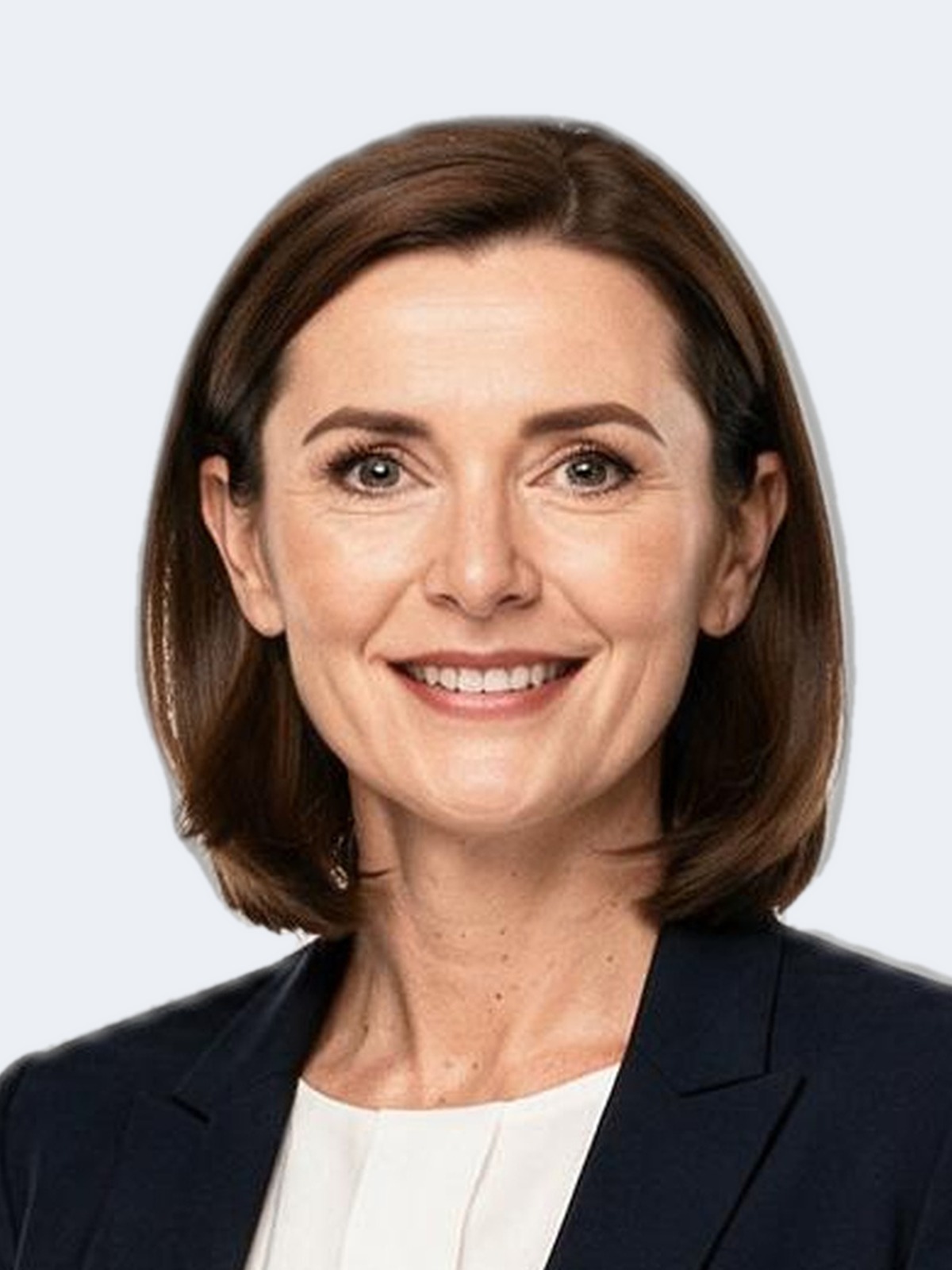
Anna KovalevskayaAnna KovalevskayaHead of Legal, BRIDGESReading time9 min readVerificationReviewed by an expert

This case is based on a real matter. The name and certain identifying details have been changed to protect confidentiality.

BRIDGES client story - How a Family of 9 Obtained Malta Permanent Residence by Optimizing Dependent Fees
Contents

Case at a glance

Situation, solution and outcome in seven lines

Clients
Family of 9 people, three generations
Composition
Principal applicant, spouse, children, adult children, elderly relatives
Program
Malta, Permanent Residence (Malta Permanent Residence Programme), post-reform
Challenge
Dependent fees and proof of dependency for elderly relatives
Risk
Multiplied contributions and rejection due to dependency issues
Solution
Optimal configuration, Dependency Package, single application
Result
All 9 people approved, status granted

Client story

Client Story

Where they started

The family head wanted to bring everyone under his roof: his wife, children, adult children, and elderly parents—nine people from three generations. For a large family, permanent residency is valuable precisely because it provides a unified status and a European future for everyone at once.

Why the standard route did not work

But a large family is not one case repeated nine times. The MPRP reform changed dependent fees, and the way the application is structured directly determines the final cost: an suboptimal configuration multiplies contributions.

What BRIDGES had to solve

The second challenge is proving dependency. Including children is straightforward, but adult children and elderly relatives can only be included upon confirmation that they are financially dependent on the principal applicant. Without a Dependency Package for each of them, RMA will reject their inclusion.

Why a standard answer would not do

The family approached BRIDGES understanding that the task was to process all nine members as a single unit, optimizing fees and proving the dependency of each person not automatically included by law.

There are nine of us—from children to my parents. I was afraid we would have to pay the full amount for each person and that the elderly would not be included at all. Anna recalculated the fees under the new rules, gathered proof of dependency for the adults and parents, and submitted everyone in a single application. All nine were approved.


Dmitry · Family HeadThe name and certain identifying details have been changed to protect confidentiality.

What Was at Stake

What Was at Stake

A large family is an optimization task, not multiplication. The reform changed dependent fees, and an incorrect application configuration multiplies contributions. Adult children and elderly relatives are included only when dependency is proven—otherwise rejection.

Significant cost increase due to suboptimal application configuration;

  1. 01Rejection of adult children without proof of dependency;
  2. 02Rejection of elderly relatives without a Dependency Package;
  3. 03Division into multiple applications and multiplication of government fees;
  4. 04Delays due to RMA inquiries regarding each dependent.

The logic of the solution

How the matter progressed: from checks to result

The chart is built from the facts of this matter and shows the logic of the work without decorative or unverified data.

BasisStage 1

We categorized all 9 individuals by inclusion criteria and recalculated dependent fees under the new reform rules—identifying the optimal configuration for submission under a single qualifying investment rather than fragmenting into multiple applications.

  • 01
    Stage 2

    For the spouse and children, we compiled a standard family package—marriage and birth certificates with apostille and certified translation.

  • 02
    Stage 3

    For each adult child and each elderly family member, we compiled a Dependency Package: evidence of financial dependence on the applicant, absence of sufficient independent income, and joint maintenance.

  • 03
    Stage 4

    We selected qualifying residential property of sufficient size for the actual residence of all nine individuals, meeting the program threshold requirements.

  • 04
    Stage 5

    We consolidated all nine individuals into a single MPRP application and calculated the final fee estimate under the reform, eliminating the risk of proportional cost increases, and submitted the package to RMA with substantiation for each dependent.

Takeaway. The critical factor was not family size but application structure: one application under one investment and proven dependency for each individual eliminated proportional overpayment and rejections. Three generations obtained collective status in Europe.

How we solved the problem

How we solved the problem

The work was split into verifiable stages so that every conclusion rested on documents.

  1. 01

    Stage 1

    We categorized all 9 individuals by inclusion criteria and recalculated dependent fees under the new reform rules—identifying the optimal configuration for submission under a single qualifying investment rather than fragmenting into multiple applications.

  2. 02

    Stage 2

    For the spouse and children, we compiled a standard family package—marriage and birth certificates with apostille and certified translation.

  3. 03

    Stage 3

    For each adult child and each elderly family member, we compiled a Dependency Package: evidence of financial dependence on the applicant, absence of sufficient independent income, and joint maintenance.

  4. 04

    Stage 4

    We selected qualifying residential property of sufficient size for the actual residence of all nine individuals, meeting the program threshold requirements.

  5. 05

    Stage 5

    We consolidated all nine individuals into a single MPRP application and calculated the final fee estimate under the reform, eliminating the risk of proportional cost increases, and submitted the package to RMA with substantiation for each dependent.

  6. 06

    Stage 6

    We addressed RMA clarification requests regarding the dependency of the elderly generation and adult children with supplementary evidence—all nine individuals were approved and status was granted.

Expert comment

Large families are my favorite work: the key is to ensure no one is left behind and no one overpays. Nine individuals, three generations—and immediately two pitfalls: dependent fees under the reform and proof of dependency for seniors and adult children. I calculate the budget for the specific composition, not based on an averaged price list: one application, one investment, optimal configuration. And for each adult and elderly member—a Dependency Package, otherwise rejection is certain. That is how we secured approval for all nine.

Anna Kovalevskaya, Head of Legal, BRIDGESAnna KovalevskayaHead of Legal, BRIDGES

Outcome

What the client received

What was required
How we did it · Result
Include 9 individuals
optimal application configuration · all in one composition
Do not multiply contributions
one application under one investment · affordable budget
Prove dependency of seniors
Dependency Package per person · inclusion confirmed
Obtain status
MPRP package to RMA · Permanent residency for nine individuals
Obtain status
MPRP package to RMA · Permanent residency for nine individuals

A family of 9 individuals obtained Malta permanent residency as a unified group: dependent fees calculated under the new reform rules in optimal configuration, the dependency of adult children and the older generation proven through the Dependency Package, and qualifying residential property selected for all. RMA approved the entire composition.

Practical takeaway

What matters in a similar situation

  • The critical factor was not family size but application structure: one application under one investment and proven dependency for each individual eliminated proportional overpayment and rejections. Three generations obtained collective status in Europe.
  • This case demonstrates that a large family is a solvable optimization problem. Proper application configuration and a Dependency Package for each indirect dependent can secure program approval even for a composition of nine individuals.

FAQ

Questions people ask in a similar situation

01How many individuals can be included in MPRP?

The applicant, spouse, children, and ascending dependent relatives. The composition is not formally limited, but each indirect dependent must be substantiated and fees calculated according to reform rules.

02How do I include adult children and elderly parents?

Through Dependency Package - evidence of financial dependence on the applicant: maintenance, absence of sufficient independent income, joint financial support.

03Can savings be achieved for large families on processing fees?

Yes, through optimal structuring: one application for one qualifying investment instead of fragmentation. Specific calculation is performed under new reform rules tailored to your family composition.

04What changes did the reform introduce to processing fees?

Among other changes - rules for dependent fees. Therefore, budget estimates for large families must be recalculated under current parameters.

05Is large residential property required?

Property must meet qualification thresholds and realistically accommodate the declared family composition. For large families, this is considered when selecting the property.

06Want to relocate a large family under a single status?

We will calculate dependent fees under reform rules, prepare Dependency Package documentation for adults and older dependents, and process everyone under one MPRP application - without proportional overpayment and rejections.

About the author

Anna Kovalevskaya

Author: Anna Kovalevskaya

Head of Legal, BRIDGES

I have worked with citizenship and residency matters in European countries for 12 years. Programme requirements and application practices change, so I assess each matter against the current rules, the applicant's immigration history, family composition and the documents supporting the legal basis for the application.

I lead matters from the preliminary assessment through to the grant of status. In complex situations, I identify the circumstances that may affect the review, establish the legal logic of the application and oversee the consistency of the supporting documents at every stage.

During the consultation, you will receive an assessment of the available legal grounds, a clear understanding of the chosen route and a list of issues that should be resolved before filing. Once the engagement begins, I oversee the application and the key decisions of the BRIDGES team.

Prepared on the basis of BRIDGES practice and reviewed by a subject-matter expert.

Discuss your situation with Anna

We will review your situation and propose a solution

Describe your task in a few words. We will study your situation, assess the legal and practical options and propose the next step based on your goals, documents and country.

Confidential · no obligations · answered by the relevant specialist

Or message us on WhatsApp or Telegram

Dmitry NagyInternational Tax Consultant, BRIDGES
Dmitry Nagy, International Tax Consultant, BRIDGES

Names and certain details have been changed to protect client confidentiality. The result described reflects one specific situation and is neither a public offer nor a guarantee of a similar outcome. Programme terms are stated as of 2026 and may change - please confirm current parameters with a BRIDGES consultant.