
Updated: June 2026

Case study · Malta · Tax

How We Successfully Completed Four-Level Due Diligencewith a Lebanese Passport and Destroyed Archives

When part of your history is physically destroyed, proving capital origin requires relying on what survives. Nadim's Lebanese passport automatically placed his case in the ultra-high-risk category according to World-Check and Interpol databases, and Malta's compliance requirements demanded disclosure of all project structures for 10 years. The problem was that some archives in Beirut were destroyed during the crisis. We outline step-by-step how we built protection for his Dubai and international assets and completed the four-level Due Diligence process.

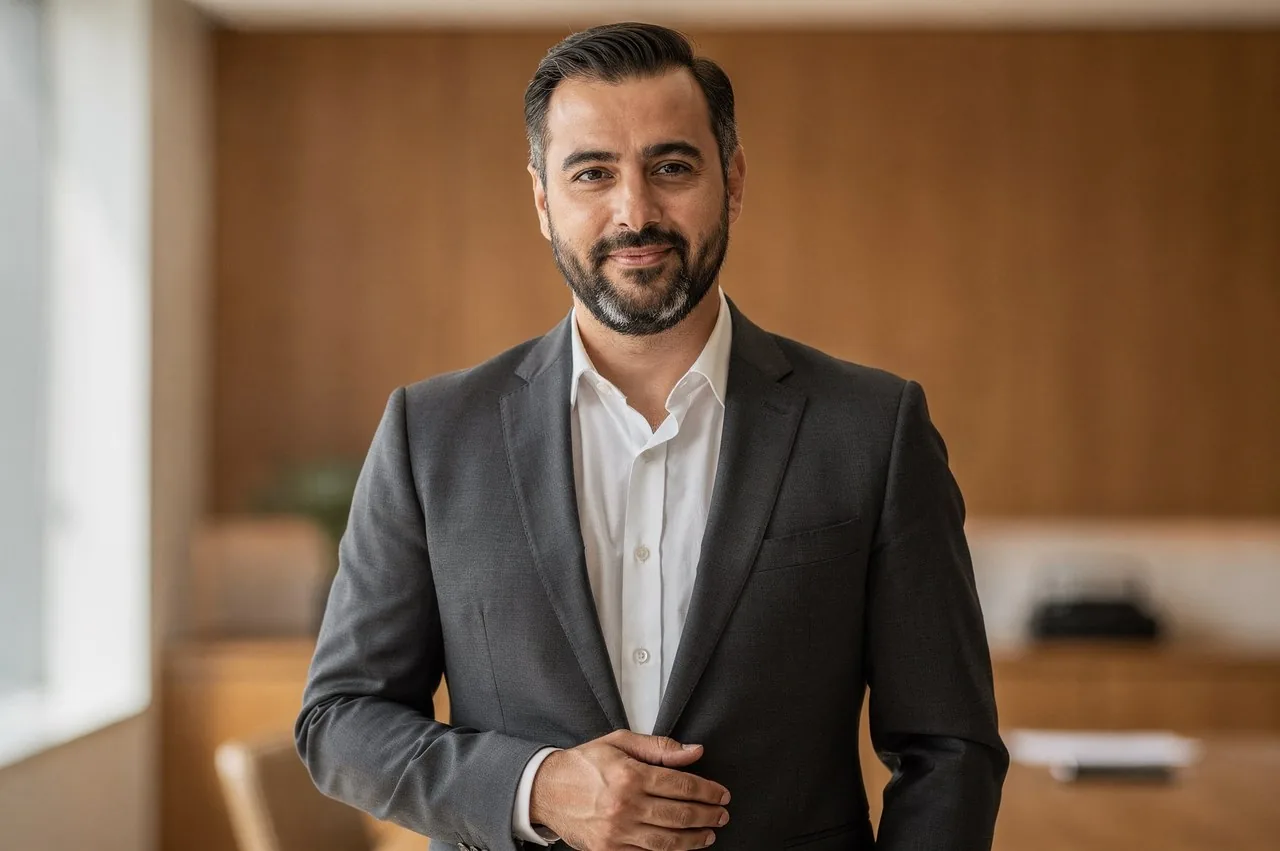
Dmitry NagyDmitry NagyInternational Tax Consultant, BRIDGESReading time9 min readVerificationReviewed by an expert

This case is based on a real matter. The name and certain identifying details have been changed to protect confidentiality.

BRIDGES client story - How We Successfully Completed Four-Level Due Diligence with a Lebanese Passport and Destroyed Archives
Contents

Case at a glance

Situation, solution and outcome in seven lines

Client
Nadim, approximately 48 years old, entrepreneur
Passport
Lebanon - ultra-high-risk category
Program
Malta, Permanent Residence (Malta Permanent Residence Programme)
Problem
Requirement to disclose 10-year structure; part of Beirut archives destroyed
Databases
World-Check, Interpol - automatic high-risk flagging
Solution
Reconstruction of history based on Dubai and international assets
Result
Four-level Due Diligence completed successfully

Client story

Client's Background

Where they started

Nadim is an international entrepreneur with projects in several countries, assets in the UAE, and roots and business operations in Lebanon. His capital is legitimate, but his geographic footprint and passport made the residence permit case inherently challenging.

Why the standard route did not work

The first problem is the passport itself. Lebanese citizenship automatically places an applicant in the ultra-high-risk category according to databases such as World-Check and Interpol watchlists. This is not an accusation but a presumption: compliance by default views such a client with maximum suspicion and requires evidence above the standard threshold.

What BRIDGES had to solve

The second, more serious problem is the destroyed archives. Malta's compliance requirements demanded disclosure of the structure of all projects and the origin of funds for 10 years. However, some documents in Beirut were physically destroyed during the crisis—banking records, corporate archives that would normally form the basis of the file. There was nothing to prove the history precisely where it originated.

Why a standard answer would not do

Nadim approached BRIDGES understanding that the standard path—"provide documents for 10 years"—was closed to him. He needed to prove capital origin using what survived: his international, primarily Dubai-based, operations.

My passport immediately makes me "ultra-high risk," even though I violated nothing. And half of my Beirut archives were simply destroyed in the crisis—they physically no longer exist. I thought it was a dead end. Dmitry and his team reconstructed my history from scratch based on my Dubai assets and took it through four levels of verification.


Nadim, 48 · Nadim, EntrepreneurThe name and certain identifying details have been changed to protect confidentiality.

What Was at Stake

What Was at Stake

Ultra-high risk by passport means not a refusal, but a heightened evidentiary standard. The most challenging situation is when part of the history is physically lost: the standard "provide documents for 10 years" becomes impossible, and the case must be built on the surviving portion.

Automatic ultra-high-risk categorization according to World-Check and Interpol;

  1. 01Requirement to disclose structure and source of funds for 10 years;
  2. 02Physically destroyed Beirut archives—no evidence available;
  3. 03Presumption of suspicion requiring evidence above standard thresholds;
  4. 04Risk of refusal due to inability to provide a standard documentation package.

The logic of the solution

How the matter progressed: from checks to result

The chart is built from the facts of this matter and shows the logic of the work without decorative or unverified data.

  1. 01
    Stage 1

    Assessed the passport risk category and the specific Malta compliance requirements for 10-year history.

  2. 02
    Stage 2

    Conducted full identification of Nadim to remove the automatic presumption under World-Check and Interpol.

  3. 03
    Stage 3

    Reconstructed the source of funds based on Dubai assets: audited financial statements and UAE bank records.

  4. 04
    Stage 4

    Disclosed the project structure for the international component through corporate registries.

  5. 05
    Stage 5

    Covered the destroyed Beirut archives with affidavits and secondary sources instead of non-existent documents.

Takeaway. The case succeeded not despite the Lebanese passport, but by shifting the focus to the surviving, documented portion of capital. What appeared to be a dead end due to lost archives became a solvable problem.

How we resolved the matter

How we resolved the matter

The work was split into verifiable stages so that every conclusion rested on documents.

  1. 01

    Stage 1

    Assessed the passport risk category and the specific Malta compliance requirements for 10-year history.

  2. 02

    Stage 2

    Conducted full identification of Nadim to remove the automatic presumption under World-Check and Interpol.

  3. 03

    Stage 3

    Reconstructed the source of funds based on Dubai assets: audited financial statements and UAE bank records.

  4. 04

    Stage 4

    Disclosed the project structure for the international component through corporate registries.

  5. 05

    Stage 5

    Covered the destroyed Beirut archives with affidavits and secondary sources instead of non-existent documents.

  6. 06

    Stage 6

    Passed a four-level Due Diligence, confirming capital history on the surviving international basis.

Expert comment

A Lebanese passport today is automatic ultra-high risk, and complaining is pointless: the standard of proof is simply higher. The real difficulty was not in that, but in the destroyed archives—when half the history physically does not exist. I always say: do not attempt to reconstruct what does not exist, build from what survived. Nadim had a strong, documented Dubai component—we built the file on that, and closed the Beirut gaps with affidavits. Four levels of verification passed based on what is genuinely provable.

Dmitry Nagy, International Tax Consultant, BRIDGESDmitry NagyInternational Tax Consultant, BRIDGES

Outcome

What the client received

Level
Complexity · Outcome
Passport
Ultra-high risk · Identification, presumption removed
Source of funds
Archives destroyed · Reconstructed from UAE assets
Project structure
Disclosed over 10 years · International registries
Due Diligence
4 levels · Passed
Due Diligence
4 levels · Passed

Nadim passed a four-level Due Diligence: the source of funds was reconstructed from Dubai audited assets and international registries, and the destroyed Beirut archives were covered by affidavits and secondary sources. The ultra-high risk category was addressed through elevated quality of evidence.

Practical takeaway

What matters in a similar situation

  • The case succeeded not despite the Lebanese passport, but by shifting the focus to the surviving, documented portion of capital. What appeared to be a dead end due to lost archives became a solvable problem.
  • The case demonstrates: neither a "difficult" passport nor lost documents make a case hopeless. The strategy of proof is decisive—building the file on what survived and closing gaps with legitimate secondary tools.

FAQ

Questions people ask in a similar situation

01Can one obtain permanent residence with a "difficult" passport?

Yes. Ultra-high risk by passport means not a refusal, but a heightened standard of proof. The case is built on quality identification and transparent source of funds.

02How to prove source of funds if archives are lost?

Shift the focus to the surviving portion of capital—for example, audited assets and bank records in another jurisdiction—and close gaps with affidavits and secondary sources.

03What is a four-tier Due Diligence?

Multi-level verification: identity, source of funds, project structure, and reputation. A separate evidence package is prepared for each tier.

04Is automatic risk removal possible through World-Check?

Listing in a category is not automatically removed, but full identification and transparent documentation eliminate the presumption of suspicion during review.

05Will affidavits substitute for documents?

Yes, as secondary evidence where primary documents are physically lost. Combined with preserved assets, they close documentation gaps.

06Do complicated passports or lost archives prevent passing the verification?

We will build a file based on the preserved portion of your capital, close gaps with legitimate affidavits, and guide you through multi-tier Due Diligence for Malta Permanent Residency.

About the author

Dmitry Nagy

Author: Dmitry Nagy

International Tax Consultant, BRIDGES

I lead the international tax practice at BRIDGES and work at the intersection of tax residence, cross-border reporting and banking compliance. I assess how citizenship, residence, relocation or a new ownership structure may affect the client's tax obligations, banking profile and capital.

My work covers tax residence, CRS and FATCA requirements, source of funds and the questions a bank may raise. These elements should be considered together, because inconsistencies between documents, declarations and the underlying circumstances can create risks after a status has been obtained or an account has been opened.

During the consultation, you will receive an assessment of the tax and banking implications of the proposed decision. Where further work is required, I determine the financial documentation and personally oversee the tax and compliance aspects of the BRIDGES project.

Prepared on the basis of BRIDGES practice and reviewed by a subject-matter expert.

Discuss your situation with Dmitry

We will review your situation and propose a solution

Describe your task in a few words. We will study your situation, assess the legal and practical options and propose the next step based on your goals, documents and country.

Confidential · no obligations · answered by the relevant specialist

Or message us on WhatsApp or Telegram

Dmitry NagyInternational Tax Consultant, BRIDGES
Dmitry Nagy, International Tax Consultant, BRIDGES

Names and certain details have been changed to protect client confidentiality. The result described reflects one specific situation and is neither a public offer nor a guarantee of a similar outcome. Programme terms are stated as of 2026 and may change - please confirm current parameters with a BRIDGES consultant.