
Updated: June 2026

Case study · Hungary · Citizenship

How Hungarian Roots Were Proven Through a Great-Grandfather- a Prisoner of War Who Settled in Siberia

Hungarian roots sometimes trace to places where war carried them—to a Siberian prisoner of war camp. Andrey's great-grandfather was a Hungarian soldier who was captured, ended up in Siberia, and stayed there, married, and started a new life. No documents about his Hungarian past were preserved in the family. We explain step-by-step how we located his prisoner of war record in the military archive and his birth certificate in the homeland—and obtained an EU passport.

Anna KovalevskayaAnna KovalevskayaHead of Legal, BRIDGESReading time9 min readVerificationReviewed by an expert

This case is based on a real matter. The name and certain identifying details have been changed to protect confidentiality.

BRIDGES client story - How Hungarian Roots Were Proven Through a Great-Grandfather - a Prisoner of War Who Settled in Siberia
Contents

Case at a glance

Situation, solution and outcome in seven lines

Client
Andrey, approximately 45 years old
Roots
Great-grandfather—Hungarian prisoner of war who settled in Siberia
Complexity
No documents about the great-grandfather's Hungarian past were preserved
Program
Hungary, EU citizenship
Where to Search
Prisoner of war archives and birth certificate in the historical homeland
Solution
Locate the prisoner of war record and the great-grandfather's birth certificate
Outcome
Hungarian descent proven, EU passport obtained

Client story

Client's Story

Where they started

In Andrey's family, the great-grandfather's story was told sparingly: Hungarian, fought, was captured, ended up in Siberia—and stayed there. He married a local woman, changed his way of life, and from his Hungarian past only this brief account remained. No documents, no photographs with signatures, not even the exact place of his origin.

Why the standard route did not work

When Andrey considered obtaining an EU passport, it became clear that there was nothing to prove his roots with. The great-grandfather—a prisoner of war who settled in a foreign country—did not bring any archives with him: prisoners arrived without documents and began new lives with a clean slate. Hungarian descent existed only in family memory.

What BRIDGES had to solve

However, this situation has a distinctive characteristic that few people know about. Prisoners of war were meticulously recorded: individual cards were created for each, recording name, year and place of birth, nationality, and military unit. These cards did not disappear—they are preserved in military archives. The fact that the great-grandfather was captured paradoxically preserved a documentary trace of his origin.

Why a standard answer would not do

Andrey approached BRIDGES, understanding that his case was not for ordinary family document research: it was necessary to access the prisoner of war records and connect them with the great-grandfather's birth certificate in the homeland.

We knew only one thing about the great-grandfather: Hungarian, prisoner of war, Siberia, stayed. Not a single document. I was certain—there was nothing to prove. Anna explained that prisoners of war were recorded individually and found his prisoner of war card in the archive, which contained both nationality and place of birth. Then, based on this location, we obtained his birth certificate in Hungary. The two documents matched—and the roots were recognized. I obtained a passport.

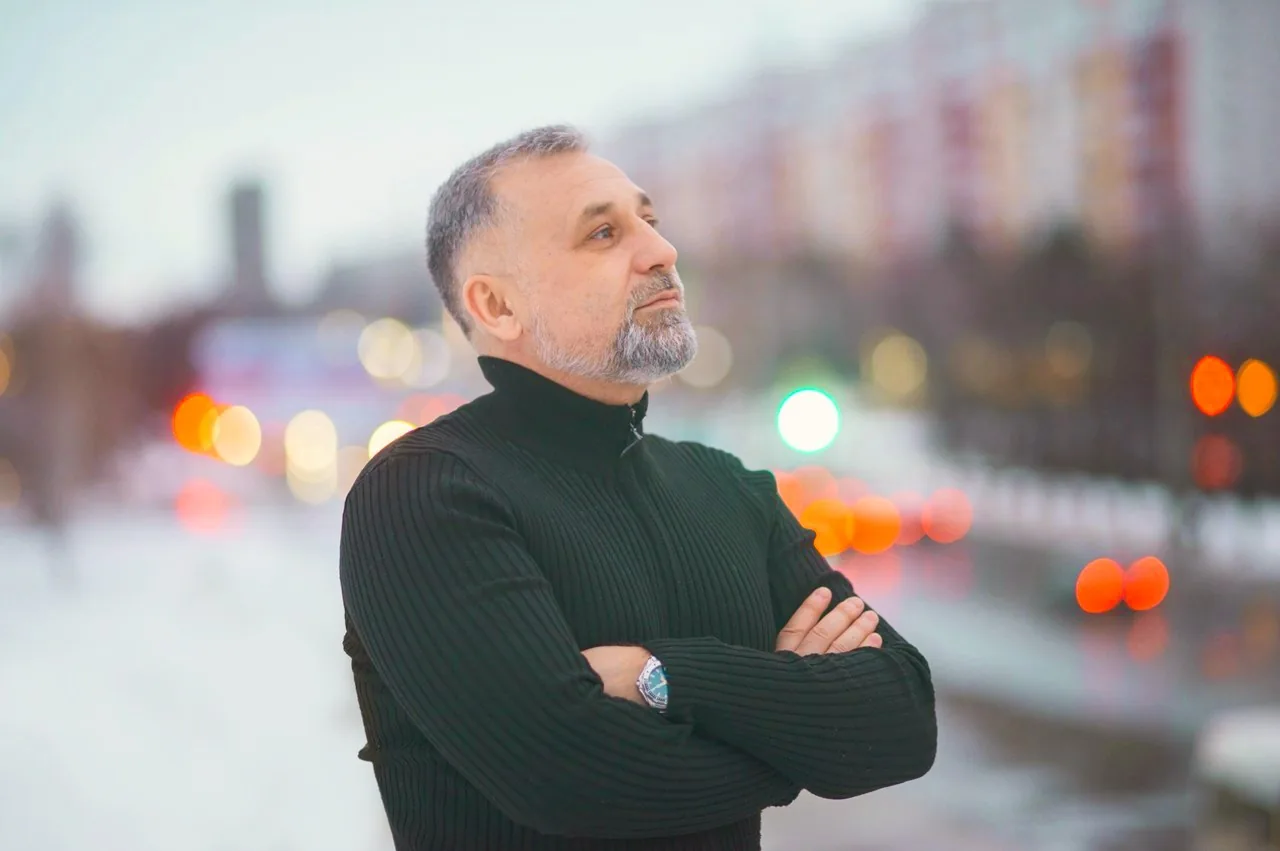
Andrey, 45 · Andrey, through Hungarian descentThe name and certain identifying details have been changed to protect confidentiality.

What Was at Risk

What Was at Risk

A prisoner of war who settled in a foreign country did not bring archives with him: prisoners arrived without documents and began new lives from scratch. It seemed there was nothing to prove. But prisoners of war were recorded individually, and these cards were preserved in military archives—that is where the trace of origin lies.

Not a single document remained from the great-grandfather who was a prisoner of war;

  1. 01Hungarian descent existed only in family tradition;
  2. 02The exact place of origin of the great-grandfather was unknown;
  3. 03Ordinary family document research was useless here;
  4. 04The great-grandfather's place of birth could have changed state jurisdiction.

The logic of the solution

How the matter progressed: from checks to result

The chart is built from the facts of this matter and shows the logic of the work without decorative or unverified data.

  1. 01
    Stage 1

    We converted family tradition into search points. From family stories, we identified everything that could help: the great-grandfather's name, approximate period of captivity, the Siberian region where he settled. No one knew the exact place of birth - but this was not required at the start: it was important to understand which military archive to search for his card.

  2. 02
    Stage 2

    We obtained the prisoner of war card. We requested the prisoner of war registry from the military archive that holds cards on prisoners from the Hungarian army. In the great-grandfather's card, the state recorded what the family did not know: nationality ("Hungarian"), year and place of birth, military unit. This military registration document became the first solid proof of Hungarian origin.

  3. 03
    Stage 3

    We found the birth record in the homeland. Now knowing the exact location and year from the card, we requested the great-grandfather's birth certificate from the state archive in the historical homeland. The difficulty was with borders: over a century, the region changed sovereignty between Hungary and neighboring countries, so we prepared the request taking into account which state the territory belonged to in the year of the great-grandfather's birth.

  4. 04
    Stage 4

    We linked the card and birth certificate to one person. The name, year, and place of birth in the prisoner of war card and in the birth certificate matched - meaning they referred to one person. We prepared justification for this match so that the Hungarian side would have no doubt that the prisoner from the Siberian registry and the person recorded in the birth certificate were the same great-grandfather.

  5. 05
    Stage 5

    We completed the line from great-grandfather to grandfather to father to Andrey. We recovered missing certificates through the civil registry and explained discrepancies in the surname spelling: the great-grandfather's Hungarian surname was recorded phonetically in Siberia using Cyrillic script, and over generations it became distorted.

Takeaway. Conclusion: if an ancestor was a prisoner of war, his trace is sought not in family documents, but in military records. Prisoners were registered by name, and their cards preserve nationality and place of birth - ready proof of origin.

How we solved the problem

How we solved the problem

The work was split into verifiable stages so that every conclusion rested on documents.

  1. 01

    Stage 1

    We converted family tradition into search points. From family stories, we identified everything that could help: the great-grandfather's name, approximate period of captivity, the Siberian region where he settled. No one knew the exact place of birth - but this was not required at the start: it was important to understand which military archive to search for his card.

  2. 02

    Stage 2

    We obtained the prisoner of war card. We requested the prisoner of war registry from the military archive that holds cards on prisoners from the Hungarian army. In the great-grandfather's card, the state recorded what the family did not know: nationality ("Hungarian"), year and place of birth, military unit. This military registration document became the first solid proof of Hungarian origin.

  3. 03

    Stage 3

    We found the birth record in the homeland. Now knowing the exact location and year from the card, we requested the great-grandfather's birth certificate from the state archive in the historical homeland. The difficulty was with borders: over a century, the region changed sovereignty between Hungary and neighboring countries, so we prepared the request taking into account which state the territory belonged to in the year of the great-grandfather's birth.

  4. 04

    Stage 4

    We linked the card and birth certificate to one person. The name, year, and place of birth in the prisoner of war card and in the birth certificate matched - meaning they referred to one person. We prepared justification for this match so that the Hungarian side would have no doubt that the prisoner from the Siberian registry and the person recorded in the birth certificate were the same great-grandfather.

  5. 05

    Stage 5

    We completed the line from great-grandfather to grandfather to father to Andrey. We recovered missing certificates through the civil registry and explained discrepancies in the surname spelling: the great-grandfather's Hungarian surname was recorded phonetically in Siberia using Cyrillic script, and over generations it became distorted.

  6. 06

    Stage 6

    We submitted the citizenship file. While it was under review, we kept explanations ready regarding the prisoner of war card and the matching data. Andrey received an EU passport - the great-grandfather's Hungarian roots, who was brought to Siberia by war, were fully recognized.

Expert comment

Stories about prisoners of war are among the most moving in my work. A man fought, was taken prisoner, ended up thousands of kilometers from home, stayed - and from his homeland, the family retained only one word: "Hungarian." It seems there is nothing to prove: prisoners arrived without documents. But I know - prisoners were registered by name, and their cards lie in military archives with nationality and place of birth. What brought the great-grandfather into captivity also preserved the trace of his roots. For Andrey, we obtained this card, found the great-grandfather's birth certificate in the homeland based on it, and linked them to one person. The trickiest part is the surname: in Siberia it was recorded phonetically, and over a century it became distorted - this needs to be carefully explained. War separated the great-grandfather from his homeland, and through documents we returned the homeland to his great-grandson.

Anna Kovalevskaya, Head of Legal, BRIDGESAnna KovalevskayaHead of Legal, BRIDGES

Outcome

What the client received

What was required
How we did it · Result
Prove roots without documents
Prisoner of war card from the archive · Nationality and location recorded
Find the great-grandfather's record
Birth certificate in the historical homeland · Birth confirmed
Prove it is the same person
Name, year, location verification · Identity established
Obtain an EU passport
Line of roots through archives · Citizenship recognized
Obtain an EU passport
Line of roots through archives · Citizenship recognized

What was: great-grandfather - Hungarian prisoner of war who settled in Siberia, without a single document about his Hungarian past; roots lived only in family tradition. What we did: based on stories, we determined where to search; we obtained the prisoner of war card from the military archive, which recorded the great-grandfather's nationality, year and place of birth; we found the birth certificate based on it; we proved it was one person; we completed the line to Andrey. What the client received: proven roots and an EU passport.

Practical takeaway

What matters in a similar situation

  • Conclusion: if an ancestor was a prisoner of war, his trace is sought not in family documents, but in military records. Prisoners were registered by name, and their cards preserve nationality and place of birth - ready proof of origin.
  • Andrey received a European passport, and the Hungarian roots of the great-grandfather, whom war brought to Siberian captivity, returned to the family as a document.

FAQ

Questions people ask in a similar situation

01Is it possible to prove roots through an ancestor who was a prisoner of war?

Yes. Prisoners of war were registered by name, and cards with nationality, year, and place of birth are stored in military archives. This is a documentary trace of origin, even if there are no family documents.

02What information is recorded in a prisoner of war card?

As a rule - surname, year and place of birth, nationality, and military unit. This information is sufficient to subsequently locate the ancestor's birth record in their homeland.

03What should be done if the place of birth changed countries?

A request for the birth certificate is directed to the archive of the state to which the territory belonged in the year of the ancestor's birth. Often, requests are submitted in parallel to the archives of neighboring countries.

04How can a distorted ancestor's surname be explained?

By the fact that in captivity and in Siberia the surname was recorded phonetically, in Cyrillic script, and over generations it changed. This is confirmed by comparing spellings and translation.

05Does a prisoner of war card prove ancestry on its own?

It provides nationality and place of birth, but the lineage is completed by the birth record in the homeland and proof that this is the same person.

06An ancestor was a prisoner of war, and the roots seem unprovable?

We will retrieve the prisoner of war card from the military archive, locate the ancestor's birth record in their homeland, and connect everything in a line of descent - to prove ancestry and proceed to an EU passport.

About the author

Anna Kovalevskaya

Author: Anna Kovalevskaya

Head of Legal, BRIDGES

I have worked with citizenship and residency matters in European countries for 12 years. Programme requirements and application practices change, so I assess each matter against the current rules, the applicant's immigration history, family composition and the documents supporting the legal basis for the application.

I lead matters from the preliminary assessment through to the grant of status. In complex situations, I identify the circumstances that may affect the review, establish the legal logic of the application and oversee the consistency of the supporting documents at every stage.

During the consultation, you will receive an assessment of the available legal grounds, a clear understanding of the chosen route and a list of issues that should be resolved before filing. Once the engagement begins, I oversee the application and the key decisions of the BRIDGES team.

Prepared on the basis of BRIDGES practice and reviewed by a subject-matter expert.

Discuss your situation with Anna

We will review your situation and propose a solution

Describe your task in a few words. We will study your situation, assess the legal and practical options and propose the next step based on your goals, documents and country.

Confidential · no obligations · answered by the relevant specialist

Or message us on WhatsApp or Telegram

Anna KovalevskayaHead of Legal, BRIDGES
Anna Kovalevskaya, Head of Legal, BRIDGES

Names and certain details have been changed to protect client confidentiality. The result described reflects one specific situation and is neither a public offer nor a guarantee of a similar outcome. Programme terms are stated as of 2026 and may change - please confirm current parameters with a BRIDGES consultant.