Updated: June 2026

Case study · Grenada · Citizenship

How an Adopted Child Was Included in Grenada Citizenshipon Equal Terms with Biological Children

For parents, an adopted child is no different from a biological one - but in a citizenship application, this sometimes needs to be confirmed with documents. Our family was obtaining Grenada citizenship and wanted the adopted child to receive a passport on equal terms with everyone else. The task was straightforward yet important - to properly confirm the adoption. We explain how we included the child in the application.

Sergey EvdokimovSergey EvdokimovManaging Partner, BRIDGESReading time8 min readVerificationReviewed by an expert

This case is based on a real matter. The name and certain identifying details have been changed to protect confidentiality.

BRIDGES client story - How an Adopted Child Was Included in Grenada Citizenship on Equal Terms with Biological Children
Contents

Case at a glance

Situation, solution and outcome in seven lines

Client
Family with biological and adopted children
Objective
Grenada citizenship for the entire family
Program
Grenada, Citizenship by Investment
Key Considerations
Inclusion of adopted child on equal terms with biological children
Requirement
Legally recognized adoption
Solution
Confirmation of adoption + inclusion in application
Outcome
Passports for all, including the adopted child

Client story

Client's Story

Where they started

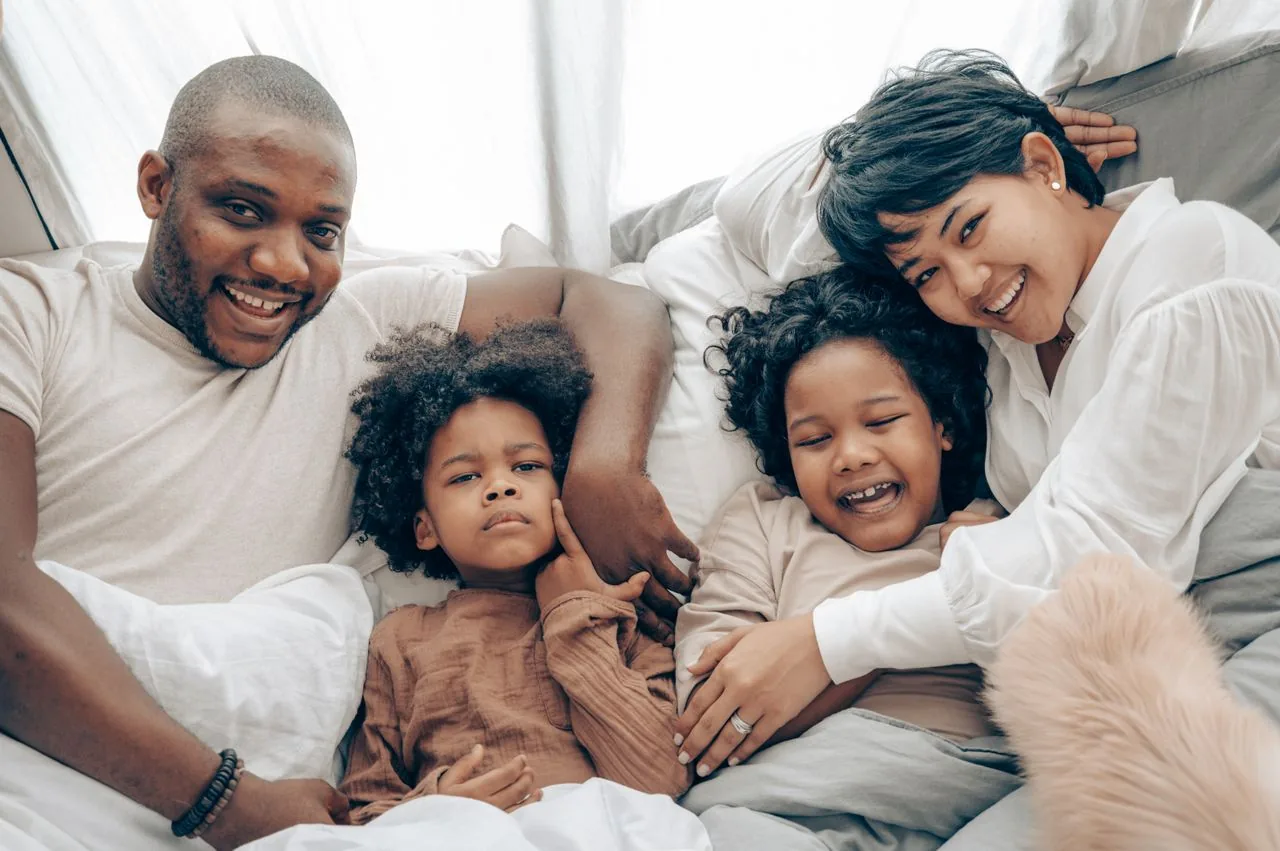
The family chose Grenada citizenship as an accessible second passport with broad mobility benefits. The objective was shared - to provide European-level freedom of movement to the entire family, including the adopted child, whom the parents love and consider their own on equal terms with their biological children.

Why the standard route did not work

The family consisted of spouses, a biological child, and an adopted child. For the parents, there were no differences between the children, but the program examines documents: a child is included as a family member, and for an adopted child, recognition of the adoption must be demonstrated.

What BRIDGES had to solve

It is important to understand: programs include adopted children on equal terms with biological children - the adopted child has full rights. The issue is not about rights, but about documents: the adoption must be legally formalized and recognized, so that verification raises no questions about the child's status.

Why a standard answer would not do

The family came to BRIDGES to prevent a situation where a biological child receives a passport but the adopted child does not due to formalities. Our task was to confirm the adoption and include both children equally.

Both children are equally ours, and the thought that the adopted child might not be included because of paperwork was unbearable. Anna immediately assured us: an adopted child is included on equal terms with a biological child; we only needed to properly confirm the adoption. The team collected the documents and formalized the recognition correctly. As a result, all four of us received Grenada passports. No difference between the children - exactly as it should be.

Anna · Mother of Two ChildrenThe name and certain identifying details have been changed to protect confidentiality.

Key Considerations

Key Considerations

There was no capital risk here - there was a risk of leaving the adopted child without a passport for a formal reason. The program includes adopted children on equal terms with biological children, but only with legally confirmed adoption. If recognition is formalized incompletely, the child may be excluded from the application. The key is to prepare adoption documents in impeccable condition in advance.

That an adopted child is included on equal terms with a biological child;

  1. 01Legal recognition of adoption and its documentary confirmation;
  2. 02Compliance of documents with verification requirements;
  3. 03Simultaneous inclusion of biological and adopted children;
  4. 04That the adopted child has full rights - the issue is about documents.

The logic of the solution

How the matter progressed: from checks to result

The chart is built from the facts of this matter and shows the logic of the work without decorative or unverified data.

BasisStage 1

Confirmed the adoptive child's rights. First, we explained the key point to the family: an adopted child is included on equal terms with a biological child. This removed their main concern - that the adopted child would be left without a passport.

  • 01
    Stage 2

    Reviewed adoption documents. We examined the existing adoption documents and determined whether they were sufficient for recognition. The completeness of these documents determined whether the child's inclusion would proceed without questions.

  • 02
    Stage 3

    Brought the adoption recognition into impeccable condition. We prepared and executed the documents so that the legal recognition of adoption would be indisputable upon review. This transformed the child's right into a fact confirmed by documents.

  • 03
    Stage 4

    Processed the program investment. The basis of status was an investment contribution to the program for the entire family. We completed it and prepared the application, which included both children.

  • 04
    Stage 5

    Included both children equally. We added the biological and adoptive child to the application on equal footing, attaching the relevant documents for each. No difference in status arose.

Takeaway. Conclusion: an adoptive child is included on equal terms with the biological child - their rights are full. Documentary confirmation of adoption, prepared in advance, is decisive.

How we handled the case

How we handled the case

The work was split into verifiable stages so that every conclusion rested on documents.

  1. 01

    Stage 1

    Confirmed the adoptive child's rights. First, we explained the key point to the family: an adopted child is included on equal terms with a biological child. This removed their main concern - that the adopted child would be left without a passport.

  2. 02

    Stage 2

    Reviewed adoption documents. We examined the existing adoption documents and determined whether they were sufficient for recognition. The completeness of these documents determined whether the child's inclusion would proceed without questions.

  3. 03

    Stage 3

    Brought the adoption recognition into impeccable condition. We prepared and executed the documents so that the legal recognition of adoption would be indisputable upon review. This transformed the child's right into a fact confirmed by documents.

  4. 04

    Stage 4

    Processed the program investment. The basis of status was an investment contribution to the program for the entire family. We completed it and prepared the application, which included both children.

  5. 05

    Stage 5

    Included both children equally. We added the biological and adoptive child to the application on equal footing, attaching the relevant documents for each. No difference in status arose.

  6. 06

    Stage 6

    Obtained passports for the entire family. Both spouses and both children obtained Grenadian citizenship. The adoptive child entered the family with status equal to the biological child, and the program required no residency.

Expert comment

Families with adoptive children always come with the same concern: will our adopted child not be left out? I immediately alleviate this fear. The rules are clear - an adopted child is included in citizenship on equal terms with a biological child; their rights are full. The difference is not in the rights, but in the documents: adoption must be legally recognized. Here lies the only difficulty - bringing the adoption papers into impeccable condition so that the review raises no questions. We did this, verified each document, and executed the recognition properly. As a result, both children received Grenadian passports equally - and this was most important to the parents. The law is on the family's side here; our job is to ensure the documents correspond to this.

Sergey Evdokimov, Managing Partner, BRIDGESSergey EvdokimovManaging Partner, BRIDGES

Outcome

What the client received

What was required
How we did it · Result
Include the adoptive child
Adoption confirmation · Status equal to biological child
Child's rights
Recognized adoption · Full grounds
Basis of status
Program investment contribution · Program compliance
Family status
Application for all members · Grenadian citizenship for all
Family status
Application for all members · Grenadian citizenship for all

What was: the family was obtaining Grenadian citizenship and wanted to include an adopted child on equal terms with the biological child, which required confirming the adoption recognition. What we did: confirmed the adoptive child's rights; reviewed adoption documents; brought the recognition into impeccable condition; processed the investment; included both children equally; obtained passports for the entire family. What the family received: Grenadian citizenship for all four.

Practical takeaway

What matters in a similar situation

  • Conclusion: an adoptive child is included on equal terms with the biological child - their rights are full. Documentary confirmation of adoption, prepared in advance, is decisive.
  • The adoptive child received a passport on equal terms with the biological child - because we transformed their legal right into an indisputably documented fact.

FAQ

Questions people ask in a similar situation

01Can an adoptive child be included in Grenadian citizenship?

Yes. Adopted children are included on equal terms with biological children. It is important to confirm the legal recognition of adoption with documents that will be accepted upon review.

02How does including an adoptive child differ from a biological child?

Legally—no difference: both are included as the applicant's children. The only distinction lies in documentation: for adopted children, recognized adoption is confirmed; for biological children, biological relationship is confirmed.

03What confirms the status of an adopted child?

Legally executed and recognized adoption documents. These are prepared in impeccable condition in advance to ensure the child's inclusion proceeds without verification issues.

04Must the family reside in Grenada?

No, the program does not require residence. The family receives passports while maintaining freedom and their customary lifestyle.

05What is the cost of Grenadian citizenship for a family?

Contribution to the National Transformation Fund from $235,000 or real estate from $270,000, plus amounts for family members. Terms are clarified with the authorized body.

06Do you want to include your adopted child in citizenship on equal terms with biological children?

We will confirm the legal recognition of adoption and include your adopted child in the application on equal terms with biological children—so that the entire family obtains Grenadian passports without distinction between children.

About the author

Sergey Evdokimov

Author: Sergey Evdokimov

Managing Partner, BRIDGES

As Founder and Managing Partner of BRIDGES, I am responsible for the firm's strategy and personally lead its most complex client matters, including cases in which citizenship or residence decisions require a strategic view and consideration of capital.

I begin by defining the objective: the outcome the client needs, the facts that affect the choice, and the matters that require further review. I then establish the available directions, the sequence of work, and the key decision points.

Once the strategy has been agreed, I oversee the BRIDGES team's key decisions and remain involved at the stages that shape the course of the matter. The purpose is to give the client a clear rationale for the chosen direction and a precise understanding of the next steps.

Prepared on the basis of BRIDGES practice and reviewed by a subject-matter expert.

Discuss your situation with Sergey

We will review your situation and propose a solution

Describe your task in a few words. We will study your situation, assess the legal and practical options and propose the next step based on your goals, documents and country.

Confidential · no obligations · answered by the relevant specialist

Or message us on WhatsApp or Telegram

Anna KovalevskayaHead of Legal, BRIDGES
Anna Kovalevskaya, Head of Legal, BRIDGES

Names and certain details have been changed to protect client confidentiality. The result described reflects one specific situation and is neither a public offer nor a guarantee of a similar outcome. Programme terms are stated as of 2026 and may change - please confirm current parameters with a BRIDGES consultant.