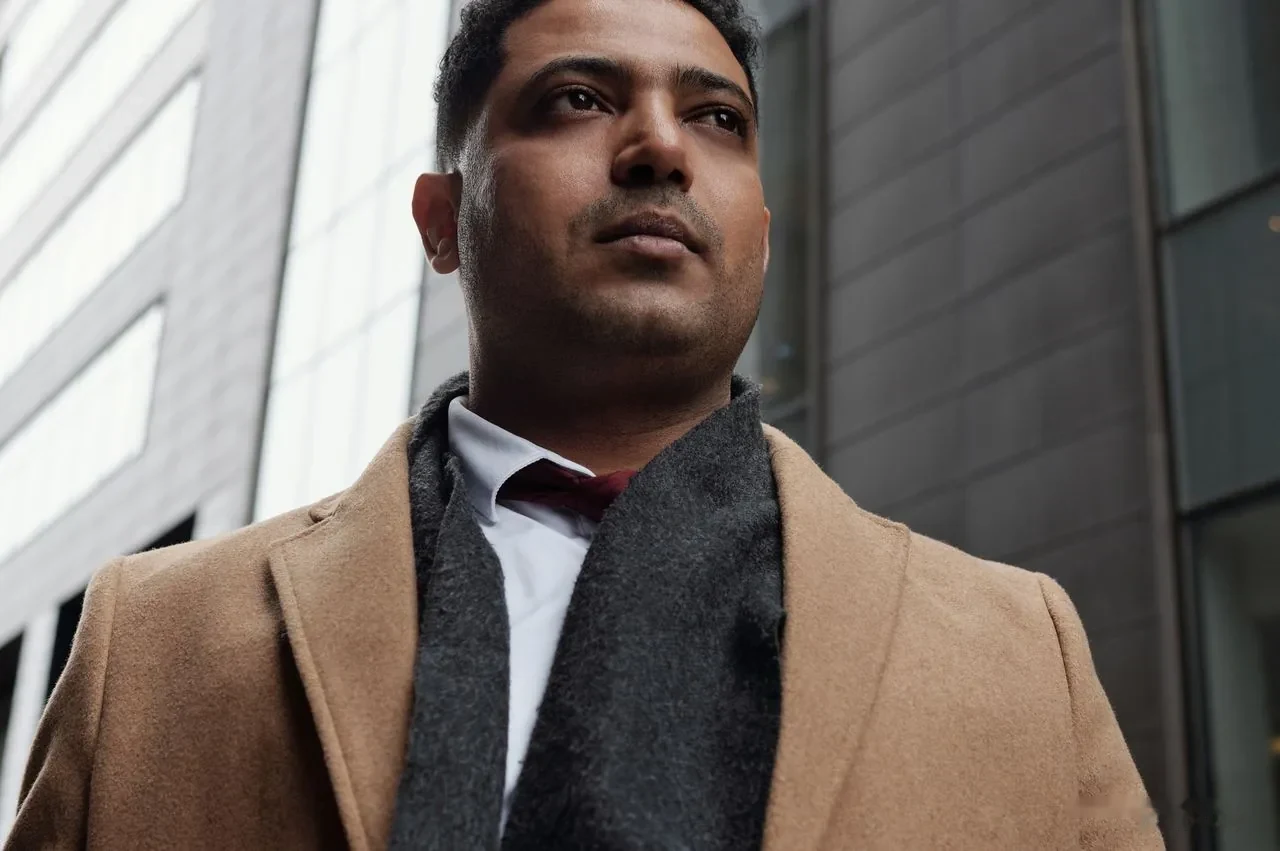

Client story
Client's Story
Where they started
The client is among those Indian entrepreneurs who built a world-class product. His SaaS company grew, and he sold a stake for approximately 4 million USD. The funds are legitimate, taxes have been paid in India—but what followed was a regulatory labyrinth.
Why the standard route did not work
The first barrier is foreign exchange control. The Reserve Bank of India (RBI), under the Liberalized Remittance Scheme (LRS), permits individuals to transfer no more than USD 250,000 per year abroad. The capital was effectively locked in an Indian account—complete legal transfer in a single transaction was impossible.
What BRIDGES had to solve
The second barrier is banking compliance. When he attempted to route part of the funds through a Dubai account, the correspondent bank placed the transfer on hold: a large sum, Indian origin, unclear structure for their compliance purposes. The funds remained frozen.
Why a standard answer would not do
The third barrier is U.S. taxation. The client holds a green card, which means the United States taxes his worldwide income and requires FATCA reporting. Any careless capital movement risked complications with the IRS. He approached BRIDGES understanding that a loophole would not suffice—he needed a framework that was both legal and viable across all three regulatory systems.
I earned this money honestly and paid taxes in India—yet I cannot transfer it: RBI restricts it, the Dubai bank freezes it, and the U.S. is watching overhead. I felt trapped by regulations. BRIDGES did not propose circumventing any rules; they assembled a legal structure that satisfied all three regulatory systems.