Updated: June 2026

Case study · Bulgaria · Citizenship

How Three Generations of One Family Obtained BulgarianEU Passports Through a Single Repatriation

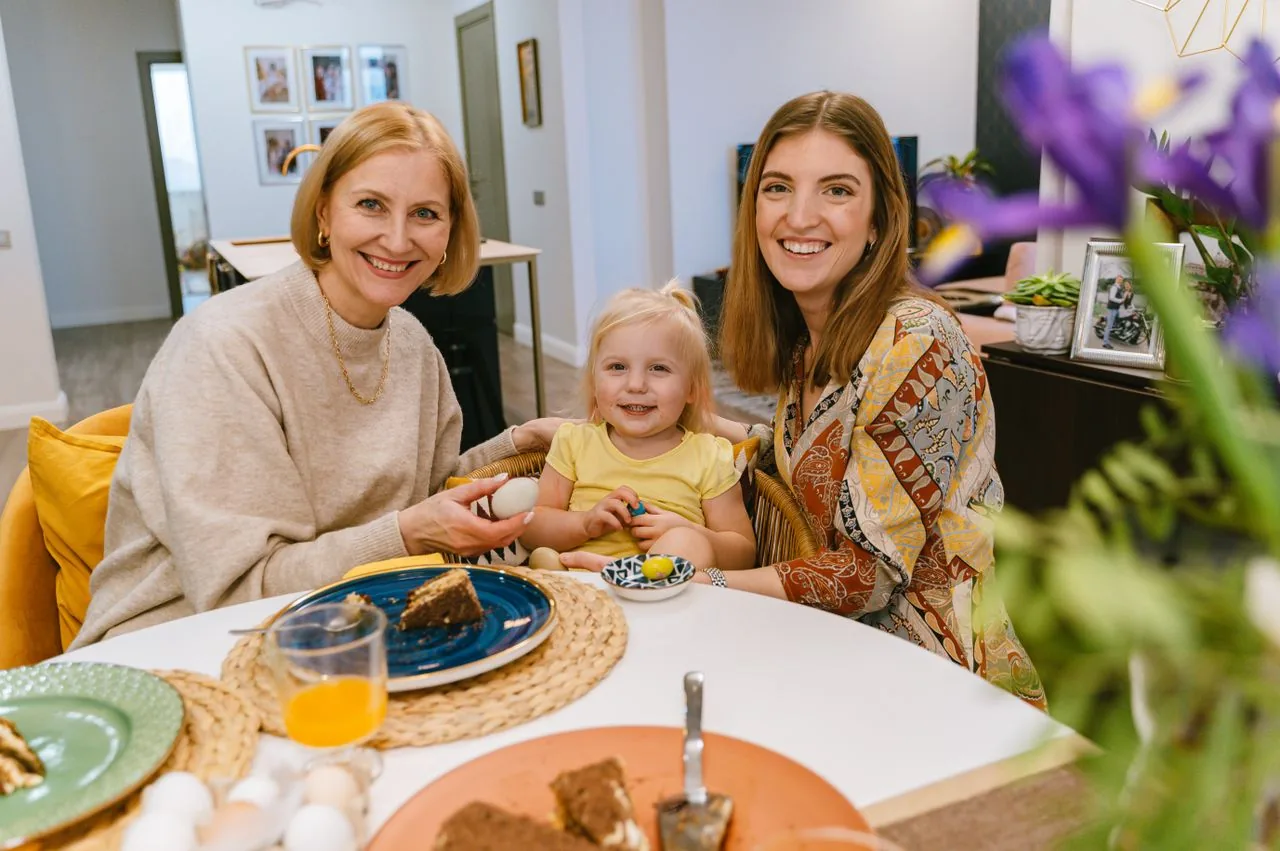
When Bulgarian roots run through an entire family, it makes sense to obtain EU passports for everyone at once—grandparents, parents, and children. However, three generations means three sets of personal documents and a common ancestral line that must be established flawlessly. Our family wanted to repatriate as a whole. This is a straightforward case about a family unified under one passport. We explain how we processed three generations simultaneously.

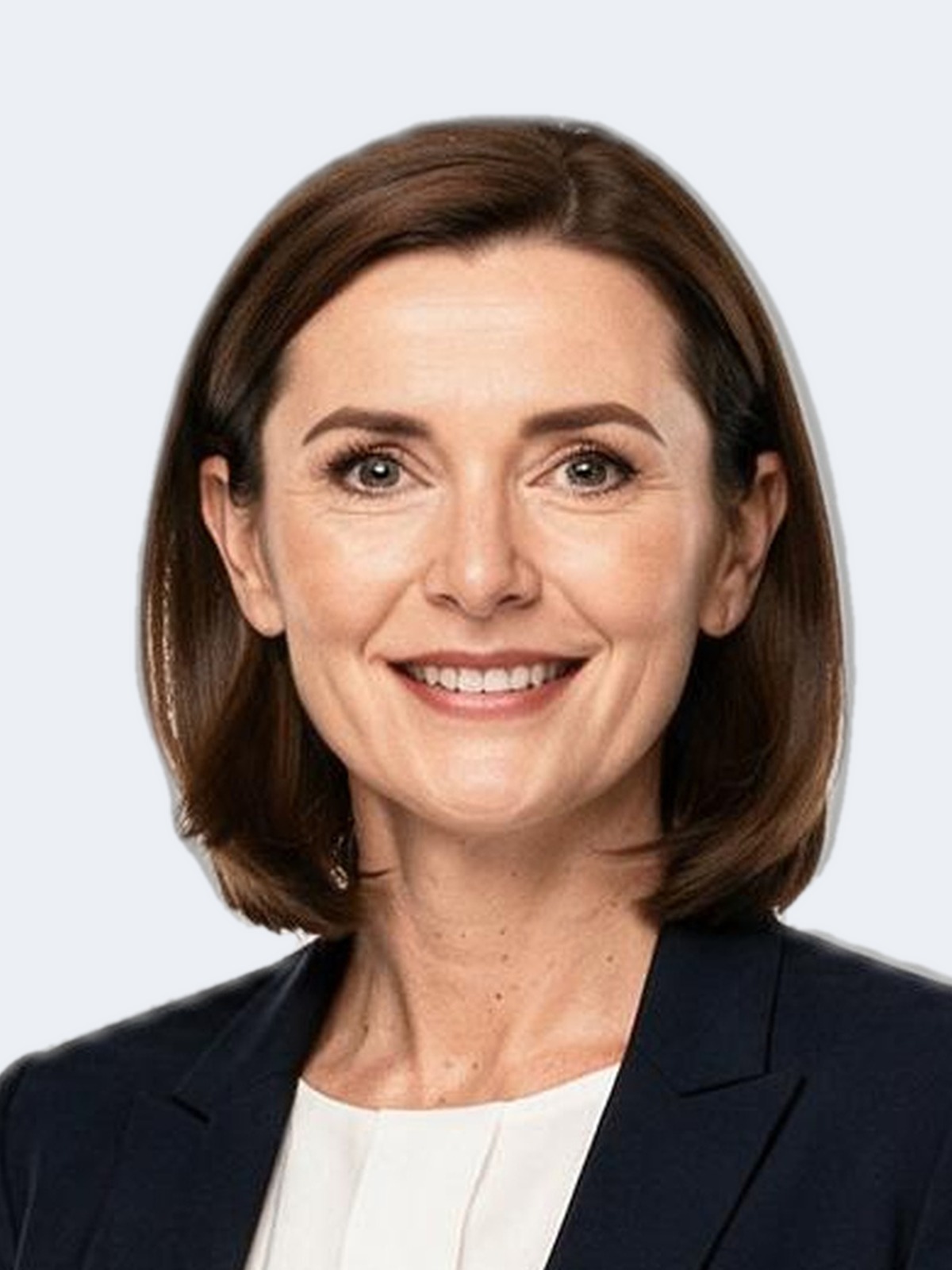
Anna KovalevskayaAnna KovalevskayaHead of Legal, BRIDGESReading time8 min readVerificationReviewed by an expert

This case is based on a real matter. The name and certain identifying details have been changed to protect confidentiality.

BRIDGES client story - How Three Generations of One Family Obtained Bulgarian EU Passports Through a Single Repatriation
Contents

Case at a glance

Situation, solution and outcome in seven lines

Client
Three-generation family with Bulgarian roots
Objective
Bulgarian EU passports for the entire family
Program
Bulgaria, citizenship by descent (by Bulgarian ancestry, EU passport)
Key Considerations
unified ancestral line spanning three generations
Advantage
common ancestor simplifies proof for all applicants
Solution
establish a single line from ancestor to all family members
Result
EU passports for three generations

Client story

Client Story

Where they started

The family came with a clear and positive request: Bulgarian roots were common to all, and they wanted to obtain EU passports for all three generations at once—the senior generation, parents, and children. Not separately, stretched over years, but together in a single repatriation.

Why the standard route did not work

The advantage of such a situation is that all share a common Bulgarian ancestor and common ancestry. This is not three separate cases but one case with a branching ancestral line from a single root to different family members. Once the ancestor's origin is proven, it can be used for all descendants.

What BRIDGES had to solve

However, there was a nuance: three generations meant three sets of personal documents and the necessity to establish an unbroken ancestral line to each family member. The line had to be impeccable for all branches: from ancestor to the senior generation, from them to parents, from parents to children. Any break at any stage would have affected that particular person.

Why a standard answer would not do

At BRIDGES, the family came to process repatriation comprehensively and carefully: establish a unified ancestral line from the common ancestor to all three generations and obtain EU passports for the entire family simultaneously.

Our roots are common, and we wanted not to process individually over years, but as an entire family at once—both the seniors, us, and our children. Anna explained that this was even more logical: one ancestor, common ancestry, proof of origin could be demonstrated once for everyone. The team established the entire ancestral line to each of us and processed three generations in a single application. As a result, the entire family obtained EU passports. It's wonderful when relatives become so not in turn, but together.
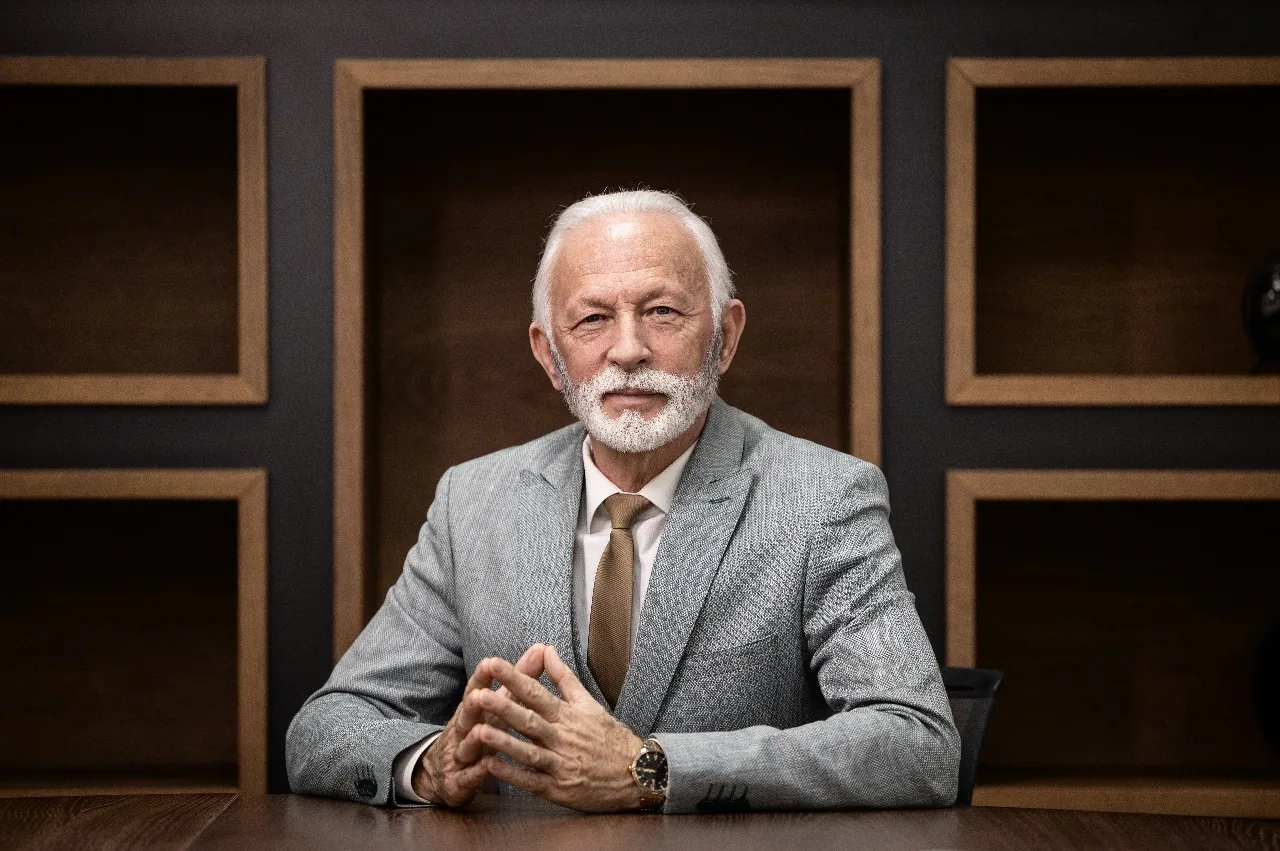

Alexander · Family MatriarchThe name and certain identifying details have been changed to protect confidentiality.

What Was Important to Consider

What Was Important to Consider

There was no threat—the task was to carefully establish a unified line for everyone. The advantage of a common ancestor is substantial, but three generations mean three sets of documents and an unbroken ancestral line to each person. The main objective was to prevent any break on any branch so that every family member, not just the majority, would receive a passport.

that all share a common Bulgarian ancestor and common ancestry;

  1. 01that proof of the ancestor's origin can be established once for everyone;
  2. 02three sets of personal documents for three generations;
  3. 03an unbroken ancestral line to each family member;
  4. 04absence of breaks on any branch of the line.

The logic of the solution

How the matter progressed: from checks to result

The chart is built from the facts of this matter and shows the logic of the work without decorative or unverified data.

  1. 01
    Stage 1

    We identified the advantage in the common ancestor. First, we established that the family shared a common Bulgarian ancestor and common genealogy. This converted three separate cases into one with a branched lineage and simplified proof for all.

  2. 02
    Stage 2

    We proved the ancestor's ancestry once. We gathered and verified evidence of the common ancestor's Bulgarian origin—a common foundation for the entire family. We subsequently used this basis for each descendant.

  3. 03
    Stage 3

    We established the lineage to the senior generation. From the ancestor, we extended kinship to the senior generation of the family, documenting each step. This was the first branch of the common lineage.

  4. 04
    Stage 4

    We extended kinship to parents and children. We continued the lineage: from the senior generation to parents, from parents to children. Each branch was proven by documents to ensure unbroken kinship to each family member.

  5. 05
    Stage 5

    We compiled a unified file for three generations. We consolidated the proof of the ancestor's ancestry and all kinship branches into one file for the entire family, formatting it according to regulatory requirements. Three generations were submitted as a cohesive whole, without interruption.

Takeaway. Conclusion: With common roots, three generations are processed as one lineage from the common ancestor—ancestry is proven once, but the lineage must be continuous to each family member.

How We Conducted the Case

How We Conducted the Case

The work was split into verifiable stages so that every conclusion rested on documents.

  1. 01

    Stage 1

    We identified the advantage in the common ancestor. First, we established that the family shared a common Bulgarian ancestor and common genealogy. This converted three separate cases into one with a branched lineage and simplified proof for all.

  2. 02

    Stage 2

    We proved the ancestor's ancestry once. We gathered and verified evidence of the common ancestor's Bulgarian origin—a common foundation for the entire family. We subsequently used this basis for each descendant.

  3. 03

    Stage 3

    We established the lineage to the senior generation. From the ancestor, we extended kinship to the senior generation of the family, documenting each step. This was the first branch of the common lineage.

  4. 04

    Stage 4

    We extended kinship to parents and children. We continued the lineage: from the senior generation to parents, from parents to children. Each branch was proven by documents to ensure unbroken kinship to each family member.

  5. 05

    Stage 5

    We compiled a unified file for three generations. We consolidated the proof of the ancestor's ancestry and all kinship branches into one file for the entire family, formatting it according to regulatory requirements. Three generations were submitted as a cohesive whole, without interruption.

  6. 06

    Stage 6

    We obtained EU passports for the entire family. With the unified lineage, the family completed the procedure, and Bulgarian citizenship—along with EU passports—was granted to all three generations simultaneously. The family became European as a whole through a single repatriation.

Expert comment

I particularly enjoy multi-generational family repatriations—they have both logic and warmth. When roots are shared, there is no reason to process individually, stretching over years: the ancestor is one, the genealogy is common, and ancestry can be proven once for all. Essentially, three cases become one with a branched genealogical lineage. But the lineage itself requires precision: three generations means three sets of documents, and kinship must extend continuously to each—from the ancestor to seniors, from them to parents, from parents to children. A break on any branch—and someone is excluded. With this family, we proved the common ancestor's ancestry, established all branches of the lineage, and processed three generations in a single submission. All obtained EU passports. I appreciate when a family becomes European together, not in sequence—it's both faster and correct.

Anna Kovalevskaya, Head of Legal, BRIDGESAnna KovalevskayaHead of Legal, BRIDGES

Outcome

What the client received

What Was Required
How We Accomplished It · Result
Process the entire family
Unified lineage from the common ancestor · Three generations together
Prove ancestry only once
Ancestor's ancestry proven once · Foundation for all
Kinship to each family member
Continuous branches of the lineage · No one excluded
EU passports for all
Single unified file submission · Citizenship for three generations
EU passports for all
Single unified file submission · Citizenship for three generations

Background: A family with common Bulgarian roots wanted to obtain EU passports for three generations simultaneously through a single repatriation. Actions Taken: We identified the advantage in the common ancestor; proved the ancestor's ancestry once; established the lineage to the senior generation; extended kinship to parents and children; compiled a unified file; obtained EU passports for the entire family. Family Result: Bulgarian citizenship and EU passports for three generations.

Practical takeaway

What matters in a similar situation

  • Conclusion: With common roots, three generations are processed as one lineage from the common ancestor—ancestry is proven once, but the lineage must be continuous to each family member.
  • Three generations became Europeans through a single repatriation—because we proved the common ancestor's ancestry once and established continuous kinship from him to all family branches.

FAQ

Questions people ask in a similar situation

01Can citizenship be obtained by ancestry for multiple generations simultaneously?

Yes. With common roots, three generations are processed as one branched genealogical lineage from the common ancestor. Ancestry is proven once and used for all descendants.

02What is the advantage of having a common ancestor?

The ancestry of a Bulgarian ancestor is proven once for the entire family, rather than three times separately. This converts three independent cases into one with a shared family tree.

03What is important when processing three generations?

Continuity of the ancestral line to each family member: from the ancestor to the senior generation, from them to the parents, from the parents to the children. A break in any branch would affect a specific individual.

04Will all family members receive passports?

With an impeccably constructed ancestral line to each person—yes. The goal is for each of the three generations to obtain an EU passport, not just the majority.

05How is proof of ancestry submitted?

From 2026 onwards—directly to the Bulgarian Ministry of Justice. Specific requirements for the ancestral line spanning several generations should be clarified with the competent authority.

06Do you want to obtain Bulgarian EU passports for your entire family?

We will prove your common ancestor's ancestry once and establish a continuous family tree to each person—seniors, parents, and children—so that three generations receive EU passports through a single repatriation application.

About the author

Anna Kovalevskaya

Author: Anna Kovalevskaya

Head of Legal, BRIDGES

I have worked with citizenship and residency matters in European countries for 12 years. Programme requirements and application practices change, so I assess each matter against the current rules, the applicant's immigration history, family composition and the documents supporting the legal basis for the application.

I lead matters from the preliminary assessment through to the grant of status. In complex situations, I identify the circumstances that may affect the review, establish the legal logic of the application and oversee the consistency of the supporting documents at every stage.

During the consultation, you will receive an assessment of the available legal grounds, a clear understanding of the chosen route and a list of issues that should be resolved before filing. Once the engagement begins, I oversee the application and the key decisions of the BRIDGES team.

Prepared on the basis of BRIDGES practice and reviewed by a subject-matter expert.

Discuss your situation with Anna

We will review your situation and propose a solution

Describe your task in a few words. We will study your situation, assess the legal and practical options and propose the next step based on your goals, documents and country.

Confidential · no obligations · answered by the relevant specialist

Or message us on WhatsApp or Telegram

Anna KovalevskayaHead of Legal, BRIDGES
Anna Kovalevskaya, Head of Legal, BRIDGES

Names and certain details have been changed to protect client confidentiality. The result described reflects one specific situation and is neither a public offer nor a guarantee of a similar outcome. Programme terms are stated as of 2026 and may change - please confirm current parameters with a BRIDGES consultant.