
Updated: June 2026

Case study · Hungary · Citizenship

How Three Generations of One Family ObtainedEU Citizenship in a Single Application

When an entire family wants to formalize Hungarian roots, it is tempting to submit three separate applications - and this is a typical mistake: more expensive, time-consuming, and with the risk that the same facts will be proven differently for different people. Nina Petrovna, her daughter Elena, and granddaughter Polina - three generations of one family - wanted EU citizenship. We explain step by step how we compiled one family tree and guided all three through passport issuance in a single connected case.

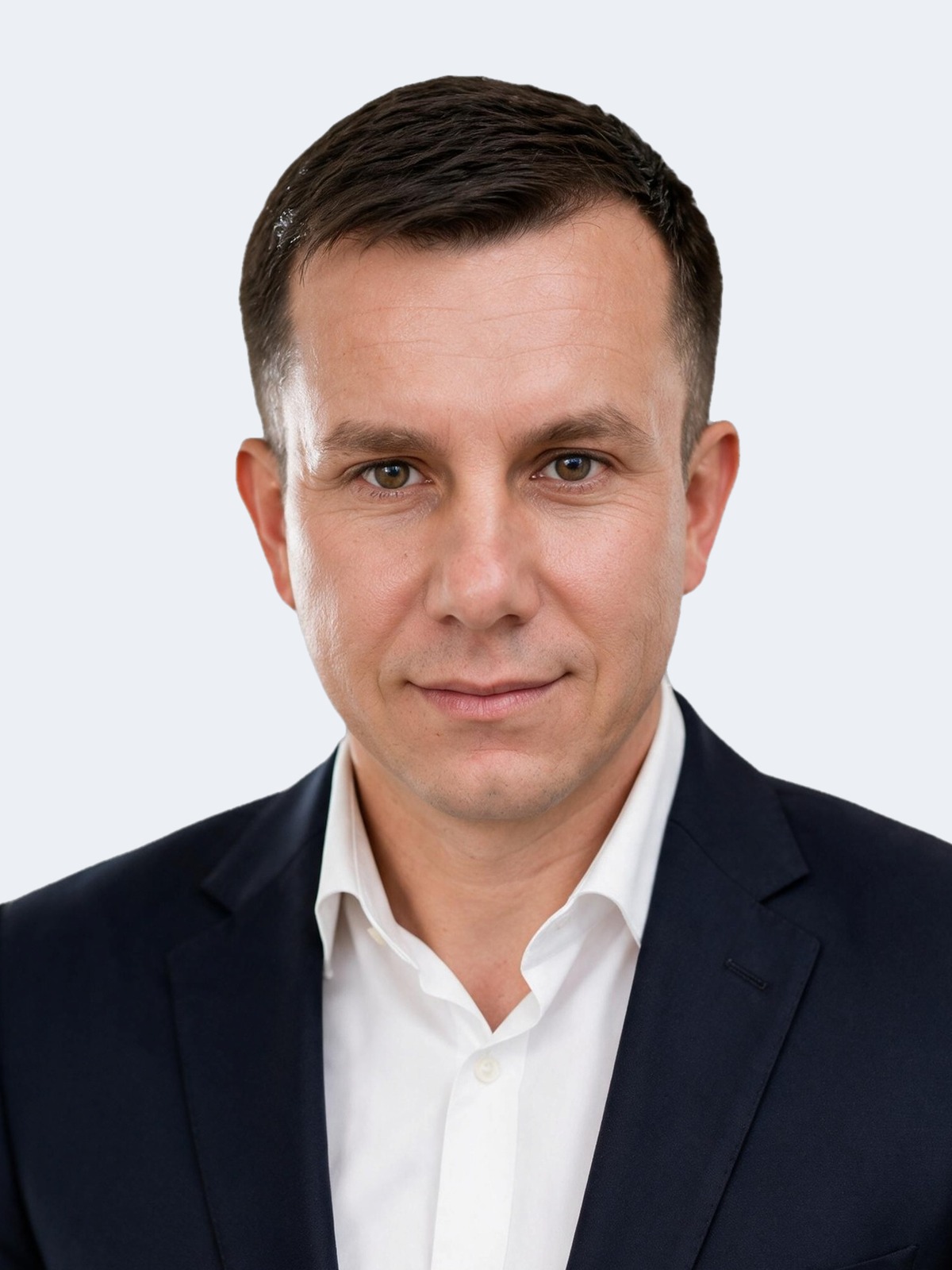
Sergey EvdokimovSergey EvdokimovManaging Partner, BRIDGESReading time9 min readVerificationReviewed by an expert

This case is based on a real matter. The name and certain identifying details have been changed to protect confidentiality.

BRIDGES client story - How Three Generations of One Family Obtained EU Citizenship in a Single Application
Contents

Case at a glance

Situation, solution and outcome in seven lines

Clients
Nina Petrovna, daughter Elena, granddaughter Polina - three generations
Objective
EU citizenship for all three
Ancestry Line
Hungarian line through Nina Petrovna
Program
Hungary, EU Citizenship
Pitfall Avoided
Three separate applications - more expensive and with risk of inconsistencies
Solution
One family tree, one connected application for three generations
Result
EU passports for all three

Client story

Client Story

Where they started

The family had three people who wanted to formalize their Hungarian roots: Nina Petrovna, who had these roots through her mother, her daughter Elena, and granddaughter Polina. All three form one direct line, from eldest to youngest.

Why the standard route did not work

The first instinct in such cases is for each person to apply separately: grandmother separately, daughter separately, granddaughter separately. It seems simpler. In reality, this is the most expensive and risky path: the same documents are ordered three times, the chain of descent is proven anew for each person, and inconsistencies easily arise - when the same information is written or proven differently among three relatives, raising questions for the authorities.

What BRIDGES had to solve

Yet three generations of one direct line share a common family tree. Nina Petrovna's roots automatically encompass both Elena and Polina: proving descent once and extending it to descendants is far more logical than proving it three times.

Why a standard answer would not do

The family contacted BRIDGES, understanding that one connected case with a shared family tree was more prudent than three parallel applications.

There are three of us - myself, my daughter, and granddaughter, and initially we thought each would apply separately. Sergey talked us out of it: it would cost triple and we could get confused about who proved what. He compiled one family tree for us - from my mother down to me, to my daughter, and to my granddaughter - and guided us all together. We received three passports through one case, without running around and without any inconsistencies.

Nina · Nina Petrovna, regarding Hungarian rootsThe name and certain identifying details have been changed to protect confidentiality.

What Was at Risk

What Was at Risk

When an entire family formalizes roots, three separate applications are more expensive, time-consuming, and riskier. The same documents are ordered three times, the chain of descent is proven anew for each person, and inconsistencies easily arise when relatives' information is proven differently. One line has one family tree.

Ordering the same documents three times over

  1. 01Proving the common chain of descent anew for each of the three
  2. 02Obtaining inconsistencies in spelling and dates among relatives
  3. 03Triggering questions from the authorities due to discrepancies in parallel cases
  4. 04Overpaying and extending what could be resolved in a single case

The logic of the solution

How the matter progressed: from checks to result

The chart is built from the facts of this matter and shows the logic of the work without decorative or unverified data.

  1. 01
    Stage 1

    We identified the person through whom the roots are traced and worked from there. The Hungarian line traced through Nina Petrovna's mother, so this record became the foundation of the entire case. We ordered the birth certificate of the great-grandmother - Nina Petrovna's mother - from the state archive at the place of birth, once and for all three applicants, rather than separately for each.

  2. 02
    Stage 2

    We assembled one comprehensive set of ancestral documents. Instead of ordering the same documents three times, we obtained one set of archival records along the ascending line and used it for all three applicants. The challenge was ensuring that each link served as evidence simultaneously for the grandmother, daughter, and granddaughter - we requested documents in advance in a format suitable for the joint application.

  3. 03
    Stage 3

    We established a single chain downward through the direct line. From the great-grandmother to Nina Petrovna, from her to Elena, from Elena to Polina. We connected each link with birth certificates, reconstructing missing documents through the civil registry office, creating one continuous line spanning four generations rather than three separate ones.

  4. 04
    Stage 4

    We standardized all name variations across applicants. Names and surnames changed over generations: Hungarian spelling, Soviet-era spelling, current spelling. We verified them once and applied them to all three applicants to ensure consistency in the documents for grandmother, daughter, and granddaughter - discrepancies between relatives are the most common source of questions from authorities.

  5. 05
    Stage 5

    We filed one linked application for three generations. Instead of three parallel applications - one application where the common family tree serves all three. During the review process, any clarifications were addressed simultaneously for all three applicants rather than individually.

Takeaway. Conclusion: a single direct line has one family tree. Proving it once and extending it to descendants is cheaper, faster, and more reliable than three separate applications with the risk of inconsistencies.

How we solved the case

How we solved the case

The work was split into verifiable stages so that every conclusion rested on documents.

  1. 01

    Stage 1

    We identified the person through whom the roots are traced and worked from there. The Hungarian line traced through Nina Petrovna's mother, so this record became the foundation of the entire case. We ordered the birth certificate of the great-grandmother - Nina Petrovna's mother - from the state archive at the place of birth, once and for all three applicants, rather than separately for each.

  2. 02

    Stage 2

    We assembled one comprehensive set of ancestral documents. Instead of ordering the same documents three times, we obtained one set of archival records along the ascending line and used it for all three applicants. The challenge was ensuring that each link served as evidence simultaneously for the grandmother, daughter, and granddaughter - we requested documents in advance in a format suitable for the joint application.

  3. 03

    Stage 3

    We established a single chain downward through the direct line. From the great-grandmother to Nina Petrovna, from her to Elena, from Elena to Polina. We connected each link with birth certificates, reconstructing missing documents through the civil registry office, creating one continuous line spanning four generations rather than three separate ones.

  4. 04

    Stage 4

    We standardized all name variations across applicants. Names and surnames changed over generations: Hungarian spelling, Soviet-era spelling, current spelling. We verified them once and applied them to all three applicants to ensure consistency in the documents for grandmother, daughter, and granddaughter - discrepancies between relatives are the most common source of questions from authorities.

  5. 05

    Stage 5

    We filed one linked application for three generations. Instead of three parallel applications - one application where the common family tree serves all three. During the review process, any clarifications were addressed simultaneously for all three applicants rather than individually.

  6. 06

    Stage 6

    We obtained three EU passports. Nina Petrovna, Elena, and Polina received citizenship through a single case - three generations, one proven root, without triple processing and without discrepancies.

Expert comment

When an entire family wishes to establish roots, my first step is to discourage three separate applications. It may seem simpler, but in practice it is three times more expensive and risky: the same documents are ordered three times, and three relatives can easily end up with discrepancies - one person's name is spelled differently, a date doesn't quite match, and the authority begins asking questions. Yet a single direct lineage has a common family tree. I prove the roots once - through the senior family member - and extend them to the daughter and granddaughter as direct descendants. For Nina Petrovna, we assembled one four-generation family tree and processed all three applicants through a single case. Three passports, one root, zero discrepancies. This is both cheaper and more reliable.

Sergey Evdokimov, Managing Partner, BRIDGESSergey EvdokimovManaging Partner, BRIDGES

Outcome

What the client received

What was required
How we did it · Result
Citizenship for three generations
One linked application · Passports for all three applicants
No need to order documents three times
Unified ancestral document set · Single order for all applicants
Avoid discrepancies
Unified verified data · No inconsistencies
Save time and money
One family tree · One application instead of three
Save time and money
One family tree · One application instead of three

The situation: three generations of one family wanted EU citizenship, and each could have applied separately - expensive and with risk of discrepancies. What we did: ordered key ancestral documents once for all applicants; established a single four-generation chain through the direct line; verified name spellings once for all three applicants; filed one linked application instead of three. What clients received: EU passports for grandmother, daughter, and granddaughter through a single case.

Practical takeaway

What matters in a similar situation

  • Conclusion: a single direct line has one family tree. Proving it once and extending it to descendants is cheaper, faster, and more reliable than three separate applications with the risk of inconsistencies.
  • Three generations of the family obtained European Union citizenship together - one proven ancestral root provided passports to grandmother, daughter, and granddaughter alike.

FAQ

Questions people ask in a similar situation

01Is it more beneficial to apply for citizenship as an entire family at once?

Yes, if it is a direct line. The common family tree is proven once and extended to descendants - this is cheaper, faster, and without the risk of discrepancies that comes with three separate applications.

02Why are separate applications riskier?

The same documents are requested multiple times, the lineage chain must be proven anew with each authority, and it is easy to obtain different spellings and dates among relatives - this raises questions with the immigration authority.

03On whom is the family case based?

On the senior holder of roots. Descent is proven from this person and extended to children and grandchildren as direct descendants through a single continuous chain.

04Can different generations be included?

Yes - grandmother, her children and grandchildren in the direct line. The key requirement is that each kinship link be confirmed by a document within the common unbroken chain.

05Do all applicants receive a passport simultaneously?

In a linked case, the family tree is unified, therefore all generations proceed together under one verified documentation package, without discrepancies among relatives.

06Does the entire family wish to obtain Hungarian citizenship?

We will compile one family lineage and process all generations through a single linked case - so that EU passports are obtained by parents, children and grandchildren alike without multiple separate applications and without documentation inconsistencies.

About the author

Sergey Evdokimov

Author: Sergey Evdokimov

Managing Partner, BRIDGES

As Founder and Managing Partner of BRIDGES, I am responsible for the firm's strategy and personally lead its most complex client matters, including cases in which citizenship or residence decisions require a strategic view and consideration of capital.

I begin by defining the objective: the outcome the client needs, the facts that affect the choice, and the matters that require further review. I then establish the available directions, the sequence of work, and the key decision points.

Once the strategy has been agreed, I oversee the BRIDGES team's key decisions and remain involved at the stages that shape the course of the matter. The purpose is to give the client a clear rationale for the chosen direction and a precise understanding of the next steps.

Prepared on the basis of BRIDGES practice and reviewed by a subject-matter expert.

Discuss your situation with Sergey

We will review your situation and propose a solution

Describe your task in a few words. We will study your situation, assess the legal and practical options and propose the next step based on your goals, documents and country.

Confidential · no obligations · answered by the relevant specialist

Or message us on WhatsApp or Telegram

Anna KovalevskayaHead of Legal, BRIDGES
Anna Kovalevskaya, Head of Legal, BRIDGES

Names and certain details have been changed to protect client confidentiality. The result described reflects one specific situation and is neither a public offer nor a guarantee of a similar outcome. Programme terms are stated as of 2026 and may change - please confirm current parameters with a BRIDGES consultant.