Residency · Turkey
Residence permit, permanent residence, or Turkish citizenship: which status to choose in 2026
Updated: ·11 min read·Expert reviewed
Terms and costs verified: undefined
Contents
Turkey grants three different statuses, and they're often confused. The İkamet residence permit makes you a resident, but doesn't grant a passport and requires renewals. Uzun dönem permanent residence establishes you indefinitely, but this is still not citizenship. And only investment citizenship gives a second passport with mobility and access to the US E-2 visa. We break down which path fits which goal, with figures and each option's downsides for 2026.
Three different routes easy to confuse
When a person says "I want status in Turkey", three completely different outcomes can hide behind this phrase. This is the main cause of costly mistakes: people invest $200,000 in an apartment for the residence permit, and a year later discover this investment doesn't give a passport and never will automatically. So you need to start not from the sum but from the goal.
Briefly about the three routes.The İkamet residence permit- this is a residence permit: you legally live in the country but remain a citizen of your homeland, the status needs periodic renewal.Permanent residence (uzun dönem ikamet)- an indefinite residence permit granted after eight years of continuous residence; no more renewal is needed, but it's still not a passport.Citizenship by investment- the only path where a Turkish passport is the outcome, and with no requirement to live in the country or take a language test.
Next we'll break down each route in detail, gather them into a table, and show who each one fits and for whom it'll be an unnecessary waste of money and nerves. We laid out the money thresholds and conditions of the investment route in detail inthe guide to Turkish citizenship by investment.
Route 1. The İkamet residence permit through property
The most affordable entry into the country. Since October 16, 2023, the minimum housing value for the property residence permit has been raised from $75,000 to $200,000, and the threshold remains in 2026. The value is confirmed by an official valuation report under the Capital Markets Board's (SPK) rules, not the contract sum. Only works forresidentialproperty: commercial and land don't work for this residence permit.
An important restriction - "closed" districts. Where the foreign owner share exceeds 25 percent, new property residence permits aren't granted. This means not every apartment for the needed sum will grant the status: the district needs checking in advance. We write in more detail about the threshold, valuation, and pitfalls in an article onA Turkey residence permit through property.
The short-term residence permit's term is generally up to two years with subsequent renewal. Medical insurance, income confirmation (benchmark in 2026 - around one and a half minimum wages per person) and filing through the digital e-İkamet portal are needed. The application and status are processed byThe Migration Directorate (Göç İdaresi).
The residence permit's downsides
The residence permit looks attractive because of its price, but it has features that need understanding in advance to avoid disappointment.
- This isn't a passport or an automatic path to one.The residence permit grants the right to live in Turkey, but doesn't grant Turkish citizenship by itself. It leads to naturalization only through years of actual residence.
- Needs renewing.The short-term status is granted for one to two years. Each renewal is again insurance, income, documents, and a refusal risk on mistakes.
- Tightening in 2025-2026.Income verification has been strengthened, the digital e-İkamet portal fully rolled out, interviews and language requirements have appeared in certain provinces, and the refusal share on "tourist" grounds has grown.
- Being tied to property.If the apartment is sold, the residence permit's grounds disappear.
- Closed districts.Some attractive locations simply aren't available for this status.
Conclusion: the residence permit is a good tool for legally living in Turkey on a moderate budget, but it's not "citizenship on installment".
Route 2. Permanent residence, uzun dönem - settle permanently
The long-term residence permit (uzun dönem ikamet izni) is the Turkish equivalent of permanent residency. It's granted to a foreigner who has lived in the country legally and continuously for at least eight years. The main advantage - indefiniteness: renewing the status every year or two is no longer needed, and you get almost all social rights on par with citizens, except voting rights and military service.
"Continuity" is counted strictly. A departure longer than six months at one time, or a total of more than a year over the last five years (unless it's study, treatment, or mandatory state service), counts as breaking the track record. That is, the eight years need to actually be lived, not just formally holding the card. Additionally, stable income, valid medical insurance, no threat to public order, and no social benefits received over the last three years are required.
We break down how the residence permit grows into a long-term status and where the pitfalls are in a separate article onTurkey's permanent residence. And if your goal is ultimately a passport, a breakdown of the transition fromA residence permit to Turkish citizenship.
Permanent residence's downsides
Permanent residence is attractive for its indefiniteness, but it's a long and not the most flexible route.
- Eight years of actual residence.This isn't about investment or "get it and forget it" - you actually need to live in the country for almost a decade.
- Strict tracking of absences.Long departures reset the track record. For those who travel a lot or run business in several countries, this is a serious restriction.
- This is still not citizenship.Permanent residence doesn't grant a Turkish passport, visa-free travel on a Turkish passport, or access to the US E-2 visa.
- Dependence on policy.In 2025-2026 residency rules were tightened - centralization of procedures, stricter document review, interviews.
General-procedure naturalization is possible after five years of residence and goes throughThe General Directorate of Civil Registration (Nüfus)- that is, for those who ultimately need specifically a passport, permanent residence often turns out to be an unnecessary intermediate stop.
We will find the right basis for residency in Turkey
We calculate the budget and timing for your family and list the documents you need.
Route 3. Citizenship by investment - a passport right away
This is the only one of the three routes with a Turkish passport at the end, and the only one where you don't need to live in the country or take a language test. The basic option is buying property for a sumfrom $400,000, confirmed by an official SPK valuation, with mandatory holding of the property for at least three years (a resale ban is placed on TAPU). The threshold can be reached with one or several properties, residential or commercial.
Alternative options for the same goal: a bank depositfrom $500,000in a Turkish bank, investing $500,000 in fixed capital or state bonds/fund shares, or creating at least 50 jobs. All options, like the property, are held for three years.
The timeframe - approximately three to eight months to the passport. The family is included: spouse and children under 18 get citizenship together with the investor; adult children are processed separately or through a share split. Turkey permits dual citizenship. A full breakdown of thresholds, documents, and timeframes - inthe guide to Turkish citizenship by investment, and a comparison specifically of resident and citizen status - in the articlecitizenship versus a Turkey residence permit.
What the passport gives and its downsides
A Turkish passport is primarily mobility and strategic opportunities, not a "European" status, and it's important to understand both sides.
Strengths: visa-free or simplified entry to dozens of countries, the right to live and work in Turkey with no renewals, passing citizenship to children, and - what entrepreneurs especially value - access to the US investor visaE-2, since Turkey is on the US's list of treaty partner countries for this agreement. The passport is obtained quickly and with no relocation.
downsides:
- Turkey isn't in the EU or Schengen.A Turkish passport doesn't grant the right to live and work in the European Union and doesn't open visa-free Schengen. If the goal is specifically Europe, this isn't the right tool.
- The threshold is higher.$400,000 versus $200,000 for the residence permit - entry twice as expensive.
- A three-year capital freeze.The property or deposit can't be sold/withdrawn before the term.
- Tax aspect.A passport by itself doesn't make you a tax resident, but actual residence can (see the section below).
A big comparison table: three statuses side by side
Let's gather all three routes onto one screen so the decision is visual. The figures are for 2026.
| Parameter | The İkamet residence permit | Permanent residence, uzun dönem | Citizenship by investment |
|---|---|---|---|
| The money threshold | from $200,000 (housing) | isn't bought, requires a track record | from $400,000 property / $500,000 deposit, funds, bonds |
| Time to obtain | weeks after filing | after 8 years of residence | around 3-8 months |
| Residence | yes, actual | 8 years continuously | not required |
| Language | sometimes in certain provinces | isn't the main requirement | isn't needed |
| A passport at the end | no | no | yes |
| Renewals | every 1-2 years | indefinitely | aren't needed |
| Family | spouse and children | individual | spouse + children under 18, adults separately |
| The US E-2 visa | no | no | yes |
| Capital freeze | as long as you own the housing | - | 3 years |
| Who for | living in Turkey is cheaper | settle permanently with no citizenship change | a second passport and mobility are needed |
The table shows the main thing: cheaper doesn't mean better. It all depends on the goal, which we move on to next.
"Most often people come to me with a decision already made: 'I'll buy an apartment for two hundred thousand and become a Turk.' I have to reverse the conversation: the property residence permit and citizenship by investment are two different stories, and the $200,000 threshold doesn't lead to a passport by itself. I always advise starting not from the sum but from the goal. If a person just needs to live in the country - the residence permit is ideal and saves money. If they're ready to live here for eight years - there's indefinite permanent residence. And if the task is a second passport, mobility, and access to the US E-2 visa with no relocation, then it's only the investment route from $400,000 with a three-year capital freeze. The costliest thing isn't choosing the wrong threshold, but losing a year on a status that doesn't solve your task."
How to choose a status for your goal
Let's gather the choice into three simple scenarios. Plug in your situation - and the route becomes obvious.
Goal: live in Turkey and spend less → the İkamet residence permit.If you need to legally stay in the country, relocate your family, run affairs locally, and a second passport isn't a priority yet - the $200,000 property residence permit is optimal. You get resident status quickly and for half the money citizenship costs. The downside - renewals and being tied to the property.
Goal: settle permanently but not change citizenship → uzun dönem permanent residence.If you're already planning to live in Turkey for around ten years and want an indefinite status with no annual renewal hassle, your trajectory is: first the residence permit, then the long-term residence permit after eight years. It won't give you a passport, but it will give stability.
Goal: a second passport and mobility → citizenship by investment.If visa-free travel, access to the US E-2 visa, passing citizenship to children, and no requirement to live in the country matter - only the investment route from $400,000. This is more expensive and requires a three-year capital freeze, but the result is a passport in months, not years.
Not sure which scenario applies to you specifically?Sign up for a BRIDGES GLOBAL consultation- we'll lay out your situation by goals, budget, and timeframes and advise which status won't lead to unnecessary spending.
How much money is actually frozen
The threshold isn't the whole sum. The full ownership cost needs counting, otherwise the budget will slip.
PerResidence permits: $200,000 for housing plus the TAPU transfer tax (4 percent of the estimated value, in practice often split between the parties), notary, translations, insurance, processing through e-İkamet. The money is "frozen" in the property for as long as you want to keep the status.
Perto citizenship: $400,000 for property (or $500,000 as a deposit/funds) plus the same TAPU, the SPK valuation, legal support, and state fees. The capital is locked for at least three years, after which the property can be sold or the deposit withdrawn.
PerPermanent residencethere's no direct investment - you spend on living for eight years: rent or your own property, insurance, renewals of intermediate residence permits. We gathered a detailed estimate for the residency route in an article ona Turkey residence permit's cost. The main takeaway: citizenship is more expensive upfront but doesn't require living in the country, while permanent residence is "cheaper" only on paper - its price is years of your life on the ground.
Family: who and how can be included
The family question often outweighs the price difference, so let's break it down separately for each status.
Atcitizenship by investmentthe spouse and children under 18 get passports together with the main applicant - this is the most "family-oriented" of the three routes, because relatives become citizens simultaneously with the investor. Adult children aren't included automatically: they're processed separately or through a share split in the investment, which needs planning in advance.
AtResidence permitsfamily members get their own residence permits - a family or accompanying residence permit that also needs renewing. This is a workable option, but each relative's status is separate and also tied to the main applicant's income and insurance.
AtPermanent residenceeach family member goes through their own eight-year path - the long-term status isn't "handed out" automatically by kinship, but earned by a residence track record. So for families where it matters to give children a passport and mobility right away, investment citizenship almost always beats the residency routes.
Timeframes: a year, eight years, or months
The time factor often decides everything, especially when there's a specific goal - business, the E-2 visa, transferring children to school.
Residence permits- the fastest entry in terms of the initial status: after filing through e-İkamet, the appointment booking takes on average 2-4 weeks, and the decision - 6-10 weeks depending on the province. But this is a short status with regular renewals.
Permanent residence- the longest path: eight years of continuous residence, and only then filing for the indefinite status. This is a horizon of almost a decade, and any long absences reset the track record.
Citizenship by investment- the golden middle in timing for those who need a passport: approximately three to eight months from the investment to the document's issuance, with no need to live in the country during these months. If you have a hard deadline (for example, for E-2 or tax planning), the residency routes physically won't make it, but the investment one will.
Taxes: what the status changes and what it doesn't
Neither the residence permit, nor permanent residence, nor the passport by itself makes you a Turkish tax resident - actual presence decides. The main rule: tax residency arises with a stay in Turkey183 days or morein a calendar year.
If you're a Turkish tax resident, your worldwide income is taxed. If you spend fewer than 183 days in the country - you're a non-resident and pay only on income earned in Turkey itself, and foreign income doesn't fall under Turkish tax. This matters for those getting a passport for mobility but intending to live in another country.
2026 rate benchmarks: income tax is progressive,15-40 percent; standard VAT (KDV) -20 percent(reduced rates of 1 and 10 exist); the property transfer tax (TAPU) - around4 percentof the estimated value; annual property tax - 0.1-0.6 percent. Current rates and procedure are published byThe Revenue Administration (GİB). The tax model should always be worked out before the deal, not after - so the status works for you, not against you.
Typical mistakes and how to avoid them
Over years of practice we see the same costly mistakes. Check yourself against the list before bringing in money.
- Buying residence-permit property hoping for a passport.The residence permit doesn't turn into citizenship automatically. If the goal is a passport, go straight for the $400,000 investment threshold.
- Ignoring "closed" districts.An apartment for the needed sum in a district with a foreigner share above 25 percent won't grant the residence permit. The location is checked before the deal.
- Betting on the contract price, not the SPK valuation.For both the residence permit and citizenship, the threshold is counted per the official valuation, not the contract sum.
- Underestimating the three-year freeze.For citizenship, the property/deposit can't be touched for three years - this needs to be built into the financial plan.
- Betting on fast permanent residence.The long-term status is eight years of actual residence, not a fast-tracked option.
If you want to go through the status choice with no such mistakes and with every fact checked for your situation -contact BRIDGES GLOBAL. We work with Turkish routes accounting for the 2025-2026 tightening and count not only the threshold but the full cost and tax consequences.
We will send a document checklist for your case
Leave your details: we will put together documents and timelines for your family.
Conclusion: one country, three different solutions
Turkey in 2026 offers rare flexibility: you can enter inexpensively and just live, you can settle permanently, or you can get a full second passport in months. The mistake is only in confusing the tools.
In short:live and pay less - the İkamet residence permit from $200,000; settle permanently with no citizenship change - uzun dönem permanent residence after 8 years; a second passport, mobility, and E-2 in the US - citizenship by investment from $400,000. Each path has its own price, its own timeframe, and its own downsides, and there's no "best overall" - there's the best for your goal.
The main thing is making the decision from the task, not from the sum on the first page of an ad. First answer why you need the status and where you actually plan to live and pay taxes, and only then choose the route. We'll help lay out your situation and put together a personal plan ata BRIDGES GLOBAL consultation.
Frequently asked
Questions people ask before deciding
01Does a Turkey residence permit automatically grant citizenship?
No. The İkamet residence permit makes you a resident, not a citizen. It leads to naturalization only through years of actual residence (generally - five years), and this is a separate procedure. If the goal is specifically a passport, it's more sensible to go straight for the investment route.
02What is the minimum threshold for the property residence permit in 2026?
From $200,000 for residential property, per the official SPK valuation. The threshold has applied since October 16, 2023 (raised from the previous $75,000) and remains in 2026. Commercial and land property doesn't work for this residence permit.
03How much does Turkish citizenship by investment cost?
The basic option is property from $400,000 held for three years. Alternatives: a $500,000 bank deposit, investing $500,000 in capital or state bonds/funds, or creating at least 50 jobs. All options are held for three years.
04What is uzun dönem permanent residence and how does it differ from the residence permit?
This is a long-term (indefinite) residence permit granted after eight years of continuous legal residence. Unlike a regular residence permit, it doesn't need renewing, but it's still not citizenship or a Turkish passport.
05How long does getting a passport by investment take?
Approximately from three to eight months from the investment moment to passport issuance, with no requirement to live in the country during these months. The exact timeframe depends on the document completeness and agency workload.
06Do you need to live in Turkey and know the language for citizenship by investment?
No. The investment route requires neither permanent residence nor a language exam. This is what fundamentally distinguishes it from the residence permit and permanent residence, where actual presence in the country is mandatory.
07What are "closed" districts and why does this matter?
These are districts where the foreign owner share exceeds 25 percent. New property residence permits aren't granted in them. So an apartment for the needed sum needs to be chosen with the district checked in advance, otherwise the status won't be granted.
08Does a Turkish passport grant entry to the EU and Schengen?
No. Turkey isn't part of the European Union or Schengen, so the passport doesn't grant the right to live and work in the EU and doesn't open visa-free Schengen. But it does give visa-free access to many other countries and the possibility of the US E-2 visa.
09Can family be included?
In citizenship by investment, the spouse and children under 18 get passports together with the investor; adult children - separately or through a share split. In the residence permit, relatives get their own residence permits, in permanent residence each goes through their own eight-year track record.
10Do I keep my previous citizenship?
Yes, Turkey permits dual citizenship. But check your own country's laws - not all states allow a second passport with no consequences. This question is worth clarifying before filing.
11When do I become a Turkish tax resident?
With a stay in the country of 183 days or more in a calendar year. Then worldwide income is taxed. If you spend fewer than 183 days - you're a non-resident and pay tax only on income earned in Turkey itself. The passport or residence permit by itself doesn't make you a resident.
12What to ultimately choose - a residence permit, permanent residence, or citizenship?
Depends on the goal. Live and spend less - the İkamet residence permit from $200,000. Settle permanently with no citizenship change - permanent residence after 8 years. Need a second passport, mobility, and E-2 in the US - citizenship by investment from $400,000. There's no "best overall" - there's the best for your task.
Transparency
How this material was prepared
- Author
- Karim Naser, head of Istanbul Office, BRIDGES
- Terms and costs last verified
- Sources
- official government authorities of the relevant country and state publications
- Methodology
- government minimum requirements are stated separately from due diligence charges, state fees, legal and banking costs
Sources and methodology
Figures, terms and timelines are checked against official sources. Link availability verified in August 2026. Third-party blogs and agent websites are not used as a source of programme terms.
- [1]Presidency of Migration ManagementResidence permits and citizenshipen.goc.gov.tr
- [2]General Directorate of Land Registry and CadastreProperty transactions and valuationwww.tkgm.gov.tr/en
Methodology: tables and charts state government minimum investment requirements; due diligence charges, state fees, legal, banking and other costs are calculated separately and are not included in the minimum thresholds.
About the author
Related materials
What to read next
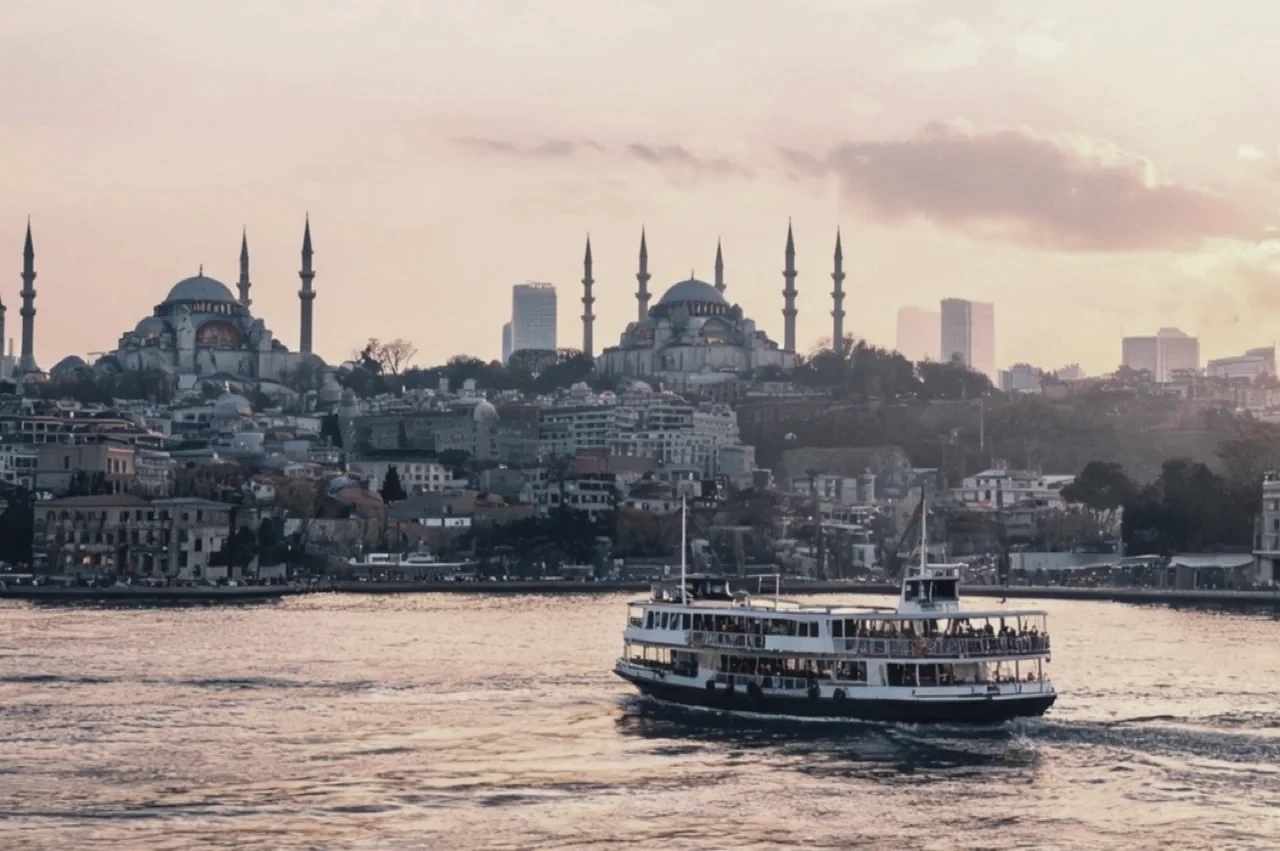 ArticleTurkish citizenship by investment in 2026: complete guide
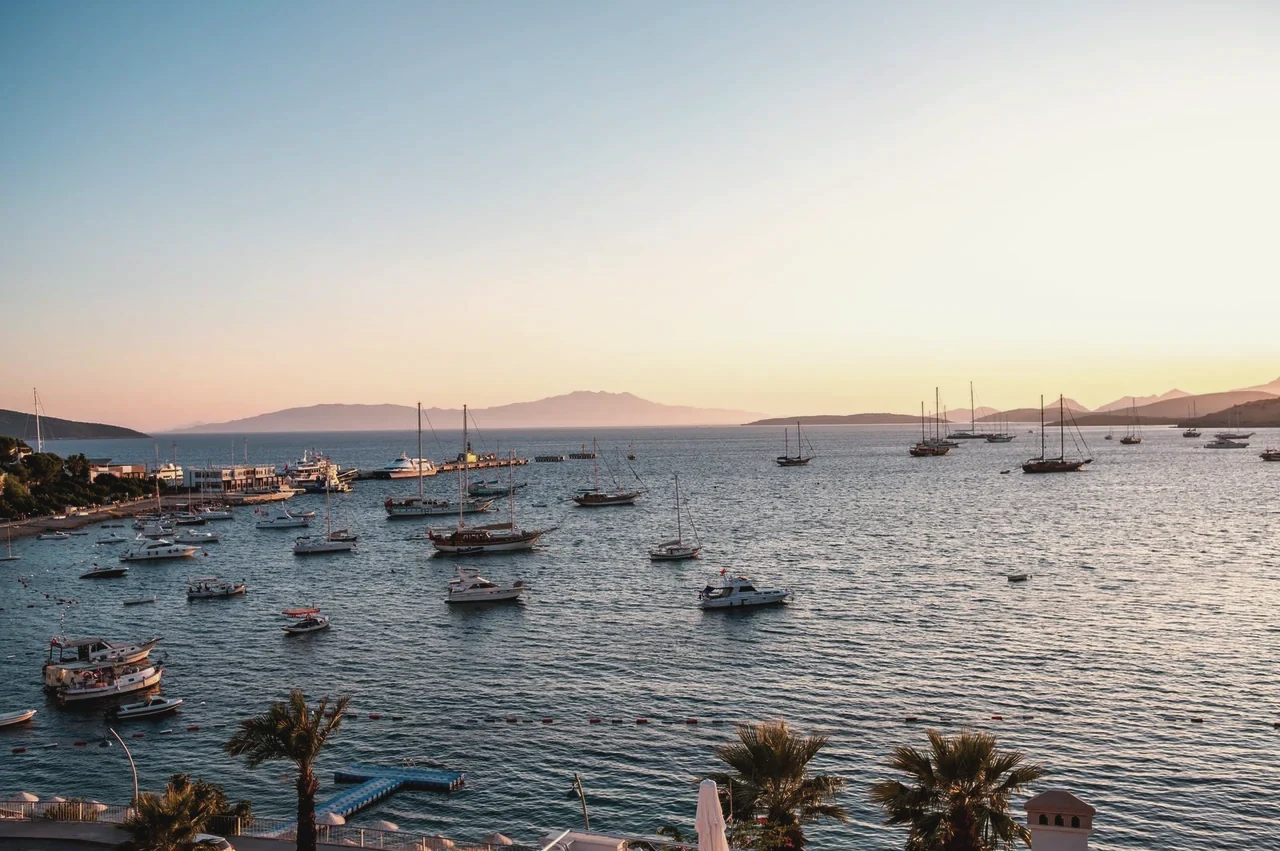 ComparisonCaribbean or Turkey: Citizenship for Contribution or Real Estate in 2026
 AnalysisWhat is due diligence and why the Caribbean is rejecting applications
Personal programme selection is conducted by Anna Kovalevskaya, Head of Legal, BRIDGES.
How a programme is chosen: goals breakdown
Budget, family, timelines and relocation plans - which answers lead to which programme.
