Residency · Turkey
Documents for a Turkey residence permit through property in 2026: the full list
Updated: ·Expert reviewed
Terms and costs verified: undefined

Contents
Since 2023, Turkey's property residence permit (İkamet) has been issued only for buying housing from 200,000 dollars, and the lion's share of refusals happen not because of money, but documents: an untranslated TAPU, expired insurance, an incorrect apostille. This guide has an exhaustive list of papers for 2026: what's needed for the property itself, what personally for you and family, how to prepare translations and apostille, what to bring to the appointment after booking through e-ikamet, and which mistakes most often lead to refusal.
Briefly: what documents are needed for a Turkey residence permit through property
The application for a property residence permit (short-term İkamet based on housing ownership) is assembled from three big blocks. The first - papers for the property itself: they prove you're the real owner of housing of the needed value. The second - the applicant's personal documents: passport, photo, insurance, money, address. The third - documents for family members, if you're processing a residence permit for a spouse and children.
The basic set for the main applicant looks like this:
- a foreign passport valid at least 60 days longer than the requested residence permit;
- a TAPU extract (ownership certificate) in your name;
- a licensed valuation report and confirmation of value from 200,000 dollars;
- a DASK policy (earthquake insurance) for the property;
- private medical insurance for the whole residence permit term;
- four biometric photos on a white background;
- confirmation of residence at the property's address;
- confirmation of sufficient funds (bank statements).
Below we break down each block in detail - who issues the document, how long it's valid, and whether translation is needed. We break down the money path to a passport through the same property from 400,000 dollars in our guide onTurkish citizenship by investment.
Property documents: TAPU is the main document
TAPU is the Turkish ownership certificate, issued by the General Directorate of Land Registry and Cadastre (Tapu ve Kadastro Genel Müdürlüğü). It's exactly TAPU that confirms the property is registered personally to you, and it's exactly by it that the migration service looks at the deal's real price. Since late 2023 this price must be at least 200,000 dollars in equivalent - and it's important that such a sum be entered in TAPU, not understated to save on tax.
What to prepare for the property:
- the original TAPU in the applicant's name (or spouses' joint ownership);
- an extract from the property registration system confirming there are no encumbrances;
- confirmation the property is residential (commercial property doesn't work for this residence permit);
- a receipt for paying the transfer tax (TAPU harcı, around 4%).
The cadastre's status can be checked on the official portal oftkgm.gov.tr. We break down in detail which properties work for the programme at all and which districts are closed in our article onsuitable property for a Turkey residence permit.
Value valuation (SPK): a licensed appraiser's report
To prove the property is worth at least 200,000 dollars, an official valuation from a company accredited by Turkey's Capital Markets Board (SPK - Sermaye Piyasası Kurulu) is needed. This isn't a formality: the migration service relies on the real market value, not just the contract figure. If the valuation shows less than the threshold - the residence permit will be refused, even if the TAPU price is higher.
What to pay attention to in the valuation report:
- the appraiser must be on the current list of accredited SPK companies;
- the report has a limited freshness period - it's generally accepted within 3 months;
- the report records the value in lira and in the dollar equivalent as of the valuation date;
- lira exchange rate fluctuations can "drop" the dollar value below the threshold - this needs to be kept in mind.
The registry and valuation rules are published byspk.gov.tr. We break down the procedure's nuances in detail in a separate guide onthe SPK property valuation- there's also about typical discrepancies between the deal price and the valuation.
Property insurance DASK: a mandatory housing policy
DASK (Doğal Afet Sigortaları Kurumu) is mandatory state earthquake and natural disaster insurance for residential property in Turkey. Without a valid DASK policy you won't be able to connect utilities and process a number of documents, and the migration service expects to see it in the package for the property. For a country on a seismic fault, this isn't bureaucracy, but real asset protection.
What's important to know about DASK:
- the policy is arranged for a year and renewed annually - it must be valid at filing time;
- the cost depends on the area and building type, generally a small annual sum;
- the policy is tied to the specific property and its cadastral data;
- DASK doesn't replace your personal medical insurance - these are different things.
Don't confuse DASK (housing insurance) with medical insurance for the person - that's discussed separately below. Both policies are needed, but they cover completely different risks: one - property, the other - the applicant's health.
The applicant's personal documents: passport, photo, biometrics
This is the block concerning you personally as a person, not your housing. It's here that people most often trip up on small things - for example, the passport's validity period. The rule is simple: the foreign passport must be valid at least 60 days longer than the requested residence permit term. If you're requesting a residence permit for a year, and the passport expires in 10 months - the application will be turned back.
The main applicant's personal package:
- a foreign passport (original + a copy of the data page and the visa/entry stamp page);
- 4 biometric photos sized 5x6 cm on a white background, taken recently;
- a filled-out and printed application from the e-ikamet portal with your signature;
- receipts for paying the residence permit card fee and duty;
- if applicable - the previous residence permit card (if this is a renewal).
Biometrics (fingerprints and a photo for the card's chip) will be taken at the appointment at the migration directorate itself. No separate biometrics document needs to be brought in advance - quality photos are enough. The photos themselves are better taken at a photo studio in Turkey that knows residence permit requirements, otherwise they may be rejected right at the appointment.
We will find the right basis for residency in Turkey
We calculate the budget and timing for your family and list the documents you need.
Medical insurance, income, and funds: confirming solvency
Turkey wants to see you won't become a burden on its system: you have medical insurance and living funds. These are two separate requirements, and both are a common refusal reason.
Medical insurance. A private policy valid in Turkey for the whole residence permit term is mandatory for everyone under 65. The policy must cover hospitalization, emergency, and outpatient care - in 2025-2026 minimum coverage requirements were tightened. People over 65 with their own state insurance and a mutual healthcare agreement with their home country can be exempted, but this doesn't happen automatically - confirmation is needed.
Confirmation of funds. You need to show stable income - a benchmark of around 1.5 Turkish minimum wages a month (around 700-900 dollars at the 2026 rate). These work:
- bank statements for the last 3 months;
- a pension certificate or other regular income;
- a signed employer letter for remote employment.
A lack of financial documents is the reason for about a third of all refusals. We've gathered a detailed breakdown of processing costs in our guide onthe cost of a Turkey residence permit.
Confirmation of address and residence
The migration service needs to understand where you'll actually live. With a property residence permit the logic is obvious: you live in the bought apartment, and the residential address matches the property's address from TAPU. This is convenient - no lease agreement needed, showing ownership is enough.
What to prepare for the address:
- TAPU as proof the housing belongs to you (the address in it is exactly your residential address);
- registration at the address in the address registration system (Adres Kayıt Sistemi) - often processed through the nufus (population affairs office);
- if you don't live in your own property but somewhere else - a notarized lease agreement or the host party's notarized consent.
It's separately worth remembering "closed" districts. If the foreigner share in a district already exceeds 25%, address registration and residence permit issuance there are suspended. This means even a perfectly processed apartment in such a neighborhood won't give you a residence permit. The district's status needs checking BEFORE purchase - otherwise the money is invested, but no residence permit can be obtained. We keep which districts and cities are under restriction current in our overviewA Turkey residence permit through property.
Translations, apostille, and notarization: how to legalize foreign documents
Any document issued outside Turkey (marriage, birth certificates, other certificates) needs to be correctly legalized, otherwise it won't be accepted. The procedure depends on whether your country is a party to the 1961 Hague Apostille Convention.
If the country is a convention party (Russia, Kazakhstan, most of the CIS and Europe), the chain is this:
- an apostille is placed on the document's original at your country's authorized body;
- the document is translated into Turkish by a sworn translator (yeminli tercüman) already in Turkey;
- the translation is certified by a Turkish notary (noter).
If the country isn't a convention party, the apostille is replaced by consular legalization: the document is certified at a Turkish consulate in your country or your consulate in Turkey, after which it's approved by the kaymakamlik (district office).
The main mistakes here: an apostille is placed on the translation instead of the original (it should be the other way around), an unprofessional translation with no sworn status is used, or the notary is forgotten. Any of these mistakes means a repeat trip and lost weeks.
"The costliest mistake in Turkey is buying an apartment and only afterward learning the district is 'closed' or the SPK valuation didn't reach 200,000 dollars. The money is already in the property, but the residence permit isn't granted. So we always work in reverse order: first we check the district and the real valuation, and only then does the client pay for the property. For the documents, the main thing is synchronization. The passport must outlast the residence permit by at least 60 days, the valuation must be fresh by the appointment date, the DASK and medical insurance policies must be valid, and marriage and birth certificates correctly apostilled and translated by a sworn translator with a notary, not the other way around. When all the timelines are brought together to one filing date, there are practically no refusals."
Documents for family members: spouse and children
A property residence permit can also be processed for loved ones. The property owner files the application for themselves, and the spouse and minor children go as family members - either through a family residence permit or separate short-term applications tied to the same housing. The key point is proving kinship with legalized documents.
Additionally required for a spouse:
- a marriage certificate with apostille, translated into Turkish and notarized;
- the spouse's separate foreign passport (term +60 days to the residence permit);
- a separate medical insurance policy and photo for the spouse.
For each child:
- a birth certificate with apostille, translation, and notarization;
- the child's foreign passport and photo;
- when a child travels with one parent - the other parent's notarized consent for the child's residence abroad.
Important: the residence permit is the right to live in Turkey, but it does NOT automatically lead to citizenship. Naturalization is possible after 5 years of legal residence, and permanent residence (uzun dönem) - after 8 years. If the goal is specifically a passport, it's more logical to go the investment route from 400,000 dollars, which we break down in our guide onTurkish citizenship by investment.
Summary table: which document, who issues it, and whether translation is needed
To avoid confusion, let's gather the key documents into one table. Validity periods are approximate - at filing time documents must be fresh and valid, and the property's value per the valuation must be above the 200,000-dollar threshold.
| Document | Who issues it | Validity term | Translation into Turkish |
|---|---|---|---|
| TAPU (ownership rights) | The Cadastre Directorate (TKGM) | Indefinite | Not required |
| SPK valuation | An accredited appraiser | Up to ~3 months | Not required |
| DASK policy | Insurance company | 1 year, to be renewed | Not required |
| Medical insurance | A private insurer | For the whole residence permit term | Not required |
| International passport | Country of citizenship | +60 days to the residence permit | Not required |
| Marriage certificate | The marriage country's civil registry office | Indefinite | Yes + apostille + notary |
| Birth certificate | The country's civil registry office | Indefinite | Yes + apostille + notary |
| Bank statements | Your bank | The last 3 months | Often required |
If even one point is "weak" - for example, the valuation is outdated or the passport expires soon - it's better not to file the application, but close the gap first. It's convenient to start a breakdown of all conditions and an expense calculation with a consultation:discuss your case with BRIDGES GLOBAL's experts.
Booking on e-ikamet and what to bring to the appointment
Since 2026, residence permit filing is fully digital and runs through the state portale-ikamet.goc.gov.tr. The portal itself and migration rules are run by the Directorate General of Migration Management (Göç İdaresi), its official website -en.goc.gov.tr.
The sequence of actions:
- create an account on e-ikamet and choose the application type (short-term residence permit through property);
- fill out the online application and upload scans of all documents;
- choose an appointment date at the provincial migration directorate (İl Göç İdaresi Müdürlüğü);
- print the application form with the assigned number.
You need to come to the appointment itself IN PERSON and bring the ORIGINALS of all uploaded documents plus their copies. The officer will verify identity, check the papers, and take biometrics (photo and fingerprints for the card's chip). If even one original doesn't match the uploaded scan or is missing - the appointment may not count.
What to always bring with you:
- a printed, signed application;
- a passport (original + copies);
- TAPU, the SPK valuation, DASK - originals;
- a medical insurance policy and a photo;
- legalized documents for the family (if processing loved ones);
- receipts for paying the fee and duty.
Common document mistakes and refusal reasons
Most Turkey residence permit refusals aren't "bad luck", but predictable mistakes in the document package. Let's break down the most common ones so you avoid them.
- The property's value below the threshold.The TAPU price is understated for tax purposes, or the lira dropped, and the SPK valuation came in under 200,000 dollars. The solution is a TAPU price and a value buffer.
- An expired or short-validity passport.A passport term shorter than "the residence permit term + 60 days" - an automatic refusal.
- No medical insurance or it expired.Filing with no valid policy is a typical grounds for refusal.
- Weak proof of funds.About a third of refusals are exactly due to finances; statements for 3 months with a clear balance are needed.
- A closed district.An apartment in a neighborhood where foreigners already exceed 25% doesn't grant a residence permit in principle.
- Legalization mistakes.An apostille on the translation instead of the original, no sworn translation or notary for family documents.
- A fictitious address.A mismatch between the declared address and the actual residence.
Unpaid visa overstay fines, debts to the state, and serious legal problems also lead to refusal. If refused, you have the right to appeal within the set period - but it's simpler not to let it come to that by assembling a package with no weak spots from the start.
Residence permit renewal and document retention
A property residence permit is generally issued for 1-2 years with the possibility of renewal. As long as you own a property of the needed value and meet the conditions (insurance, funds, no long absence from the country), it can be renewed multiple times. The renewal application is filed within the same 60 days before the current residence permit's end through the same e-ikamet portal.
What to keep in order between filings:
- a current DASK policy and medical insurance - renew in advance, allowing no "gaps";
- recent bank statements in case of a funds request;
- TAPU and confirmation the property is still owned;
- copies of all previously filed documents and residence permit cards.
If you're planning permanent residence in the future (uzun dönem ikamet after 8 years of continuous residence) or naturalization in 5 years, it's important not to interrupt legal status and not to accumulate long absences from the country. Every "gap" in timelines can reset accumulated residence tenure. We keep the programme's basic rules and timelines in our overviewA Turkey residence permit through property.
We will send a document checklist for your case
Leave your details: we will put together documents and timelines for your family.
How BRIDGES GLOBAL helps assemble the package
Gathering documents for a Turkey residence permit isn't so much about the volume of papers, but their synchronization: the valuation mustn't be outdated by filing, the passport mustn't expire, insurance must be valid, and translations correctly legalized. When a dozen documents with different terms come together on one appointment date, it's easy to miss something.
We guide the client through the whole chain:
- we check the property and district BEFORE purchase - so the apartment doesn't end up in a "closed" neighborhood;
- we monitor the SPK valuation and the TAPU value so it doesn't fall below the threshold;
- we arrange DASK, medical insurance, and funds confirmation;
- we support translations, apostille, and notarization for family documents;
- we prepare filing through e-ikamet and the package of originals for the appointment.
If you've already chosen a property or are still considering Turkey, it's reasonable to start by analyzing your situation: exactly what document set is needed in your case, whether there are district and value risks.Write to BRIDGES GLOBAL's experts- we'll check your scheme before you invest money in property.
Frequently asked
Questions people ask before deciding
01What's the minimum document set needed for a Turkey residence permit through property?
A foreign passport valid +60 days beyond the residence permit, TAPU in your name, an SPK valuation of at least 200,000 dollars, a DASK policy for the property, private medical insurance, 4 biometric photos, address confirmation, and 3-month bank statements confirming funds.
02What's the minimum property value for a residence permit in 2026?
At least 200,000 dollars in equivalent, and this sum must be stated in TAPU, and the licensed SPK appraiser's valuation must confirm the value is not below the threshold as of the valuation date.
03Is the SPK valuation report needed for a residence permit?
Yes. The migration service relies on the real market value, so a report from an accredited SPK company is needed. It's valid for a limited time (around 3 months), and if the valuation is below 200,000 dollars, the residence permit will be refused.
04What is DASK and why is it needed for a residence permit?
DASK is mandatory state earthquake insurance for housing. The policy is arranged for a year, tied to the property, and must be valid at filing time. This is property insurance, it doesn't replace your personal medical insurance.
05Is medical insurance needed and who is it for?
Private medical insurance for the whole residence permit term is mandatory for everyone under 65 and must cover hospitalization, emergency, and outpatient care. People over 65 can be exempted with their own state insurance and a mutual healthcare agreement, but not automatically.
06What income needs to be confirmed?
The benchmark is around 1.5 Turkish minimum wages a month (around 700-900 dollars at the 2026 rate). Confirmed with 3-month bank statements, a pension certificate, or an employer letter. A lack of financial documents is the reason for about a third of refusals.
07What documents are needed for a spouse and children?
For a spouse - an apostilled and notary-translated marriage certificate, a separate passport, insurance, and photo. For each child - an apostilled birth certificate with translation, passport, photo, and when traveling with one parent - the other parent's notarized consent.
08How to legalize foreign documents for Turkey?
If the country is a party to the Hague Convention, an apostille is placed on the original, then the document is translated by a sworn translator in Turkey and certified by a Turkish notary. If the country isn't a convention party - consular legalization is applied with subsequent approval at the kaymakamlik.
09How and where to file the residence permit application?
Fully online through the state portal e-ikamet.goc.gov.tr: you create an account, fill out the application, upload scans, and choose an appointment date at the provincial migration directorate. You come to the appointment in person with the originals of all documents.
10What to bring to the appointment at the migration directorate?
A printed, signed application, a passport with copies, originals of TAPU, the SPK valuation, and DASK, a medical insurance policy, photos, legalized family documents, and fee payment receipts. Biometrics will be taken at the appointment - no separate document about it needs to be brought.
11Why is a Turkey residence permit most often refused?
The main reasons: the property's value below 200,000 dollars, a short or expired passport, no valid medical insurance, weak funds confirmation, the property in a "closed" district (foreigner share over 25%), and document legalization mistakes.
12Does a property residence permit grant the right to Turkish citizenship?
No, it doesn't automatically grant it. A residence permit is the right to live in the country. Naturalization is possible after 5 years of continuous residence, permanent residence (uzun dönem) - after 8 years. If the goal is specifically a passport, the investment route from 400,000 dollars with direct citizenship acquisition is considered.
Transparency
How this material was prepared
- Author
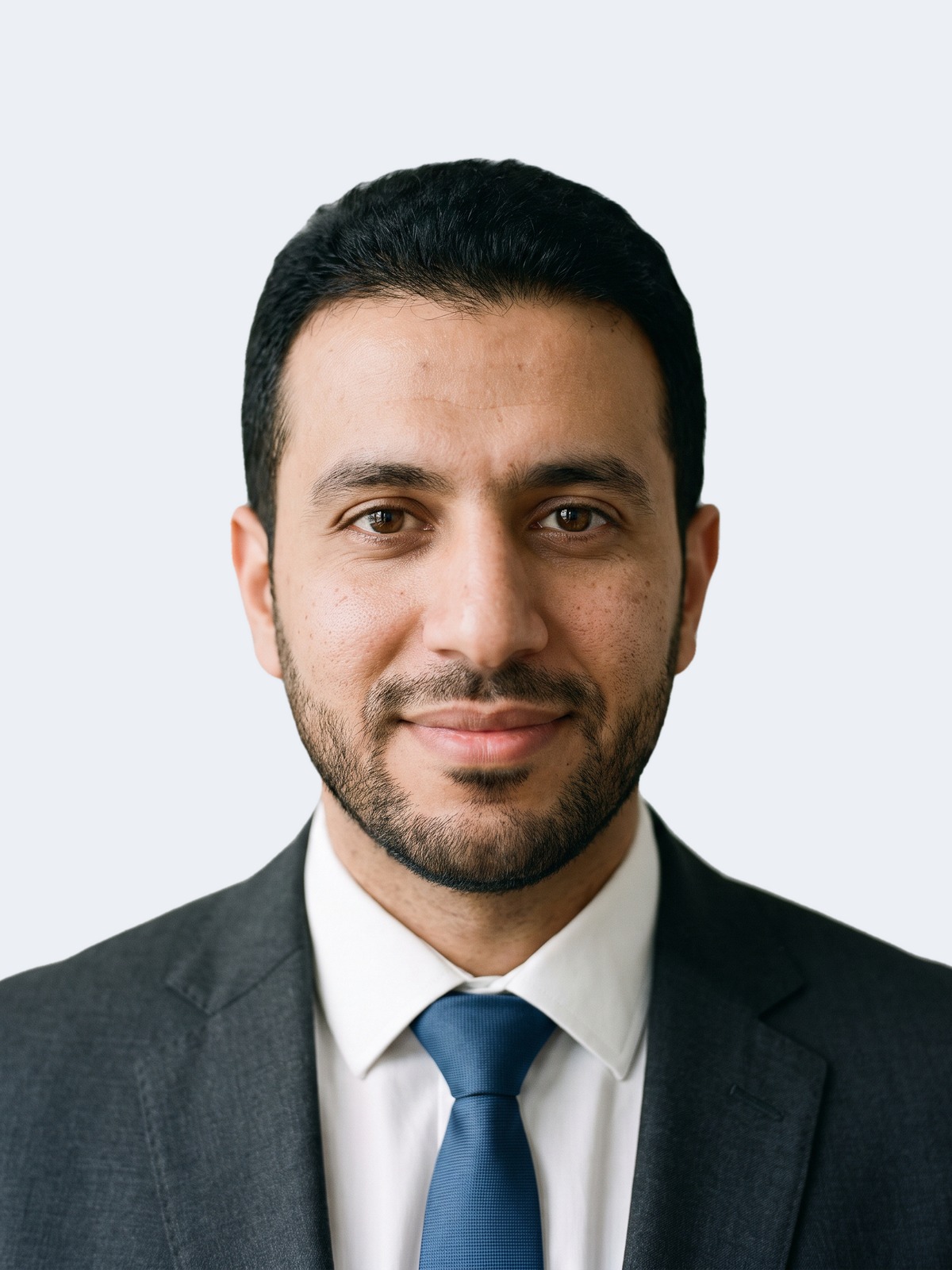
- Karim Naser, head of Istanbul Office, BRIDGES
- Terms and costs last verified
- Sources
- official government authorities of the relevant country and state publications
- Methodology
- government minimum requirements are stated separately from due diligence charges, state fees, legal and banking costs
Sources and methodology
Figures, terms and timelines are checked against official sources. Link availability verified in August 2026. Third-party blogs and agent websites are not used as a source of programme terms.
- [1]Presidency of Migration ManagementResidence permits and citizenshipen.goc.gov.tr
- [2]General Directorate of Land Registry and CadastreProperty transactions and valuationwww.tkgm.gov.tr/en
Methodology: tables and charts state government minimum investment requirements; due diligence charges, state fees, legal, banking and other costs are calculated separately and are not included in the minimum thresholds.
About the author
Related materials
What to read next
 ArticleTurkish citizenship by investment in 2026: complete guide
 ComparisonCaribbean or Turkey: Citizenship for Contribution or Real Estate in 2026
 AnalysisWhat is due diligence and why the Caribbean is rejecting applications
Personal programme selection is conducted by Anna Kovalevskaya, Head of Legal, BRIDGES.
Buying property in Turkey: what to check
Title, encumbrances, outstanding debts and what to look for in the contract.
