Citizenship · Bulgaria
Second Bulgarian citizenship: by roots and naturalization in 2026
Updated: June 2026·11 min read·Expert reviewed
Terms and costs verified: June 2026
Contents
Bulgaria is the only EU country where you can get a passport based on origin even in the third generation. Since 2026, the procedure has been simplified: a DABC certificate is no longer needed; documents are submitted directly to the Ministry of Justice. The passport allows visa-free entry into 186 countries and the right to work in any of the 27 EU countries. I've been doing this kind of business for several years now - I'll tell you how it works in practice.
Why Bulgaria is a serious option
The Bulgarian passport is an EU passport. Not “almost an EU”, not an associate member, but a full-fledged European document. You can live, work and study anywhere in the European Union without additional visas or permits.
Over the years of practice, I have seen people who at first looked only at Malta or Cyprus - expensive, fast, understandable. And then they found out that they had Bulgarian roots, and changed the plan completely. Because the route by origin costs several times less and gives the same result - an EU passport.
Bulgaria allowed dual citizenship back in 2001. There is no need to renounce your current citizenship - this is important for most of my clients.
Three ways to a Bulgarian passport
There are three options, and they differ radically in terms of time and cost:
- By origin - if you have a Bulgarian ancestor. The most popular way in my practice. Duration is about 9 months.
- Naturalization - after 5 years of legal permanent residence in Bulgaria plus knowledge of the language. Long, but reliable.
- Investments - invest 1 million Bulgarian levs (about €500,000) in the country’s economy. Faster than naturalization, but expensive.
, 80% of clients who come to me with a Bulgarian theme go exactly to the roots. This is the optimal ratio of price, time and complexity.
Citizenship by descent: how it works
The key condition is at least one ancestor with Bulgarian roots. One grandfather or grandmother is enough, even if they have already died. The main thing is to confirm the relationship with documents.
What is considered proof of Bulgarian origin:
- Metric record (birth certificate) of a Bulgarian ancestor
- Entry in the church register - if civil records have not been preserved or were lost in fires
- Documents confirming the Bulgarian citizenship of the ancestor or his residence on the territory of Bulgaria
In my practice, there was a case when all civil archives burned down in 1944. We reconstructed the genealogy through the church books of three parishes - it took time, but it worked. Bulgarian courts and the Ministry of Justice accept such documents.
Reform 2026: what has changed
Until 2026, the scheme was two-stage: first obtain a certificate from the State Agency for Bulgarians Abroad (DABCH), and only then submit it to the Ministry of Justice. This added 3-6 months to the process and an extra bureaucratic step.
Since 2026, DABC is no longer involved in the procedure for obtaining citizenship. Documents are submitted directly to the Ministry of Justice. The DABCH certificate is no longer needed.
This reduced the total period to approximately 9 months and removed one of the most unpredictable stages - the DABC was slow and opaque. The reform has really simplified life for applicants.
Important: the requirements for documents of origin have not gone away. It is still necessary to prove kinship - it’s just now done in one department.
What documents are needed
The package is divided into two parts: your personal documents and proof of Bulgarian origin.
Your documents:
- International passport + internal passport (notarized copies with translation into Bulgarian)
- Birth certificate
- Certificate of no criminal record from the country of citizenship
- Marriage or divorce certificate (if available)
Documents of origin:
- Birth certificates in a chain: you → parent → Bulgarian grandparent
- Documents confirming the Bulgarian origin of the ancestor (metrics, church records, archival certificates)
- Death certificates of intermediate relatives (if they are already deceased)
All foreign documents are apostilled and translated into Bulgarian. Translations must be certified in Bulgaria - this is a common mistake when translations are made in advance in another country.
Naturalization: 5 years permanent residence + language
The path through naturalization is suitable for those who already live or plan to live in Bulgaria. Requirements:
- Permanent residence (permanent residence) in Bulgaria for at least 5 years continuously
- Knowledge of the Bulgarian language is confirmed by exam
- Financial solvency - you need to prove that you support yourself
- No criminal record
The Bulgarian language is Cyrillic, close to Russian. Most Russian-speaking clients pass the exam without much difficulty after 2–3 months of preparation.
This path is longer and requires an actual move. But it does not depend on the presence of Bulgarian roots - it is suitable for everyone who is ready to spend 5 years in the country.
We will map your route to a second citizenship
We review your family, source of funds and timing and tell you which route fits.
Citizenship by Investment
The investment route is the most expensive of the three. The threshold is 1 million Bulgarian levs, which today is about €500,000.
Money is invested in the Bulgarian economy: government bonds, funds approved by the Ministry of Finance, or direct investments in companies. It is not necessary to live permanently in Bulgaria.
I’ll be : I rarely recommend this option. For €500,000 you can obtain citizenship of Antigua, Dominica or Saint Lucia - also with visa-free travel to Schengen, but in 3-6 months, not 1-2 years. The Bulgarian investment route makes sense only if you fundamentally need an EU passport and there are no other options.
Cost: what you'll actually pay
Let's look at the paths - without rounding and general phrases.
By origin:
| Expense item | Sum |
|---|---|
| State duty (Ministry of Justice) | ~€200–300 |
| Apostilles on documents (1–2 countries) | €300–600 |
| Translations into Bulgarian | €400–800 |
| Obtaining archival information (if necessary) | €200–500 |
| Legal support | €2 000–5 000 |
| Applying for a Bulgarian passport | ~€60 |
Total by roots: €3,000–7,000 depending on the complexity of the archival work.
Naturalization - expenses for 5 years of permanent residence (rental housing, taxes, fees for permanent residence ~€100/year) plus €1,000–3,000 for final registration.
Investments - from €500,000 in assets plus €3,000–5,000 legal expenses.
Real deadlines for each path
The deadlines that I tell clients are based on the actual work of archives and departments, not advertising:
- By origin - 8–12 months from the date of submission of the complete package. Collecting documents takes another 2–4 months. Total realistically 10–16 months from the start of work.
- Naturalization - at least 5 years of permanent residence, then 6–12 months for the final procedure.
- Investments - 1–2 years from the date of investment.
The main source of root delays is archives. Especially if the ancestor lived in a small town or village, the archives of which are stored in regional funds. Stock up.
What does a Bulgarian passport give?
Bulgaria has been a member of the EU since 2007 and the Schengen area since 2024. The passport gives:
- Visa-free entry to 186 countries - including Schengen, UK, USA (ESTA), Japan, South Korea
- The right to live and work in 27 EU countries without visas or work permits
- Access to European education - at domestic prices, and not as a foreigner
- European health insurance (EHIC)
- Protection of diplomatic missions EU anywhere in the world
For my clients with Russian or Ukrainian citizenship, this usually means a transition from ~60 visa-free countries to 186. The difference is noticeable.
Checking Bulgarian origin: where to start
The first step is talking to your family. Ask the older generation: where are the grandparents from, are there Bulgarian surnames in the family tree, are old documents preserved.
Next, we look at the names. Bulgarian surnames, as a rule, end in -ov, -ev, -ski, -ova, -eva. This is not a guarantee, but a guideline.
Then we look for documents:
- Archives of the registry office at the place of birth of the ancestor (if he lived in the territory of the former USSR)
- Bulgarian State Archives - Main Directorate "Archives" under the Council of Ministers
- Church archives of Bulgarian Orthodox parishes
- Regional archives of Bulgarian cities and villages
An important point: Bulgaria historically included the territories of what is now North Macedonia, parts of Romania (Bessarabia), and Greece. If your ancestor is from there, this may also be of Bulgarian origin. I advise you to check, even if at first glance it seems that there is no connection.
“After several years of working with Bulgarian affairs, I realized one thing: most people do not know about their Bulgarian roots simply because they have never asked. Bessarabian Bulgarians who moved to Moldova and Ukraine in the 19th century, Bulgarian communities in Kazakhstan, descendants of emigrants at the beginning of the 20th century - these are hundreds of thousands of families who have a real chance for an EU passport. The 2026 reform is not a formality. Removing the DABC from the procedure and giving people the opportunity to submit directly to the Ministry of Justice - this shortened the period and removed one of the most unpredictable stages. I advise you to use this moment: documents do not become fresher, archives do not become more complete. It’s better to start checking now.”
Common mistakes and how to avoid them
Over several years of working with Bulgarian cases, I have seen enough of the same mistakes. I will list the main ones:
- Transfers not in Bulgaria. Some people make transfers in advance, in their own country. The Ministry of Justice requires translations certified in Bulgaria. The money is thrown away.
- Incomplete chain of documents. You can't skip a single generation. If the grandfather is Bulgarian, you need your metrics, the parent’s metrics and the grandfather’s metrics - all three levels.
- Errors in name translations. Bulgarian names are transliterated according to their own rules. A discrepancy of one letter between documents can stall the case.
- The certificate of good conduct is expired. It is valid for 3–6 months depending on the country of issue. It should be fresh when served.
- Turning to intermediaries without experience specifically in Bulgarian law. Demand specific examples of completed cases, rather than general words about “international law.”
Dual citizenship: nuances for different countries
Bulgaria has allowed dual citizenship since 2001 - you do not need to give up your current passport. But it is important to understand your country's position.
Russia does not formally recognize second citizenship for citizens of the Russian Federation - that is, for the Russian authorities you remain only a citizen of the Russian Federation. Moreover, Bulgarian citizenship is legally valid. Practice: most of my clients from Russia live with two passports without problems, they simply enter Russia using the Russian one.
Kazakhstan does not allow dual citizenship - when receiving Bulgarian, you formally need to leave Kazakhstan. This is an important point that needs to be discussed individually.
Ukraine allowed dual citizenship in 2024 - there are no restrictions.
If your country is not on this list, please clarify: everyone’s situation is different.
Taxes in Bulgaria: what you need to know
Obtaining citizenship in itself does not make you a tax resident of Bulgaria. Tax residence is determined separately - based on residence (183+ days per year) or registration.
If you do not live in Bulgaria, you do not have tax obligations there. Passport and taxes are two different things.
If you are planning to move or register a business, the tax regime in Bulgaria is one of the most attractive in the EU:
- Income tax: 10% (flat rate)
- Corporate income tax: 10%
- VAT: 20% (standard), 9% for tourism
For comparison: in Germany the income tax reaches 45%, in France - 45%, in Italy - 43%. Bulgaria is a really cheap tax jurisdiction within the EU.
We will send a document checklist for your case
Leave your details: we will put together documents and timelines for your family.
Bulgaria vs other EU countries by roots
Hungary, Romania, Poland, and Germany have similar programs of origin. I compare :
| Country | Term | Condition by roots | Price |
|---|---|---|---|
| Bulgaria | ~9 months | 1 Bulgarian ancestor | €3–7 thousand |
| Hungary | 6–12 months | Hungarian ancestor + knowledge of language | €2–5 thousand |
| Romania | 12–24 months | Ancestor from Romanian territory | €1–3 thousand |
| Poland | 12–36 months | Polish ancestor + language | €2–4 thousand |
Bulgaria wins in one important aspect: after the 2026 reform, it does not require knowledge of the language when applying for origin. Hungary and Poland require the language. This is important for those who are not ready to learn it.
My advice: where to start right now
If you have read this far, most likely the Bulgarian topic is relevant to you. Here's what I recommend doing right away:
- Check family archives. Call grandma, look through old documents. Even one church recording changes everything.
- Request your metric and your parents' metric. If they already exist, half the battle is done.
- Don't delay with apostilles. Some archives are slow and it is best to start this process early.
- Talk to a lawyer before you start collecting documents. It often happens that people collect the wrong things and waste months.
The Bulgarian route is one of the most accessible routes to an EU passport. If you have even a hint of Bulgarian roots, it's worth checking out.
Frequently asked
Questions people ask before deciding
01Do I need to renounce Russian citizenship to obtain Bulgarian citizenship?
No. Bulgaria has allowed dual citizenship since 2001. You receive a Bulgarian passport without giving up your Russian one. For the Russian authorities, you remain a citizen of the Russian Federation - you enter Russia using a Russian passport.
02Is one Bulgarian ancestor enough, or are both parents needed?
One ancestor is enough - a grandfather or grandmother. One Bulgarian relative in the chain gives the right to apply by descent. The main thing is to document the relationship.
03What has changed with the 2026 reform?
Until 2026, it was necessary to first obtain a certificate from the DABC (State Agency for Bulgarians Abroad), and only then submit it to the Ministry of Justice. Now the DABCh is excluded from the procedure - documents are submitted directly to the Ministry of Justice. The period was reduced by approximately 3–6 months.
04What to do if archival documents are lost or destroyed?
Look for alternatives. Bulgarian courts and the Ministry of Justice accept church books of Orthodox parishes. Records from regional archives, population censuses, and property ownership documents are also suitable. In complex cases, we work with several sources simultaneously.
05Do I need to know the Bulgarian language to obtain citizenship by descent?
No. When applying by origin, knowledge of the language is not required. Language is needed only upon naturalization - after 5 years of permanent residence.
06Do I need to physically come to Bulgaria?
For the path by origin, it is desirable, but not necessary at all stages. Some documents can be completed remotely through a power of attorney. Final receipt of your passport will require a personal visit.
07How long does it actually take to collect documents?
2–4 months on average. It depends on how many countries and archives the documents are stored in, and how quickly specific institutions work. Russian registry offices, as a rule, answer for 1–3 months. Bulgarian archives - about the same.
08Can children be included in a citizenship application?
Yes. Minor children may be included in the application of the parent filing by descent. After a parent obtains Bulgarian citizenship, children also acquire the right to it.
09Is Bulgaria already in Schengen?
Yes. Bulgaria became a full member of the Schengen area in 2024. A Bulgarian passport allows free movement throughout the Schengen area without border controls.
10What is the investment route and who is it suitable for?
Investment of 1 million Bulgarian leva (~€500,000) into the Bulgarian economy. Suitable for those who do not have Bulgarian roots and do not want to wait 5 years for naturalization. In my opinion, there are faster options for EU citizenship for the money - it's worth comparing.
11Is my income subject to tax in Bulgaria after obtaining citizenship?
No - unless you live in Bulgaria. Citizenship and tax residency are two different things. You become a tax resident only when you stay 183+ days a year or register. The mere presence of a passport does not create any tax obligations.
12How can I check if I have Bulgarian roots?
Start with the family archive and talk with the older generation. Typical Bulgarian surnames end in -ov, -ev, -ski. Bulgarian communities historically lived in Bessarabia (Moldova, Ukraine), Kazakhstan, and Argentina. If there is the slightest trace, it is worth requesting an archival certificate.
Transparency
How this material was prepared
- Author
- Daniel Kovach, senior International Law Attorney, BRIDGES
- Terms and costs last verified
- June 2026
- Sources
- official government authorities of the relevant country and state publications
- Methodology
- government minimum requirements are stated separately from due diligence charges, state fees, legal and banking costs
Sources and methodology
Figures, terms and timelines are checked against official sources as of June 2026. Link availability verified in August 2026. Third-party blogs and agent websites are not used as a source of programme terms.
- [1]Ministry of Interior of BulgariaResidence of foreign nationals and documentswww.mvr.bg/en
Methodology: tables and charts state government minimum investment requirements; due diligence charges, state fees, legal, banking and other costs are calculated separately and are not included in the minimum thresholds.
About the author
Related materials
What to read next
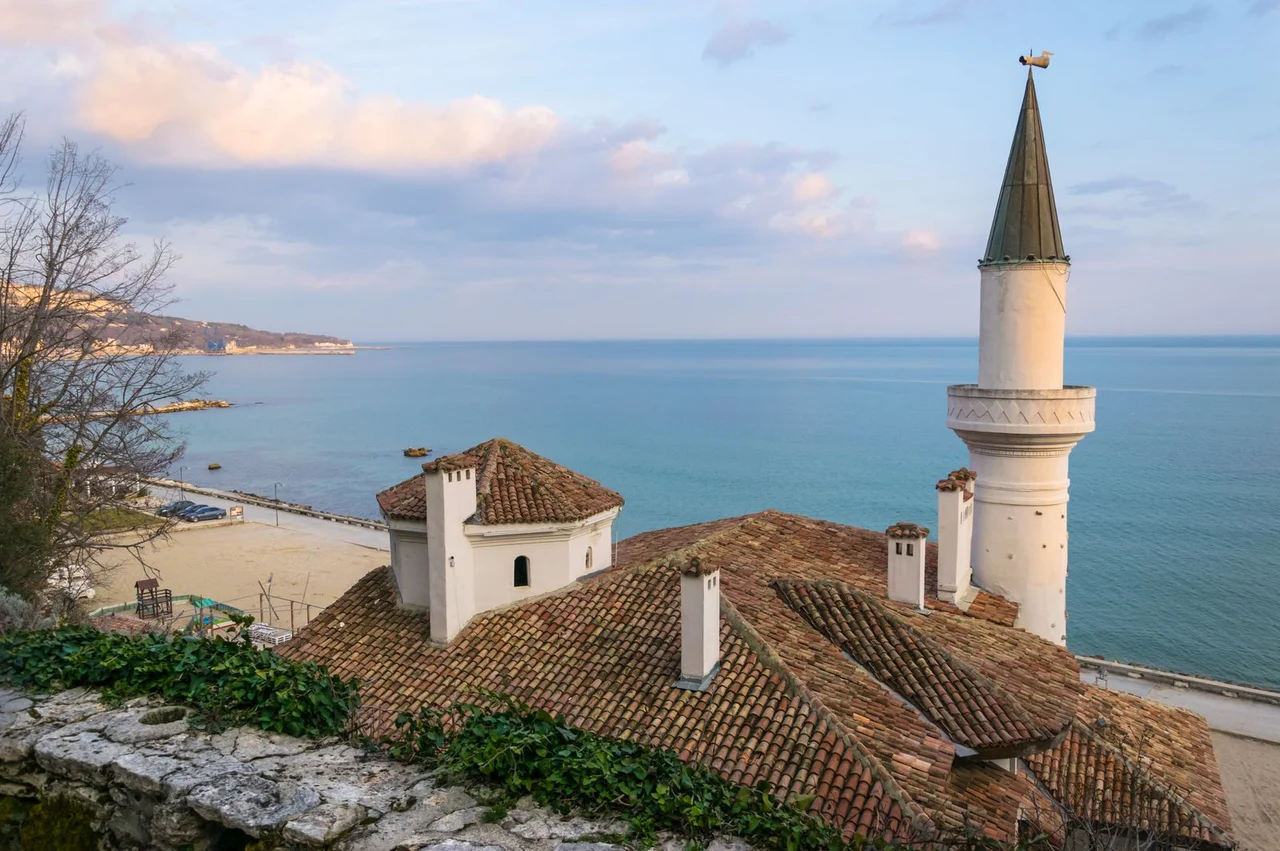 ComparisonCitizenship of Bulgaria or Romania: what to choose for an EU passport
 AnalysisWhat is due diligence and why the Caribbean is rejecting applications
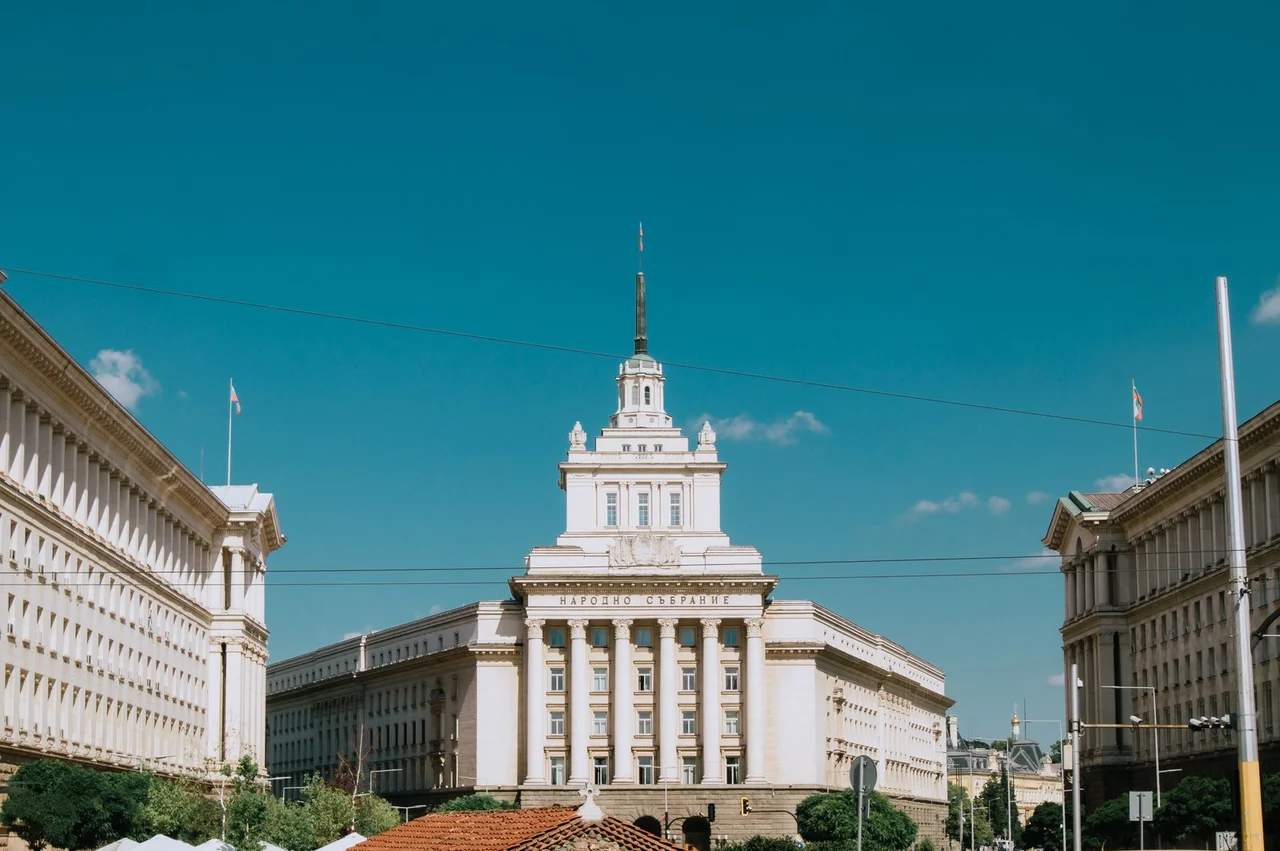 ArticleBulgarian citizenship through investment in 2026: why the program was cancelled and what works instead
Personal programme selection is conducted by Anna Kovalevskaya, Head of Legal, BRIDGES.
Citizenship of Bulgaria: preparation checklist
Documents prepared in advance, source of funds checks and where applications usually fail.