A free PDF guide — an income from €920 a month
A guide to the D7 visafor Portugal
A status for people who live on a pension, rent or dividends: nothing has to be invested, you may work in the country and the card is issued for 2 years. We set out the thresholds by family and what is examined in the income.
- PDF in English
- Free of charge
- Verified on 12.08.2026
- Sent by email, WhatsApp or Telegram
Preliminary information is not a guarantee of approval. The requirements are confirmed on the date of application.
01 / The essentials first
What to know about the D7 before the calculation
Four things that decide the threshold and whether the status can be kept at all.
- Nothing has to be invested
This is not an investment programme: what you prove is a regular income from €920 a month for the applicant. The money stays yours and keeps working where it worked before.
- The income has to be passive
A pension, rent, dividends, interest, royalties. A one-off payment or the sale of an asset will not do: the point being checked is that the income will still be there next year.
- You are allowed to work in the country
Unlike the means-based statuses in Spain and Italy, the D7 permits employment, business and self-employment in Portugal.
- You have to live there for real
This is the crucial difference from the golden visa: an absence longer than 6 months in a row is a ground for cancelling the status. The D7 is built for moving, not for keeping a spare document.
02 / Income
What income your family needs
Set out the family: the threshold rises by a half for a second adult and by a third for a child.
03 / The family
How the threshold changes with the family
The requirement is counted from the minimum wage and depends only on the number of people in the application.
The values were checked against the official material on 12.08.2026. Only the rows for which there is no official wording are marked separately.
| Criterion | OneA single applicant | A coupleThe applicant and a spouse | With a childA couple with one child |
|---|---|---|---|
| The income required for the year | €11,040 | €16,560 | €19,872 |
| A month | €920 | €1,380 | €1,656 |
| How it is counted | the base rate | plus a half for the second adult | plus a third for a child |
| Housing | a lease or property of your own | a lease or property of your own | a lease or property of your own |
| The card | 2 years | 2 years | 2 years |
| Renewal | for 3 years | for 3 years | for 3 years |
| Work in Portugal | permitted | permitted to both | permitted to the parents |
- The income required for the year
- €11,040
- €16,560
- A month
- €920
- €1,380
- How it is counted
- the base rate
- plus a half for the second adult
- Housing
- a lease or property of your own
- The card
- 2 years
- 2 years
- Renewal
- for 3 years
- for 3 years
- Work in Portugal
- permitted
- permitted to both
The income is evidenced for a period before the application: what matters is the regularity, not one large sum sitting in an account.
04 / The country
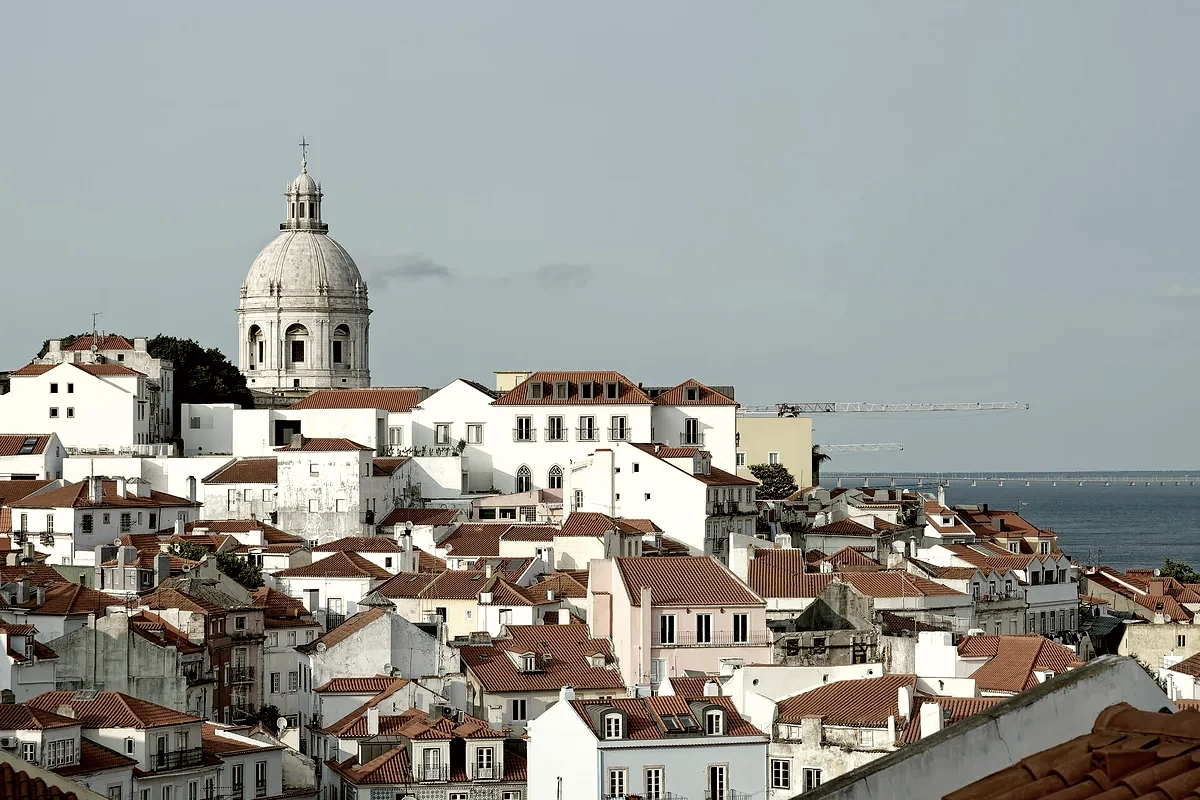
What the country looks like
Briefly about the country and about what sets the terms of the programme.
- The essentials firstThe key facts of the programme: what decides the matter.
- A comparisonThe thresholds and the terms of the programme in one table.
- How the work runsThe process step by step — from the check to the documents.
- The analysisWhat is checked before the status is granted.
- The limitsWhat affects the timings, the costs and keeping the status.
- Your teamWho runs the case and what each specialist answers for.
05 / The order of work
How the process runs
First the Portuguese formalities — the number, the account, the housing — and then the consulate and AIMA.
- The income is checked
We look at the sources: a pension, rent, dividends. What matters is not only how much, but whether the regularity can be evidenced.
- The Portuguese formalities
The NIF tax number, an account with a Portuguese bank, a lease or the purchase of a home.
- The D7 visa application
The application at the consulate for your place of residence: income, housing, insurance, a certificate of no criminal record.
- The visa and the entry
A double-entry visa for four months — the entry and the next step have to happen within that time.
- The AIMA appointment
Biometrics and the application for the residence card at the Portuguese migration agency.
- The card and its renewal
A card for 2 years, renewed for 3 years. The whole process takes 4-6 months.
07 / The check
What is examined in the application
The regularity of the income, the housing, the absence of a criminal record and the insurance — the decision is built on these.
- The regularity of the income
Statements for 6-12 months, lease agreements, pension certificates: what is being proved is stability, not a single sum.
- Housing in Portugal
A lease for at least a year, or a title deed with the address on it.
- No criminal record
A certificate from the country of nationality and from the countries of long residence, apostilled and translated by a sworn translator.
- Insurance and funds
Medical insurance for the first period and proof of savings over and above the current income.
A borderline income is reinforced with savings in the account: that is not a requirement, but it noticeably lowers the risk of refusal.
08 / The limits
What to take into account in advance
Five limits that bear on keeping the status and on tax.
You have to live in the countryNo more than 6 months of absence in a row
The status is cancelled for long absences. This is the fundamental difference from the golden visa.
The income must be passiveA salary will not do
Active employment income from abroad does not count towards the D7: there are other grounds for that.
Tax residenceIt begins after 183 days
Moving means your worldwide income is taxed in Portugal. This is planned before the application.
Citizenship is not quick10 years under the new law
Permanent residence opens after 5 years, citizenship after 10 years of residence.
The queues at AIMAAppointment times move
A biometrics slot depends on how loaded the agency is: the real timeline can run past the upper figure.
09 / Your team
Who runs your case
The work is led by specialists who deal with the Portuguese consulates and with AIMA.
The editorial record
The material was prepared and checked by


- First published
- 12 August 2026
- Last updated
- 12 August 2026
The official sources
- The Agency for Integration, Migration and AsylumAIMA, Portugal · checked 12.08.2026How the residence card is issued and renewed, and the set of documents.
- Portaria n.º 1563/2007Diário da República · checked 12.08.2026Means of subsistence: 100% of the minimum wage for the applicant, 50% for the second adult, 30% for a child.
- The minimum wage for 2026Diário da República · checked 12.08.2026The guaranteed minimum monthly wage — the base for the D7 threshold.
10 / Common questions
Questions about the D7 visa
How much income is needed?
€920 a month for the applicant — that is €11,040 a year. A half is added for a spouse and a third for a child.
What kind of income qualifies?
Passive and regular: a pension, rent, dividends, interest, royalties. One-off receipts and the sale of assets do not qualify.
May I work in Portugal?
Yes. The D7 permits employment, business and self-employment in the country — that is what sets it apart from its Spanish and Italian counterparts.
Do I have to live in the country?
Yes. An absence longer than 6 months in a row, or eight months in total over the life of the card, is a ground for cancellation.
How long is the card issued for?
The first card runs 2 years and is renewed for 3 years.
When does permanent residence open?
Permanent residence after 5 years of living there, citizenship after 10 years under the new law.
What about tax?
After 183 days in the country you become a tax resident of Portugal and declare your worldwide income. The regime is worked out before the move.
How long does the process take?
4-6 months from the visa application to the residence card, allowing for the queues at AIMA.

Free of charge
Take the guide and the income calculation
We will send the PDF with the thresholds by family and a preliminary calculation for your situation.
- The income thresholds for every member of the family
- What counts as passive income
- The presence requirement in figures
- The path to permanent residence and citizenship, with the timings