Updated: June 2026

Case study · Malta · Tax

How a Family Purchased Apartments in St. Julian'sand Obtained Malta Permanent Residence

Purchasing for permanent residence is not about choosing a beautiful apartment, but about selecting one that meets both the program requirements and has clear title. Artem and Marina, with their eight-year-old daughter, wanted to buy rather than rent a property base in Malta and nearly deposited funds for apartments that fell below the MPRP qualification threshold and had a disputed provision in the Title Deed. We explain step-by-step how we identified a qualifying property in St. Julian's, verified its legal clarity, obtained foreign purchase approval, and guided the family to permanent residence status.

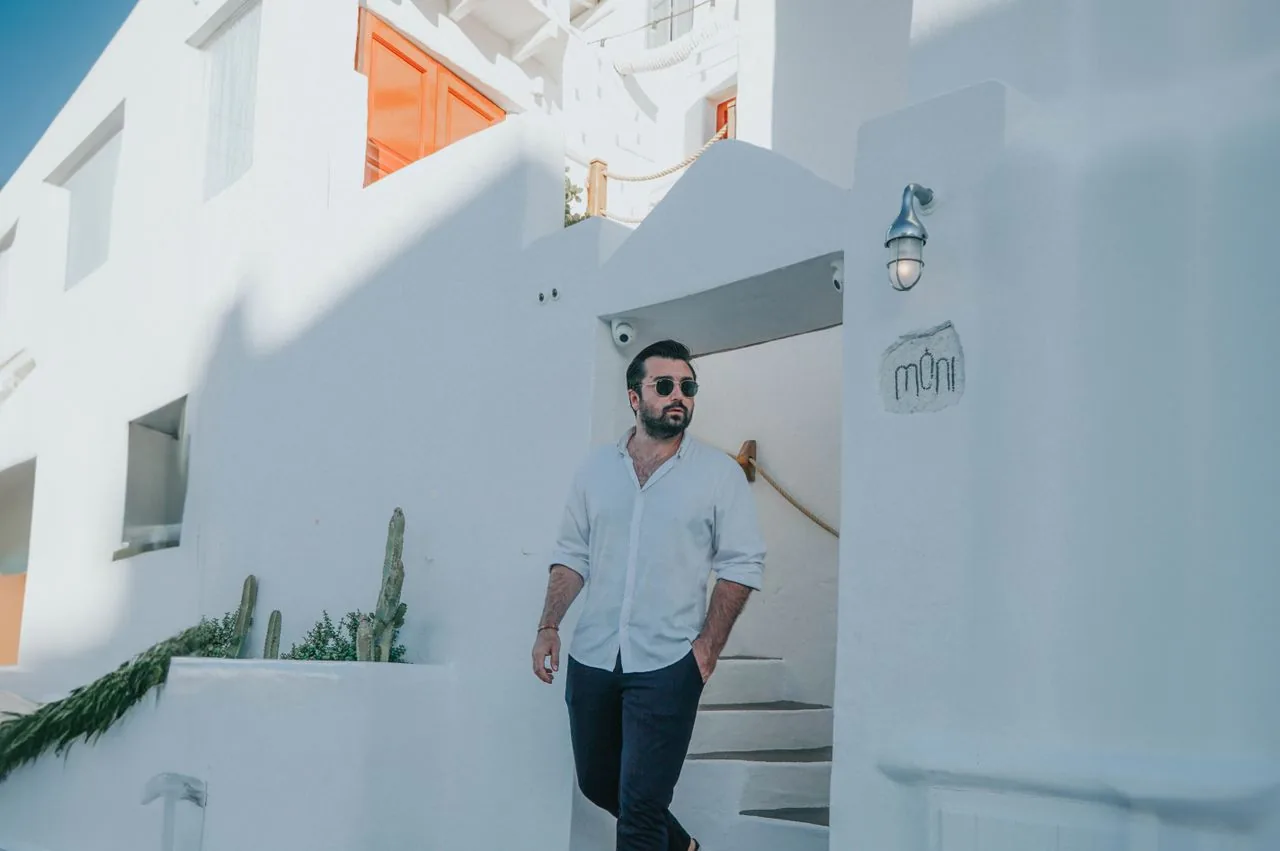
Igor VencIgor VencReal Estate Managing Director, BRIDGESReading time10 min readVerificationReviewed by an expert

This case is based on a real matter. The name and certain identifying details have been changed to protect confidentiality.

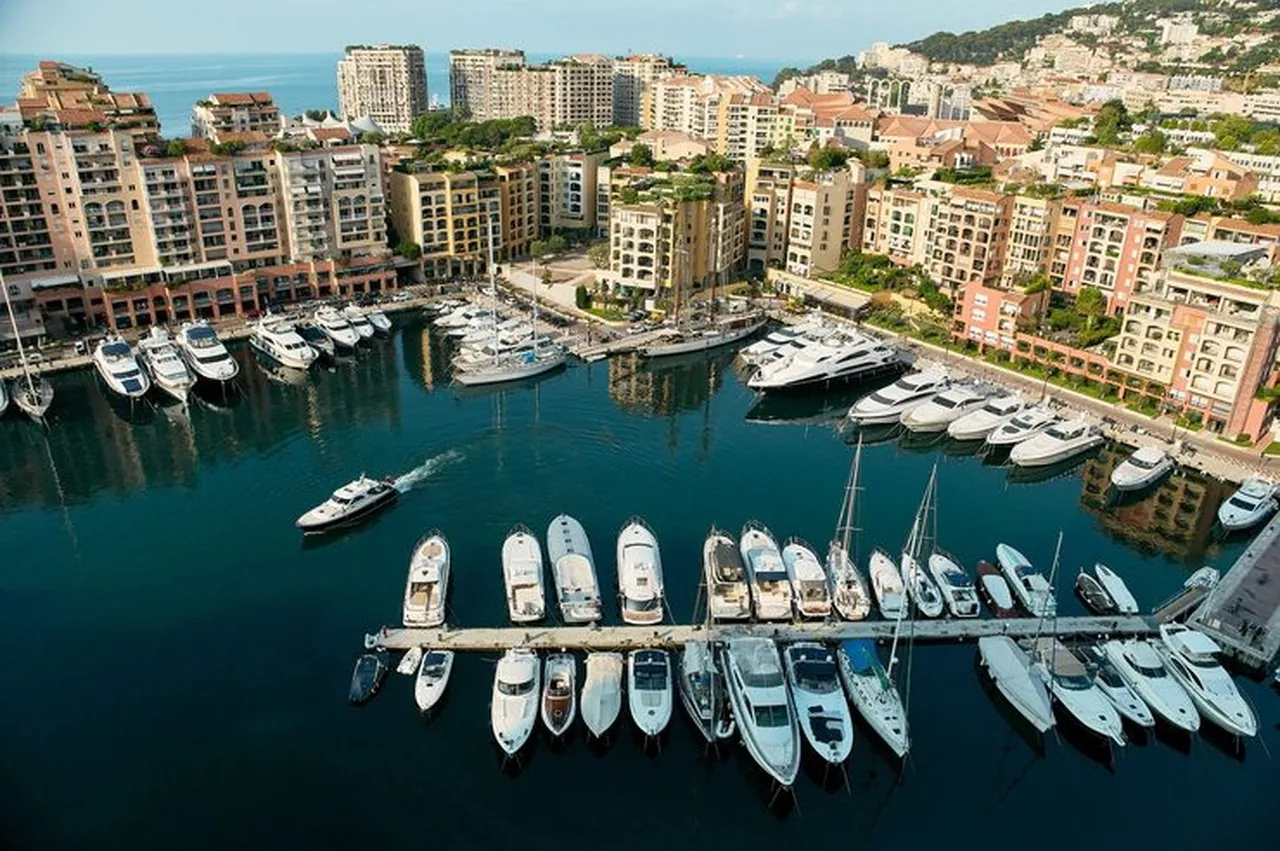
BRIDGES client story - How a Family Purchased Apartments in St. Julian's and Obtained Malta Permanent Residence
Contents

Case at a glance

Situation, solution and outcome in seven lines

Clients
Artem (38) and Marina (36), daughter age 8
Objective
Purchase rather than rent residential property in Malta under permanent residence status
Program
Malta Permanent Residence Programme (MPRP)
Challenge
Selected property below MPRP threshold with disputed title
Source of Funds
Sale of business stake in home country
Solution
Qualifying property selection, title verification, AIP approval
Outcome
Apartments purchased, permanent residence granted to entire family

Client story

Client Story

Where they started

Artem and Marina approached Malta with careful consideration: not temporary rental for status purposes, but a purchase—to establish a genuine European base for the family and provide their daughter with schooling and a clear future. The purchase funds became available following the sale of Artem's business stake in his home country—a clean and documented transaction.

Why the standard route did not work

They had already identified an apartment before contacting us: beautiful apartments with a view, favorable pricing, and a seller pressing for a deposit. The family was emotionally ready to transfer funds within days—but this concealed two pitfalls that non-specialists typically overlook.

What BRIDGES had to solve

First: the property was valued below the qualification threshold that MPRP imposes on purchased real estate. By purchasing it, the family would have spent funds but failed to meet the program requirement—and this residence would not have brought them any closer to permanent residence status.

Why a standard answer would not do

Second: the property's Title Deed contained a disputed matter regarding common property rights of the building—an issue that surfaces not during viewings but through legal examination. Such a title could carry disputation risk for years. Artem contacted BRIDGES literally one day before depositing funds—and in the nick of time.

We were about to deposit funds for an apartment we liked. Igor asked for a day—and it turned out the property didn't qualify under the program and had title issues. He found us other apartments in St. Julian's, verified everything meticulously, obtained purchase approval—and within several months we had both the apartment and permanent residence.

Artem, 38 · Artem, EntrepreneurThe name and certain identifying details have been changed to protect confidentiality.

What Was at Risk

What Was at Risk

The most common error when purchasing for permanent residence is selecting property visually rather than applying two filters simultaneously: does it meet the program's qualification threshold and is its title clear? Non-compliance with either converts an expensive purchase into wasted money that yields no status.

Purchase property below the MPRP threshold—funds spent without meeting program requirements;

  1. 01Obtain apartments with disputed Title Deed and years-long disputation risk;
  2. 02Lose the deposit by exiting the transaction after problems were discovered;
  3. 03Become stuck between purchase and program with no clear remediation plan;
  4. 04Pay unnecessary duties and taxes under a sub-optimally structured transaction.

The logic of the solution

How the matter progressed: from checks to result

The chart is built from the facts of this matter and shows the logic of the work without decorative or unverified data.

  1. 01
    Stage 1

    We stopped the deposit from being made and in one day verified the selected property against two criteria: compliance with MPRP's qualification threshold and the condition of the Title Deed - we identified undervaluation and disputed rights to the building's common property, after which we dissuaded the family from the transaction.

  2. 02
    Stage 2

    We selected an apartment in Sliema that meets the MPRP threshold and ordered a full legal review: title history, absence of encumbrances and mortgages, legality of all previous transfers of rights - this eliminated the risk of challenge.

  3. 03
    Stage 3

    We structured the source of funds: we linked the purchase funds with the sale of Artem's business share through a share purchase agreement, bank statements confirming receipt, and tax documents - so that the apartment payment passed bank compliance without questions.

  4. 04
    Stage 4

    We signed a Promise of Sale (konvenju) at the notary with a provisional fee of 1% and a condition allowing exit without losses if the foreign resident permit is not obtained - this protected the deposit during the approval process.

  5. 05
    Stage 5

    We obtained a permit for the acquisition of real estate by a foreigner (AIP-permit), without which a transaction for a non-resident is invalid, and only after this proceeded to the final notarial deed and registration of rights.

Takeaway. The purchase worked as a dual investment: it fulfilled the program's requirement and preserved capital in a liquid district - the property can be rented or sold upon expiry of the holding period without loss in value. The family obtained both a European base and status.

How we solved the problem

How we solved the problem

The work was split into verifiable stages so that every conclusion rested on documents.

  1. 01

    Stage 1

    We stopped the deposit from being made and in one day verified the selected property against two criteria: compliance with MPRP's qualification threshold and the condition of the Title Deed - we identified undervaluation and disputed rights to the building's common property, after which we dissuaded the family from the transaction.

  2. 02

    Stage 2

    We selected an apartment in Sliema that meets the MPRP threshold and ordered a full legal review: title history, absence of encumbrances and mortgages, legality of all previous transfers of rights - this eliminated the risk of challenge.

  3. 03

    Stage 3

    We structured the source of funds: we linked the purchase funds with the sale of Artem's business share through a share purchase agreement, bank statements confirming receipt, and tax documents - so that the apartment payment passed bank compliance without questions.

  4. 04

    Stage 4

    We signed a Promise of Sale (konvenju) at the notary with a provisional fee of 1% and a condition allowing exit without losses if the foreign resident permit is not obtained - this protected the deposit during the approval process.

  5. 05

    Stage 5

    We obtained a permit for the acquisition of real estate by a foreigner (AIP-permit), without which a transaction for a non-resident is invalid, and only after this proceeded to the final notarial deed and registration of rights.

  6. 06

    Stage 6

    We submitted the MPRP package to the RMA: qualifying real estate, state contribution, charitable donation, medical insurance, and proof of funds - and guided the family of three through Due Diligence until status issuance.

Expert comment

I always review a property as if for myself: documents, developer, legal clarity. With Artem, time was running out - they were already waiting on the deposit. And there the price was below the program threshold, and the title had disputed rights to common property. If we had bought - they would have ended up without both status and a problem property. We found a liquid property in Sliema above the threshold, conducted a full title review and obtained the AIP permit. As a result, the purchase gave the family two things at once: housing that will not depreciate, and Permanent Residence.

Igor Venc, Real Estate Managing Director, BRIDGESIgor VencReal Estate Managing Director, BRIDGES

Outcome

What the client received

What was required
How we did it · Result
Purchase housing for Permanent Residence
selection of property above MPRP threshold · qualifying apartments
Avoid problematic title
full Title Deed review · clean, protected rights
Conduct transaction for a foreigner
AIP permit + notarial deed · purchase is valid
Obtain status for the family
MPRP package to RMA · Permanent Residence for three persons
Obtain status for the family
MPRP package to RMA · Permanent Residence for three persons

The family did not make a deposit on an unsuitable property, but purchased qualifying apartments in Sliema with a clean title: source of funds confirmed by the sale of a business share, AIP permit obtained prior to the transaction, rights registered. On this purchase, the RMA issued Permanent Residence to all three.

Practical takeaway

What matters in a similar situation

  • The purchase worked as a dual investment: it fulfilled the program's requirement and preserved capital in a liquid district - the property can be rented or sold upon expiry of the holding period without loss in value. The family obtained both a European base and status.
  • The case demonstrates the difference between buying an apartment and buying for Permanent Residence. What matters is not the view from the window, but two filters - the program threshold and title clarity - plus properly structured source of funds and a foreign resident permit.

FAQ

Questions people ask in a similar situation

01What is more advantageous for Malta Permanent Residence - purchase or rental?

It depends on your objectives. Purchase requires a substantial sum, but preserves capital in an asset and reduces the state contribution. Rental is cheaper upfront, but the contribution is higher and the real estate does not remain in ownership. We assess both options for each specific family.

02What property qualifies under MPRP for purchase?

Real estate not below the price threshold established by the program (threshold is lower for South Malta and Gozo) with retention in ownership for the duration of the program. The property must have a clean Title Deed.

03What is an AIP permit?

Acquisition of Immovable Property permit - authorization for a non-resident foreigner to purchase immovable property. Without it, the transaction for a non-resident outside special zones is invalid; we obtain it prior to the final deed execution.

04Why verify the Title Deed if a notary is involved?

The notary executes the transaction, but a separate legal due diligence review examines the complete title history - prior transfers of ownership, encumbrances, and disputed rights to joint property. This review identifies dispute risks.

05Will the child be included in the status?

Yes. The MPRP includes the applicant's spouse and dependent children; where applicable, ascending relatives may also be included in the composition. The family composition is confirmed by supporting documentation and undergoes Due Diligence.

06Do you want to purchase residential property in Malta in a way that provides both Permanent Residence and preserves capital?

We will identify a qualifying property, verify the Title Deed, obtain AIP clearance, and document the source of funds - so the purchase simultaneously provides the family with real estate and residency status.

About the author

Igor Venc

Author: Igor Venc

Real Estate Managing Director, BRIDGES

I lead the international real estate practice at BRIDGES and coordinate cross-border transactions from the selection of an ownership structure through to completion. I assess the legal position of the property and its suitability for the client's objectives.

Before the client assumes obligations under a transaction, I review title and possible encumbrances, assess whether the property is suitable for the client's objectives, and examine the implications of the chosen ownership structure. The review is organised in a clear sequence so that the relevant findings can be addressed before completion.

During the consultation, we will examine the purpose of the acquisition, the proposed ownership model and the intended use of the property. Once the engagement begins, I coordinate the property review, transaction preparation and the key decisions of the BRIDGES team through to completion.

Prepared on the basis of BRIDGES practice and reviewed by a subject-matter expert.

Discuss your situation with Igor

We will review your situation and propose a solution

Describe your task in a few words. We will study your situation, assess the legal and practical options and propose the next step based on your goals, documents and country.

Confidential · no obligations · answered by the relevant specialist

Or message us on WhatsApp or Telegram

Dmitry NagyInternational Tax Consultant, BRIDGES
Dmitry Nagy, International Tax Consultant, BRIDGES

Names and certain details have been changed to protect client confidentiality. The result described reflects one specific situation and is neither a public offer nor a guarantee of a similar outcome. Programme terms are stated as of 2026 and may change - please confirm current parameters with a BRIDGES consultant.