Updated: June 2026

Case study · Grenada · Citizenship

How Trust Funds Were Verified andGrenada Citizenship Obtained

A trust is a lawful and common way to hold family capital, but for investment citizenship verification it is a "structure within a structure": funds come not directly from an individual, but from a trust, and due diligence needs to understand what lies behind it. Our client's funds came precisely from a trust. We explain how we disclosed the structure and obtained Grenada citizenship.

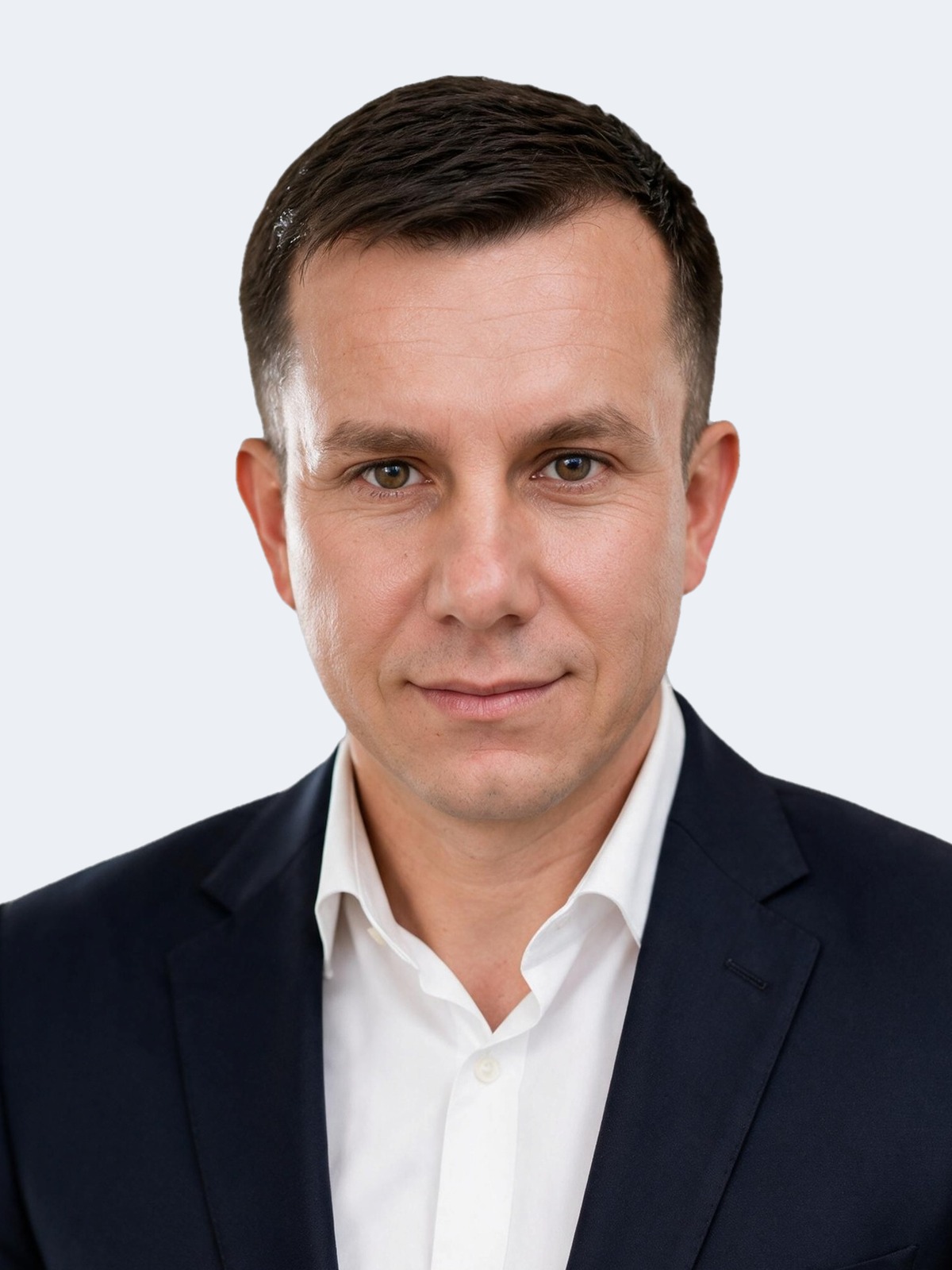
Sergey EvdokimovSergey EvdokimovManaging Partner, BRIDGESReading time9 min readVerificationReviewed by an expert

This case is based on a real matter. The name and certain identifying details have been changed to protect confidentiality.

BRIDGES client story - How Trust Funds Were Verified and Grenada Citizenship Obtained
Contents

Case at a glance

Situation, solution and outcome in seven lines

Client
Family Trust Beneficiary
Objective
Verify trust funds and obtain citizenship
Program
Grenada Citizenship by Investment
Complexity
Funds sourced from a trust, not directly from the applicant
Requirements
Disclose the trust structure and source of its assets
Solution
Trust file: settlor, beneficiary, assets, distribution
Result
Structure verified, passport obtained

Client story

Client's Story

Where they started

The client's funds for citizenship did not come directly from his personal account, but from a family trust of which he was the beneficiary. A trust is a lawful and common instrument for holding capital, but for investment citizenship verification it creates an additional layer.

Why the standard route did not work

The reason lies in the nature of the structure. With a trust, funds do not come from the individual himself, but from a legal construct: there is a settlor who created it, a trustee, beneficiaries, and assets within. Due diligence on such funds does not settle for "funds from a trust" - the verification wants to understand who established the trust, what funds it holds, how the client is connected to it as a beneficiary, and on what basis he receives distributions.

What BRIDGES had to solve

Here it is important to disclose the structure rather than hide it behind the word "trust." The funds are clean if the entire construct is shown transparently: who and when established the trust, from what lawful source its assets were formed, what the client's role is as a beneficiary, and how and on what basis funds are distributed to him. A disclosed trust transforms from an "unclear structure" into a transparent and lawful source.

Why a standard answer would not do

At BRIDGES, the client came to undergo verification with such a source: disclose the family trust structure and the origin of its assets, confirm his role as beneficiary, and obtain Grenada citizenship.

My funds came from a family trust where I am a beneficiary - and I understood that verification would need more than that; it would need to understand the structure itself. Dmitry did not hide everything behind the word "trust," but disclosed the construct: who established it, what the assets are composed of, how I am connected as a beneficiary, on what basis I receive distributions. Verification saw a lawful and transparent picture, and I received my Grenada passport. With a trust, the key is to disclose the structure, not dismiss it by saying it's simply a trust.


Benefitsiar · Trust BeneficiaryThe name and certain identifying details have been changed to protect confidentiality.

What Was at Risk

What Was at Risk

The risk was not in the legality of the capital, but in the fact that a trust for verification is an additional layer: funds come from a structure, not from a person. Without disclosing the construct, due diligence cannot confirm the source. The danger was to hide everything behind the word "trust" instead of transparent disclosure. The key was to show the entire structure - the settlor, assets, beneficiary's role, and basis for distribution.

That funds come from a trust, not directly from the client;

  1. 01That a trust is a structure with a settlor, assets, and beneficiaries;
  2. 02That verification wants to understand what stands behind the trust;
  3. 03That the trust's asset source and the client's role must be disclosed;
  4. 04That a disclosed structure confirms a lawful source.

The logic of the solution

How the matter progressed: from checks to result

The chart is built from the facts of this matter and shows the logic of the work without decorative or unverified data.

  1. 01
    Stage 1

    We evaluated the additional structural layer. First, we established that the trust is lawful, but creates a layer for review: funds come from a construction, not from an individual. This determined our strategy - to fully disclose the trust rather than conceal it under the name "trust".

  2. 02
    Stage 2

    We disclosed the trust establishment. We provided the founding documents: who and when established the trust, how it is structured, and who is the trustee. The structure ceased to be a "black box".

  3. 03
    Stage 3

    We confirmed the source of trust assets. We demonstrated the lawful source from which trust assets are formed - so that the capital within the structure has clear and legitimate origin.

  4. 04
    Stage 4

    We confirmed the client's role as beneficiary. We documented the client's connection to the trust as beneficiary - his lawful entitlement to the funds, not incidental receipt.

  5. 05
    Stage 5

    We disclosed the basis and receipt of payment. We revealed the payment instruction and fund transfer to the client, completing the chain from settlor and trust assets to funds in the beneficiary's account.

Takeaway. Conclusion: a trust is lawful, but adds a layer for review - funds come from a construction, not from an individual. Funds pass due diligence if the structure is fully disclosed: settlor, assets, beneficiary role, basis for payment.

How we solved the matter

How we solved the matter

The work was split into verifiable stages so that every conclusion rested on documents.

  1. 01

    Stage 1

    We evaluated the additional structural layer. First, we established that the trust is lawful, but creates a layer for review: funds come from a construction, not from an individual. This determined our strategy - to fully disclose the trust rather than conceal it under the name "trust".

  2. 02

    Stage 2

    We disclosed the trust establishment. We provided the founding documents: who and when established the trust, how it is structured, and who is the trustee. The structure ceased to be a "black box".

  3. 03

    Stage 3

    We confirmed the source of trust assets. We demonstrated the lawful source from which trust assets are formed - so that the capital within the structure has clear and legitimate origin.

  4. 04

    Stage 4

    We confirmed the client's role as beneficiary. We documented the client's connection to the trust as beneficiary - his lawful entitlement to the funds, not incidental receipt.

  5. 05

    Stage 5

    We disclosed the basis and receipt of payment. We revealed the payment instruction and fund transfer to the client, completing the chain from settlor and trust assets to funds in the beneficiary's account.

  6. 06

    Stage 6

    We passed review and obtained the passport. With the fully disclosed structure, due diligence saw a transparent lawful source, and the client obtained Grenada citizenship. The trust passed review because of the disclosure, not despite the complexity.

Expert comment

A trust always adds a layer for review, and many make a mistake here: they think it is sufficient to say "funds from a family trust," and the matter is closed. It is not. For due diligence, a trust is a structure within a structure: funds come not from an individual but from a construction that has a settlor, trustee, beneficiaries, and assets within. The review wants to understand all of this: who established the trust, with what lawful funds it is capitalized, how the client is connected as beneficiary, on what basis the client receives payment. I disclose the trust by components - founding documents, asset source, beneficiary role, basis and receipt of payment. When the structure is fully disclosed, a trust transforms from an "opaque construction" into a transparent and absolutely lawful source. This client's case was exactly that: clean capital, we only needed to disclose the structure rather than conceal it behind the word "trust". We disclosed it - and he obtained his passport.

Sergey Evdokimov, Managing Partner, BRIDGESSergey EvdokimovManaging Partner, BRIDGES

Outcome

What the client received

What was required
How we accomplished it · Result
Confirm the source
Trust structure disclosure · Picture is transparent
Resolve questions regarding the trust
Founding documents · Structure is clear
Present the assets
Source of trust capitalization · Lawful origin
Obtain the passport
Due diligence clearance · Grenada citizenship
Obtain the passport
Due diligence clearance · Grenada citizenship

The situation: the client's funds came from a family trust, and the review raised questions about this structure rather than accepting the phrase "funds from trust". What we did: we evaluated the additional structural layer; disclosed the trust establishment; confirmed the source of trust assets; confirmed the client's role as beneficiary; disclosed the basis and receipt of payment; passed review and obtained the passport. What the client received: a confirmed structure and Grenada citizenship.

Practical takeaway

What matters in a similar situation

  • Conclusion: a trust is lawful, but adds a layer for review - funds come from a construction, not from an individual. Funds pass due diligence if the structure is fully disclosed: settlor, assets, beneficiary role, basis for payment.
  • The client confirmed the source and obtained the passport - because we disclosed the trust structure in its entirety, from settlor and asset origin to beneficiary payment, rather than concealing it behind the word "trust".

FAQ

Questions people ask in a similar situation

01Can funds from a trust be used for citizenship purposes?

Yes, a trust is a lawful source. But it adds a layer for review: it is important to disclose the structure - the settlor, the source of trust assets, the client's role as beneficiary, and the basis for payment.

02Why does the review raise questions about the trust?

Because funds come from a structure rather than directly from an individual. Due diligence is not satisfied with the phrase "trust assets" and seeks to understand what stands behind this arrangement.

03What documents are included in a trust file?

Trust founding documents, confirmation of the source of its assets, documents regarding the client's role as beneficiary, distribution order, and confirmation of fund receipt.

04How to resolve trust verification concerns?

Disclose the structure completely and transparently rather than concealing it behind a name. When the entire arrangement is visible—from the settlor and assets to the beneficiary payout—the trust is confirmed as a legitimate source.

05What is the cost of Grenada citizenship?

Contribution to the National Transformation Fund from 235,000 USD or real estate from 270,000 USD. Exact terms are clarified with the authorized body.

06Do your funds originate from a trust or another structure?

We will transparently disclose the trust structure—settlor, source of assets, beneficiary role, basis for distribution—so that the verification authority sees a legitimate source and you obtain a Grenada passport.

About the author

Sergey Evdokimov

Author: Sergey Evdokimov

Managing Partner, BRIDGES

As Founder and Managing Partner of BRIDGES, I am responsible for the firm's strategy and personally lead its most complex client matters, including cases in which citizenship or residence decisions require a strategic view and consideration of capital.

I begin by defining the objective: the outcome the client needs, the facts that affect the choice, and the matters that require further review. I then establish the available directions, the sequence of work, and the key decision points.

Once the strategy has been agreed, I oversee the BRIDGES team's key decisions and remain involved at the stages that shape the course of the matter. The purpose is to give the client a clear rationale for the chosen direction and a precise understanding of the next steps.

Prepared on the basis of BRIDGES practice and reviewed by a subject-matter expert.

Discuss your situation with Sergey

We will review your situation and propose a solution

Describe your task in a few words. We will study your situation, assess the legal and practical options and propose the next step based on your goals, documents and country.

Confidential · no obligations · answered by the relevant specialist

Or message us on WhatsApp or Telegram

Anna KovalevskayaHead of Legal, BRIDGES
Anna Kovalevskaya, Head of Legal, BRIDGES

Names and certain details have been changed to protect client confidentiality. The result described reflects one specific situation and is neither a public offer nor a guarantee of a similar outcome. Programme terms are stated as of 2026 and may change - please confirm current parameters with a BRIDGES consultant.