Updated: June 2026

Case study · Dominica · Citizenship

How an Eco-Resort Stake Granted a Client DominicaCitizenship and a Working Asset

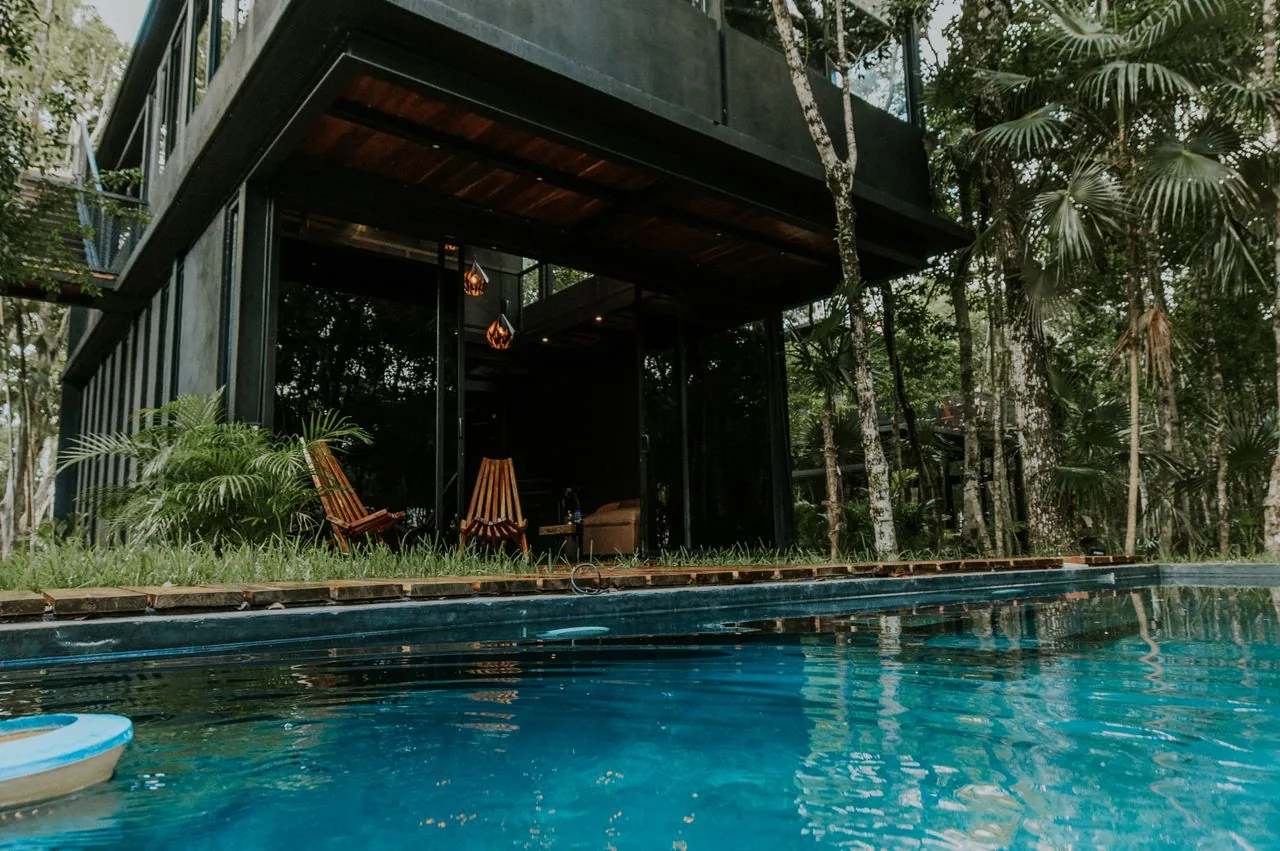
Dominica is known as the "Island of Nature," and real estate for citizenship here often takes the form of a stake in a tourism project that generates income from guest flows. Our client wanted not just a passport, but an investment that generates returns. We selected an eco-resort stake that would both qualify under the program and perform as a working asset. This is a straightforward case combining a passport and an income-generating asset. We explain how we identified the property.

Sergey EvdokimovSergey EvdokimovManaging Partner, BRIDGESReading time8 min readVerificationReviewed by an expert

This case is based on a real matter. The name and certain identifying details have been changed to protect confidentiality.

BRIDGES client story - How an Eco-Resort Stake Granted a Client Dominica Citizenship and a Working Asset
Contents

Case at a glance

Situation, solution and outcome in seven lines

Client
Tourism Real Estate Investor
Objective
Dominica passport + working income-generating asset
Program
Dominica, Citizenship by Investment
Key Considerations
ensuring the stake both qualifies and generates income
Option
Real estate from $200,000 in an approved project
Solution
Stake in an eco-resort with project verification
Result
Passport and income-generating tourism asset

Client story

Client Story

Where they started

The client was considering Dominica citizenship through real estate but wanted the investment to work actively rather than remain passive. Dominica is an "island of nature" with growing ecotourism, and real estate under the program here often takes the form of a stake in a tourism project: an eco-resort or hotel that receives guests and generates income.

Why the standard route did not work

The client's logic was sound: if investing in real estate for a passport, it should be a stake in an operational resort generating income from tourism flows rather than a passive property.

What BRIDGES had to solve

Citizenship through real estate requires an investment of $200,000 minimum in an approved project with a three-year holding period. However, not every attractive project is approved and not every stake is equally secure: it is essential to select an approved property and verify it—the developer, prospects, and the resort's income model.

Why a standard answer would not do

At BRIDGES, the client came to achieve two objectives: identify a stake in an eco-resort that qualifies for Dominica citizenship and functions as an income-generating tourism asset, while verifying the project before investment.

I wanted a Dominica passport through real estate but needed the investment to generate income rather than sit idle. Igor suggested a stake in an eco-resort—after all, Dominica is an island of nature where people travel for ecotourism. We selected an approved project, verified the developer and income model. Now I have both a passport and a stake in an operational resort. It's rewarding when an investment made for citizenship also generates returns from tourism flows.
Anna · InvestorThe name and certain identifying details have been changed to protect confidentiality.

Key Considerations

Key Considerations

There was no risk—only the task of selecting a stake that both qualifies and performs. One could invest in an attractive but unapproved project—then no passport; or in an approved but weak resort—then no income. The key was selecting an eco-resort approved by the program and verifying its income model and developer.

Real estate from $200,000 minimum in an approved project is required for citizenship;

  1. 01Not every project is approved by the program;
  2. 02The stake must generate returns from tourism flows;
  3. 03Developer verification and resort income model review;
  4. 04Three-year minimum holding period per program requirements.

The logic of the solution

How the matter progressed: from checks to result

The chart is built from the facts of this matter and shows the logic of the work without decorative or unverified data.

  1. 01
    Stage 1

    Combined income and passport. First, we established that the client required both an operating asset and citizenship from a single investment. This set our criterion: the share had to both qualify and generate income.

  2. 02
    Stage 2

    Considered Dominica's specifics. We evaluated the island as an ecotourism destination, where real estate under the program typically consists of a share in a tourism project. The eco-resort aligned with both income generation and the island's concept.

  3. 03
    Stage 3

    Selected an approved project. We identified an eco-resort from program-approved projects with an investment starting from USD 200,000. Only approved properties qualify for citizenship.

  4. 04
    Stage 4

    Verified the developer and revenue model. We assessed the project: the developer's reputation, prospects, and how the resort generates revenue from tourist flow. Income potential was factored into the selection phase.

  5. 05
    Stage 5

    Executed the share in the eco-resort. We completed the investment in a share of an approved resort with holdback provisions per program requirements. The same amount functioned both as an income-generating asset and as grounds for the passport.

Takeaway. Conclusion: real estate for Dominica citizenship often comprises a share in a tourism project. The investment must be in an approved project; the share is selected to both qualify and generate income.

How we handled the matter

How we handled the matter

The work was split into verifiable stages so that every conclusion rested on documents.

  1. 01

    Stage 1

    Combined income and passport. First, we established that the client required both an operating asset and citizenship from a single investment. This set our criterion: the share had to both qualify and generate income.

  2. 02

    Stage 2

    Considered Dominica's specifics. We evaluated the island as an ecotourism destination, where real estate under the program typically consists of a share in a tourism project. The eco-resort aligned with both income generation and the island's concept.

  3. 03

    Stage 3

    Selected an approved project. We identified an eco-resort from program-approved projects with an investment starting from USD 200,000. Only approved properties qualify for citizenship.

  4. 04

    Stage 4

    Verified the developer and revenue model. We assessed the project: the developer's reputation, prospects, and how the resort generates revenue from tourist flow. Income potential was factored into the selection phase.

  5. 05

    Stage 5

    Executed the share in the eco-resort. We completed the investment in a share of an approved resort with holdback provisions per program requirements. The same amount functioned both as an income-generating asset and as grounds for the passport.

  6. 06

    Stage 6

    Completed passport issuance. Based on the investment, the client obtained Dominica citizenship. Ultimately, he received both a second passport and a share in an operating eco-resort through a single investment.

Expert comment

Real estate in Dominica for citizenship is almost never a standalone villa but rather a share in a tourism project, and there is sound logic to this. Dominica is called the island of nature; visitors come for ecotourism, and eco-resorts here operate on genuine guest flow. The client wanted his investment for the passport to also generate income—and a share in such a resort delivers this. However, two things are critical here. First, the project must be approved by the program; otherwise, it does not qualify for citizenship. Second, even among approved projects, one must be selective: verify the developer, prospects, and the resort's revenue model. I identified a share for the client that meets program requirements, genuinely earns from tourists, and I verified the project before investment. He ended up with both a passport and an operating asset. How to utilize the income is his decision; my work was ensuring that one share addressed both objectives.

Sergey Evdokimov, Managing Partner, BRIDGESSergey EvdokimovManaging Partner, BRIDGES

Outcome

What the client received

Requirements
How we delivered · Result
Operating asset
Share in an income-generating eco-resort · Tourist flow
Passport qualification
Approved project from USD 200,000 · Program compliance
Reliability
Developer and model verification · Substantiated selection
Obtain passport
Investment in a share · Dominica citizenship
Obtain passport
Investment in a share · Dominica citizenship

The situation: the client wanted Dominica citizenship through real estate generating income, not a dead asset. What we did: combined income and passport; considered the island's specifics; selected an approved project; verified the developer and revenue model; executed the eco-resort share; completed passport issuance. What the client obtained: Dominica citizenship and a share in an operating eco-resort.

Practical takeaway

What matters in a similar situation

  • Conclusion: real estate for Dominica citizenship often comprises a share in a tourism project. The investment must be in an approved project; the share is selected to both qualify and generate income.
  • The client obtained both a passport and an income-generating asset because we identified a share in an approved eco-resort operating on tourist flow and verified the project before investment.

FAQ

Questions people ask in a similar situation

01Can one obtain Dominica citizenship through real estate?

Yes, through an investment from USD 200,000 in a program-approved project—often a share in a tourism facility, such as an eco-resort, with a three-year or longer holding period.

02Why is real estate a share in a resort?

In Dominica, real estate under the citizenship program typically takes the form of a share in a tourism project. For the island, an eco-resort is advantageous in that it operates on a steady guest flow and generates income.

03Will any project qualify for citizenship?

No, only a program-approved project. However, among approved projects, one should select carefully: verify the developer, prospects, and the resort's income model.

04How long must one hold the share?

Under program conditions, real estate is held for a minimum of three years. Exact timelines and the list of approved projects should be clarified with the authorized body.

05Does a share in the resort generate income?

A share in an operating eco-resort can generate income from the tourism flow. Specific returns depend on the project, which is why verification of the income model is important.

06Want a Dominica passport through operating real estate?

We will select a share in an approved eco-resort that qualifies for citizenship, generates income from tourism flow, and we will verify the developer and income model before investment.

About the author

Sergey Evdokimov

Author: Sergey Evdokimov

Managing Partner, BRIDGES

As Founder and Managing Partner of BRIDGES, I am responsible for the firm's strategy and personally lead its most complex client matters, including cases in which citizenship or residence decisions require a strategic view and consideration of capital.

I begin by defining the objective: the outcome the client needs, the facts that affect the choice, and the matters that require further review. I then establish the available directions, the sequence of work, and the key decision points.

Once the strategy has been agreed, I oversee the BRIDGES team's key decisions and remain involved at the stages that shape the course of the matter. The purpose is to give the client a clear rationale for the chosen direction and a precise understanding of the next steps.

Prepared on the basis of BRIDGES practice and reviewed by a subject-matter expert.

Discuss your situation with Sergey

We will review your situation and propose a solution

Describe your task in a few words. We will study your situation, assess the legal and practical options and propose the next step based on your goals, documents and country.

Confidential · no obligations · answered by the relevant specialist

Or message us on WhatsApp or Telegram

Anna KovalevskayaHead of Legal, BRIDGES
Anna Kovalevskaya, Head of Legal, BRIDGES

Names and certain details have been changed to protect client confidentiality. The result described reflects one specific situation and is neither a public offer nor a guarantee of a similar outcome. Programme terms are stated as of 2026 and may change - please confirm current parameters with a BRIDGES consultant.