

Updated: June 2026

Case study · Bulgaria · Citizenship

How Bulgarian roots were proven through Kazakhstanarchives where the family was deported

Deportation tears families apart, but leaves a paper trail: deportees were counted, registered, entered into lists—and in these documents, nationality was often recorded. Our client's Bulgarian ancestors were deported to Kazakhstan, and it was there, in Kazakhstani archives, that proof of roots was found. We explain how we located it and obtained a Bulgarian EU passport.

Igor VencIgor VencReal Estate Managing Director, BRIDGESReading time9 min readVerificationReviewed by an expert

This case is based on a real matter. The name and certain identifying details have been changed to protect confidentiality.

BRIDGES client story - How Bulgarian roots were proven through Kazakhstan archives where the family was deported
Contents

Case at a glance

Situation, solution and outcome in seven lines

Client
Descendant of Bulgarians deported to Kazakhstan
Objective
Bulgarian citizenship by descent
Program
Bulgaria, citizenship by descent (by Bulgarian roots, EU passport)
Challenge
Family deported, documents ended up in Kazakhstan
Requirements
Find proof of roots in deportation archives
Solution
Search in Kazakhstani special settler archives
Result
Descent proven, EU passport obtained

Client story

Client's story

Where they started

The client's ancestors were Bulgarian, but family history was disrupted by deportation: during the Soviet period, they were deported to Kazakhstan. Memory of Bulgarian roots survived in the family, but the documents that could confirm them were scattered by relocation and ended up far from home.

Why the standard route did not work

The client wanted to assert his roots by law—obtain Bulgarian citizenship by descent and an EU passport—but did not know where to look for proof. There were no documents at home, nor in familiar archives at the family's former place of residence: deportation had transferred the people and their records to Kazakhstan.

What BRIDGES had to solve

Here is an important non-obvious fact: deportation, for all its tragedy, generated documents. Deportees were registered as special settlers, lists and personal files were maintained, record cards were created—and in these papers, nationality was often recorded. That is, proof of Bulgarian descent could have been preserved precisely in Kazakhstani deportation archives.

Why a standard answer would not do

At BRIDGES, the client came to direct the search where history had taken his family: access Kazakhstani special settler archives, find records of Bulgarian ancestors in them, and compile evidentiary documentation for the Bulgarian authority.

I knew we were Bulgarian, but our ancestors were deported to Kazakhstan, and I had no idea where to look for the papers: nothing at home, nothing in the ancestral homeland either. Igor explained something unexpected: the deportation itself left documents behind—deportees were registered, and nationality was recorded. The team accessed Kazakhstani archives and found records of my ancestors indicating they were Bulgarian. We built our case from this evidence. I obtained a Bulgarian EU passport. The papers were where history took them—you just had to know where to look.
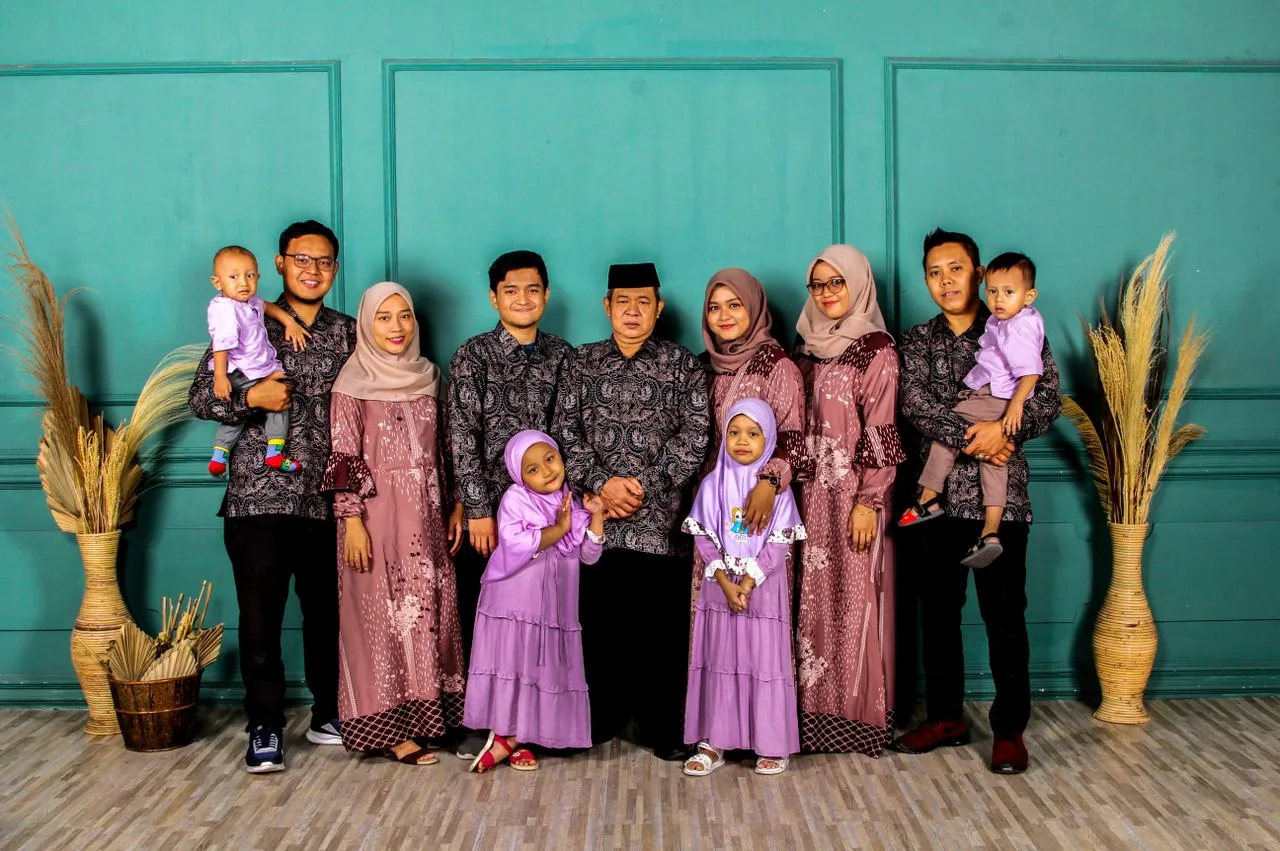

Potomok · Descendant of deported BulgariansThe name and certain identifying details have been changed to protect confidentiality.

What was at risk

What was at risk

There was no threat—there was a risk of looking in the wrong place and giving up. Many descendants of deportees do not know that their ancestors' documents ended up in archives at the place of deportation, not the homeland, and believe there is no proof. But deportation generated records, and nationality was noted in them. The key was to direct the search to Kazakhstani archives rather than surrender without finding papers at home.

That deportation transferred the family's records to Kazakhstan;

  1. 01That deportees were registered as special settlers with nationality indicated;
  2. 02Where exactly to search: Kazakhstani special settler archives and personal files;
  3. 03Reconstruction of the family line from ancestor to client;
  4. 04Correspondence of found evidence to Bulgarian authority requirements.

The logic of the solution

How the matter progressed: from checks to result

The chart is built from the facts of this matter and shows the logic of the work without decorative or unverified data.

  1. 01
    Stage 1

    We understood where history had taken the family. First, we reconstructed the family's path: deportation of Bulgarian ancestors to Kazakhstan. This immediately indicated that documents should be sought not in the homeland but in the archives of the place of deportation - where both the people and their registration records were transferred.

  2. 02
    Stage 2

    We identified the necessary Kazakhstan archives. We determined which specific archives could contain materials on the deported: special settler registration records, personal files, lists. Without a precise location, the search would have been blind.

  3. 03
    Stage 3

    We found records of ancestors with nationality designation. We accessed deportation registration documents and found records of the client's Bulgarian ancestors - with nationality recorded during special settler registration. The tragic record became proof of roots.

  4. 04
    Stage 4

    We reconstructed the genealogical line to the client. From the discovered ancestor, we built an unbroken genealogical line to the client, linking archival records with family documents. The proof had to demonstrate not only the Bulgarian ancestor but also the connection to the applicant.

  5. 05
    Stage 5

    We compiled evidence according to the authority's requirements. We consolidated our archival findings and genealogical line into a single dossier, formatted according to Bulgarian authority requirements. Scattered deportation documents became coherent proof of origin.

Takeaway. Conclusion: deportation displaces family registration records as well. Proof of roots for descendants of the deported is sought in the archives of the place of deportation, where special settlers' nationality was recorded, not in the former homeland.

How we solved the case

How we solved the case

The work was split into verifiable stages so that every conclusion rested on documents.

  1. 01

    Stage 1

    We understood where history had taken the family. First, we reconstructed the family's path: deportation of Bulgarian ancestors to Kazakhstan. This immediately indicated that documents should be sought not in the homeland but in the archives of the place of deportation - where both the people and their registration records were transferred.

  2. 02

    Stage 2

    We identified the necessary Kazakhstan archives. We determined which specific archives could contain materials on the deported: special settler registration records, personal files, lists. Without a precise location, the search would have been blind.

  3. 03

    Stage 3

    We found records of ancestors with nationality designation. We accessed deportation registration documents and found records of the client's Bulgarian ancestors - with nationality recorded during special settler registration. The tragic record became proof of roots.

  4. 04

    Stage 4

    We reconstructed the genealogical line to the client. From the discovered ancestor, we built an unbroken genealogical line to the client, linking archival records with family documents. The proof had to demonstrate not only the Bulgarian ancestor but also the connection to the applicant.

  5. 05

    Stage 5

    We compiled evidence according to the authority's requirements. We consolidated our archival findings and genealogical line into a single dossier, formatted according to Bulgarian authority requirements. Scattered deportation documents became coherent proof of origin.

  6. 06

    Stage 6

    The client obtained Bulgarian citizenship and an EU passport. With restored proof of origin, the client completed the procedure and obtained Bulgarian citizenship, and with it - an EU passport. The roots, whose trace was lost through deportation, were proven through Kazakhstan archives.

Expert comment

Deportation is a tragic chapter of history, but it has an unexpected side for ancestry research: it generated documents. When people were deported, they were registered as special settlers, personal files were created, lists were maintained - and nationality in these records was documented. Descendants of the deported often do not know this and search for proof in the family's homeland, where such records no longer exist: the registration went with the people. This client's Bulgarian ancestors were deported to Kazakhstan, and I immediately redirected the search there - to Kazakhstan deportation archives. We found records indicating the ancestors were Bulgarian, reconstructed the genealogical line, and compiled the evidence. He obtained a Bulgarian EU passport. I always tell descendants of the deported: do not search where they left from, search where they were taken to. The documents are almost always there.

Igor Venc, Real Estate Managing Director, BRIDGESIgor VencReal Estate Managing Director, BRIDGES

Outcome

What the client received

What was required
How we did it · Result
Find ancestor documents
Archives of place of deportation · Records with nationality designation
Understand where to search
Reconstruction of family path · Kazakhstan special settler archives
Connect to client
Genealogical line · Evidence base
Obtain EU passport
Submission of evidence · Bulgarian citizenship
Obtain EU passport
Submission of evidence · Bulgarian citizenship

What happened: the client's Bulgarian ancestors were deported to Kazakhstan, documents ended up in Kazakhstan archives, and the client did not know where to search for proof of roots. What we did: we understood where history had taken the family; identified the necessary Kazakhstan archives; found records of ancestors with nationality designation; reconstructed the genealogical line; compiled the evidence; obtained citizenship and an EU passport. What the client received: proven origin and a Bulgarian EU passport.

Practical takeaway

What matters in a similar situation

  • Conclusion: deportation displaces family registration records as well. Proof of roots for descendants of the deported is sought in the archives of the place of deportation, where special settlers' nationality was recorded, not in the former homeland.
  • The client proved roots whose trace was lost through deportation - because we redirected the search to Kazakhstan archives and found records of Bulgarian ancestors there.

FAQ

Questions people ask in a similar situation

01Where to search for roots if ancestors were deported?

In the archives of the place of deportation, not in the former homeland. The deported were registered as special settlers, and nationality was often recorded in these documents - this is where proof of origin was preserved.

02Are documents preserved during deportation?

Yes. Deportation generated record-keeping: lists, personal files, and registration cards of special settlers. They often contained nationality information, which confirms ancestral roots.

03Why are there no documents in the family's homeland?

Because deportation transferred not only people but also their records to the place of exile. Searching in the former homeland is futile—the materials are archived in the region where the family was deported.

04What is required besides the ancestor's birth record?

An unbroken genealogical line from the Bulgarian ancestor to the applicant. The proof must demonstrate both the ancestor's origins and the connection to the client.

05How is proof of descent submitted?

As of 2026, directly to the Ministry of Justice of Bulgaria. Specific document requirements should be clarified with the competent authority.

06Your Bulgarian ancestors were deported and you have no documents?

We reconstruct your family's path and conduct a comprehensive search in the deportation archives—special settler records and personal files where nationality was documented—to prove Bulgarian roots and obtain an EU passport.

About the author

Igor Venc

Author: Igor Venc

Real Estate Managing Director, BRIDGES

I lead the international real estate practice at BRIDGES and coordinate cross-border transactions from the selection of an ownership structure through to completion. I assess the legal position of the property and its suitability for the client's objectives.

Before the client assumes obligations under a transaction, I review title and possible encumbrances, assess whether the property is suitable for the client's objectives, and examine the implications of the chosen ownership structure. The review is organised in a clear sequence so that the relevant findings can be addressed before completion.

During the consultation, we will examine the purpose of the acquisition, the proposed ownership model and the intended use of the property. Once the engagement begins, I coordinate the property review, transaction preparation and the key decisions of the BRIDGES team through to completion.

Prepared on the basis of BRIDGES practice and reviewed by a subject-matter expert.

Discuss your situation with Igor

We will review your situation and propose a solution

Describe your task in a few words. We will study your situation, assess the legal and practical options and propose the next step based on your goals, documents and country.

Confidential · no obligations · answered by the relevant specialist

Or message us on WhatsApp or Telegram

Anna KovalevskayaHead of Legal, BRIDGES
Anna Kovalevskaya, Head of Legal, BRIDGES

Names and certain details have been changed to protect client confidentiality. The result described reflects one specific situation and is neither a public offer nor a guarantee of a similar outcome. Programme terms are stated as of 2026 and may change - please confirm current parameters with a BRIDGES consultant.