Residency · UAE
Business in Dubai for Russians in 2026: company, account, visa, sanctions, compliance
Updated: June 2026·14 min read·Expert reviewed
Terms and costs verified: June 2026
Contents
Who this is for. This article is written for citizens of Russia. Visa, banking, sanctions and dual citizenship rules depend on your passport: for other nationalities they may differ.
Dubai remains the main hub for entrepreneurs from Russia: the UAE hasn't imposed sanctions against Russia, and a Russian citizen legally opens a company here in a free zone, mainland, or offshore. But 2026 put the emphasis : registering a firm is fast and simple, while opening a bank account for a Russian is the hardest part because of enhanced compliance and sanctions screening. In this guide we break it down step by step: how a Russian opens a company in the UAE, gets a founder's visa and Emirates ID, passes the source-of-funds check, and builds a clean structure - strictly within the law, with no sanctions bypass.
Can a Russian open a business in Dubai in 2026
Let's start with the main question that worries everyone: is it even legal for a Russian citizen to run a business in the UAE in 2026. The answer is unambiguous - yes, legal and with no special restrictions. The Emirates pursue an independent foreign policy and haven't joined sanctions against Russia. So Russian citizenship by itself doesn't close the door to company registration: you can own a firm in a free zone, on the mainland, or set up an offshore 100% as a foreigner.
Since 2022, Dubai has become one of the key destinations for Russian-speaking entrepreneurs, and the flow of registrations has grown many times over. IT teams, trading companies, consulting, marketing agencies, and online business owners relocate here. The reasons are clear: zero personal income tax, convenient logistics between Europe, Asia, and Africa, a stable currency (the dirham is pegged to the dollar at around 3.6725), and the reputation of an international financial center.
But it's important to separate two different levels of difficulty right away. Legal entity registration is a well-oiled, fast procedure. Banking service, however, is a zone of enhanced compliance, where Russian citizenship triggers an extra check. That's exactly why sound business relocation to Dubai isn't about the speed of license registration but about the cleanliness of the structure and preparation for checks. More on this below.
Sanctions and compliance: what's important to understand from the very start
We bring this topic forward because it's exactly what determines the whole project's success. The logic is simple: the UAE hasn't imposed sanctions, but local banks and international financial groups are forced to account for the global sanctions regime, under which their correspondent relationships and parent structures fall. So a company in Dubai for Russians and sanctions isn't about bypassing restrictions, but about how to work legally when financial infrastructure has become more cautious.
What this means in practice:
- Enhanced screening.Any Russian UBO (ultimate beneficial owner) undergoes an extra check: sanctions lists, source of funds, business reputation, the nature of activity.
- A clean structure.Ties to sanctioned persons, companies, or sectors (for example, the military-industrial complex, banks under restrictions) effectively close the door to an account.
- Settlements with Russian counterparties under scrutiny.Payments to and from Russia aren't prohibited by themselves, but undergo elevated due diligence: the bank wants to see the payment purpose, contracts, the operation's economic sense.
BRIDGES GLOBAL works strictly within the legal field: we solve issues of legal registration, structuring, and support, but don't help bypass sanctions - it's both illegal and counterproductive (the account will get closed anyway). a position here saves the client both money and reputation.
Free zone, mainland, or offshore: which format to choose
The UAE has three basic company formats, and the choice between them is the first strategic decision. Cost, taxes, and - critically for Russians - the chances of opening an account all depend on it.
| Format | Essence | Who it suits |
|---|---|---|
| Free zone | 100% foreign ownership, 0% corporate tax on qualifying income, profit repatriation, registration in a free zone (IFZA, DMCC, Meydan, RAKEZ, SHAMS) | IT, trade, services, consulting, online business - to most Russians |
| Mainland | A DED license, with 100% foreign ownership for most activity types since 2021, working in the UAE domestic market with no restrictions | Retail, government contracts, working with the local market, opening an office/store |
| Offshore | RAK ICC, JAFZA Offshore - no visa and office, a holding structure, asset ownership | Holding, stake ownership, asset protection - NOT for operating business with a visa |
For most entrepreneurs from Russia, optimal isa UAE free zone: cheaper, faster, gives a founder's visa and zero tax on qualifying income. Mainland is needed if you want to freely trade in the Emirates' domestic market. Offshore is an ownership tool, not an operating one: it doesn't grant a resident visa and is poorly compatible with opening a full-fledged bank account. We keep a detailed breakdown of the whole procedure in the guide onregistering a company in the UAE.
Free zones for Russians: IFZA, DMCC, Meydan, and others
There are dozens of free zones in the UAE, and they differ in specialization, cost, and reputation with banks. Two parameters matter for Russians: a reasonable price and how loyally banks view companies from that zone.
- IFZA (International Free Zone Authority)- one of the most budget-friendly and popular zones, flexible license packages, a start approximately from 12,000-17,000 AED. A good entry for services and trade.
- DMCC (Dubai Multi Commodities Centre)- a flagship zone with a strong reputation, convenient for trade, commodities, crypto business; more expensive, but banks are more favorable.
- Meydan Free Zone- located in Dubai, popular among entrepreneurs for the address and speed.
- SHAMS, RAKEZ- budget zones for media, services, small business.
Choosing a zone isn't about saving a couple thousand dirhams, it's about the banking perspective. A company from a prestigious zone with clear activity passes compliance more easily than a firm from the cheapest zone with vague activity. So when relocating we first look at which bank will realistically open the account, and only then select the free zone for it, not the other way around. This is a fundamental point that newcomers miss and lose time on.
We will find the right basis for residency in the UAE
We calculate the budget and timing for your family and list the documents you need.
Conditions and steps: the "step - nuance for a Russian" table
Let's gather the whole path into one end-to-end table. On the left - the standard registration and launch step, on the right - what exactly changes or gets harder specifically for a Russian citizen in 2026. This is your practical checklist.
| Step | A nuance for a Russian |
|---|---|
| 1. Choosing the activity type and license | The activity must be clear and not "toxic" for compliance; vague wording complicates the account |
| 2. Choosing the free zone/mainland | Select for the bank: a prestigious zone raises the account chances; a cheap zone may complicate it |
| 3. Company registration, getting the license | Goes through normally in approximately 3-10 business days; Russian citizenship isn't an obstacle here |
| 4. Establishment Card and filing for a visa | Needed for the founder's visa and the account; prepared after the license |
| 5. Resident visa + Emirates ID | A founder's visa through your own company; the bank needs Emirates ID |
| 6. Opening the bank account | The hardest stage: sanctions screening, source of funds, KYC; apply to several banks |
| 7. Tax registration | Registration for corporate tax; VAT if there's turnover; watch the free zone's 0% status |
| 8. Settlements with counterparties | Payments to/from Russia under enhanced due diligence; keep contracts and operation justification |
The main point of the table: for a Russian, the center of gravity shifts from registration (it's simple) to the bank and compliance. So the project needs planning from the end - from the account.
Settlements with counterparties from Russia: due diligence
A separate painful question - how to conduct settlements with Russian partners after relocation. Maximum honesty is needed here: payments to and from Russia aren't prohibited by UAE law, but undergo elevated due diligence, and correspondent banks may ask questions or slow down operations.
What's important to consider:
- The payment's purpose.The bank wants to understand the operation's economic sense: what the payment is for, what contract stands behind it, who the counterparty is.
- The counterparty isn't sanctioned.Before settlements it's worth checking the partner against sanctions lists - working with a sanctioned person will close the account.
- Currency and route.Settlements in dollars and euros through correspondents undergo stricter checks; sometimes it's more logical to structure payments through friendly currencies and jurisdictions - legally and transparently.
- A documentary trail.Contracts, invoices, acts - everything must be in order and available at the bank's first request.
The realistic picture of 2026: for trading and service companies, settlements with Russian counterparties are possible, but require discipline and transparency. Banks assess more cautiously a business whose main money flow is tied exclusively to Russia. So many entrepreneurs diversify their client base into international markets - this lowers sanctions risks and improves the banking profile.
The founder's visa and Emirates ID: how to get residency through a company
A UAE company gives the right to a resident visa - a founder's visa. This is a legal way to get residency in the Emirates through your own business, and along with it - Emirates ID, without which you can't open an account or arrange most services.
How the process works:
- Company registration and the license- the base, without it there's no visa.
- Establishment Card- the company card granting the right to sponsor visas.
- Application for the founder's resident visa- through your own free zone or ICP/GDRFA on the mainland; usually 2 years with renewal.
- Medical exam, biometrics, Emirates ID- the standard steps of getting the status.
The holder of a founder's visa sponsors family themselves - a spouse, children, and under certain conditions parents and household staff. An important nuance: the standard resident visa "resets" if you're outside the UAE for more than 6 consecutive months, so you need to enter the country regularly. For those who invest large sums, there's alsoa business visa and UAE Golden Visafor 10 years - more on it below. A general breakdown of the status for Russian citizens - in the article ona UAE resident visa for Russians.
Golden Visa: 10-year residency for major investors
If business and capital allow, it makes sense to look at Golden Visa - a ten-year renewable resident visa not tied to an employer, giving maximum stability. For an entrepreneur this is a qualitatively different level: you don't depend on annual renewals of a short visa and calmly plan family life years ahead.
The main routes to Golden Visa in 2026 (approximately):
- Property from 2,000,000 AED(about 545,000 dollars) - ready, under construction, or on mortgage with an approved bank; the former requirement of a 1 million down payment no longer applies.
- Investors and entrepreneurs- by capital and contribution to the economy.
- Unique talents and specialists- scientists, doctors, athletes, cultural figures, top specialists.
Golden Visa is still residency, not a passport: UAE citizenship can't be bought, there's no citizenship-by-investment program. The Golden Visa holder sponsors family themselves with no age limit for children, parents, and household staff. For many Russians the combination "a free zone company + buying property for 2 million AED" becomes optimal: the business gives an operating base, and the property gives ten-year status.
Taxes in the UAE: 0% income tax, 9% corporate, free zones
The UAE's tax attractiveness is real, but in 2026 it requires understanding the nuances, not the slogan "no taxes". Let's break it down.
- Personal income tax - 0%.This remains: salary, dividends, an individual's income aren't taxed.
- Corporate tax - 9%on company profit above 375,000 AED (introduced since June 2023). Below this threshold - 0%.
- Free zones - 0% on qualifying income.A qualifying free zone person (QFZP) pays 0% corporate tax on qualifying income when conditions are met: real presence, the correct income type, the de minimis test, market prices. Breaching the conditions moves it to the 9% rate.
- VAT - 5%upon reaching the turnover threshold.
- No taxon capital gains and inheritance for individuals.
For large international groups (turnover from 750 million euros), since 2025 the global minimum tax Pillar Two (15%) applies - but that's about giant corporations, not a typical relocated business. For a transitional period through the end of 2026, Small Business Relief is available for companies with revenue up to 3 million AED - effectively zero corporate tax. The main thing is to keep proper records, register for corporate tax and VAT on time, and not lose the free zone's 0% status. Tax discipline in the UAE is strict, and a formal approach to reporting is costly.
We will calculate the budget for your family
A full estimate: contributions, fees and our work for your family.
Common mistakes Russians make when opening a business in Dubai
In practice we see the same rakes entrepreneurs from Russia step on. Let's gather them so you don't repeat someone else's experience.
- They register the company first, then think about the account.The right way - the opposite: first understand where the account will open, and choose the format and zone for it.
- They save on the free zone.The cheapest zone with vague activity can close the door to the bank; savings turn into lost time.
- They underestimate source of funds.They come without documents on the money's origin and get refused.
- Vague activity type.A license the bank doesn't understand triggers extra questions and suspicion.
- They ignore the 6-month rule.A long absence from the UAE resets the resident visa.
- They try to bypass sanctions.Any gray schemes sooner or later get uncovered by compliance, and the account gets closed, and reputation can't be recovered.
The conclusion is simple: in 2026 the winner isn't the one who registered the firm fastest, but the one who built a clean structure in advance and prepared for the bank check.
An expert's view: how to pass compliance and not lose the account
Let's sum up the main thing through a practitioner's eyes. The most dangerous misconception clients come with is that opening a business in Dubai for a Russian citizen is as simple as buying a license in a couple of days. The license - yes, simple. But making the account work and passing sanctions compliance is the real project you need to prepare for from day one.
What actually works:
- Design from the end.First the bank and compliance, then the free zone and license for them.
- A clean structure and clear activity.A transparent UBO, a logical business, no ties to sanctioned persons.
- A ready source-of-funds package.Documents on the money's origin, figures consistent with each other.
- Diversification.Not tying the entire money flow only to Russia; having a backup jurisdiction for the account.
All of this is strictly within the legal field. We don't help bypass sanctions: it's illegal and pointless, because the account will get closed anyway. But a legal, clean, and well-prepared structure calmly passes compliance and works for years.
A bank account for a Russian: the hardest stage
This is where the real work begins. Company registration is a formality of a few days, but opening a business account for a Russian citizen in 2026 is a task that needs preparing for in advance and seriously. UAE banks apply enhanced compliance to Russian beneficiaries because of sanctions screening, and the approval rate for unprepared applications is low.
What's critical to understand:
- Source of funds is the heart of the application.The bank wants to see where your money came from: salary, business income, dividends, asset sale, inheritance. Documents are needed, not words: statements, contracts, tax declarations.
- A clean and clear structure.A transparent UBO, no ties to sanctioned persons, a logical activity type.
- Genuine presence.An Establishment Card, resident visa, Emirates ID, sometimes an office or coworking space - the bank checks that the business is real.
- Apply to several banks in parallel.One refusal isn't a verdict; a reasonable strategy is to approach 3-4 banks with different positioning.
By 2026's market, minimum balances and timeframes differ noticeably: some banks have an account-maintenance threshold approximately from 25,000 AED and onboarding of about a week, others - 50,000-100,000 AED for a standard corporate account and a longer review. It's useful to keep a backup plan too - an account in a friendly jurisdiction (Armenia, Kazakhstan, Turkey, GCC neighbors). A detailed breakdown - in the article ona UAE bank business account.
Source of funds: how to prove the money's origin
Since source of funds is the heart of the bank application, let's look separately at exactly how to confirm the money's origin. This is the part Russians most often underestimate, and wrongly so: it's exactly where most refusals stumble.
The bank builds a "money history" - where it came from and why it's legal. Different grounds work, but each needs documentary confirmation:
- Business income- financial statements, statements on a previous company's accounts, dividends.
- Salary and bonuses- an employment contract, income certificates, bank statements.
- Selling assets- sale and purchase agreements for property, stakes, securities.
- Investments and interest- broker reports, statements.
- Inheritance or a gift- supporting documents with legalization.
It's important that the numbers add up: the declared company turnover, expected receipts, and the confirmed source of the starting capital mustn't contradict each other. Documents from Russia often need translating and legalizing. The cleaner and more logical the "money history", the higher the chance of passing compliance. This is painstaking work, but it's exactly what determines whether the account will work or not.
"The main thing I explain to entrepreneurs from Russia at the first meeting: in Dubai it's easy to register a company and hard to open an account - and these two things mustn't be confused. The UAE hasn't imposed sanctions, you absolutely legally own a business in a free zone or on the mainland. But banks apply enhanced compliance to Russian beneficiaries, and preparation decides everything. I always build the project from the end: first we understand which bank will realistically open the account, prepare a clean source-of-funds package, build a transparent structure with no ties to sanctioned persons - and only then select the free zone and license for it. No gray schemes and no sanctions bypass: it's illegal, and the account will get closed anyway. But a clean,, and well-prepared structure calmly passes the check and works for years."
We will send a document checklist for your case
Leave your details: we will put together documents and timelines for your family.
Conclusion: who business in the UAE suits in 2026 and how
Let's draw the line, with no embellishment. Business in the UAE for Russian citizens in 2026 is a real and legal tool: the Emirates haven't imposed sanctions, company registration is fast, taxes are among the mildest in the world, and the founder's visa gives legal residency for the whole family. This is especially logical for IT, trade, consulting, and online business with an international clientele.
But the price of entry is compliance discipline. The main difficulty isn't in registration but in the bank account: enhanced sanctions screening, mandatory source-of-funds proof, a clean structure with no ties to sanctioned persons, and settlements with Russian counterparties under elevated due diligence. Whoever understands this from the start and prepares in advance opens the account and works calmly. Whoever counts on "quickly buying a license and sorting it out on the spot" most often loses time and money.
The optimal strategy for most is to first design the structure for the bank, choose a suitable free zone, prepare money-origin documents, arrange the founder's visa, and only then approach the bank, and several at once. Current requirements and official information on doing business in the Emirates are always worth checking at the government portalthe UAE government (u.ae).
Frequently asked
Questions people ask before deciding
01Can a Russian citizen open a company in the UAE in 2026?
Yes. The UAE hasn't imposed sanctions against Russia, and Russian citizenship doesn't close the door to business. You legally open a company in a free zone, on mainland, or offshore with 100% foreign ownership. The difficulty isn't in registration but in opening a bank account because of enhanced compliance.
02Why is it hard for a Russian to open a bank account in the UAE?
UAE banks apply enhanced sanctions screening to Russian beneficiaries because their correspondent relationships are tied to the global financial system. They thoroughly check the source of funds, structure, and activity. The UAE itself hasn't imposed sanctions, but banks are cautious. It's worth applying to several banks at once with a prepared package.
03What is source of funds and why prove it?
Source of funds is documentary confirmation of your money's origin: business income, salary, dividends, asset sale, inheritance. The bank builds a "money history" and wants to see documents - statements, contracts, declarations. Without convincing source of funds, an account for a Russian is most often not opened.
04Can sanctions against Russia be bypassed in the UAE?
No, and it's not worth trying. BRIDGES GLOBAL works strictly within the law: we solve issues of legal registration and support, but don't help bypass sanctions. Any gray schemes get uncovered by compliance, and the bank closes the account. A legal and clean structure is the only working path.
05Which free zone should a Russian choose - IFZA, DMCC, or another?
It depends on the activity and bank. IFZA is budget-friendly and popular for services and trade (approximately from 12,000-17,000 AED). DMCC is prestigious, banks are more favorable, convenient for trade and commodities. The zone should be chosen for the bank, not just by price: a cheap zone may complicate opening the account.
06How much does opening a company in the UAE cost and how long does it take?
Approximately a free zone starts from 12,000-17,000 AED (IFZA), RAK ICC offshore - from 8,000-12,000 AED, plus visa and bank costs. The registration itself takes about 3-10 business days. Opening the bank account, however, is longer, from 2-6 weeks or more, depending on the bank and compliance.
07What taxes does a company in the UAE pay in 2026?
Personal income tax - 0%. Corporate - 9% on profit above 375,000 AED. A free zone company, when conditions are met, pays 0% on qualifying income. VAT - 5% upon reaching the turnover threshold. There's no capital gains or inheritance tax for individuals.
08Does a UAE company give a resident visa for a Russian?
Yes. Your own company gives the right to a founder's visa - legal residency in the Emirates, usually for 2 years with renewal, along with Emirates ID. The visa holder sponsors family themselves. It's important to enter the country regularly: an absence of more than 6 consecutive months resets the standard resident visa.
09Can settlements be conducted with Russian counterparties from the UAE?
Payments to and from Russia aren't prohibited by UAE law, but undergo elevated due diligence. The bank checks the payment purpose, contracts, economic sense, and that the counterparty isn't sanctioned. Order in the documents and transparency are needed. Banks assess more cautiously a business with a flow only to Russia.
10Can UAE citizenship be obtained by investing in business?
No. UAE citizenship can't be bought, there's no citizenship-by-investment program. Resident visas are available - the founder's visa, a business visa, Golden Visa for 10 years. This is residency, not a passport. UAE citizenship is granted only by a special decision of the authorities for exceptional individuals.
11What's more advantageous for a Russian - free zone, mainland, or offshore?
A free zone suits most: 100% ownership, 0% tax on qualifying income, a founder's visa. Mainland is needed for working in the UAE domestic market. Offshore (RAK ICC, JAFZA) is an asset-ownership tool, it doesn't grant a visa and is poorly compatible with opening a full-fledged bank account.
12What is Golden Visa and does it suit an entrepreneur?
Golden Visa is a ten-year renewable visa not tied to an employer. Routes (approximately): property from 2,000,000 AED, major investors and entrepreneurs, unique talents. For business this is stability for years. But this is residency, not a passport. Many combine a free zone company with buying property for 2 million AED, and as for where to start relocation - it's better to design the structure for the bank in advance, not from license registration.
Transparency
How this material was prepared
- Author
- Nikos Pappas, banking Relations Specialist, BRIDGES
- Terms and costs last verified
- June 2026
- Sources
- official government authorities of the relevant country and state publications
- Methodology
- government minimum requirements are stated separately from due diligence charges, state fees, legal and banking costs
Sources and methodology
Figures, terms and timelines are checked against official sources as of June 2026. Link availability verified in August 2026. Third-party blogs and agent websites are not used as a source of programme terms.
- [1]Federal Authority for Identity, Citizenship, Customs and Port Security (ICP)Visas, residence statuses, Emirates IDicp.gov.ae/en
- [2]Official portal of the UAE GovernmentGolden visa and residence visasu.ae/en/information-and-services/visa-and-emirates-id/residence-visas/golden-visa
Methodology: tables and charts state government minimum investment requirements; due diligence charges, state fees, legal, banking and other costs are calculated separately and are not included in the minimum thresholds.
About the author
Related materials
What to read next
 ArticleUAE citizenship by investment in 2026: is there a program and what really works?
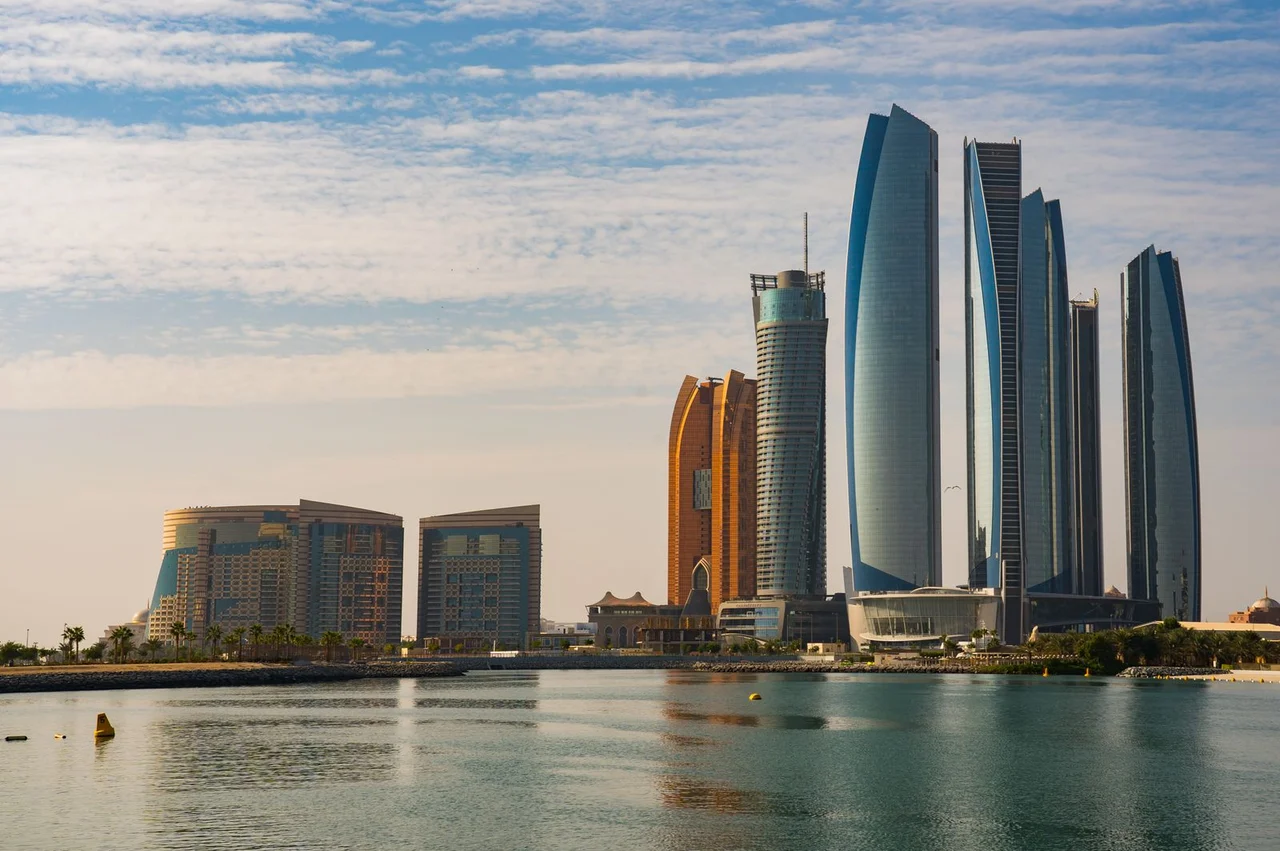 ComparisonDubai or Abu Dhabi in 2026: where to live, work and buy property
 AnalysisWhat is due diligence and why the Caribbean is rejecting applications
Personal programme selection is conducted by Anna Kovalevskaya, Head of Legal, BRIDGES.
Opening an account to UAE: what the bank asks
Document list, compliance questions on the source of funds and typical reasons for refusal.