BRIDGES Insights · Poland
Poland prepares new entry funds: PLN 1,000 for a trip of up to 4 days instead of 300

Updated: October 2026·14 min read·Expert reviewed
Terms and costs verified: October 2026
Contents
A foreigner going to Poland for a weekend currently needs to show PLN 300 at the border. Under a draft by the Polish Interior Ministry dated 13 October 2026, the minimum will rise to PLN 1,000, and for each day of a trip longer than 4 days from PLN 75 to PLN 300. The amounts have not changed since 2016, and the rise looks steep. But I prepare documents for trips and moves, and I see a different risk: at the border they ask not only about the amount but about how you prove it. The draft does not touch that part, and it is already stricter than many people think.
In brief
- On 13 October 2026 the Polish Interior Ministry prepared a draft amendment to the regulation on the money a foreigner must have on entry. On 14 October the draft was published on the website of the Government Legislation Centre.
- For a trip of up to 4 days the minimum will rise from PLN 300 to PLN 1,000; for a longer trip from PLN 75 to PLN 300 a day.
- For organised tours and prepaid accommodation the rate will rise from PLN 20 to PLN 130 a day, and the minimum from PLN 100 to PLN 650. For students, from PLN 1,270 to PLN 2,020 for the first 2 months.
- The draft does not change the money for the return journey or the list of documents that prove your funds.
- This is a draft: it is under government consultation and public consultation. It will enter into force 30 days after publication; there is no date yet.
The minimum will rise three- to fourfold
The requirement to have money on entry to Poland is set in the Interior Minister's regulation of 23 February 2015. The amounts were last changed in 2016, when only the minimum for students was raised. The regulation rests on Article 26 of the Polish Act on Foreigners: the Interior Minister, in agreement with the Foreign Minister, sets how much money a foreigner must have for living costs, the return journey and transit.
The draft changes four figures, all in paragraph 2 of the regulation. Everything else stays as it is: money for the return journey, the list of documents, currency conversion at the National Bank of Poland rate. The table below sets the current rules against the draft line by line.
| What we compare | Now | Under the draft |
|---|---|---|
| Trip of up to 4 days | at least PLN 300 | at least PLN 1,000 |
| Trip longer than 4 days | PLN 75 a day | PLN 300 a day |
| Tours, camps, sports events, prepaid stay, sanatorium, summer work under a treaty | PLN 20 a day, at least PLN 100 | PLN 130 a day, at least PLN 650 |
| Study, research, training | PLN 1,270 for the first 2 months | PLN 2,020 for the first 2 months |
| Return trip without a return ticket, arriving from outside the EU | price of the ticket, at least PLN 2,500 | unchanged |
| How to prove the money | cash, traveller's cheque, credit limit certificate, certificate from a bank in Poland or the EU | unchanged |
| Currency conversion | at the National Bank of Poland average rate on the last working day before entry | unchanged |
| Entry into force | in force since 2015, amounts since 2016 | 30 days after publication, no date yet |
The most visible rise is in the daily rate: fourfold, from PLN 75 to PLN 300. For organised trips the rise is even steeper, 6.5 times, but in absolute terms the sums are smaller. For students the minimum goes up by about 60%.
What this means for you. If the draft is adopted as it stands, a week in Poland will require PLN 2,100 instead of PLN 525. For short trips the difference is smaller; for long ones it is much larger.
Why the ministry is raising the amounts now
In the explanatory memorandum the ministry gives two reasons. The first is prices. According to Statistics Poland, consumer prices rose by about 56.6% between 2016 and 2025. The sharpest rises came in 2022, 14.4%, and in 2023, 11.4%. The amounts in the regulation did not change over that time.
The second reason is Schengen. Under the Schengen Borders Code, a foreigner on a short trip of up to 90 days in any 180-day period must have sufficient means for the stay and for the return. Each country sets its own reference amount and notifies it to the European Commission. By the ministry's calculation, the current PLN 75 a day is about EUR 17-18. The proposed PLN 300 is about EUR 70.
For comparison, the ministry cites reference amounts of other Schengen countries from the Commission's summary: EUR 50 a day in Bulgaria and Lithuania, EUR 56 in Slovakia, EUR 70 in Croatia, Slovenia and Estonia, EUR 75 in Portugal. In Czechia it is CZK 1,565 a day for trips of up to 30 days, about EUR 64. With the new rate Poland will sit within this range rather than at the bottom.
For students the logic is different. In 2016 the minimum was set at twice the income threshold under the Social Assistance Act: the threshold was then PLN 634, doubled and rounded to PLN 1,270. Today the threshold for a single person is PLN 1,010. Doubled again, it gives PLN 2,020.
What this means for you. The rise is not aimed at any particular country; it is a recalculation in line with prices and with Schengen neighbours. That is why I do not expect the amounts to be cut much during consultation, although the government is free to change the text.
How much money to take under the draft
I take several typical trips and calculate the minimum for living costs under two sets of rules: current and proposed. The calculation is simple: up to 4 days there is a fixed sum; for longer trips the daily rate is multiplied by the number of days.
Calculated from the rates in the regulation and the draft for an independent trip. Money for the return journey without a return ticket is not included: when arriving from outside the EU it is at least another PLN 2,500.
Polish Interior Ministry regulation of 23 February 2015 (Dz.U. 2017 item 2122); draft amendment of 13 October 2026, BRIDGES calculation
The draft has a jump at the four-day mark. A 4-day trip will need PLN 1,000, while a 5-day trip already needs PLN 1,500, because the daily rate applies. Today the step is barely noticeable: PLN 300 for 4 days and PLN 375 for 5. If you plan a five- or six-day trip, calculate straight away by the daily rate.
Add money for the return journey if you have no return ticket. The regulation requires a sum equal to the price of the ticket you arrived on, but not less than PLN 200 when entering from a neighbouring country, PLN 500 from another EU country and PLN 2,500 from a country outside the EU. The draft does not change this part. A return ticket fully covers the requirement, so it is easier to buy it in advance.
For an organised tour or a trip with prepaid accommodation and meals the rule is softer. Under the draft it is PLN 130 a day, but not less than PLN 650. For a week that is PLN 910 instead of today's PLN 140. You need to prove your right to this rate: with a tour voucher, confirmation of a camp or sports event, proof of payment for accommodation and meals, or a referral to a sanatorium.
What this means for you. For an independent trip under the draft the guide is simple: PLN 1,000 for up to 4 days or PLN 300 a day for longer. Plus a return ticket, or at least another PLN 2,500 if you flew in from outside the EU.
The main risk is not the amount but the paper that proves it
Everyone sees the amount; few have read the list of documents. The regulation lists how you can prove that you have money or can obtain it. These are a traveller's cheque, a bank certificate of your credit card limit and a certificate of funds in an account. Cash also counts, but carrying large sums in cash is risky and inconvenient.
The list has two conditions that trip people up most often. The certificate of funds in an account must come from a bank or credit union based in Poland or another EU country. A bank outside the EU is not named in the list. The credit limit certificate and the account certificate must be issued no earlier than one month before you cross the border. A three-month-old certificate formally does not qualify.
The credit limit certificate is issued by the bank that issued the card, and here the regulation does not restrict the bank's country. But the border guard has to understand the document. If it is in a language he does not read, the conversation will drag on. A certificate in English or with a Polish translation removes the question. How we prepare such translations is described on the page on sworn translation.
Foreign currency is converted at the National Bank of Poland average rate on the last working day before entry. If you carry euros or dollars just at the minimum, a currency swing can leave you slightly below the threshold. Take a margin.
A separate point concerns documents on the purpose of the trip. If you rely on the reduced rate for a tour or prepaid stay, you need a paper that proves it. For students it is a certificate of admission or of continued study, and a scholarship can be proved with the document granting it. Without such a paper the border guard may treat the trip as independent and ask for the full amount.
What to put in your folder for the Polish border
- A return ticket or money for the return: at least PLN 2,500 when entering from outside the EU.
- A bank certificate of funds in your account, if the bank is in Poland or the EU, issued no earlier than a month before the trip.
- A credit card limit certificate from the bank that issued the card, also no older than a month.
- An accommodation booking and proof of payment, if the stay is prepaid.
- A tour voucher, an invitation to a sports event or a sanatorium referral, if the trip is organised.
- A certificate of admission and a scholarship document, if you are going to study.
What this means for you. If your main account is with a bank outside the EU, rely on a credit card with a limit certificate, cash or a traveller's cheque. A certificate of funds from such a bank is not named in the regulation's list.
We will check your documents for entering Poland
Tell us your citizenship and the purpose and length of the trip. We will tell you which papers are missing and how to prove your funds so that the border raises no questions.
Who it affects and who it does not
The regulation applies to foreigners entering Poland. In practice that means citizens of countries outside the EU, the EEA and Switzerland: EU citizens enjoy free movement, and these amounts are not applied to them. The funds requirement also applies to those who do not need a visa. Visa-free entry exempts you from the visa, not from the funds check at the border.
The change will be felt most by those who travel to Poland often and for long periods on their own money: for a week or two, to visit relatives, on business, for treatment without a prepaid package. For a month-long trip the minimum will rise from PLN 2,250 to PLN 9,000.
Students and research participants have a separate line: PLN 2,020 for the first 2 months instead of PLN 1,270. For those on an organised tour, camp or sports event the rate will rise but stay below the rate for independent travel.
If you are considering Poland not for trips but for a move, the conditions are different, and we compared Poland with a neighbour in the article on Hungarian and Polish citizenship by descent. Residence programmes in various countries are collected in the residence permit catalogue.
Schengen decides how much money to check, EES decides what the border remembers
The sufficient means requirement is not a Polish invention. It is set by Article 6 of the Schengen Borders Code for all third-country nationals on short trips. Poland only decides how much that is in zloty for a trip to Poland. So the funds check takes place at the external Schengen border: at the airport when arriving from outside Schengen or at a land crossing with a neighbouring non-EU country.
If you enter Schengen through another country, for example by flying to Germany and travelling on to Poland, the border guard of the country of entry checks you. He assesses your means against the length and purpose of the whole trip, and each country has its own reference amounts. In that case keeping only the Polish figure in mind is not enough.
Since 10 April 2026 the Entry/Exit System, EES, has been fully operational at the external borders of 29 European countries. According to the European Commission, it records your name, travel document data, fingerprints, facial image, the date and place of entry and exit, and refusals of entry. The system does not store the amount of money, but a refusal for insufficient funds will stay in it and be visible to border guards on later trips. How the system works is covered in the article on ETIAS and EES at the Schengen border.
There are other document requirements people discover only at the desk. Why a passport valid for 5 years increasingly raises questions on entry is covered in the article on the five-year passport. The visa side for Russian citizens is covered in the review on Schengen visas for Russians.
What this means for you. A refusal of entry now leaves a trace in a shared system. A lack of money at the border is no longer a one-off nuisance, so documents on your funds deserve the same care as a visa.
When there is no need to hurry
The new amounts are not yet in force. The draft has taken only the first step: it has been sent to ministers for agreement and put out for public consultation and opinions. Ministers were given 10 days to respond. Then the Interior Minister must sign it, the regulation will be published in the official journal, and only 30 days after publication will it enter into force. If you are travelling to Poland in the coming weeks, the current amounts apply.
If you are going on an organised tour with prepaid accommodation, the rise is large in percentage terms but not in money: PLN 650 for a week against PLN 2,100 for an independent traveller. If you already carry a credit card with a high limit and a return ticket, a fresh limit certificate is all you need.
There is also a case where the change does not matter at all. If you hold the citizenship of an EU country, these amounts do not apply to you. Nor is there any reason to change your travel plans because of the draft alone: the date of entry into force is unknown, and the text may still change.
What this means for you. There is no need to hurry the trip itself. What you should do in advance is check how you will prove your money: that requirement applies already and will not change once the draft is adopted.
What to do before the trip
Work out the minimum
Up to 4 days: PLN 1,000 under the draft and PLN 300 now. Longer: PLN 300 a day under the draft and PLN 75 now. For a tour with prepaid accommodation: PLN 130 a day, at least PLN 650.
Buy a return ticket
A return ticket covers the return journey requirement. Without it, when entering from outside the EU you need at least another PLN 2,500.
Choose how to prove your funds
A bank account certificate works only if the bank is in Poland or the EU. A card limit certificate is issued by the bank that issued the card. Both must be no older than a month before entry.
Prepare papers on the purpose of the trip
A tour voucher, an invitation, a sanatorium referral or a certificate of admission are needed if you rely on a special rate.
Take a margin
Currency is converted at the National Bank of Poland rate on the last working day before entry. A margin of 10-15% removes the risk of falling below the threshold because of the rate.
What is still unknown and what to watch
The date of entry into force is unknown. The 30 days run from publication, and there has been no publication. It is also unknown whether the amounts will survive consultation: ministries and consultation participants may propose changes. The draft does not change the paragraph on documents, but the government may amend the text at any stage.
Two things are worth watching. The first is the draft's page on the Government Legislation Centre website: it is number 1351 in the Interior Ministry's work plan, and comments and new versions will appear there. The second is the Polish Journal of Laws: once the regulation is published there, the exact date from which the new amounts apply at the border will be known.
We will prepare your documents for a trip to Europe
Tell us your citizenship, the countries and the dates of your trip. We will check your passport, visa, proof of funds and papers on the purpose of the trip.
How this article was prepared
The article is based on the draft regulation of the Polish Minister of the Interior and Administration amending the regulation on the funds required from a foreigner on entry, in the version of 13 October 2026, on its explanatory memorandum and on the letter sending the draft for agreement. The draft was published on the Government Legislation Centre website on 14 October 2026. The current rules are taken from the consolidated text of the regulation of 23 February 2015, published in 2017. Data on EES come from the European Commission page on the Entry/Exit System, checked on 20 October 2026. Reference amounts of other Schengen countries and price data are cited from the draft's explanatory memorandum. The calculations for specific trip lengths were made by BRIDGES using the rates in the regulation and the draft. This article does not replace advice on your own trip.
Frequently asked
Questions people ask before deciding
01Do the new amounts already apply at the Polish border?
No. On 13 October 2026 the Polish Interior Ministry prepared a draft that is now under agreement and consultation. The regulation will enter into force 30 days after publication, and there is no publication date yet.
02How much money do I need for a week in Poland under the draft?
PLN 300 a day, so PLN 2,100 for 7 days. Today it is PLN 525. Without a return ticket, when entering from outside the EU you need at least another PLN 2,500 for the return.
03Will a statement from a bank outside the EU do?
The regulation's list names a certificate of funds in an account only for banks and credit unions in Poland or another EU country. It is safer to prove your funds with a credit card limit certificate, cash or a traveller's cheque.
04Do I have to show money if I do not need a visa?
Yes. Under the Schengen Borders Code the sufficient means requirement applies to all third-country nationals on short trips, including those who enter visa-free.
05I am flying to Poland via Germany. Whose amounts apply?
Your funds are checked by the border guard of the country where you enter Schengen. He assesses them against the whole trip, and each country has its own reference amounts.
06Will EES record how much money I had?
No. According to the European Commission, EES stores personal data, travel document data, biometrics, the dates and places of entry and exit, and refusals of entry. It does not store the amount of money, but a refusal for insufficient funds will be recorded.
About the author
Related materials
What to read next
 ArticleETIAS and EES at the Schengen border: what works in 2026 and who is affected
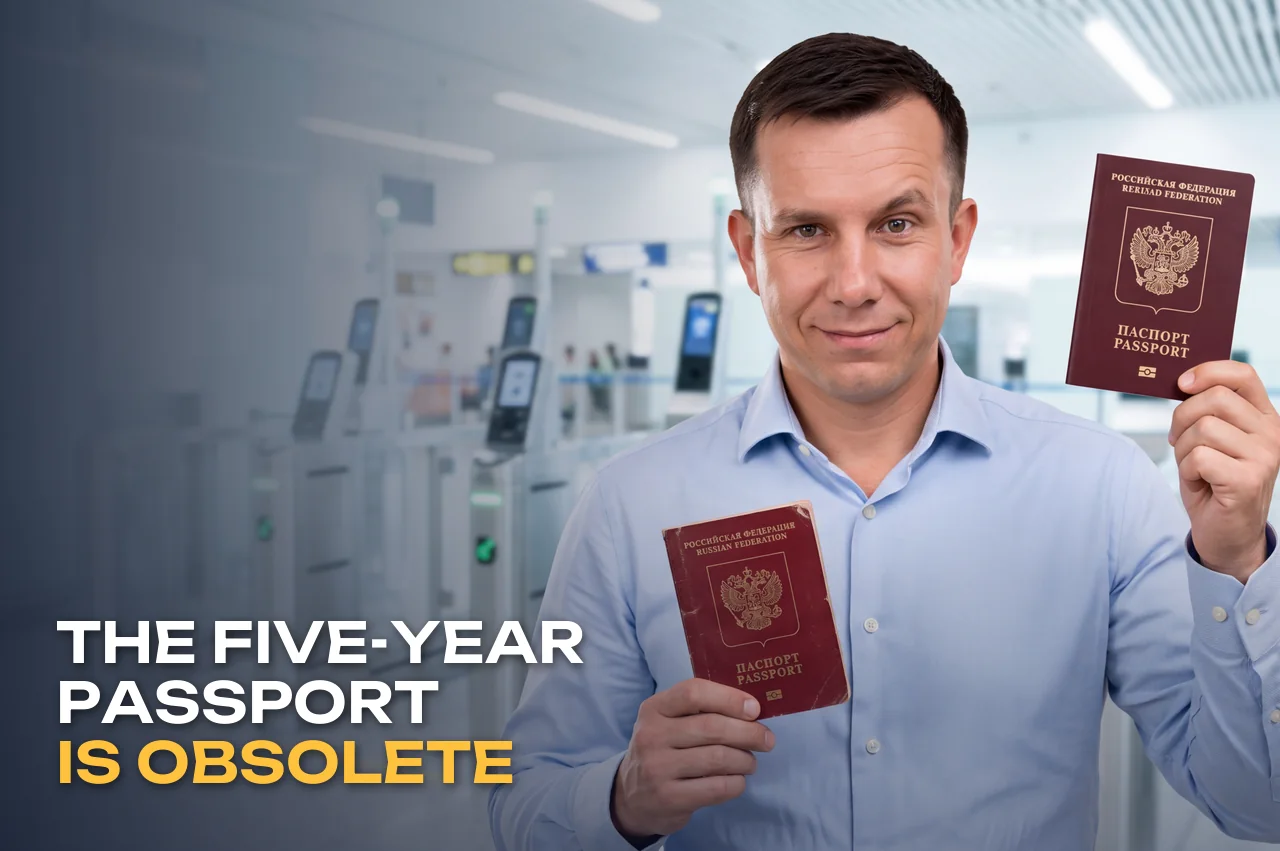 AnalysisThe five-year passport is obsolete: 15 Schengen states already refuse it
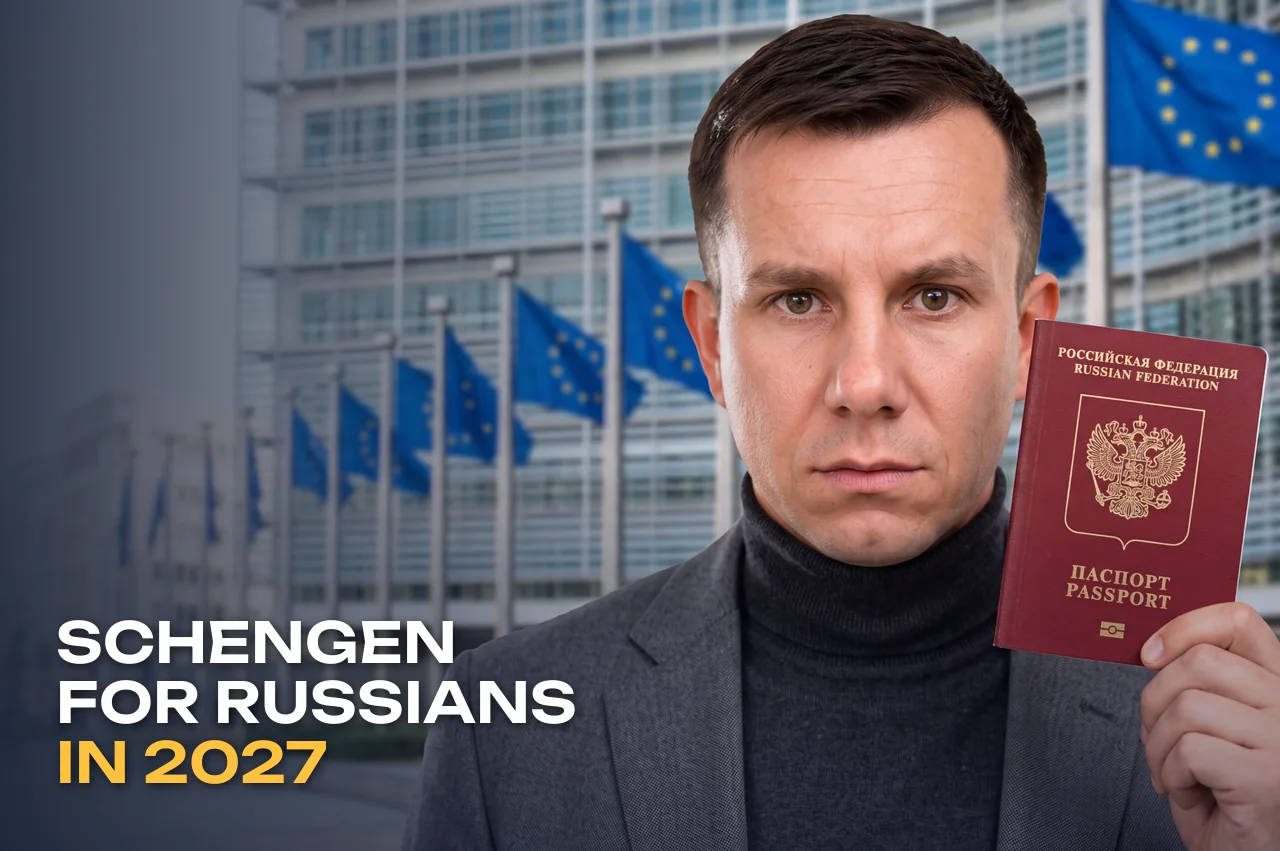 AnalysisSchengen is narrowing for Russians, and a backup plan is best built before 2027
Personal programme selection is conducted by Anna Kovalevskaya, Head of Legal, BRIDGES.
We will check your documents for entering Poland
Tell us your citizenship and the purpose and length of the trip. We will tell you how to prove your funds and which papers are missing.
