Citizenship · Dominica
Dominica Real Estate for Citizenship 2026: Eco-Resorts and Prices
Updated: June 2026·9 min read·Expert reviewed
Terms and costs verified: June 2026
Contents
Dominica is called the "island of nature." Mountains, waterfalls, wild beaches. And at the same time—one of the most affordable ways to obtain a second passport through real estate purchase. You invest money in an approved eco-resort or hotel. After a few years, you can sell your share and return the capital. And citizenship remains with you. Sounds like a fairy tale? In reality, there are nuances—and we'll discuss them below. We'll break down prices, timelines, government fees, and risks in simple terms.
What is Dominica Citizenship Through Real Estate
Dominica offers a second passport for investments. This is a CBI program (citizenship by investment). Operating since 1993. One of the oldest in the world.
There are two paths. First—a non-refundable contribution to the EDF state fund. Second—purchase of approved real estate. This article is about the second path.
The concept is simple. You purchase a share in a project from the official list. This is usually an eco-resort or hotel. The state sees your investment and grants citizenship to you and your family.
The main difference from a contribution—the asset remains with you. A contribution is forfeited permanently. A share in a resort can be sold after a few years. And you can recover your investment (in full or in part—depending on market conditions).
Dominica's passport is NOT an EU passport. But it provides visa-free entry to approximately 140+ countries. Among them—Schengen countries, the United Kingdom, Singapore, and China. For many, this is sufficient.
For more details on the program itself—in our guide to Dominica citizenship through investment.
Why Eco-Resorts and Hotels Specifically
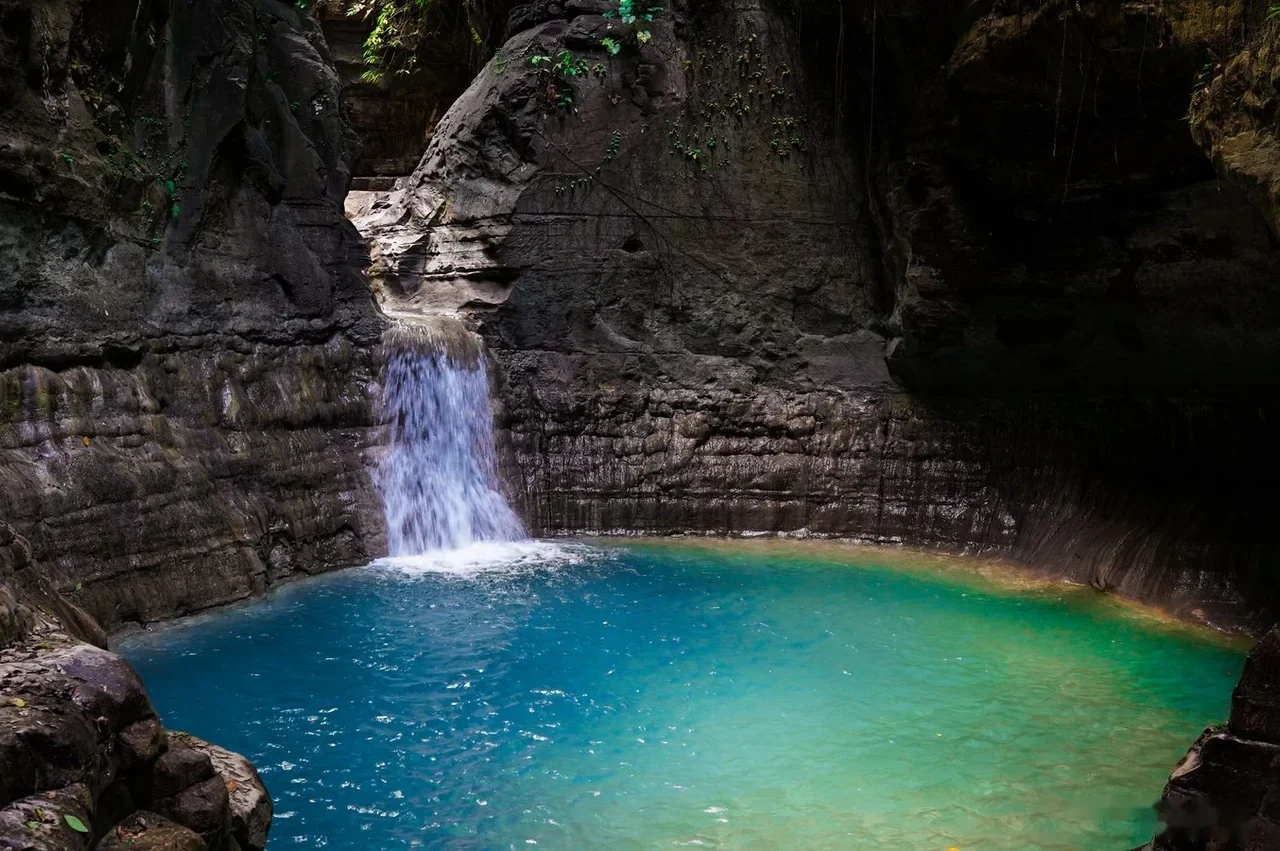
Dominica is not called the "island of nature" for nothing. There is no mass beach tourism here, unlike neighboring islands. But there are hot springs, tropical forests, and waterfalls.
Therefore, almost all approved real estate consists of premium tourist accommodations. The state's logic is simple. A tourist arrives, spends money, the economy grows. And your investment boosts that economy.
What typically appears on the list of approved projects:
- Luxury eco-resorts with villas on the beach or in the forest.
- Boutique hotels under international chain brands.
- Resort complexes with management companies.
Notable projects include InterContinental Dominica Cabrits Resort & Spa—the first approved real estate project in the program. Also Secret Bay (villas on a cliff over the sea) and Anichi Resort & Spa under the Marriott Autograph Collection brand.
Important point. You are not purchasing a separate apartment for living. Usually this is a share in a project (fractional share). That is, a portion of a large resort. You become a co-owner, not the owner of specific walls.
The exact list and conditions of projects change. They must always be verified before a transaction.
Cost: Prices 2026
The minimum real estate investment amount is from 200,000 USD. This is the lower threshold under the program for 2026.
But the price of the share itself is not the total cost. Government fees and mandatory payments are added on top. Without them, citizenship will not be granted. Let's break it down.
Government Fee for Real Estate Selection (2026):
- Single applicant—from 75,000 USD.
- Family up to 4 persons—from 100,000 USD.
Due diligence fee - from 7,500 USD per primary applicant. For each additional adult family member - separately.
Plus miscellaneous payments. Government fees, document processing, certificates.
According to public data, the total cost for one applicant through real estate amounts to approximately 285,000 USD. For a family of up to four - approximately 326,000 USD. This includes the share itself and all fees.
All amounts are approximate and subject to change. Exact cost estimates for your specific case are always calculated separately. Detailed information about costs - in the article about Dominica citizenship cost.
Table: key real estate parameters
To have everything in view - we compiled key figures into one table. This is a guideline, not an exact calculation.
| Parameter | Value |
|---|---|
| Minimum real estate investment | from 200,000 USD |
| Asset type | share in an approved project (eco-resort, hotel) |
| Holding period | approximately 3 years (5 years when reselling to another CBI investor) |
| Government fee (single applicant) | from 75,000 USD |
| Government fee (family up to 4) | from 100,000 USD |
| Due diligence check | from 7,500 USD per primary applicant |
| Processing timeframe | approximately 6-9 months |
| Resale opportunity | yes, after holding period expires |
| Asset income | possible (rental / resort management) |
Figures for 2026. Before transaction, they are always verified against the current project list.
How long to hold the real estate
You cannot buy and immediately resell a share. The law requires holding the asset for several years. This protects against those who want to "buy a passport and leave."
The basic period is approximately three years after obtaining citizenship. After this, you can sell your share on the open market.
But there is an important caveat. If you sell your share not to a regular buyer, but to another CBI program investor - the period extends to five years. Moreover, the five years are counted from the date when the first investor obtained citizenship.
Why so complicated? The government does not want the same share to endlessly "circulate" among investors for passports. Therefore, the second buyer receives an asset with the holding period already running.
What this means for you in practice:
- Planning to exit quickly and sell to a private individual - expect around 3 years.
- Want to sell to the next CBI investor - prepare for 5 years.
Timeframes and rules may be clarified. Before purchase, these are verified for the specific project.
We will map your route to Dominica citizenship
We review your family, source of funds and timing and tell you which route fits.
How resale works and money returns
The main advantage of the real estate route - the asset returns money. A contribution to a fund is lost permanently. But a share in a resort can be sold.
But : selling a share is not the same as selling a regular apartment. The market for such assets is narrow. There are few buyers. These are mainly other program investors or specialized funds.
How much you get back depends on the market. There can be profit if the resort increased in value. There can be a loss if demand dropped. No one guarantees anything here.
What affects the return:
- Quality and reputation of the resort itself.
- Hotel occupancy and demand for vacation.
- Overall situation in the CBI real estate market.
- Willingness of the management company to assist with the sale.
Therefore, real estate should be treated as an investment, not as a "returnable deposit." Approach it soberly. Look at the specific project and its track record.
Can real estate generate income
Yes, it can. This is the second advantage of the real estate route. While you hold the share - the asset can work for you.
Most approved properties are operating resorts and hotels. Tourists pay for rooms. A portion of revenue goes to share owners. This is like receiving dividends.
How it typically works:
- A professional company manages the resort.
- It rents out rooms, serves guests, and keeps records.
- Profits are distributed among co-owners according to their shares.
But there's no rose-tinted view here either. Income is not guaranteed. In a good season, there are payouts. In a weak season, they can be symbolic or zero. It all depends on occupancy and resort expenses.
The income size is usually modest relative to the investments. Real estate should not be considered a way to "live off the interest." Rather, it's a pleasant bonus to citizenship itself.
Exact payment conditions are spelled out in the contract for each project. They are reviewed before signing.
What does "approved project" mean?
This is the key rule. You can buy not just any real estate on the island. Only from the official list of approved projects.
If you find a beautiful villa on the shore and buy it directly from the owner, you won't get citizenship for it. The property must be approved by the state for the CBI program.
Why is this so? The state examines each project. It looks at the developer, reputation, and economic benefit. Only then does it include it in the list. This protects both the country and investors.
How to tell if a project is approved:
- It's on the official program list.
- The developer has the necessary permits.
- The contract directly references participation in CBI.
The project list is not static. Some are added, others stop accepting new investors. That's why the current list is always verified before making a choice.
Simple advice. Don't believe promises like "this villa definitely fits" without verification. Check the property's official status. This will protect you from losing money and time.
Complete cost breakdown: where the money goes.
Let's review all expenses again. So you see the full picture and don't get surprises. Figures are for 2026, approximate.
What comprises the total amount when purchasing real estate:
- The share itself. - from 200,000 USD. This is your asset, which will be returned upon sale.
- Government fee for real estate. - from 75,000 USD per person. From 100,000 USD for a family of up to four. Non-refundable.
- Due diligence check. - from 7,500 USD per primary applicant. Separate for each adult.
- Government fees and documents. - passport fees, certificates, processing.
Total for one applicant is approximately 285,000 USD. For a family of up to four - approximately 326,000 USD.
Note. Only the share value is refundable (and at market rate). All fees are non-refundable. This is payment to the state for citizenship processing.
A complete breakdown of all payments with examples is in a separate article about. Dominica citizenship cost.There are figures for each item.
Investor verification and expert perspective.
Due diligence - the heart of the program. The state reviews each applicant. Where the money comes from, what you did, whether there are legal issues. This takes several months.
In recent years, checks have become stricter. This is required by the EU and USA. Therefore, documents are treated seriously. Especially the source of funds.
The programme does not accept applications from citizens of Russia and Belarus. For citizens of other CIS countries verification is enhanced, everything is legal, without circumventing sanctions. Be prepared to confirm the origin of every dollar.
What is important to prepare in advance:
- Clean income history with documents.
- Confirmation of the source of funds for investment.
- Certificates of no criminal record.
Tax aspect. Dominica citizenship is NOT automatically tax residency. Upon obtaining a passport, you are not obligated to pay Dominica taxes if you do not live there. More details in the article about. Dominica taxes..
The main investor mistake is looking only at the share price. People see "from 200,000 USD" and think that's the total amount. Then they learn about government fees, verification, and duties - and the budget increases by a hundred thousand. Therefore, I advise calculating the full estimate immediately, before choosing a project. Second - the real estate itself. Not every resort suits the program. The property must be on the official list of approved objects. You cannot rely on the developer's word; status is verified against official data. And third, which is often kept quiet - liquidity. Selling a resort share is harder than selling an apartment. The market is narrow. Treat it as a long-term investment. With a clear head and figures, the real estate path is an excellent option.
Risks and pitfalls: .
The program is real and works. But there are no perfect solutions. We will tell you about the downsides - so you go into this with open eyes.
Main risks of the real estate path:
- Liquidity. Selling a resort share is more difficult than selling an apartment. The market is narrow, there are few buyers. It is not always possible to exit the asset quickly.
- Remote location. Dominica is a small island in the Caribbean Sea. It is difficult to manage the asset from a distance. You depend on the management company.
- Return is not guaranteed. How much you will receive when selling depends on the market. There may be profit or loss.
- Income is unstable. Payouts from the resort depend on occupancy. In the low season, there may be none.
One more important thing to understand. Dominica's passport is strong, but it is NOT an EU passport. There is visa-free access to Schengen, but it does not grant the right to live and work in the EU. Do not believe if promised otherwise.
These risks are not a reason to refuse. They are a reason to approach wisely. Choose a reliable project. Calculate the complete budget. And do not harbor illusions about "easy money."
Who is suited to the real estate path
This path is not for everyone. Let us analyze who it will really suit and who should choose a contribution instead.
Real estate is worth considering if you:
- Want to preserve capital in a real asset rather than give it to the state.
- Are ready to hold a share for several years without hurrying.
- Are comfortable with a narrow resale market.
- See this as a long-term investment, not a quick deposit.
Conversely, an EDF contribution will be more logical if you:
- Want a passport as quickly and simply as possible.
- Do not want to deal with the asset and its sale.
- Count every thousand on government fees.
For families, the real estate path is often more beneficial. One share, but everyone receives passports. Capital works for the entire family at once.
The main thing is to assess your goals and time horizon. If you are an investor by nature and love real assets, real estate is your option. If you simply need a quick passport, look into a contribution.
You can learn more about the document itself in the article about Dominica passportAnd we will help you choose a program that suits you.
Who can participate and the whole family
Dominica's program is known for its broad family inclusion. Many relatives can be included in one application. This is advantageous for large families.
Who can usually be added to the primary applicant:
- Spouse.
- Children—biological children and sometimes up to a certain age if studying.
- Parents and grandparents (often from a certain age).
- In some cases—siblings.
Each family member receives their own passport. Children inherit citizenship further. That is, you secure status not only for yourself but also for future generations.
And to be . The programme does not accept applications from citizens of Russia and Belarus, and applicants from other CIS countries undergo enhanced scrutiny. The state carefully examines the source of funds and biography. Everything is strictly by law, without circumventing sanctions. This is normal practice in recent years.
"The main investor mistake is looking only at the share price. People see 'from 200,000 USD' and think that's the total amount. Then they learn about state fees, verification, and duties—and the budget grows by a hundred thousand. So I advise calculating the full cost estimate immediately, before choosing a project. The second point is the real estate itself. Not every resort suits the program. The property must be on the official approved list. You can't trust the developer's word; the status is verified against official data. And the third thing, often kept silent, is liquidity. A resort share is harder to sell than an apartment. The market is narrow. Treat it as a long-term investment. With a clear head and figures, the real estate path is excellent."
Real estate or EDF contribution: what to choose?
The program has two paths. Investors often debate which is better. The answer depends on your goals. Let's compare simply.
An EDF fund contribution—from 200,000 USD non-refundable. Money goes to the state permanently. But the path is simple, fast, and hassle-free with the asset. You pay—and that's it.
Real estate—also from 200,000 USD, but in an asset. Plus higher state fees. However, in a few years, the share can be sold and some money returned. And it can generate income.
When EDF is chosen:
- You need a passport as quickly and simply as possible.
- You don't want to deal with real estate and its sale.
- You count every thousand in state fees.
When real estate is chosen:
- You want to preserve capital in an asset.
- You're ready to hold the share for several years.
- A narrow resale market doesn't scare you.
Roughly speaking: EDF is cheaper in fees, but money is lost. Real estate is more expensive at the start, but capital may return. More details on both paths—in the general program guide.
We will send a document checklist for your case
Leave your details: we will put together documents and timelines for your family.
Purchase stages: how it all proceeds
The path from choosing a resort to getting a passport is clear. The main thing is to follow the steps and not rush. Here's how it typically looks.
- Project selection. You review approved resorts. Compare prices, conditions, reputation. Choose a share.
- Document preparation. You gather paperwork about yourself and family. You confirm the source of funds.
- Due diligence check. The state reviews your background. This takes several months.
- Purchase of a share. You transfer funds for the real estate to an escrow account.
- Payment of fees. Government fees and verification fees.
- Approval and passport. After verification, approval is granted. Then passports are issued.
The entire process takes approximately 6-9 months. You do not need to relocate to the island - everything is handled remotely.
The key at the start is to choose a reliable project and submit documents correctly. Mistakes here cost time and money. Therefore, such transactions are conducted with professionals.
Frequently asked
Questions people ask before deciding
01How much does Dominica real estate cost for citizenship?
Minimum - from 200,000 USD for a share in an approved project. Government fees on top: from 75,000 USD per applicant and from 100,000 USD for a family of up to four. Plus due diligence from 7,500 USD. Total for one person - approximately 285,000 USD.
02Can you buy any real estate in Dominica for citizenship?
No. Only properties from the official list of approved projects qualify. These are typically eco-resorts and hotels. You cannot buy a villa directly from a private owner and obtain a passport in return.
03How long must you hold the real estate?
The basic period is approximately three years after obtaining citizenship. If you sell your share to another CBI program investor, the period extends to five years from the first investor's date.
04Can you later sell the share and get your money back?
Yes, after the holding period. However, the market for such properties is narrow. How much you recover depends on the market. There may be profit or loss. There are no return guarantees.
05Does the real estate generate income?
It can. Most properties are operating resorts. Part of the revenue from room rentals goes to share owners. However, income is not guaranteed and depends on hotel occupancy.
06What is better - real estate or EDF contribution?
EDF contribution is simpler and cheaper in fees, but the money is gone forever. Real estate is more expensive at the start, but capital can be returned upon sale. The choice depends on your goals.
07Do you need to travel to Dominica to make the purchase?
No. The entire process takes place remotely. You do not need to relocate or live on the island. Documents are submitted through a representative.
08What passport does Dominica provide?
A Dominica passport provides visa-free entry to approximately 140+ countries, including Schengen, United Kingdom, Singapore, China. However, this is NOT an EU passport - it does not provide the right to live and work in the European Union.
09Can you include the entire family in the application?
Yes. The program is known for its wide family inclusion. You can typically add a spouse, children, parents, grandparents, and sometimes siblings. Each person receives their own passport.
10How long does the process take?
Approximately 6-9 months. Most time is spent on due diligence checks. Timelines may change due to stricter vetting standards.
11Do you need to pay taxes to Dominica after obtaining a passport?
Citizenship is not automatic tax residency. If you do not live in Dominica, you are not obligated to pay it taxes. Details are in our article on Dominica taxes.
12Are there any special considerations for Russian citizens?
Yes. The Dominica programme does not accept applications from citizens of Russia and Belarus.
Transparency
How this material was prepared
- Author
- Darya Melnik, senior Investment Programs Advisor, BRIDGES
- Terms and costs last verified
- June 2026
- Sources
- official government authorities of the relevant country and state publications
- Methodology
- government minimum requirements are stated separately from due diligence charges, state fees, legal and banking costs
Sources and methodology
Figures, terms and timelines are checked against official sources as of June 2026. Link availability verified in August 2026. Third-party blogs and agent websites are not used as a source of programme terms.
- [1]Commonwealth of Dominica Citizenship by Investment UnitOfficial conditions of the programmecbiu.gov.dm
Methodology: tables and charts state government minimum investment requirements; due diligence charges, state fees, legal, banking and other costs are calculated separately and are not included in the minimum thresholds.
About the author
Related materials
What to read next
 ComparisonDominica or St. Lucia: the most affordable Caribbean citizenship in 2026
 AnalysisWhat is due diligence and why the Caribbean is rejecting applications
 ArticleBenefits of Dominican Citizenship in 2026: What Makes This Passport Useful
Personal programme selection is conducted by Anna Kovalevskaya, Head of Legal, BRIDGES.
Buying property in Dominica: what to check
Title, encumbrances, outstanding debts and what to look for in the contract.
