Residency · Malta
Real estate in Malta: prices, buying as a foreigner, AIP permission, and taxes

Updated: June 2026·12 min read·Expert reviewed
Terms and costs verified: June 2026
Contents
Malta is a tiny archipelago in the center of the Mediterranean, an EU and Schengen member where English is spoken and the sun shines about three hundred days a year. Unsurprisingly, investors from dozens of countries want to buy real estate in Malta: some are looking for a seaside apartment for themselves, others - a euro rental asset, others still - a property for the permanent residency programme. But behind the attractive picture lie their own rules. A foreigner needs AIP permission to buy outside special zones, real estate prices in Malta are dictated by acute land scarcity, and stamp duty and related expenses are added to the property's cost. In this breakdown - 2026 figures, the deal's mechanics step by step, and the answer to the main question: where a foreigner can buy freely, and where with restrictions.
Why real estate in Malta interests foreigners
Malta is just about 316 square kilometers of land and over half a million residents, one of the most densely populated countries in Europe. There's almost no free land, new construction is limited, and demand is driven up by expats, language school students, employees of gaming and fintech companies, and renters. Under these conditions real estate has been rising in price for decades, and rental brings stable income in euros.
For a foreigner the island has several significant advantages:
- an EU and Schengen area member, the currency is the euro;
- English is one of the official languages, document flow is conducted in English;
- clear common law at the base of the system and developed notarial practice;
- the ability to link the purchase to the permanent residency programme (MPRP) and obtain long-term resident status.
That said, the market isn't unlimited in terms of access: a citizen of a non-EU country can buy real estate in Malta, but in most areas - with permission and usually one property for personal use. More on this below.
Real estate prices in Malta 2026: what an apartment really costs
Real estate prices in Malta are shaped by land scarcity, so average figures look high for such a small island. Roughly in 2026 the average apartment price is about 374,000 €, a house - around 680,000 €, and the average price per square meter of housing is about 3,300 €. Prices rose roughly 4-7% over the year.
The spread across areas is huge. In premium seaside towns a square meter costs several times more than in quiet northern villages or on the island of Gozo. Below is a guideline for typical prices per square meter of an apartment (figures are approximate, depend on condition and view).
| District | Approximate price per sq. m |
|---|---|
| Valletta (the capital) | up to 6,000-7,500 € |
| Sliema | about 4,000-4,500 € |
| St. Julian's | about 3,500-4,500 € |
| Mellieha (north) | about 2,000-2,800 € |
| St. Paul's Bay (north) | from 2,200 € and up |
| Gozo (e.g., Victoria) | about 1,500-2,200 € |
A simple conclusion: an apartment in Malta in Sliema can cost three times more than a comparably sized apartment on Gozo. So it makes sense to calculate the budget not «for the island in general», but for the specific area.
Popular areas: Sliema, St. Julian's, Valletta, Gozo
Exactly where to look for an apartment in Malta depends on the goal - living, renting, or investing money. Briefly on the key locations:
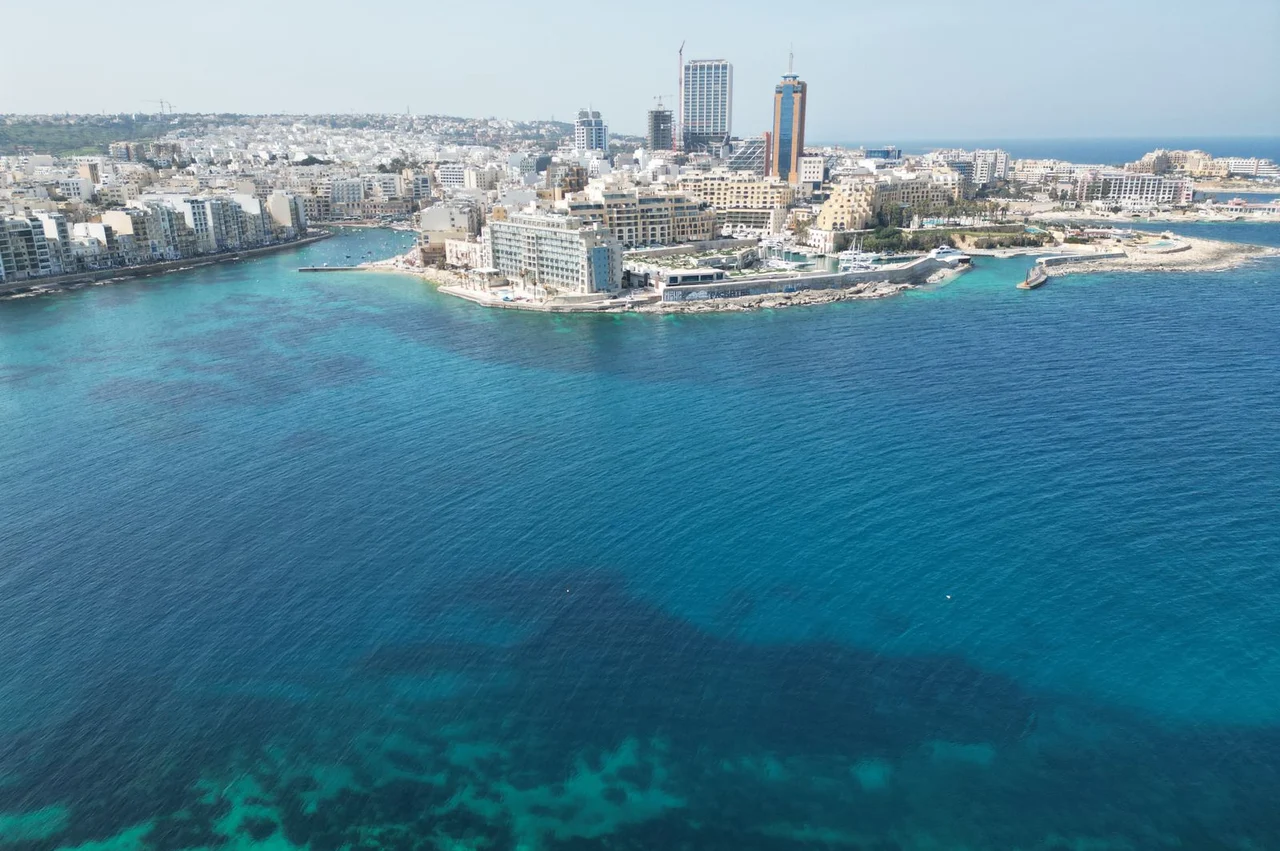
- Sliema- the island's main showcase: the promenade, shops, restaurants, ferries. The most liquid rental apartments, but also the highest prices.
- St. Julian's- the center of nightlife, offices of gaming and IT companies, the Paceville area. High rental demand from employees and expats.
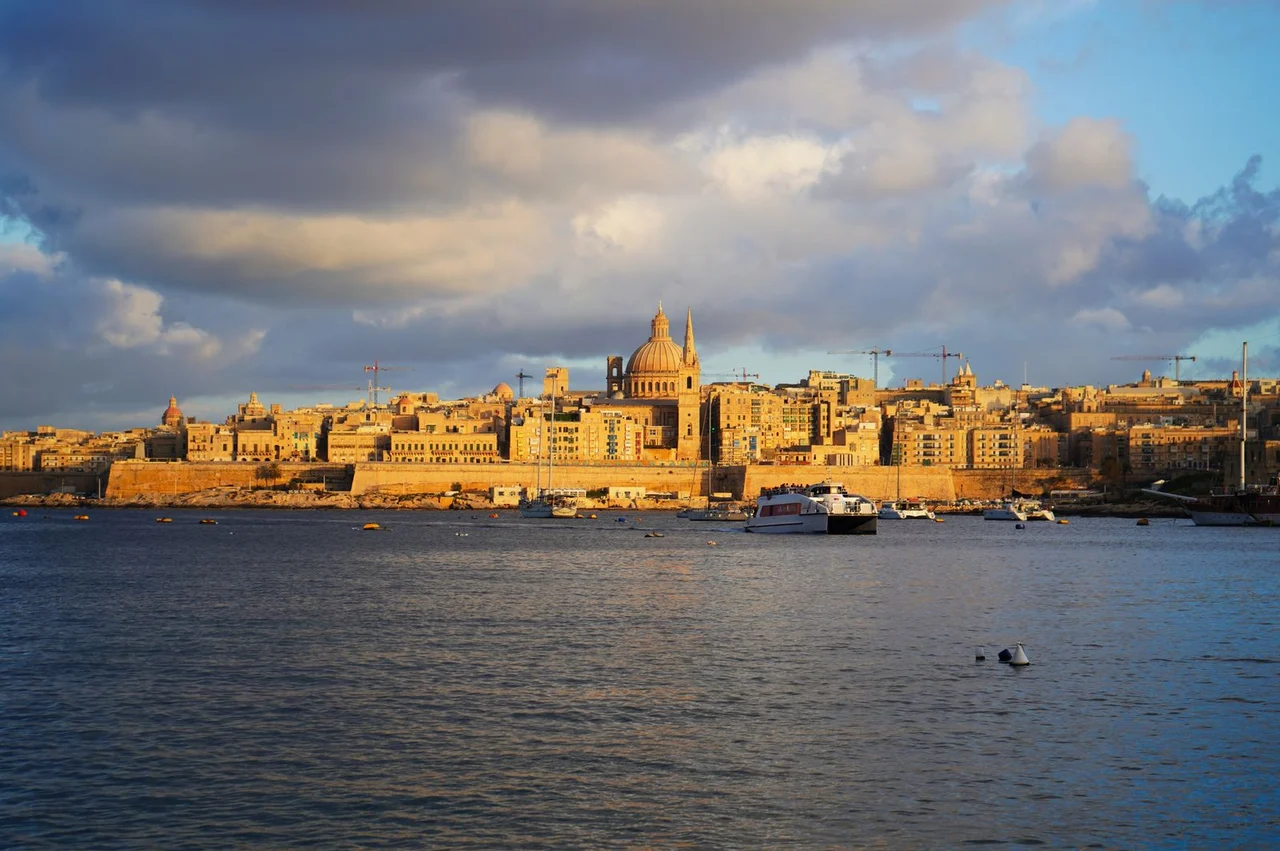
- Valletta- a UNESCO-protected historic center, expensive restored townhouses and penthouses, limited supply.
- Mellieha and St. Paul's Bay- the north with beaches, calmer and cheaper, popular with seasonal renters.
- Gozo- a quiet green neighboring island, the lowest prices, separate reduced thresholds for the permanent residency programme and stamp duty.
For rental income, Sliema, St. Julian's, and St. Paul's Bay are more often chosen; for living «for yourself» - Valletta, Mellieha, or Gozo.
Malta's AIP permission: who gets it and why
The main rule for a foreign buyer: real estate in Malta is accessible to foreigners from non-EU countries, but outside the special zones AIP permission (Acquisition of Immovable Property) is required. This is an authorization issued by the relevant agency under Chapter 246 of the laws of Malta.
What's important to know about Malta's AIP permission:
- it's needed by non-EU citizens buying outside SDA zones (more on those in the next section);
- usually, only one residential unit is allowed for the buyer's and their family's personal use;
- a property under AIP usually can't be rented out - it must be used as your own housing;
- minimum property value thresholds apply (roughly from ~143,000 € for an apartment and from ~191,000 € for a house, figures are periodically revised);
- the state review fee is around 233 €, the issuance time is usually up to 35 days.
EU citizens in most cases buy without AIP, but their own conditions apply regarding the residence period on the island. If you're planning to rent out housing or buy several properties - take a look at SDA zones.
SDA zones: where a foreigner buys freely
Special Designated Areas (SDA) are specially designated elite complexes and quarters where real estate is sold regardless of citizenship. It's exactly here that a foreigner gets almost the same rights as a local resident.
In SDA zones:
- AIP permission isn't required regardless of passport;
- there's no limit on the number of properties acquired - you can buy several apartments;
- there's no minimum value threshold tied to AIP;
- purchased housing is allowed to be rented out - it's a full-fledged investment asset.
Historically well-known SDA zones include, among others, Portomaso, Tigne Point, Fort Cambridge, Pender Gardens, SmartCity, Cottonera, and a number of other projects. The list is added to over time, so the status of a specific complex should always be checked before the deal. For an investor who wants rental income and freedom to dispose of the property, an SDA is often the optimal choice.
We will find the right basis for residency in Malta
We calculate the budget and timing for your family and list the documents you need.
How to buy real estate in Malta: the process step by step
The deal itself in Malta is structured transparently and goes through a notary, who checks the title's cleanliness and is responsible for registration. The typical path to buying real estate in Malta looks like this:
- Choosing the property and reserving it.The parties agree on the price and terms, sometimes signing a brief letter of intent.
- The preliminary agreement (konvenju).This is a binding interim contract: the price, terms, and deadline for reaching the final deed are fixed. The buyer pays a deposit, usually around 10% of the value, and part of the stamp duty. The konvenju usually lasts about three months.
- Checks and AIP.The notary carries out a legal check (title, encumbrances, building permits). In parallel, an AIP permission application is filed if needed.
- The final deed.After clean checks and AIP issuance, the parties meet at the notary or the bank, sign the final agreement, the buyer pays the remaining price and taxes, and receives the keys.
If a deposit is paid and the deal falls through due to the buyer's fault with no legal grounds, the deposit can be lost - so the konvenju's terms are read especially carefully.
The cost of buying: stamp duty and related expenses
Mandatory payments are always added to the apartment's price. The main one is stamp duty. The standard rate is 5% of the property's value, with usually 1% paid when signing the konvenju, and the remaining 4% at the final deed. On the island of Gozo the rate is reduced to 2%, and preferential rates also apply to properties in historic development zones.
Besides stamp duty, the budget includes expenses for the notary, checks, and registration. A guideline for the full set of purchase costs:
| Expense item | Approximate value |
|---|---|
| Stamp duty (Malta) | 5% of the price |
| Stamp duty (Gozo) | 2% of the price |
| Deposit at the konvenju | about 10% of the price |
| Notary services | about 1-2% + VAT |
| Title search/verification, registration | is included in the notary's work |
| Buffer for taxes and fees (total) | roughly 7-10% on top of the price |
Practical advice: when planning to buy real estate in Malta, budget an additional roughly 7-10% of the property's price for all mandatory payments - this way you won't need to scramble for funds at the last moment.
Mortgage, banks, and paying for the deal
Local banks do lend for housing purchases, including to non-residents, but they approach foreign borrowers cautiously: requesting proof of income, the source of funds, and usually a larger down payment than residents. Many foreign buyers end up completing the deal with their own funds.
What to pay attention to with payment:
- the money must have a transparent and provable origin - the bank and notary carry out a check (compliance);
- transfers from abroad should be prepared in advance, factoring in timelines and exchange rate;
- with a mortgage, the final approved amount and terms are fixed before the final deed;
- final settlements usually take place at the notary or a bank branch on the day the deed is signed.
The cleaner and clearer the income and savings documents, the faster and calmer the deal goes.
Property taxes: ownership, rental, and sale
There's no annual municipal property tax in the usual sense in Malta, and no wealth or inheritance tax. The main tax points are tied to the moment of the deal and rental income.
- When buying- the 5% stamp duty (2% on Gozo) mentioned above.
- When renting out- you can choose a simplified regime: a flat 15% tax on gross rental income, or include net profit in the general return on the progressive scale.
- When selling- the seller pays the property transfer tax, usually 8% of the sale price; for certain cases (e.g., a sale in the first years of ownership or the sale of a sole home) reduced or zero rates apply.
VAT isn't charged on residential real estate in a regular resale, the country's general VAT rate is 18%. Details of tax regimes and relief should be clarified for the specific situation.
“The most common mistake a foreign buyer makes in Malta is mixing up two different tasks. Buying an apartment for yourself is one thing: outside special zones you'll need AIP permission, there will be one property, and renting it out is usually not allowed. Investing in a rental asset is a completely different matter: SDA zones suit this, where passport doesn't matter, there's no limit on the number of properties, and renting out is allowed. And separately there's the resident status question: the permanent residency programme's thresholds are above an «average» apartment and are calculated by their own rules. Before paying a deposit under a preliminary agreement, we always first fix the client's goal, then check the title and the property's AIP and SDA status - and only then talk about price. This order saves both money and nerves.”
Real estate and permanent residency: the link to MPRP
Buying or long-term renting housing is one of the elements of the MPRP (Malta Permanent Residence Programme) permanent residence programme. This is a path to lifelong permanent residency status (not citizenship), which includes the spouse, children, parents, and the older generation of the family.
As for the housing part of the programme (approximate conditions):
- buying real estate from 375,000 € in Malta or from 300,000 € in the Gozo/south zone;
- or long-term rental from 14,000 € a year (from 10,000 € on Gozo/south);
- the property or rental must be held for five years;
- additionally - an administrative fee, a government contribution, and a charitable donation.
It's important to distinguish two tasks: «just buying an apartment» and «obtaining permanent residency through investment». The thresholds and conditions here differ, and MPRP is a separate procedure with its own compliance. Details - in our breakdownMalta's permanent residency programme (MPRP)and our article ontypes of residence permits and permanent residency by investment.
Risks and pitfalls of buying
The Maltese market is transparent, but there are nuances here too on which an unprepared buyer loses money or time. What to pay attention to:
- The right to buy.Not every property qualifies under AIP, and outside SDA zones usually only one residential unit for personal use is allowed - this option doesn't work for rental.
- Rental prohibited.Housing bought under AIP usually can't be rented out; if the goal is income, a property in an SDA is needed.
- Condition and floor area.Part of the stock is old buildings with no elevator and small rooms typical of the island; it's worth checking the actual floor area and condition.
- Timelines and the konvenju.A deal falling through due to the buyer's fault risks losing the deposit; the preliminary agreement's terms should be agreed in advance.
- Origin of funds.The bank and notary seriously check the source of funds - it's better to prepare the documents before the deal.
Most of these risks are removed by proper legal due diligence and the right choice between «housing for yourself» and an «investment property in an SDA».
Buying for citizens of Russia and the CIS: what matters
For citizens of Russia and a number of CIS countries the path to real estate in Malta remains, but requires special care. A Schengen visa is needed to enter the island. Residency Malta is currently not accepting applications from citizens of Russia and Belarus under the MPRP permanent residence programme - this needs to be factored in if the purchase is intended specifically for status.
A few practical benchmarks:
- any deal must be strictly legal, with no circumvention of sanctions;
- enhanced scrutiny of the origin of funds is the norm, not the exception;
- transfers and bank operations should be planned in advance, factoring in compliance;
- buying housing «for yourself» and trying to obtain status through it are different scenarios with different rules.
Proper guidance lets you go through this path calmly and within the law. If you want to assess your specific situation,contact us- we'll break down the options based on the facts.
How to check the property and seller before the deal
Before buying real estate in Malta, the property and seller are checked across several dimensions. This work is mostly done by the notary, but it's useful for the buyer to understand the logic.
- Title.It's confirmed that the seller is the legal owner and entitled to sell, with no disputes and no unresolved inheritance.
- Encumbrances.Mortgages, liens, easements, and debts that could transfer with the property are checked.
- Building permits.It's checked that the property and any renovations are legalized, with no zoning violations.
- Status under AIP and SDA.It's determined whether permission is needed and whether the housing can be used for rental.
- Utility and service debts.Outstanding utility payments and complex dues are checked.
It's convenient to check official information on government services and agencies on the government portalgov.mt. A self-conducted purchase with no title check is the main source of problems, so it's not worth saving on this stage.
We will send a document checklist for your case
Leave your details: we will put together documents and timelines for your family.
Bottom line: who suits which property in Malta
Real estate in Malta is a clear and liquid euro asset within the EU, but with two key forks that should be decided in advance.
- Housing for yourself.If the goal is a second seaside apartment for personal use, a property outside SDA with AIP permission will work; remember the limit on the number of properties and the rental ban.
- Investment and rental.If you need income and freedom to dispose of the property, choose SDA zones: no AIP, no limit on the number of properties, and the right to rent out.
- Resident status.If permanent residency matters, calculate the budget for the MPRP programme's thresholds, not an «average apartment».
To break down the cost of living and housing maintenance, see our article onliving costs in Malta, and the tax side - in our breakdownproperty taxes in Malta. And to select a property for your task and check its legal cleanliness,leave a request- we'll help you go through the deal on the facts and with no surprises.
Frequently asked
Questions people ask before deciding
01Can a foreigner buy real estate in Malta?
Yes. A citizen of a non-EU country can buy real estate in Malta, but outside the special SDA zones this requires AIP permission, and usually only one residential unit for personal use is allowed. In SDA zones, buying is free for any citizenship.
02What is AIP permission in Malta?
AIP (Acquisition of Immovable Property) is an authorization to purchase real estate, issued by the relevant agency to non-EU citizens buying outside SDA zones. The government fee is around 233 €, and the review period is usually up to 35 days.
03How do SDA zones differ from other real estate?
In Special Designated Areas, AIP permission isn't required regardless of passport, there's no limit on the number of properties, no minimum value threshold under AIP, and purchased housing is allowed to be rented out. This is a convenient format for an investor.
04How much does real estate cost in Malta in 2026?
Roughly, the average apartment price is about 374,000 €, a house - around 680,000 €, and the average price per square meter of housing is about 3,300 €. Prices depend heavily on the area: in Sliema a square meter costs several times more than on Gozo.
05What is the stamp duty when buying real estate?
The standard stamp duty is 5% of the property's value, with usually 1% paid when signing the preliminary agreement, and 4% at the final deed. On the island of Gozo the rate is reduced to 2%.
06What additional costs are there besides the apartment price?
Stamp duty, notary services (about 1-2% plus VAT), and title check and registration costs are added to the price. In total it's reasonable to budget an additional roughly 7-10% of the property's value.
07How does the buying process work in Malta?
First a preliminary agreement (konvenju) is signed with a deposit of about 10% and part of the stamp duty. Then the notary carries out checks, AIP is arranged if needed, after which the parties sign the final deed and the buyer pays the remaining balance.
08Can a purchased apartment be rented out?
Housing bought under AIP permission outside SDA zones usually can't be rented out - it must be used as your own housing. If the goal is rental income, a property needs to be bought in an SDA zone, where renting out is allowed.
09What taxes does a property owner pay?
There's no annual property tax in the usual sense in Malta, nor an inheritance or wealth tax. Rental income can be taxed at a simplified 15% rate on the gross amount, and upon sale the seller pays a property transfer tax, usually 8%.
10Where is it best to buy an apartment in Malta?
For rental and liquidity, Sliema, St. Julian's, and St. Paul's Bay are more often chosen. For living for yourself - Valletta, Mellieha, or the quieter and more affordable island of Gozo. The choice depends on the goal and budget.
11Is buying real estate connected to permanent residency?
Yes, housing is one of the elements of the MPRP programme. For the status, a purchase from 375,000 € (from 300,000 € on Gozo/south) or long-term rental is needed, with the property held for five years, plus an administrative fee, a government contribution, and a donation. This is a separate procedure, not just buying an apartment.
12Can Russian citizens buy housing in Malta?
Buying is possible and must be strictly legal. A Schengen visa is needed for entry, and MPRP permanent residency is currently closed to applications from citizens of Russia and Belarus. The origin of funds is checked especially thoroughly.
Transparency
How this material was prepared
- Author
- Dmitry Nagy, international Tax Consultant, BRIDGES
- Terms and costs last verified
- June 2026
- Sources
- official government authorities of the relevant country and state publications
- Methodology
- government minimum requirements are stated separately from due diligence charges, state fees, legal and banking costs
Sources and methodology
Figures, terms and timelines are checked against official sources as of June 2026. Link availability verified in August 2026. Third-party blogs and agent websites are not used as a source of programme terms.
- [1]Identità MaltaResidence, citizenship and documentsidentita.gov.mt
Methodology: tables and charts state government minimum investment requirements; due diligence charges, state fees, legal, banking and other costs are calculated separately and are not included in the minimum thresholds.
About the author
Related materials
What to read next
 ArticleMaltese citizenship by descent: through parents, grandparents and roots
 ComparisonCitizenship of Cyprus or Malta in 2026: comparison of paths to an EU passport
 AnalysisWhat is due diligence and why the Caribbean is rejecting applications
Personal programme selection is conducted by Anna Kovalevskaya, Head of Legal, BRIDGES.
Tax residency in Malta: how it is determined
When tax residency arises, how double taxation is avoided and what the tax authority checks.
