BRIDGES Insights · Andorra
Andorra and San Marino join the EU internal market: what changes for citizens, investors and residents

Updated: October 2026·11 min read·Expert reviewed
Terms and costs verified: October 2026

Contents
On 19 October 2026 in Brussels the European Union signed association agreements with Andorra and San Marino. Both countries join the EU internal market without joining either the EU or Schengen. Their citizens will gain the right to live, work and run a business in EU countries on the same terms as Europeans. But for foreigners living in Andorra or San Marino on a residence permit, the agreement changes nothing: their status remains national and gives no free movement in the EU. I look at what was signed, when it will take effect and what it means for those considering Andorra or San Marino as a country to live or invest in.
In brief
- On 19 October 2026 the EU signed association agreements with Andorra and San Marino. Both join the EU internal market without EU or Schengen membership.
- Citizens of Andorra and San Marino will gain the right to live, work, study and run a business in the EU on the terms of EU citizens.
- Foreigners with residence permits in these countries do not gain free movement in the EU: residence rules remain national.
- EU citizens will be able to move to Andorra and San Marino, but within annual quotas.
- The agreement does not affect either country's tax regime.
- The agreements still need the consent of the European Parliament and ratification by the two countries; Andorra may hold a consultative referendum.
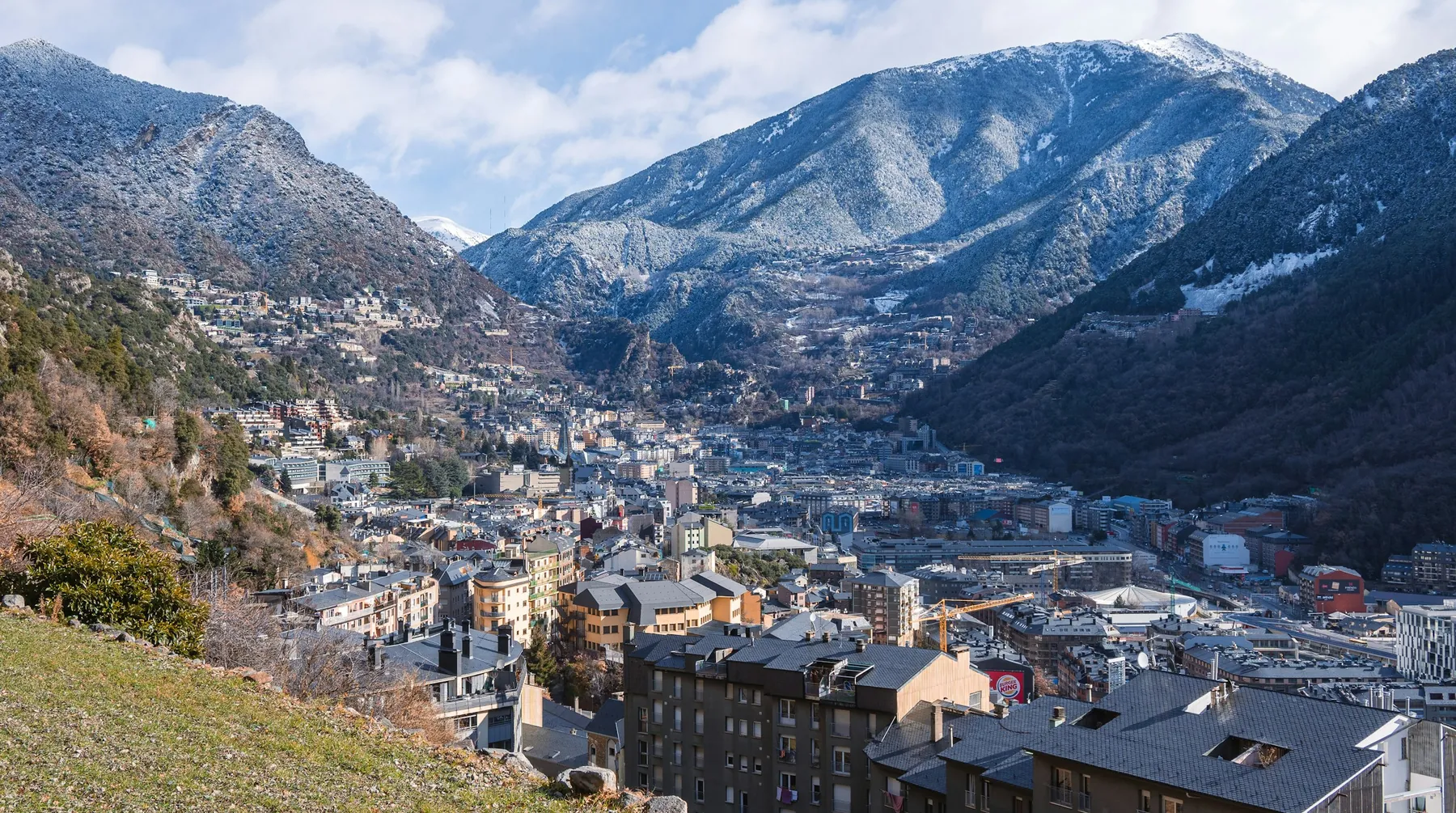
19 October 2026: what was signed in Brussels
The EU had been negotiating with three small European states, Andorra, Monaco and San Marino, since 2015. Monaco suspended talks in 2023 after failing to agree on free movement terms. The agreements with Andorra and San Marino have reached signature. In July 2026 the Council of the EU authorised their signature, in September EU member states pre-signed, and on 19 October the European Commission signed the documents.
The essence of the agreements is both countries' participation in an extended EU internal market on equal terms of competition. For Andorra and San Marino this replaces their previous customs unions with the EU. The internal market covers the free movement of goods, services, capital and people. Financial services open gradually and only after checks of regulation and anti-money-laundering measures.
| Who | What the agreement changes | What does not change |
|---|---|---|
| Citizens of Andorra and San Marino | the right to live, work, study and run a business in the EU on the terms of EU citizens | they do not become EU citizens or vote in the EU |
| EU citizens | may move to Andorra and San Marino, but within annual quotas | the countries set the quotas themselves |
| Non-EU foreigners with residence | nothing | residence under national law, no free movement in the EU |
| Business and goods | participation in the EU internal market instead of customs unions | financial services open gradually, after checks |
| Taxes | nothing | tax regimes outside the agreement |
| Schengen | nothing | both countries remain outside Schengen |
San Marino's path to signature was harder. According to the press, Bulgaria held up approval in the Council this year over a dispute about EUR 15 million belonging to a Bulgarian company. In the end both agreements were signed at the same time.
What this means for you. This is not EU membership and not Schengen. It is access to the internal market and free movement for citizens of two countries. For foreign residents of Andorra and San Marino the rules stay as they were.
Who gains free movement, and who does not?
Only citizens of Andorra and San Marino gain free movement. They will be able to live, work, study, retire and set up a business in any EU country on the same terms as EU citizens. They will not become EU citizens and will not vote in EU elections. Until now Andorran citizens relied on bilateral arrangements with Spain, France and Portugal; now the rights will be common to the whole EU.
Foreigners living in Andorra or San Marino on a residence permit do not gain these rights. The agreement does not cover migration policy: residence permits for non-EU nationals are still issued under national law. An Andorran residence permit gives no right to live in Spain or France, and that will not change after the agreement.
A note on citizenship. In both Andorra and San Marino naturalisation is possible only after 20 years of residence. Andorra does not allow dual citizenship. So for a foreigner the route to free movement in the EU through Andorran citizenship takes two decades and requires giving up the previous passport.
What this means for you. If you are considering Andorran residence as a way to gain the right to live in the EU, the agreement does not give that right. Andorran residence is the right to live in Andorra.
Andorran residence for foreigners: what changed in 2026
The EU agreement does not change residence rules, but Andorra's own rules already changed in 2026. In January 2026 the Andorran parliament approved the so-called second omnibus law, which raised the threshold for passive residence, that is residence without the right to work, from EUR 600,000 to EUR 1 million. The former refundable deposit was replaced by a non-refundable payment to the state. The law took effect in February 2026.
| Condition | Andorra, passive residence | San Marino, elective residence |
|---|---|---|
| Minimum investment | EUR 1 million from 2026, previously EUR 600,000 | EUR 500,000 in property or EUR 600,000 in government bonds |
| Payment to the state | non-refundable, replacing the former refundable deposit | under San Marino rules |
| Work in the country | no right to work | no right to work on this basis |
| Time to citizenship | 20 years of residence | 20 years of residence |
| Dual citizenship | not allowed | under San Marino rules |
| Right to live in the EU | no | no |
Passive residence in Andorra requires spending at least 90 days a year in the country. The investment is placed in Andorran assets, and the permit holder may not work in the country. For those who want to work or run a business there is active residence through employment or one's own company, with its own requirements. We have collected the programme terms on the page on Andorra residence; when preparing an application, check the amounts against the current 2026 rules.
Andorra's tax side has stayed the same: personal income tax does not exceed 10%. Low taxes, not access to the EU, remain the main argument for Andorra for wealthy families.
What this means for you. Since 2026 passive residence in Andorra costs at least EUR 1 million of investment plus a non-refundable payment. The EU agreement neither adds to nor takes away from this.
San Marino: elective residence from EUR 500,000
In San Marino a foreigner can obtain so-called elective residence by buying property for at least EUR 500,000 or investing EUR 600,000 in government securities. According to the press, the agreement does not change these terms. As in Andorra, the path to citizenship takes 20 years of residence.
San Marino is surrounded by Italy, but it is a separate state with its own entry and residence rules. The border with Italy is open, but a San Marino residence permit gives no right to live in Italy. A family that wants to live in Italy needs Italian grounds, not Sammarinese ones.
What this means for you. San Marino appeals to those who want to live in San Marino itself. As a pass to Italy or the EU, its residence permit does not work.
EU citizens will be able to move, but within quotas
The agreement works both ways: EU citizens will be able to move to Andorra and San Marino under free movement rules. But both countries are small and secured annual quotas. Andorra will have three quotas: for economically active residents, passive residents and seasonal workers. They will start two years after the agreement enters into force.
San Marino will issue permits so that the number of working EU citizens grows by about 3% a year: roughly 100 permits, with a much smaller allocation for those not working. For EU citizens thinking of moving to these countries, quotas mean a queue and competition for places.
What this means for you. If you hold an EU passport, moving to Andorra or San Marino will become legally easier but not instant: quota places will be limited.
What happens to taxes in Andorra and San Marino
The agreement does not affect either country's tax regime: Andorra has stated explicitly that taxation is outside its scope. Andorran residents keep personal income tax of up to 10%, and businesses keep the current rates. San Marino also keeps its system.
Remember that tax residence is determined not by a residence permit but by actual residence and ties to different countries. If you spend only the minimum 90 days in Andorra and live the rest of the time elsewhere, you may turn out to be tax resident there. How days are counted and what the 183-day rule is, we covered in the article on the 183-day rule.
What this means for you. Andorra's low taxes work only if you are genuinely an Andorran tax resident. The permit itself does not guarantee it.
Businesses in Andorra and San Marino enter the EU market
For entrepreneurs the agreement matters more than for residents with permits. Companies in Andorra and San Marino will gain access to the EU internal market on equal terms of competition: goods and services will move as they do between EU countries. In return both countries adopt internal market rules, including requirements on products, competition and state aid.
The most sensitive part is financial services. Banks and financial firms in Andorra and San Marino will gain access to the EU market not at once but gradually, and only after checks that their regulation and anti-money-laundering measures match European ones. For clients this means banking standards in both countries will converge with European ones, including checks on the source of funds.
If you hold a business or accounts in Andorra, expect banks' questions to become closer to European ones: proof of the source of money, disclosure of beneficial owners, reporting. For an honest business this is not an obstacle, but it is worth keeping documents in order in advance.
What this means for you. The agreement makes Andorra and San Marino part of the European market for companies. For a private person with a residence permit the main change is stricter banking standards, not new rights.
2 steps before the agreements take effect
After signature the agreements must go through two stages. The first is in the EU: the Council will seek the consent of the European Parliament and then formally conclude the agreements. The second is in the countries themselves: Andorra and San Marino must ratify them. Andorra needs the consent of its co-princes and a consultative referendum, which may take place in January.
Provisional application of the agreements depends on ratification in Andorra and San Marino. There is no exact date of entry into force yet. Andorra's quotas for EU citizens will start only two years after that.
What this means for you. In practice changes for people will start no earlier than 2027. Until then the current rules apply to all nationalities, including EU citizens.
We will find a country to live in Europe, taking taxes into account
Tell us your budget, family and where you want to live. We will compare Andorra, San Marino and EU countries and tell you what suits you.
Checking a plan to move to Andorra or San Marino
Define your goal
If the goal is to live in the EU, residence in Andorra or San Marino does not achieve it. If the goal is low taxes and life in the mountains or near Italy, these countries fit.
Recalculate your budget
Passive residence in Andorra requires at least EUR 1 million from 2026 plus a non-refundable payment to the state.
Check your tax residence
Consider how many days you will actually spend in the country and where your interests will remain.
Gather documents
A residence application needs criminal record certificates and proof of the source of funds. How we prepare certificates is described on the page on criminal record certificates.
If you are comparing options for a wealthy family, see why the UK dropped its investor visa and how the EU proposes easier recognition of qualifications. All programmes are in the residence catalogue and the citizenship section.
How this article was prepared
The article is based on reports of the signing of the EU association agreements with Andorra and San Marino on 19 October 2026 in Brussels, on Council of the EU documents authorising the signature and on the Italian foreign ministry statement on the Council decision in July 2026. Information on quotas for EU citizens, on elective residence in San Marino and on the delay by Bulgaria is given as reported by the press. Changes to Andorran residence follow reports on the second omnibus law approved by the Andorran parliament in January 2026; check the exact amount of the non-refundable payment for your case against the official text of the law. This article does not replace advice on your own situation.
Frequently asked
Questions people ask before deciding
01Are Andorra and San Marino joining the EU?
No. They join the EU internal market through association agreements but do not become EU members or join Schengen.
02Will Andorran residence give the right to live in the EU?
No. Only citizens of Andorra and San Marino gain free movement. Foreigners' residence remains national and gives no right to live in the EU.
03How much does passive residence in Andorra cost in 2026?
Since 2026 the investment threshold has been raised from EUR 600,000 to EUR 1 million, and the refundable deposit has been replaced by a non-refundable payment to the state.
04Will EU citizens be able to move freely to Andorra?
Yes, but within annual quotas. In Andorra they will start two years after the agreement enters into force.
05Will taxes change in Andorra?
No. Taxation is outside the agreement's scope, and personal income tax stays at no more than 10%.
About the author
Related materials
What to read next
 AnalysisThe UK drops a GBP 5 million investor visa: what remains for wealthy families
 AnalysisCzechia's new foreigners act: residence permits online via ICAS and registration for EU citizens
 AnalysisThe Commission proposes faster recognition of non-EU diplomas: about 4 months instead of 14 for seven professions
Personal programme selection is conducted by Anna Kovalevskaya, Head of Legal, BRIDGES.
We will find a country to live in Europe
Tell us your budget, family and where you want to live. We will compare Andorra, San Marino and EU countries.
