Citizenship · Saint Kitts and Nevis
Citizenship of Saint Kitts and Nevis by investment: program guide 2026
Updated: June 2026·15 min read·Expert reviewed
Terms and costs verified: June 2026
Contents
Saint Kitts and Nevis is the world's oldest citizenship by investment program, operating since 1984. This is a second passport in 4-6 months without moving, visa-free entry into Schengen and the UK, and a reputation for being the most rigorously vetted program. Let’s take a look: how much it costs in 2026, what options are there, what they check and who it really suits.
Briefly about the program
Short. St. Kitts and Nevis provides full citizenship for an investment of $250,000, without relocation and without the requirement to live in the country. The period is about 4-6 months, the passport allows visa-free entry into more than 150 countries.
This is a small two-island state in the eastern Caribbean, a former British colony, and a member of the Commonwealth of Nations. In 1984, it was here that the world's first economic citizenship program was invented and launched - an idea that was later copied by dozens of countries. Over four decades, St. Kitts has refined the process into what is now considered the standard: clear investment options, fixed amounts, and one of the most thorough applicant checks in the industry.
Citizenship here is not a residence permit that must be renewed, nor is it the promise of a passport in the future. You receive full citizenship status immediately, it is passed on to your children and is inherited. The country allows dual citizenship and does not require you to give up your current passport.
If you're just looking at the Caribbean and comparing destinations, start with an overview Caribbean passports by investment - you can see how the programs differ in price and conditions.
Why is it important that the program dates back to 1984?
The age of the program is not marketing, but practical value. For more than forty years, St. Kitts has traveled a path that other countries have yet to follow, and has drawn serious conclusions.
The main one is that reputation is everything. A Caribbean passport is only as valuable as other states trust it: it is their trust that turns into visa-free entry. When scandals involving unverified applicants occurred in the industry, visa-free travel for all Caribbean countries was threatened. St. Kitts responded to this more harshly than others - it strengthened due diligence, introduced a mandatory interview and regularly checks the rules with the requirements of the European Union and Great Britain.
What does this give the applicant in practice:
- an established, predictable process without surprises and crude innovations;
- smooth operation of the Citizenship by Investment Unit (CIU) - the government body that handles all applications;
- a passport that has been recognized as reliable for decades, which means visa-free travel is more stable;
- a clear judicial and legal framework - the law on citizenship by investment was adopted back in 1984.
Official information about the program is maintained by the state body - Citizenship by Investment Unit Saint Kitts and Nevis.
Pros and cons
Caribbean citizenship is a handy tool, but not a magic wand. We will analyze the strengths and weaknesses without embellishment, so that you can decide with a cool head.
Strengths:
- speed - about 4-6 months from submission to passport;
- no need to move, learn a language or take exams;
- citizenship immediately and forever, transmitted to children and by inheritance;
- visa-free travel to Schengen, the UK and more than 150 countries;
- no tax on worldwide income, inheritance or capital gains for those who do not live on the islands;
- Dual citizenship is allowed.
Weaknesses that are worth knowing about:
- The USA, Canada and Australia do not provide visa-free travel - a visa there is issued separately;
- the contribution to the fund is non-refundable - it is a payment for a passport, not an investment;
- the check is strict, and refusal is possible - criminal records, reputational risks and opaque incomes block the way;
- government duties and due diligence fees are added to the investment amount;
- This is not the way to life in Europe - to live in the EU you need a European residence permit.
Basic requirements for the applicant
The program is designed for wealthy people with a clean reputation. The formal requirements are simple, but the verification behind them is serious.
- the age of the main applicant is 18 years or older;
- absence of criminal record and criminal prosecution;
- legal, documented origin of funds;
- good reputation - absence of sanctions, refusals of visas from leading countries, negativity in open sources;
- Willingness to undergo testing and interviews.
There is no requirement for citizenship, residence, knowledge of English, or passing exams. The decisive factor is not the amount in the account, but the transparency of its origin. It is at this stage that applicants most often stumble, so it is better to start preparing for the inspection in advance.
Investment options
In 2026, St. Kitts has four paths to citizenship. The two main ones are a non-refundable contribution to the state fund SISC and the purchase of real estate. There is also an option to support an approved socially significant project (Public Benefit Option).
1. Contribution to the SISC (Sustainable Island State Contribution) fund. A non-refundable payment to the state is the simplest and most predictable way. The money goes towards sustainable development programs for the islands. For one applicant or family of up to four people - from $250,000.
2. Real estate. Purchase of an approved property with a mandatory tenure of 7 years, after which the property can be sold and the investment returned. Two formats: share in an approved development project - from $325,000, or a separate private house - from $600,000.
3. Public Benefit Option (PBO). Financing of a government-approved infrastructure or social project through a licensed partner developer.
| Option | Minimum (family up to 4) | Refund |
|---|---|---|
| SISC fee | from $250,000 | irrevocable |
| Real estate (share) | from $325,000 | in 7 years |
| Property (house) | from $600,000 | in 7 years |
| Public Benefit Option | TBC | depends on the project |
If the budget is limited and the goal is a second passport, and not real estate, the SISC contribution is almost always more profitable: the amount is smaller, there is no hassle with managing and selling the property. Real estate makes sense when you were already planning to invest in Caribbean square footage.
We will map your route to St Kitts and Nevis citizenship
We review your family, source of funds and timing and tell you which route fits.
Terms and full price
The minimum investment amount is not the entire cost. To this are added government fees and mandatory due diligence checks for each adult family member. You need to calculate the budget immediately with these items, otherwise the figure will ultimately be higher than expected.
SISC contribution - 2026 amounts:
Due diligence fees:
To this are added the state fee for issuing the passport, fees for the passport and certificate, as well as the fee of the licensed agent through whom the application is submitted - the law does not allow direct filing. We calculate the full estimate for a specific family composition during the consultation so that you can see the final figure without hidden lines.
Which option to choose
Choosing between a contribution and a property comes down to a simple question: do you need just a passport or a passport plus an asset in the Caribbean?
The SISC contribution is suitable if:
- the goal is a second passport at the lowest price and without unnecessary steps;
- you don’t want to manage foreign real estate and then sell it;
- Speed and simplicity are important - less paperwork and approvals.
Property is suitable if:
- you are already considering investing in Caribbean real estate;
- are ready to freeze capital for 7 years and then exit the property;
- want to count on rental income and potential return on investment.
It is important to think soberly here. A $600,000 house looks like an investment, but the return after 7 years is not guaranteed by the market, and the liquidity of Caribbean real estate is limited. For most who need a passport, the SISC fee is both cheaper and easier.
Visa-free passport options
The main practical value of a Caribbean passport is freedom of movement. Saint Kitts and Nevis opens visa-free or simplified entry to more than 150 countries.
- Schengen area - all continental Europe for short trips;
- United Kingdom - visa-free short-term visits;
- Hong Kong, Singapore and major financial hubs in Asia;
- most Caribbean and Latin American countries.
about borders: visa-free is the right to entry and a short stay, usually up to 90 days, and not the right to work or permanent residence. And we would like to emphasize separately that the USA, Canada and Australia do not provide visa-free travel for this passport; you need to apply for a visa there yourself. If these countries are your priority, a second St. Kitts passport does not directly solve the problem.
How Caribbean passports differ from European ones in terms of freedom of movement can be conveniently seen in our material about Antigua and Barbuda passport - a neighboring program with similar logic.
Who is this program suitable for?
Caribbean citizenship is a tool for specific tasks. Here are portraits of those who really benefit from St. Kitts.
- Entrepreneurs with international business - a passport simplifies travel and removes dependence on one jurisdiction;
- Families with children - everyone receives citizenship at once, it remains with the children forever;
- People who need a plan B - a spare passport in case of instability in the country of primary citizenship;
- Those who want to optimize taxes legally by changing your tax residence;
- Frequent travelersfor whom freedom of entry without visas is important.
But for whom this will not suit: those who want to live and work in Europe or the USA - for this they need other statuses. And for those who are not ready for strict verification of the origin of funds.
Registration deadlines
St. Kitts is one of the fastest programs. According to the CIU regulations, status on an application is given within 120-180 days from the date of confirmation of submission, that is, approximately 4-6 months.
How time is distributed in practice:
- Preparation of documents - from several weeks to 1-2 months, depends on you: the faster the papers are collected and legalized, the earlier the start;
- State verification (due diligence) - the main stage, which takes up most of the time;
- Approval and payment of investment - after a positive decision, payment is made;
- Issuance of passport - the final stage after the investment has been completed.
The actual time depends greatly on how quickly and accurately the package is prepared. The main reason for delays is not the state, but incompleteness or errors in the applicant’s documents.
What documents are needed
The package is standard for citizenship by investment programs, but the quality requirements are high: documents must be fresh, translated into English and certified according to the rules.
- international passport and internal passport;
- birth, marriage or divorce certificates;
- a certificate of no criminal record from all countries where you have lived for a long time;
- confirmation of the origin of funds - statements, contracts, tax returns, documents on the sale of assets;
- bank letters of recommendation;
- medical certificate, including test results;
- photographs of the established sample;
- resume and proof of current activities.
The key and most labor-intensive block is the origin of funds. It is not enough to show the presence of money; you need to transparently explain where it came from and confirm this with documents. This is where statements most often stall.
Inclusion of family members
One application covers the whole family - this is one of the main advantages of the program. You can include in your application:
- spouse;
- children under 18 years of age;
- children over 18 years of age if they are financially dependent on the applicant (studying, do not have their own income);
- parents and grandparents if they are financially dependent.
Each additional family member increases both the investment amount and due diligence fees - all adults undergo due diligence separately. But everyone receives citizenship at the same time and forever, and children born after receiving the status usually also have the right to citizenship. This makes the program convenient for those who think generations ahead.
Taxes and financial side
Tax attractiveness is one of the reasons why St. Kitts is chosen. But it is important to understand the mechanics and not confuse citizenship with tax residency.
For those who do not live on the islands permanently, the country does not tax:
- income earned outside of Saint Kitts and Nevis;
- inheritance;
- capital gains;
- donation.
Simply obtaining a passport does not automatically make you a tax resident and does not eliminate tax obligations in the country where you currently live and pay taxes. In order for tax advantages to work in full force, you usually need to actually change your tax residence, and this is a separate task with its own rules. Before making any decisions, it is worth calculating your specific situation with a tax consultant - there are no universal answers here.
“In twenty years of working with Caribbean programs, I have learned one thing: St. Kitts does not forgive sloppiness in the file, but generously rewards those who come with a clean and transparent history. People often ask about the minimum amount, but this is a secondary issue. The primary one is where the money comes from and how transparently you can show it. I always advise starting not with choosing an option, but with a audit of your own dossier. If we see a risk, we talk about it directly, down to every dollar spent on fees. The oldest program in the world maintains its reputation because it weeds out controversial applicants - and this, oddly enough, is its main value for a conscientious client.”
What we check at BRIDGES
Refusal under the Caribbean program is a waste of time, nerves and reputation: information about the refusal is transmitted between countries, and this complicates future applications. That's why at BRIDGES GLOBAL we don't apply blindly, but rather conduct our own audit first to see the risks before the government sees them.
What we check before submitting:
- Origin of funds - we build a transparent chain from the source of income to current assets, closing the gaps in advance;
- Reputation in open sources - we check the applicant in the same way as the state does, using databases and publications;
- Sanctions lists - we check with all key international lists;
- History of visas and refusals - look to see if there are any problems that will pop up during the check;
- Completeness of documents - so that the application is not returned due to a formal trifle.
If at this stage we see a serious risk of failure, we talk about it directly - before you spend money on fees. This is more and ultimately cheaper for the client. We wrote in detail about how exactly the Caribbean check works in the article about due diligence in Caribbean programs.
Risks and common mistakes
Most problems in Caribbean programs arise not from government strictness, but from mistakes on the part of the applicant. Let's look at the most common ones.
- Underestimation of verification of the origin of funds. This is the number one reason for failure. The presence of money does not equal its transparency - you need a documented history;
- Hidden facts. Any attempt to keep silent about a criminal record, visa refusal or sanctions is almost guaranteed to be discovered and lead to refusal;
- Incomplete or expired package of documents - the application is returned, time is wasted;
- Calculation only for the minimum amount excluding fees, duties and agent's fees - the result turns out to be more expensive;
- Waiting for a passport to open up the USA or life in Europe - this is not true, and it is better to understand the limitations in advance;
- Perceiving a contribution as an investment - the contribution to the fund is non-refundable, it is a payment for citizenship.
Almost all of these errors can be eliminated with proper preparation. Therefore, it is not the amount on the account that decides, but the quality of the dossier and honesty at the start.
We will send a document checklist for your case
Leave your details: we will put together documents and timelines for your family.
How the process works step by step
The path from the first conversation to the passport follows a clear sequence.
- Consultation and preliminary assessment. We analyze your situation, choose an option, assess the chances and calculate the full budget;
- Collection and preparation of documents. We help assemble the package, translate and legalize it, arrange confirmation of the origin of funds;
- Submission through a licensed agent. The application goes to the CIU - you cannot submit it directly by law;
- Due diligence. The state conducts an inspection and, if necessary, schedules an interview;
- Approval in principle. After a positive decision, the investment is made and fees are paid;
- Issuance of passport. Passports and a certificate of naturalization are issued for the entire family.
When comparing St. Kitts with other strong passports on the balance of price, speed and visa-free travel, a summary analysis helps - e.g. comparison of passports from Malta, Turkey and St. Kitts.
You can apply for a turnkey program, receive a personal budget calculation and support on the page BRIDGES GLOBAL services.
Frequently asked
Questions people ask before deciding
01How much does St. Kitts and Nevis citizenship cost in 2026?
The minimum contribution to the SISC fund is $250,000 for a single applicant or a family of up to four people. Added to this are due diligence fees ($10,000 per main applicant, $7,500 per family member over 16 years of age), government fees and agent fees. The full estimate is calculated for the specific composition of the family.
02Should I move or live on the islands?
No. Residence is not required either before or after citizenship. There is no need to learn a language or take exams. Citizenship is given immediately and forever.
03How long does it take to receive a passport?
According to CIU regulations, 120-180 days from the date of confirmation of filing, that is, approximately 4-6 months. The actual deadline largely depends on how quickly and accurately the package of documents is prepared.
04Which countries can you travel to without a visa?
The passport allows visa-free or simplified entry into more than 150 countries, including the entire Schengen area and the UK for short trips. The USA, Canada and Australia do not provide visa-free travel - a visa must be obtained separately.
05How is a SISC contribution different from purchasing a property?
SISC contribution - a non-refundable payment to the state from $250,000, the easiest and cheapest way. Real estate - from $325,000 for a share in the project or from $600,000 for a house, with a mandatory tenure of 7 years, after which the property can be sold and the investment returned.
06Can family be included in the application?
Yes. One application covers a spouse, children under 18, financially dependent children over 18, and dependent parents and grandparents. Each additional family member increases the amount and fees, but everyone receives citizenship at the same time.
07Is dual citizenship allowed?
Yes. St. Kitts and Nevis allows dual citizenship and does not require you to give up your current passport. The law of St. Kitts does not oblige you to notify the country of your primary citizenship about obtaining citizenship.
08Why is checking the origin of funds so important?
This is the number one reason for failure. It is not enough for the state to see the availability of money - it needs to transparently confirm with documents where it came from. It is better to start preparing this chain in advance, before serving.
09What happens if you hide a criminal record or a visa refusal?
This will almost certainly be revealed during testing and will lead to a refusal. Failure information is transmitted between countries and complicates future applications. Honesty at the start is in the interests of the applicant himself.
10Do St. Kitts citizens pay taxes on worldwide income?
For those who do not live on the islands full-time, the country does not tax foreign income, inheritance, capital gains and gifts. But the passport itself does not automatically make you a tax resident and does not cancel your obligations in the country where you currently pay taxes.
11Is citizenship transmitted to children and by inheritance?
Yes. Citizenship is given forever and is passed on to children, including those born after receiving the status. This is one of the key benefits of the program for families who are thinking generationally.
12Is it possible to get a refusal and what then?
Yes, refusal is possible - in case of criminal convictions, sanctions, opaque income or reputational risks. Therefore, before submitting, it is worth conducting your own audit of the dossier: if a serious risk is visible, it is more to find out about it before spending money on fees.
Transparency
How this material was prepared
- Author
- Andres Ferreira, head of Investment Advisory, BRIDGES
- Terms and costs last verified
- June 2026
- Sources
- official government authorities of the relevant country and state publications
- Methodology
- government minimum requirements are stated separately from due diligence charges, state fees, legal and banking costs
Sources and methodology
Figures, terms and timelines are checked against official sources as of June 2026. Link availability verified in August 2026. Third-party blogs and agent websites are not used as a source of programme terms.
- [1]St Kitts and Nevis Citizenship by Investment UnitOfficial conditions of the programmeciu.gov.kn
Methodology: tables and charts state government minimum investment requirements; due diligence charges, state fees, legal, banking and other costs are calculated separately and are not included in the minimum thresholds.
About the author
Related materials
What to read next
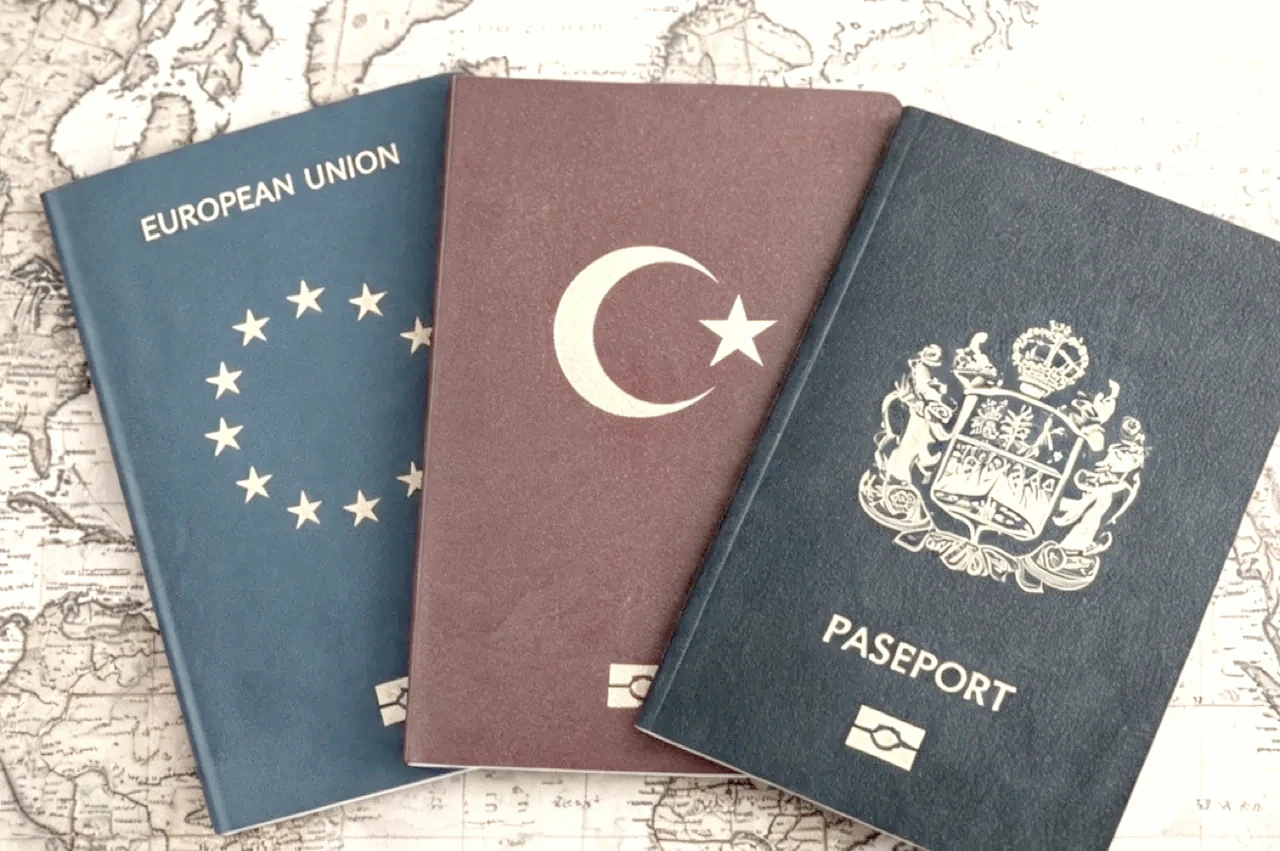 ComparisonMalta, Türkiye or St. Kitts: which passport gives more visa-free travel in 2026
 AnalysisWhat is due diligence and why the Caribbean is rejecting applications
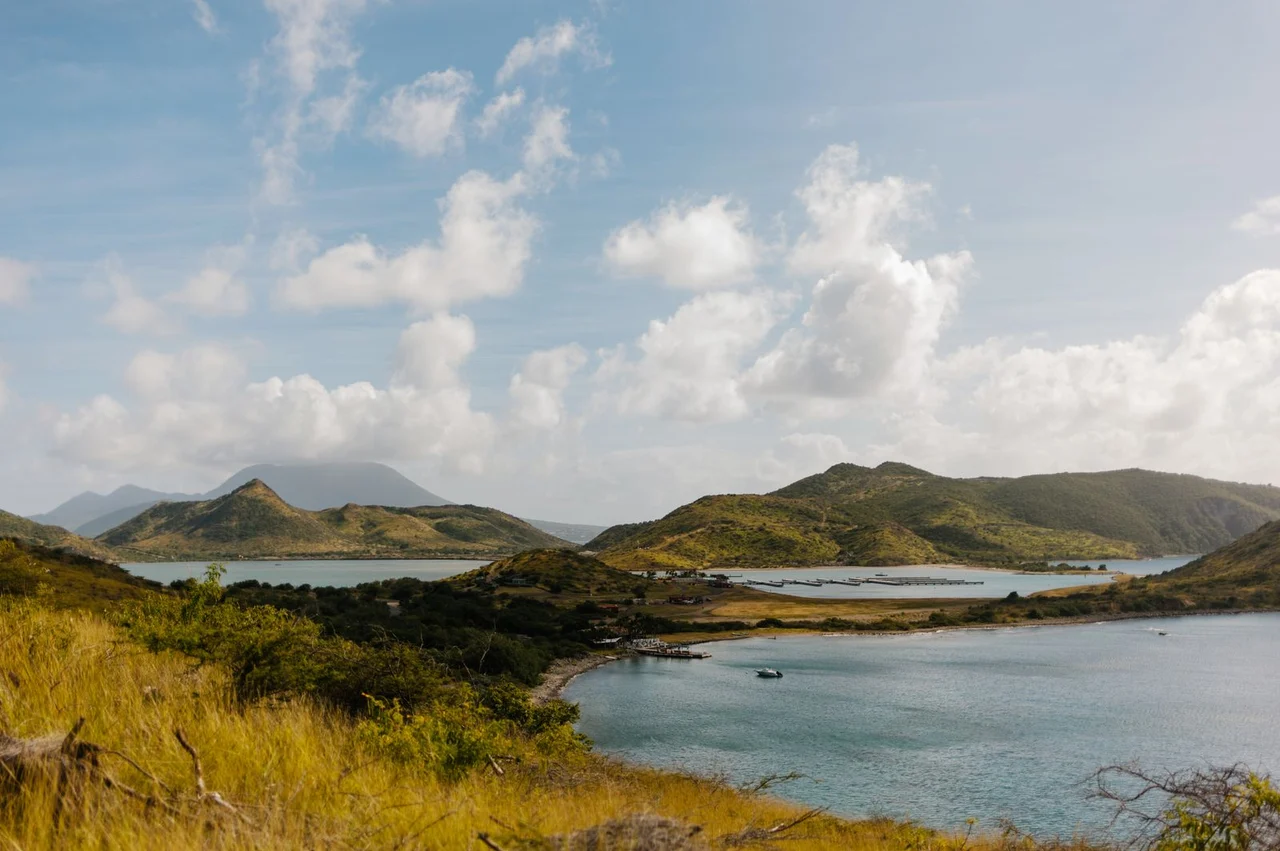 ArticlePros of St. Kitts citizenship in 2026: how a passport is useful
Personal programme selection is conducted by Anna Kovalevskaya, Head of Legal, BRIDGES.
Comparison of five Caribbean programmes
Amounts, timelines, family composition and requirements in one table.