Updated: June 2026

Case study · Italy · Residence permit

How an Investment in a Tuscan Winery Secured ItalianResidence Permit and a Passion Project

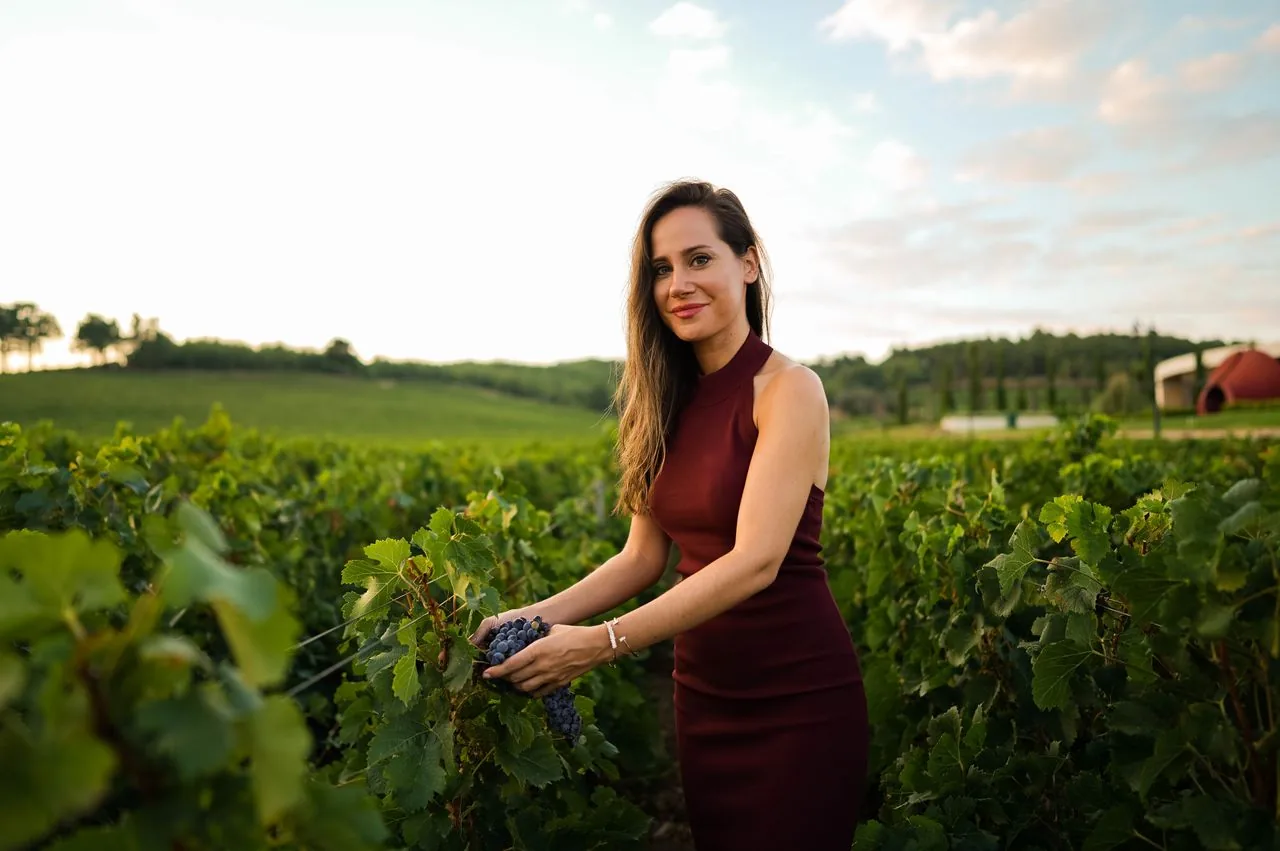
There are investments where people invest not only capital but also their dreams. Our client has long been passionate about Tuscany and its wine, and an Italian investment residence permit became his way to combine legal status with a passion project—an equity stake in an authentic winery. This is a straightforward case about an investment clients are proud of. We explain how we structured the equity stake in the S.r.l. winery and obtained the residence permit.

Igor VencIgor VencReal Estate Managing Director, BRIDGESReading time8 min readVerificationReviewed by an expert

This case is based on a real matter. The name and certain identifying details have been changed to protect confidentiality.

BRIDGES client story - How an Investment in a Tuscan Winery Secured Italian Residence Permit and a Passion Project
Contents

Case at a glance

Situation, solution and outcome in seven lines

Client
An investor passionate about Tuscany and wine
Objective
Italian Residence Permit + investment in a passion project
Program
Italy, Investment Residence Permit (Investor Visa for Italy)
Key Considerations
Investment in an equity stake of an operating winery
Property
S.r.l. winery in Tuscany
Solution
Equity investment with comprehensive business due diligence
Outcome
Italian Residence Permit and equity stake in winery

Client story

Client Story

Where they started

The client had visited Tuscany for years and dreamed of more than just vacations: he wanted genuine involvement with the land and its winemaking. When the question of a European residence permit arose, he immediately wondered if he could combine legal status with this long-held dream.

Why the standard route did not work

Italian Investment Residence Permit offered exactly that opportunity. Among the program's investment pathways is investment in an Italian company—an equity stake in an operating business, and a Tuscan winery structured as an S.r.l. fit this format perfectly. The capital would not go into an abstract asset but into a project the client could be proud of.

What BRIDGES had to solve

Romance, however, does not eliminate prudence. A winery is an operating business with its own economics, and an equity stake is acquired only after thorough due diligence: actual business condition, absence of hidden liabilities, to ensure the dream does not become a problematic asset. Emotion and calculation must work together here.

Why a standard answer would not do

The client came to BRIDGES to pursue his dream with a clear head: verify the winery, correctly structure the equity stake in the S.r.l. within the investment threshold, and obtain the residence permit through it.

I love Tuscany and its wine, and I always wanted to be genuinely involved, not just visit as a tourist. Igor suggested combining the residence permit with my dream—an equity stake in an authentic winery structured as an S.r.l. Both legal status in Italy and a business I am proud of. But the team kept me grounded: they thoroughly reviewed the winery as a business so I wouldn't buy into a problematic investment. As a result, I have a residence permit and an equity stake in a Tuscan winery. This is an investment where I have invested both money and my heart.

Elena · InvestorThe name and certain identifying details have been changed to protect confidentiality.

Key Considerations

Key Considerations

There was no risk here—just the challenge of combining dream with calculation. An equity stake in a winery is excellent as a passion project, but it is an operating business, and romance cannot overshadow prudence: the business economics and absence of hidden liabilities must be verified. The key consideration was not allowing emotion to overshadow due diligence. The mistake would be investing in a dream without verifying it as a business.

Actual financial condition of the winery as a business

  1. 01Absence of hidden liabilities and obligations of the company
  2. 02Compliance of investment with company investment thresholds
  3. 03Correct structuring of the equity stake in the S.r.l.
  4. 04Model of "approval first, then investment"

The logic of the solution

How the matter progressed: from checks to result

The chart is built from the facts of this matter and shows the logic of the work without decorative or unverified data.

  1. 01
    Stage 1

    We heard the client's dream and translated it into a task. First, we understood that the client valued not merely an investment, but belonging to Tuscany and its winemaking. This determined the structure—a stake in an operating winery, not an abstract asset.

  2. 02
    Stage 2

    We selected an S.r.l. winery in Tuscany. We found a suitable operating winery structured as an S.r.l., fitting both the client's dream and the requirements of the company investment pathway. The asset was tangible and real.

  3. 03
    Stage 3

    We verified the winery as a business. Before investing, we audited the winery's economics: actual financial condition, absence of hidden debts and liabilities. Thus the dream was backed by sober analysis, not romance alone.

  4. 04
    Stage 4

    We structured the stake within the investment threshold. We tailored the S.r.l. stake investment to company investment requirements and proceeded using the "approval first, investment second" model. The stake provided both belonging to the business and grounds for the residence status.

  5. 05
    Stage 5

    We filed for residence permit with the winery investment. With a verified business and properly structured stake, we submitted residence permit documents. The source of funds and investment were transparent, so the application proceeded smoothly.

Takeaway. Conclusion: Italy's Investment Residence Permit allows investing capital in a passion business, but emotional value does not override due diligence—the winery is treated as a company investment and approved only after sober business assessment.

How we handled the case

How we handled the case

The work was split into verifiable stages so that every conclusion rested on documents.

  1. 01

    Stage 1

    We heard the client's dream and translated it into a task. First, we understood that the client valued not merely an investment, but belonging to Tuscany and its winemaking. This determined the structure—a stake in an operating winery, not an abstract asset.

  2. 02

    Stage 2

    We selected an S.r.l. winery in Tuscany. We found a suitable operating winery structured as an S.r.l., fitting both the client's dream and the requirements of the company investment pathway. The asset was tangible and real.

  3. 03

    Stage 3

    We verified the winery as a business. Before investing, we audited the winery's economics: actual financial condition, absence of hidden debts and liabilities. Thus the dream was backed by sober analysis, not romance alone.

  4. 04

    Stage 4

    We structured the stake within the investment threshold. We tailored the S.r.l. stake investment to company investment requirements and proceeded using the "approval first, investment second" model. The stake provided both belonging to the business and grounds for the residence status.

  5. 05

    Stage 5

    We filed for residence permit with the winery investment. With a verified business and properly structured stake, we submitted residence permit documents. The source of funds and investment were transparent, so the application proceeded smoothly.

  6. 06

    Stage 6

    We completed the issuance of residence permit with the winery stake. The client received an Italian residence permit and a stake in a Tuscan winery. The dream became reality, but without blind risk—because behind the romance stood a verified business.

Expert comment

Sometimes clients come to me for whom investment is also a matter of the heart. This was exactly such a case: a person enamored with Tuscany, dreaming of belonging to its winemaking rather than merely visiting as a tourist. Investment Residence Permit allows combining status with such dreams—through a stake in an operating company, and a winery structured as an S.r.l. works perfectly. But I never allow romance to overshadow due diligence. A winery is a business with its own economics, and a stake in it is taken only after verification: how are things progressing, are there hidden debts. The dream must not become a problematic asset. We verified the winery as a business, confirmed it was sound, and structured the stake. As a result, the client has both a residence permit and a business he truly takes pride in. The best investments are those where emotion and due diligence go together.

Igor Venc, Real Estate Managing Director, BRIDGESIgor VencReal Estate Managing Director, BRIDGES

Outcome

What the client received

Requirements
How We Executed · Outcome
Passion Project
Stake in Tuscan winery · Belonging to the dream
Avoid Problem Assets
Winery business verification · No hidden debts
Register the Investment
Investment within company threshold · Program compliance
Obtain Status
Application with winery investment · Italian Residence Permit
Obtain Status
Application with winery investment · Italian Residence Permit

The situation: Client wanted an Italian residence permit and an investment in a passion project—belonging to Tuscany and its winemaking. What we did: translated the dream into a task; selected an S.r.l. winery in Tuscany; verified it as a business; structured the stake within the investment threshold; filed for residence permit; completed issuance with the winery stake. What the client received: Italian residence permit and stake in a Tuscan winery.

Practical takeaway

What matters in a similar situation

  • Conclusion: Italy's Investment Residence Permit allows investing capital in a passion business, but emotional value does not override due diligence—the winery is treated as a company investment and approved only after sober business assessment.
  • The client realized the dream without blind risk—because we combined his passion for Tuscany with business verification of the winery and structured the stake according to program requirements.

FAQ

Questions people ask in a similar situation

01Can one obtain an Italian residence permit through a winery?

Yes. A winery structured as an Italian company (S.r.l.) qualifies under the pathway of investing in a stake of an operating business. This provides status and belonging to a passion project.

02Must the winery be verified before investing?

Mandatory. The winery is an operating business, and a stake is acquired only after verification of its financial health and absence of hidden liabilities, ensuring the investment does not become a problematic asset.

03How does such an investment differ from bonds?

A stake in a winery represents participation in a tangible, living business aligned with the client's values, whereas bonds are a passive asset. The choice depends on what matters most to the investor.

04What is the minimum threshold for company investment?

Investment in an Italian company follows the applicable program threshold. A winery S.r.l. qualifies as such an investment when the stake is properly documented.

05When is the investment made?

Under the Investor Visa model, approval (Nulla Osta) is obtained first, and only then is the investment in the winery stake executed. This reduces capital risk.

06Dream of an Italy investment that resonates with you?

We will identify an operating business matching your vision—from a Tuscan winery to other ventures—vet it as an investment, and structure your S.r.l. stake under a residence permit, so your status aligns with the business you take pride in.

About the author

Igor Venc

Author: Igor Venc

Real Estate Managing Director, BRIDGES

I lead the international real estate practice at BRIDGES and coordinate cross-border transactions from the selection of an ownership structure through to completion. I assess the legal position of the property and its suitability for the client's objectives.

Before the client assumes obligations under a transaction, I review title and possible encumbrances, assess whether the property is suitable for the client's objectives, and examine the implications of the chosen ownership structure. The review is organised in a clear sequence so that the relevant findings can be addressed before completion.

During the consultation, we will examine the purpose of the acquisition, the proposed ownership model and the intended use of the property. Once the engagement begins, I coordinate the property review, transaction preparation and the key decisions of the BRIDGES team through to completion.

Prepared on the basis of BRIDGES practice and reviewed by a subject-matter expert.

Discuss your situation with Igor

We will review your situation and propose a solution

Describe your task in a few words. We will study your situation, assess the legal and practical options and propose the next step based on your goals, documents and country.

Confidential · no obligations · answered by the relevant specialist

Or message us on WhatsApp or Telegram

Anna KovalevskayaHead of Legal, BRIDGES
Anna Kovalevskaya, Head of Legal, BRIDGES

Names and certain details have been changed to protect client confidentiality. The result described reflects one specific situation and is neither a public offer nor a guarantee of a similar outcome. Programme terms are stated as of 2026 and may change - please confirm current parameters with a BRIDGES consultant.