Residency · Turkey
A Turkey residence permit in 2026: rent or buy property - what to choose
Updated: ·14 min read·Expert reviewed
Terms and costs verified: undefined
Contents
Two routes lead to a Turkish residence permit. The first - buy housing from $200,000 and get stable investment status with an asset in hand. The second - rent an apartment, notarize the agreement, and file for the tourist residence permit. On paper, rental looks cheaper and simpler. In practice, in 2024-2025 authorities tightened the rules so much that rental in major cities is refused more often than approved. We break down both paths : where the money is, where the risks are, and who fits what.
Two routes to a Turkish residence permit: what the fundamental difference is
When a person says "I want a Turkey residence permit", this phrase almost always hides two completely different scenarios mistakenly lumped together. The first isthe short-term (tourist) residence permit through renting housing. You rent an apartment, notarize the agreement, arrange medical insurance, and file the application with the migration service. Not much money is needed upfront: a deposit to the landlord, a couple of months' advance rent, insurance, and fees. The status is short, needs regular renewal, and directly hinges on the migration officer's goodwill.
The second scenario -A residence permit for buying property from $200,000. Here you become the housing's owner, get the ownership document (TAPU), and process the residence permit based on it. This is a different class of status: behind it stands a real asset, not a temporary arrangement with a landlord. The money upfront is incomparably more, but the grounds are solid and clear to an official.
The key difference isn't in the price but the nature of the grounds. Rental is permission to "stay over", which the state can reconsider at any moment. Buying is a tie to the country through capital, and such applicants are treated quite differently. That's exactly why in 2026 the choice between renting and buying isn't a choice of "cheaper or more expensive", but a choice of "shaky or stable". We gave a detailed breakdown of the owner's path in the guide onA Turkey residence permit through property.
We will calculate the budget for your family
A full estimate: contributions, fees and our work for your family.
The rental path: the tourist residence permit through a notarized agreement
The tourist (short-term) residence permit is historically the most popular way to legally live in Turkey with no housing purchase. The logic is simple: you rent an apartment, and the apartment's address becomes your official registration. On these grounds the migration service grants permission for temporary residence.
Since February 15, 2022, the rules were sharply tightened. Previously a regular paper lease agreement worked for the residence permit - now the agreement must benotarized (noter onaylı kira sözleşmesi). Notarization happens in the presence of both the tenant and the housing owner, the notary verifies both parties' identities and files copies of the documents. This immediately cut off the mass practice of "paper" agreements drawn up for non-existent rentals.
What's included in the rental applicant's package:
- a notarized lease agreement in your name;
- a residence registration extract at the address (address registration);
- medical insurance for the entire residence permit term;
- confirmation of financial solvency - Turkish bank account statements;
- a biometric photo, foreign passport, payment of fees and the residence permit card.
Filing goes through the e-ikamet system, and since summer 2024 the application can also be processed through notary offices - under a protocol between the migration service and the Turkish Notaries Union. Sounds convenient. But behind this procedural smoothness hides rental's main problem, discussed below.
Why rental refusals became widespread
The most unpleasant fact of 2026: a rental filing appointment isn't a guarantee of review on the merits at all. The system automatically hands out "slots" for an interview to everyone, and the person thinks the case is progressing. But on appointment day, the officer, opening the rental file, in most cases issues a refusal. According to practicing migration lawyers' estimates, the residence permit refusal share through rental in major cities - Istanbul, Antalya, Izmir - exceeded90%. Tourist residence permit renewal refusals grew from 15-20% in 2022-2023 to 30-40% in 2025-2026.
There are several reasons for this reversal, and all are systemic:
- The policy tone has changed.The state no longer wants the tourist residence permit to work as a way to live in the country for years with no investment. Renewals "just for tourism" are rarely approved in 2026 - a clear and confirmed stay purpose is required.
- Closed districts.If the apartment is in a mahalle where the foreigner share exceeds 25%, registration and the residence permit won't be granted there at all - regardless of what agreement you have.
- Strict financial checks.At renewal, the migration service requires three months of Turkish bank statements and income of approximately 1.5 minimum wages per person.
- Non-refundable losses.On refusal, the notary fee, insurance, and duties aren't refunded - a clean loss of $700-1,000.
A trap results: you pay for the notary, insurance, and rent, go through the entire procedure - and with nine-to-one odds in a big city get refused, with no money back. We broke down exactly which districts are closed and how to check this in advance in the article onTurkey's closed districts for residence permits.
The buying path: the investment residence permit for property from $200,000
The second path works differently by its very nature. You don't rent - you buy residential property and become the owner. Since October 16, 2023, the threshold for the purchase residence permit has been raised and unified: the property's minimum value per the official valuation must befrom $200,000across the whole country (previously it was $75,000 for major cities and $50,000 for other provinces). The price is counted not by the contract but by an independent valuation accredited by the Capital Markets Board (SPK) - understating it "on paper" won't work.
What's important to consider on this path:
- only worksresidentialproperty - commercial, land, and shares don't work for this residence permit;
- the property can't be bought ina closed district- there the residence permit won't be processed even for an owner;
- the property needs to behold for a minimum of 3 years- can't sell right away and keep the status;
- ownership (TAPU) is registered, and the residence permit is based on it;
- The residence permit is usually granted for 1-2 years with renewal, as long as ownership persists.
The fundamental difference from rental: behind your status stands an asset registered to you. For a migration officer this is a completely different level of trust - an owner with TAPU worth $200,000 and a tenant with a one-year agreement are in different weight classes. Refusals for correctly processed purchases in an open district almost never happen, because the grounds are transparent and verifiable. The full step-by-step mechanics - in the guide onA Turkey residence permit through property.
Comparison by money: how much each path genuinely costs
Comparing rental and buying "head-on" by the upfront sum means deceiving yourself. Rental looks cheaper, but it's payment for a temporary permit that might not work. Buying isn't an expense but transferring money into an asset that remains yours. Let's break it down.
| Parameter | Rental (tourist residence permit) | Buying (investment residence permit) |
|---|---|---|
| Money upfront | Deposit + advance rent + notary + insurance + fees (usually a few thousand $ a year) | From $200,000 for housing + a 4% TAPU tax + fees |
| Where the money goes | Non-refundable: to the landlord, notary, insurer | Into an asset in your name (TAPU) |
| Losses on refusal | Notary, insurance, fees (~$700-1,000) aren't refunded | The money in the property stays with you |
| Return on investment | No | Renting out the property + a value rise at resale after 3 years |
What needs counting isn't "how much I paid this year" but "what's left after three years". On rental, after three years of renewals you'll spend a noticeable sum on notaries, insurance, and fees - and get nothing tangible in return, only refusal stories. On buying, over the same three years you own housing that can be rented out (giving income) and that after the hold period can be sold. Given rising Turkish property prices and rental income, the real ownership cost often turns out lower than it seems at the start.
But if your goal isn't the residence permit but a passport, the money logic changes again: a separate programme with a threshold from $400,000 works there. All figures and conditions - in the guide onTurkish citizenship by investment.
We will help you choose the right programme
We compare timelines, amounts and requirements for your family and tell you which option works best.
Comparison by reliability and refusal risk
Reliability is the axis where the two paths diverge the most, and it's exactly this that's most often underestimated. On rental, the refusal risk in major cities in 2025-2026 moved from "possible" to "likely": over 90% of rental files in Istanbul, Antalya, and Izmir get refused. This isn't a one-off glitch but a stable policy - the state is deliberately winding down the tourist residence permit as a channel for long-term residence with no investment.
Rental's risk is multi-layered. First, the district may turn out closed, and then no agreement will help. Second, the officer has the right to doubt the actual stay purpose, and formally there's no fault to find with that. Third, at renewal the bar for finances and purpose confirmation rises, and approvals "for tourism" have almost disappeared. Each of these layers can reset money already spent.
Buying's risk is fundamentally lower and more predictable. If the property is residential, costs from $200,000 per the SPK valuation, is in an open district, and is registered as ownership through TAPU - the migration service is left with almost no grounds for refusal. The main risk here shifts from the plane of "will they grant the residence permit or not" to the plane of "was the property correctly chosen": whether the district isn't closed, whether the valuation is correct, whether the title is clean. And these are manageable risks - they're closed by a sound check before the deal.
The, no-frills conclusion:a $200,000 purchase is more stable than rental. Rental today is a lottery with poor odds in big cities, while buying is an engineering solution, where the result depends on the quality of preparation, not an official's mood.
Comparison by timeframes and status prospects
The residence permit's term itself is similar in both cases - usually 1-2 years with subsequent renewal. But behind this formal similarity hides a different fate for the status long-term.
The tourist rental residence permit is a status that needs constantly "defending". Every renewal is a new filing, a new notarized agreement, fresh insurance, three months of Turkish bank statements, and proof of a clear stay purpose. With every cycle the bar doesn't lower but rises, and renewals "just for tourism" are rarely approved in 2026. That is, even having gotten the first rental residence permit, you don't move into a calm mode - you enter a chain of risky renewals.
The purchase residence permit gives a calmer trajectory: as long as you own the property, the grounds persist, and renewal proceeds on the same solid basis - ownership. Then a long-term prospect opens up:
- Permanent residence (uzun dönem)- an indefinite residence permit after 8 years of continuous legal residence;
- naturalization- general-procedure citizenship filing is possible after 5 years of residence.
An important caveat with no illusions: the property residence permit by itselfdoesn't automatically lead to citizenship- these are two different tracks. For a passport by investment a separate programme works, with a threshold from $400,000 and a term of around 3-8 months. Details and family conditions - in the guide onTurkish citizenship by investment. Basic rules and residence permit types are gathered in the overviewA Turkey residence permit.
Closed districts: a common trap for both paths
There's a factor that hits both scenarios equally hard - closed districts. The migration service (Göç İdaresi) introduced a rule: in mahalle where the registered foreigner share exceeds25%of the population, new residence permits aren't processed. Registering a new address itself is banned in such neighborhoods - both for the tenant and the owner, regardless of the housing's value.
In Istanbul, entire districts are fully closed to foreigners - among them Avcilar, Bahcelievler, Bagcilar, Basaksehir, Esenler, Esenyurt, Fatih, Kucukcekmece, Sultangazi, and Zeytinburnu. The lists are periodically updated and expanded, so you can't rely on "I heard it's fine there".
The check moment is especially treacherous: the district's status is verifiednot as of the purchase or agreement-signing date, but as of the document filing dateto the migration service. That is, a neighborhood can become closed after you've already bought the apartment or signed the lease, but before you file for the residence permit. This turns carelessness into a costly mistake:
- the tenant loses money on the notary and insurance with no chance at the residence permit;
- the buyer risks ending up with housing that won't be granted the residence permit.
One conclusion: the district's status needs checkingup toany deal - both before renting and, all the more, before buying for hundreds of thousands of dollars. This is the first and mandatory step we take in our work. A detailed breakdown and tactics - in the article onTurkey's closed districts for residence permits. It's always useful to check current rules against the primary source - the migration service's portalPresidency of Migration Management.
"Over the last two years I've seen dozens of people who came with the same story: rented an apartment in Istanbul, paid a notary, arranged insurance - and got refused for the residence permit, losing money for nothing. Rental today in big cities is a lottery with poor odds, and I say this directly, even if the person hoped to save money. When there's a budget, buying from $200,000 almost always wins: behind your status stands an asset, not an arrangement with a landlord, and a migration officer treats an owner fundamentally differently. The main thing isn't the choice between renting and buying itself, but checking the district and property before the deal. A closed district resets any budget. That's why we always start not with selecting an apartment, but with checking whether a residence permit can even be obtained there."
Who the rental path genuinely fits
Despite the high refusal rate, rental isn't written off entirely - its niche has just sharply narrowed. Let's outline who it can still fit in 2026.
Rental makes sense if several conditions are met at once:
- You're not ready to invest $200,000.If you don't have such capital or don't want to freeze it in Turkish property, buying for the residence permit is simply unavailable.
- You're choosing a small city or an open district.Outside Istanbul, Antalya, and Izmir, in open mahalle, the chances on rental are noticeably higher than the frightening 90% refusal rate in metropolises.
- You have transparent finances and a clear goal.Real income, Turkish bank statements, a clear reason for staying - study, work, family - raise the chances.
- You need to "look around".Rental works as a trial mode: live for a year, get to know the city and district, and only then decide on buying.
But even in these cases it's important to go in with eyes open. Rental is a status with no asset and no guarantees: you pay for an attempt, not a result. If it's critical for you that the status be stable and not depend on the officer's mood and the apartment's address, rental won't give such peace of mind under any conditions. Basic residence permit types and rules are gathered in the overviewA Turkey residence permit.
Who the buying path fits and why it more often wins
Buying is the choice of those for whom the residence permit should be a solid foundation, not an annual lottery. This path fits you if at least a few of the statements below hold true.
- You need stability.Status based on ownership almost doesn't depend on an official's discretion - with the right property, refusals almost never happen.
- You're planning to stay in Turkey long-term.Buying opens a calm trajectory: renewals based on TAPU, the prospect of permanent residence after 8 years, the possibility of naturalization after 5.
- You think of money as an asset.$200,000 doesn't "burn up" but turns into housing that can be rented out and sold after a 3-year hold.
- You have family with you.It's easier for an owner to build stable status for the spouse and children than to balance on a chain of risky rental renewals.
The main argument for buying isn't emotional but arithmetic. On rental, after three years you'll with high probability have spent money on notaries and insurance, encountered refusals - and be left with no status and no asset. On buying, after three years you own property, have a stable residence permit, and keep capital in tangible form. At a comparable residence permit term, the outcome is radically different.
That's exactly why our recommendation for those with the budget is unambiguous:a $200,000 purchase is more stable than rental. Rental is worth viewing as a temporary or forced solution, and buying - as strategic. The full mechanics of the owner's path - in the guide onA Turkey residence permit through property.
Typical mistakes that cost money and status
Over years of working with Turkish cases we see the same mistakes that turn a clear procedure into a loss of money. Let's list the main ones - so you don't repeat them.
- Renting or buying with no district check.The costliest mistake. The neighborhood may turn out closed, and then neither the agreement nor TAPU will help - the residence permit won't be granted. The district's status needs checking before the deal and as of the filing date.
- Trusting a "paper" lease agreement.Since 2022, the agreement must be notarized, with the owner's personal attendance. Non-notarized schemes lead to a guaranteed refusal.
- Counting on easy renewal of the tourist residence permit.In 2026, renewals "just for tourism" are rarely approved, a confirmed purpose and Turkish bank statements are required. Getting into the rental mode is easier than staying in it.
- Understating the property's value when buying.The $200,000 threshold is counted per the independent SPK valuation, not the contract. Trying to save on the valuation destroys the residence permit's grounds.
- Buying commercial property or land for the residence permit.Only residential property works for the residence permit - this is a common and frustrating mix-up.
- Confusing the residence permit and citizenship.The property residence permit doesn't automatically lead to a passport - this is a separate programme with a threshold from $400,000.
Almost all these mistakes have one thing in common: they're made at the stage when "everything seems clear and you can do it yourself". This is exactly where money is lost. Checking decisions against current rules and checking the property before the deal is cheaper than any of the listed mistakes.
Taxes and related expenses: what to consider in advance
Both rental and buying drag along a tax and expense tail better calculated before starting than discovered after the fact. Turkey determines tax residency by the rule of183 days: if you spend more than half a year in the country, you become a tax resident and pay on worldwide income. Non-residents aren't taxed on worldwide income - only on income from Turkish sources.
Key rates worth keeping in mind:
- Income tax- progressive, in the range of 15-40% depending on the income level;
- VAT (KDV)- the standard rate is 20%;
- The property purchase tax (TAPU)- 4% of the value when registering ownership.
For the buying path this means an additional 4% on top of the housing price plus related processing fees - they need to be budgeted for right away, not calculated "later". For the rental path there's no direct transaction tax, but non-refundable expenses accrue annually: agreement notarization, medical insurance, residence permit card fees. On refusal - which is likely in big cities - all these sums are lost.
Separately note: if you plan to rent out the bought apartment, rental income in Turkey is taxed, and this needs factoring into the yield calculation. Tax questions are better discussed specifically for your situation - residency, income sources, whether a double taxation avoidance agreement exists with your country. It's always worth checking current rates and rules against the primary source - the migration service's portalPresidency of Migration Managementand Turkey's tax administration.
What we check and do before your decision
The choice between renting and buying can't be made "blindly" - too much money and risk hinges on details invisible on the surface. Before you spend a single lira, we go through a clear check and calculation route.
- We check the district's statusas of the planned filing date - whether it's open or closed, whether it's approaching the 25% foreigner-share threshold. This is the first and mandatory step for both paths.
- We calculate the real cost of ownershipover a 3-year horizon - not the upfront sum but the outcome: what you'll have left on rental and on buying, accounting for TAPU, renting out the property, and a potential sale.
- We assess the refusal risk profilefor your city, income, and stay purpose - and tell you what chances rental has specifically in your case.
- For buying - we check the property before the deal:whether the designation is residential, whether the SPK valuation is correct for the $200,000 threshold, whether the title is clean, whether the district isn't closed.
- We build status for the whole familyand calculate the long-term prospect - permanent residence after 8 years, the path to citizenship if you need it.
Our task is to make sure you don't end up among the 90% who lost money on a rental refusal, and don't buy an apartment where the residence permit can't be obtained. If you're deciding between two paths and want a calculation for your situation, not general words,leave a request for a consultation- we'll go over your case with facts and figures.
We will send a document checklist for your case
Leave your details: we will put together documents and timelines for your family.
Conclusion: what to choose in 2026
If you sum it all up in one paragraph:buying property from $200,000 - is more stable than rental, and in 2026 this gap has only grown. Rental looks cheaper only upfront, but in major cities it's turned into a lottery with over 90% refusals and non-refundable losses on the notary and insurance. Buying is more expensive at the start, but turns money into an asset, gives solid grounds for the residence permit, calm renewals, and a long-term prospect - permanent residence and the path to citizenship.
Rental remains sensible only in a narrow niche: a small city or an open district, no budget for buying, transparent finances and a clear stay purpose, or a "live and look around" mode before buying. In all other cases where capital exists, buying wins both in reliability and economics over a three-year horizon.
But either of the two paths collapses on the same small thing - a closed district and an unchecked property. So what has decisive importance isn't the choice "rent or buy" itself, but the quality of preparation: checking the district as of the filing date, a correct SPK valuation, a clean title, and a calculation of the ownership cost. This is exactly what separates those who get a Turkey residence permit calmly from those who lose money and time on refusals.
Frequently asked
Questions people ask before deciding
01What's cheaper - renting or buying for a Turkey residence permit?
Rental is cheaper upfront: deposit, advance payment, notary, and insurance - this is a few thousand dollars a year versus a minimum of $200,000 to buy. But rental is a non-refundable expense with no asset, and in major cities also with a high refusal risk. Buying turns money into ownership that can be rented out and sold after 3 years. What needs counting isn't the upfront sum but the outcome after three years.
02What's the current refusal rate for the residence permit through rental?
According to practicing migration lawyers' estimates, in 2025 the refusal share for rental files in Istanbul, Antalya, and Izmir exceeded 90%. Tourist residence permit renewal refusals grew from 15-20% in 2022-2023 to 30-40% in 2025-2026. This is a stable policy, not a one-off glitch.
03Why is rental so often refused?
The state is deliberately winding down the tourist residence permit as a way to live in the country long-term with no investment. Renewals "for tourism" are rarely approved in 2026 - a clear purpose and Turkish bank statements are required. Plus closed districts and strict financial checks. A filing appointment no longer guarantees approval: everyone gets a slot, but at the appointment a refusal is issued.
04What is the minimum purchase threshold for the residence permit in 2026?
Since October 16, 2023, and in 2026, a uniform threshold applies - from $200,000 across the whole country, per the independent SPK valuation. Previously it was $75,000 for major cities and $50,000 for other provinces. The value is counted per the valuation, not the contract, so understating the sum won't work.
05What are closed districts and why does this matter?
This is a mahalle where the registered foreigner share exceeds 25% of the population. In such neighborhoods, new residence permits aren't processed - registering the address itself is banned, both for the tenant and the owner. The district's status is checked as of the document filing date, so a neighborhood can become closed after buying or renting.
06Must the lease agreement be notarized?
Yes. Since February 15, 2022, a notarized lease agreement is needed for the residence permit, executed in the presence of both the tenant and the owner. The notary verifies both parties' identities and files copies of the documents. Regular "paper" agreements with no notarization lead to a guaranteed refusal.
07Does the property residence permit lead to Turkish citizenship?
No, it doesn't automatically lead to it. The residence permit and citizenship are two different tracks. After 8 years of residence you can apply for permanent residence, after 5 years - file for naturalization. For a passport by investment a separate programme works, with a threshold from $400,000 and a term of around 3-8 months.
08What property can be bought for the residence permit?
Only residential. Commercial property, land, and shares don't work for the property residence permit. The property must not be in a closed district, it needs to be held for a minimum of 3 years, and the value per the SPK valuation must be from $200,000.
09For what term is the residence permit granted in both cases?
Both the tourist rental residence permit and the purchase residence permit are usually granted for 1-2 years with renewal. But the status's fate differs: rental needs defending at every renewal with ever stricter requirements, while buying gives calm renewals based on ownership, as long as you own the property.
10Who does the rental path genuinely fit?
To those with no budget for buying, who choose a small city or an open district, have transparent finances and a clear stay purpose, or want to "live and look around" before buying. In major cities with a high refusal rate, rental is a risky option even with perfect documents.
11What taxes apply when buying property in Turkey?
When registering ownership (TAPU), a 4% tax on the value is paid. Standard VAT - 20%, income tax progressive, 15-40%. Tax residency is determined by the 183-day rule: with a stay of more than half a year you pay tax on worldwide income, non-residents - only on Turkish sources.
12What to ultimately choose in 2026?
If there's a budget, buying from $200,000 is more stable than rental in reliability and economics over a three-year horizon. Rental is sensible only in a narrow niche - a small city, an open district, no capital. But both paths are ruined by a closed district and an unchecked property, so a check before the deal has decisive importance.
Transparency
How this material was prepared
- Author
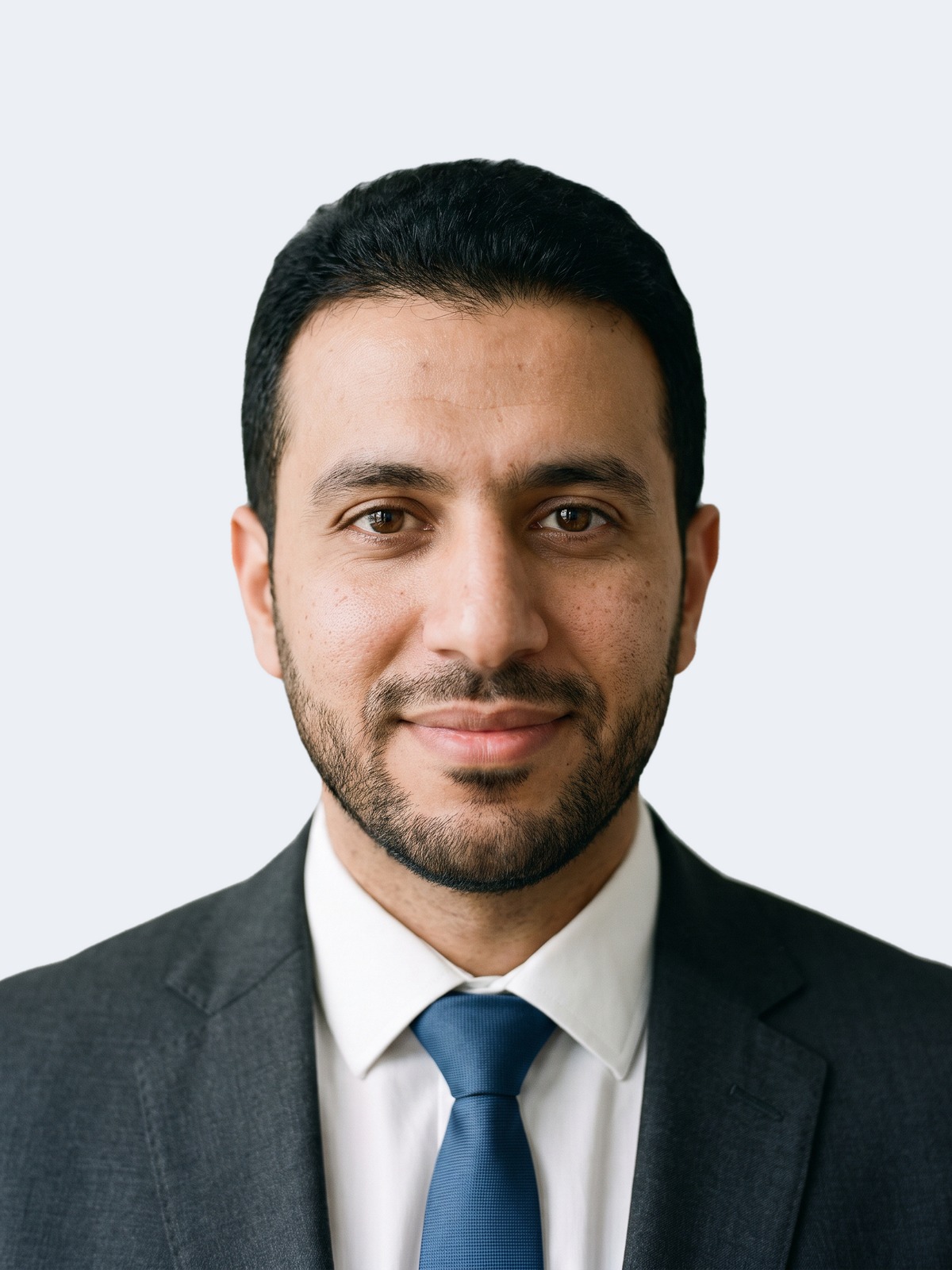
- Karim Naser, head of Istanbul Office, BRIDGES
- Terms and costs last verified
- Sources
- official government authorities of the relevant country and state publications
- Methodology
- government minimum requirements are stated separately from due diligence charges, state fees, legal and banking costs
Sources and methodology
Figures, terms and timelines are checked against official sources. Link availability verified in August 2026. Third-party blogs and agent websites are not used as a source of programme terms.
- [1]Presidency of Migration ManagementResidence permits and citizenshipen.goc.gov.tr
- [2]General Directorate of Land Registry and CadastreProperty transactions and valuationwww.tkgm.gov.tr/en
Methodology: tables and charts state government minimum investment requirements; due diligence charges, state fees, legal, banking and other costs are calculated separately and are not included in the minimum thresholds.
About the author
Related materials
What to read next
 ArticleTurkish citizenship by investment in 2026: complete guide
 ComparisonCaribbean or Turkey: Citizenship for Contribution or Real Estate in 2026
 AnalysisWhat is due diligence and why the Caribbean is rejecting applications
Personal programme selection is conducted by Anna Kovalevskaya, Head of Legal, BRIDGES.
Buying property in Turkey: what to check
Title, encumbrances, outstanding debts and what to look for in the contract.
